
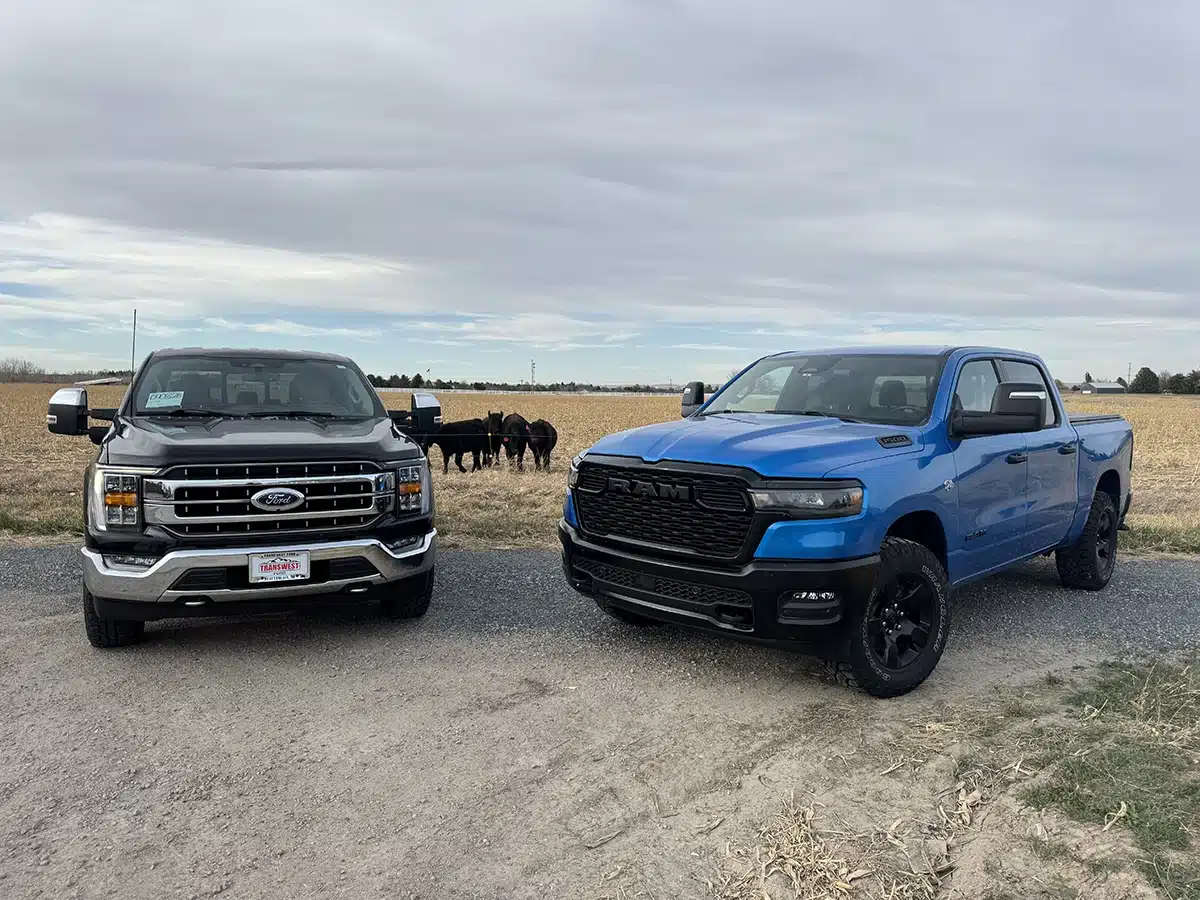
After years of Ford dominance, Ram has closed the gap with improved quality, competitive pricing and a standout new engine lineup. A recent full-size truck comparison pitting the 2026 Ram 1500 vs Ford F-150 has never been tighter.
A week spending time with both, a HEMI-powered Ram Tradesman and a 3.5L EcoBoost F-150 Lariat, and owning a high-output Ram RHO as well as driving the standard output Hurricane plus years of experience driving the rest of Ford and Ram’s lineup, revealed the decision comes down to priorities: simplicity vs innovation, value vs features, and now, long-term peace of mind.
Powertrain Showdown: HEMI Simplicity vs EcoBoost Muscle
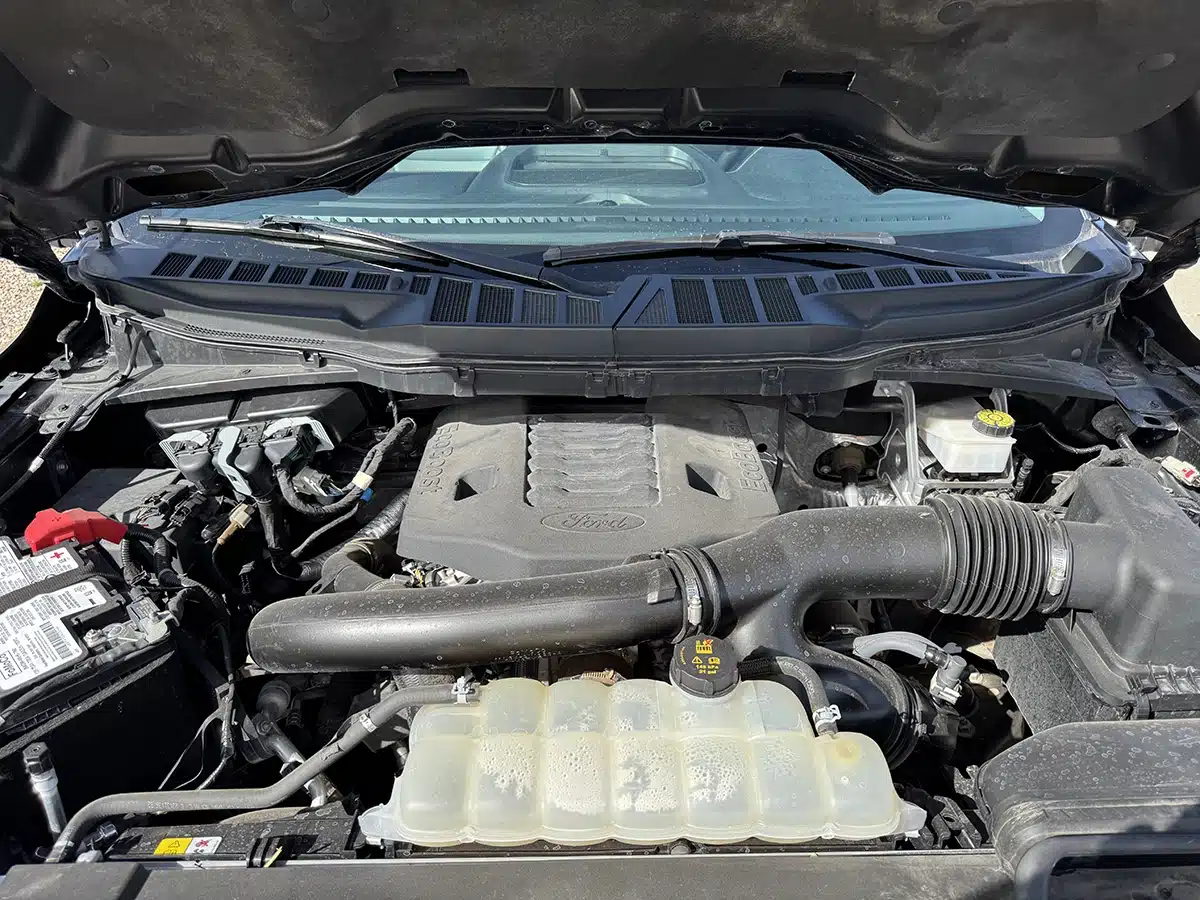
Under the hood, this comparison highlights two very different philosophies. The Ram’s 5.7L HEMI V8 with eTorque delivers traditional, naturally aspirated performance with a familiar feel and proven durability albeit with the known issues of the HEMI tick and concerns over the eTorque system. It’s the engine many buyers still trust, especially those wary of turbo complexity from the Hurricane lineup or needing more power than the 3.6-liter V6 Pentastar engine.
Ford counters with its twin-turbocharged 3.5L EcoBoost V6, which produces 400 horsepower and 500 pound-feet of torque in our 2023 model than the HEMI with 395 horsepower and 410 pound-feet of torque. The numbers may suggest they are similar, but the turbocharged EcoBoost is quicker, more responsive under load, and has a long track record of real-world performance. While some buyers still question turbo longevity, the EcoBoost has largely proven itself overall.
For 2026, the EcoBoost did see a drop in overall horsepower to 382 due to the introduction of a gasoline particulate filter.
Where Ram really shifts the conversation is with the newer Hurricane inline-six engines, which bring modern turbocharged performance without the widespread issues some expected. If you’re shopping for the “next big thing,” Ram currently has the edge.
| Truck | Engine | Size | Horsepower | Torque |
|---|---|---|---|---|
| Ram 1500 | Pentastar V6 (eTorque) | 3.6L V6 | 305 hp | 269 lb-ft |
| Hurricane I6 (Standard Output) | 3.0L Twin-Turbo I6 | 420 hp | 469 lb-ft | |
| Hurricane I6 (High Output) | 3.0L Twin-Turbo I6 | 540 hp | 521 lb-ft | |
| HEMI V8 (eTorque) | 5.7L V8 | 395 hp | 410 lb-ft | |
| Ford F-150 | EcoBoost V6 | 2.7L Twin-Turbo V6 | 325 hp | 400 lb-ft |
| EcoBoost V6 | 3.5L Twin-Turbo V6 | 382 hp | 500 lb-ft | |
| PowerBoost Hybrid V6 | 3.5L Hybrid V6 | 420 hp | 570 lb-ft | |
| Ti-VCT V8 | 5.0L V8 | 400 hp | 410 lb-ft | |
| High-Output EcoBoost V6 (Raptor) | 3.5L Twin-Turbo V6 | 450 hp | 510 lb-ft | |
| Supercharged V8 (Raptor R) | 5.2L Supercharged V8 | 720 hp | 640 lb-ft |
Interior and Features: Worksite Practicality vs Everyday Comfort
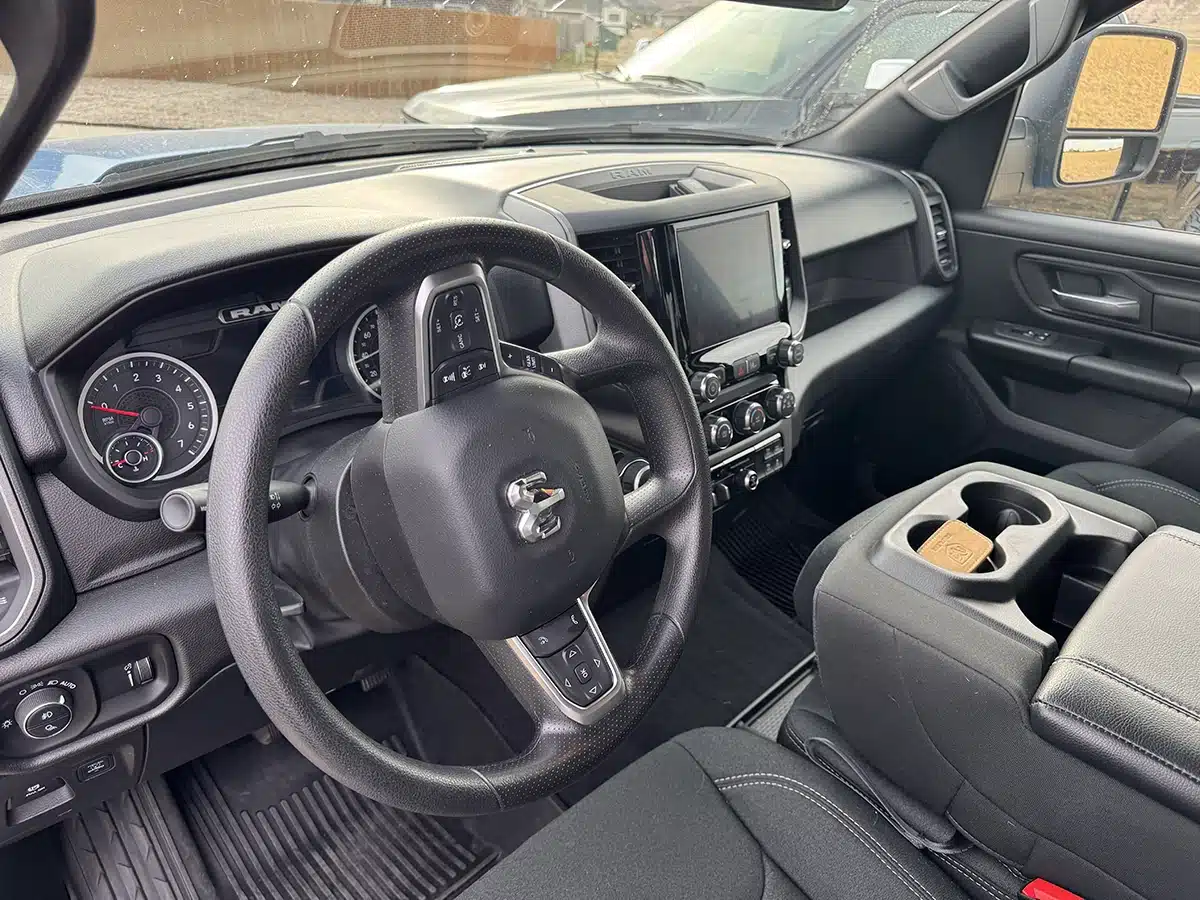
Inside, the Ford F-150 Lariat clearly leans into technology and usability. A fully digital gauge cluster, larger infotainment screen, and features like Pro Power Onboard (up to 7.2 kW) available in Powerboost models make it a rolling jobsite. The fold-down work surface and thoughtful storage solutions reinforce that versatility.
The Ram 1500 in the Warlock trim for our comparison (a Tradesman model with off-road features) is focused on straightforward usability. The cabin has more hard plastics, but it’s functional, with clever storage like under-seat bins and a flat-load floor. Move up trims, and Ram interiors become some of the best in the segment.
Ford wins on tech and innovation. Ram wins on simplicity and better design across all trims.
Capability and Value: Payload, Pricing, and Real-World Use
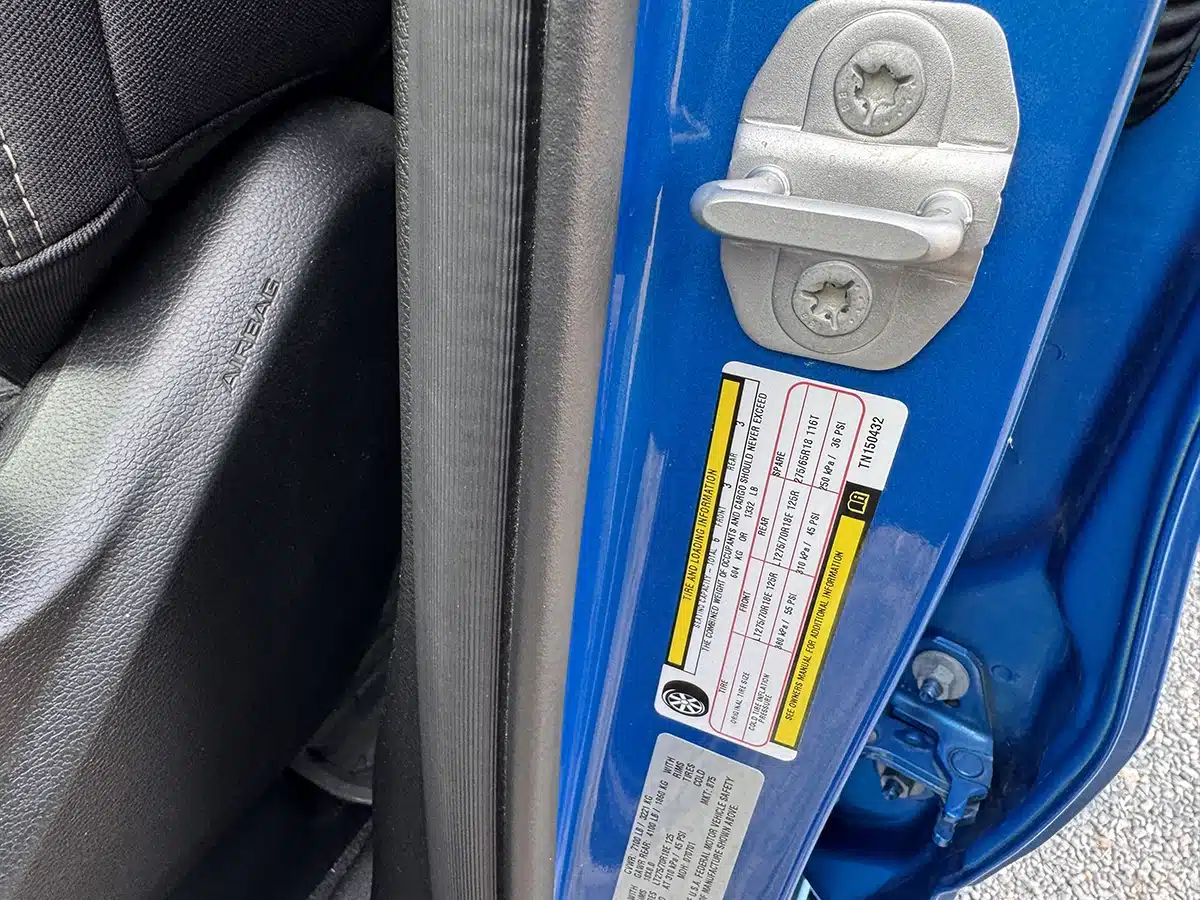
The numbers tell an interesting story. The F-150 offers higher payload capacity (around 1,771 lbs vs roughly 1,332 lbs in this Ram configuration), giving it the edge for hauling heavier loads. Safety features matter, especially for drivers who want better protection after a truck accident in Conway.
But value is where Ram punches back hard. The Ram Tradesman tested here comes in around $60,000, while the F-150 Lariat pushes closer to $80,000 in today’s market out-the-door price. That’s a significant $20,000 gap, money that can easily justify stepping up trims or adding options on the Ram side.
Ford delivers capability and features. Ram delivers a more approachable price point with competitive performance.
Ownership Experience: Reliability, Recalls, and That 10-Year Warranty
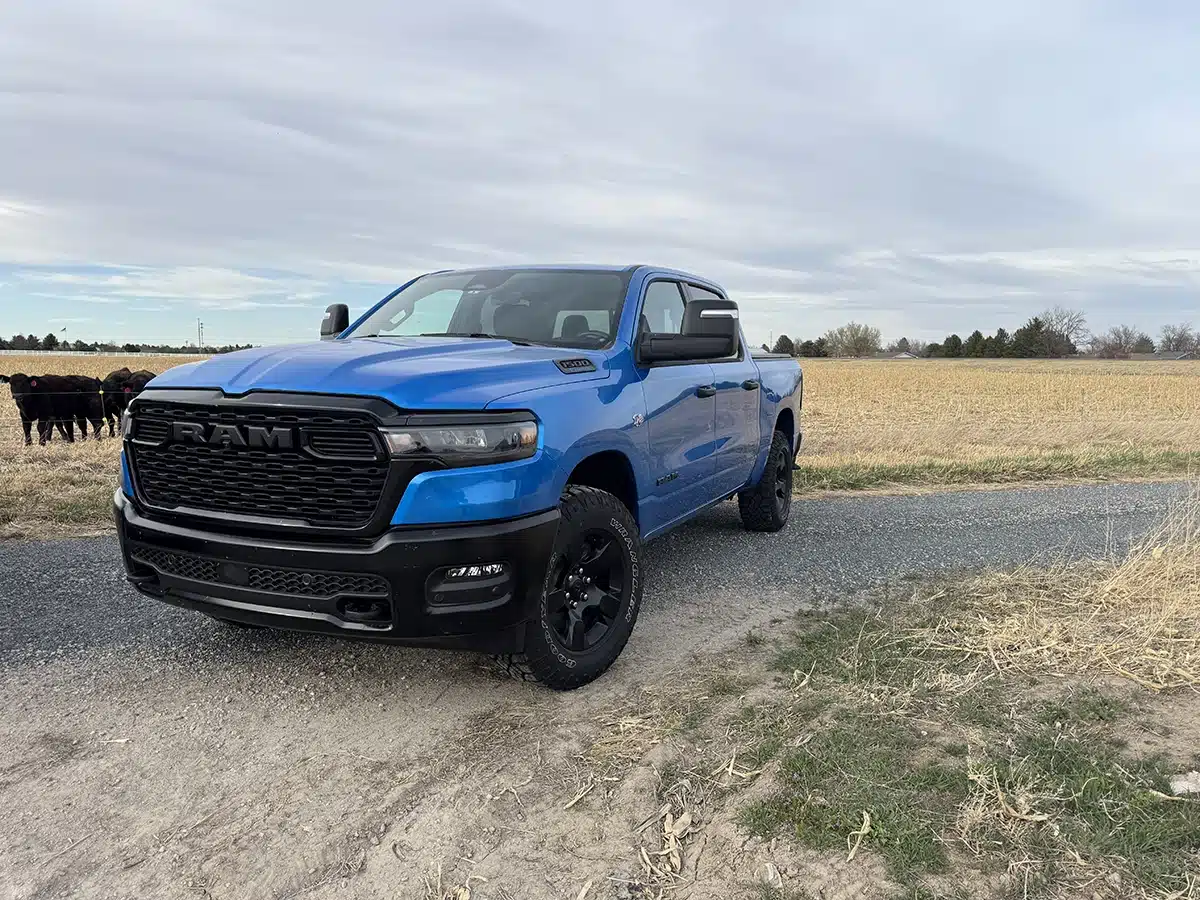
This is where the narrative has flipped. A decade ago, Ram trailed in quality. Today, it’s arguably the opposite. Ram has fewer headline-grabbing recalls recently, while Ford has dealt with a higher volume of issues across its lineup.
Ram strengthens its position further with an industry-leading 10-year/100,000-mile powertrain warranty, a major differentiator for buyers concerned about long-term reliability especially with newer turbocharged engines entering the mix.
Ford still offers a broader range of powertrains, including the highly versatile PowerBoost hybrid, but Ram’s combination of improving reliability trends and extended warranty coverage adds real confidence for buyers.
Verdict: Which Truck Would You Take Home?
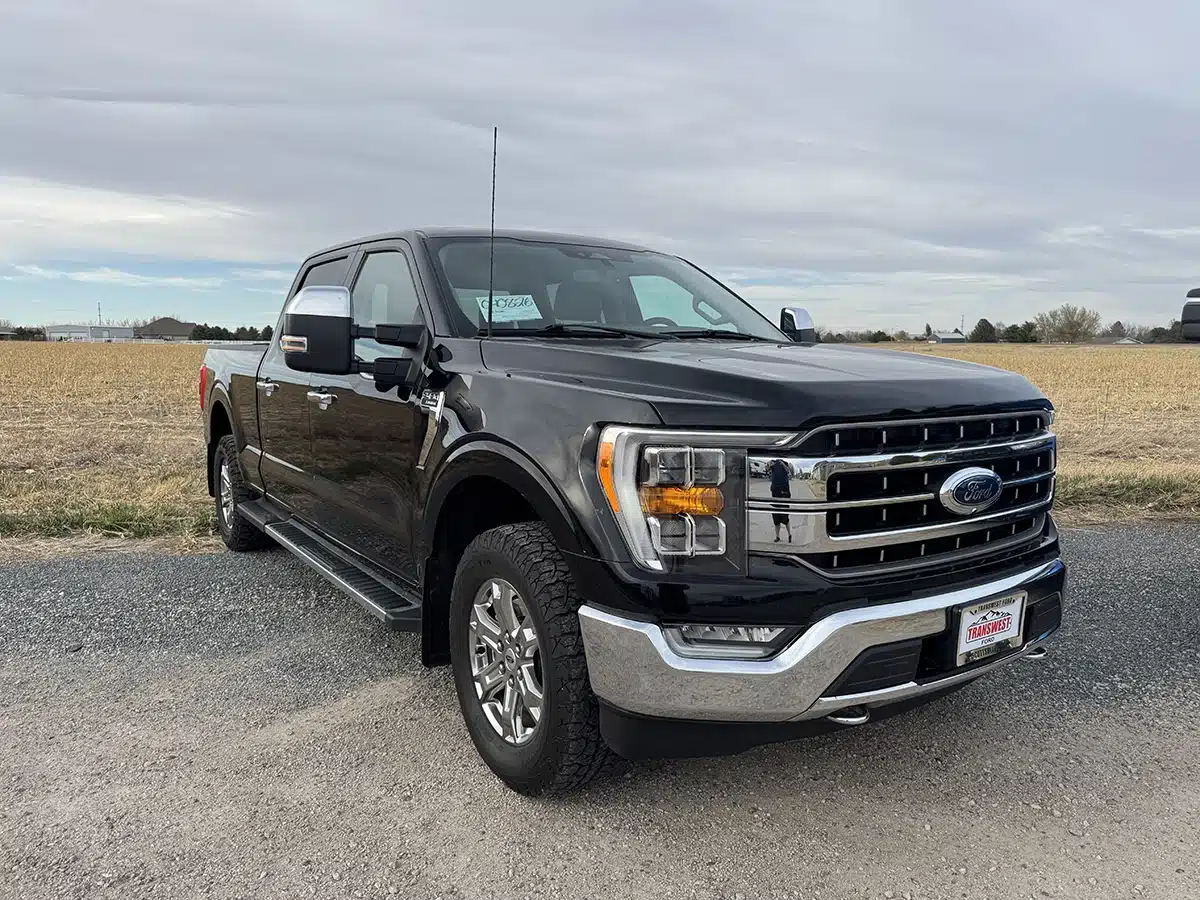
If your priority is maximum capability, cutting-edge features, and hybrid versatility, the Ford F-150 remains incredibly compelling.
But if you’re looking at overall value, cleaner reliability trends, strong engine options like the Hurricane, and the added security of a 10-year/100,000-mile warranty, the Ram 1500 makes a very strong case, arguably the strongest it has in years.
Right now, consumers are split online according to comments on our various videos, but that warranty is sure shifting the balance to Ram’s side.