
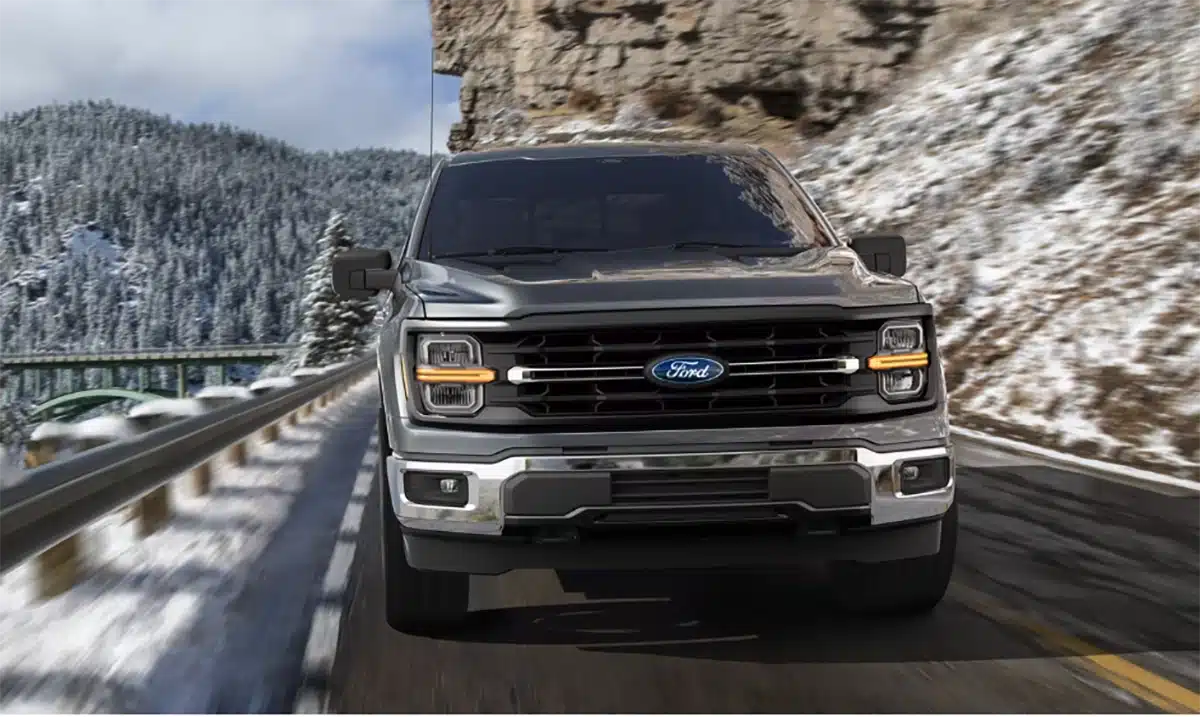
The 2026 Ford F-150 trucks will have a new, likely, unwelcome addition, for truck fans, a gasoline particulate filters in the exhaust system.
To understand how this change may affect performance, maintenance, and future upgrade options, a Ford dealer in Pennsylvania can provide detailed insights and help compare configurations across the updated F-150 lineup.
This gasoline particulate filter will be a part of the 3.5-liter V6 EcoBoost and PowerBoost engine offerings from the automaker and confirmed by the Dawn Mckenzie, Ford Trucks Communications Manager as well as several dealerships I reached out to for confirmation.
What is a Gasoline Particulate Filter?
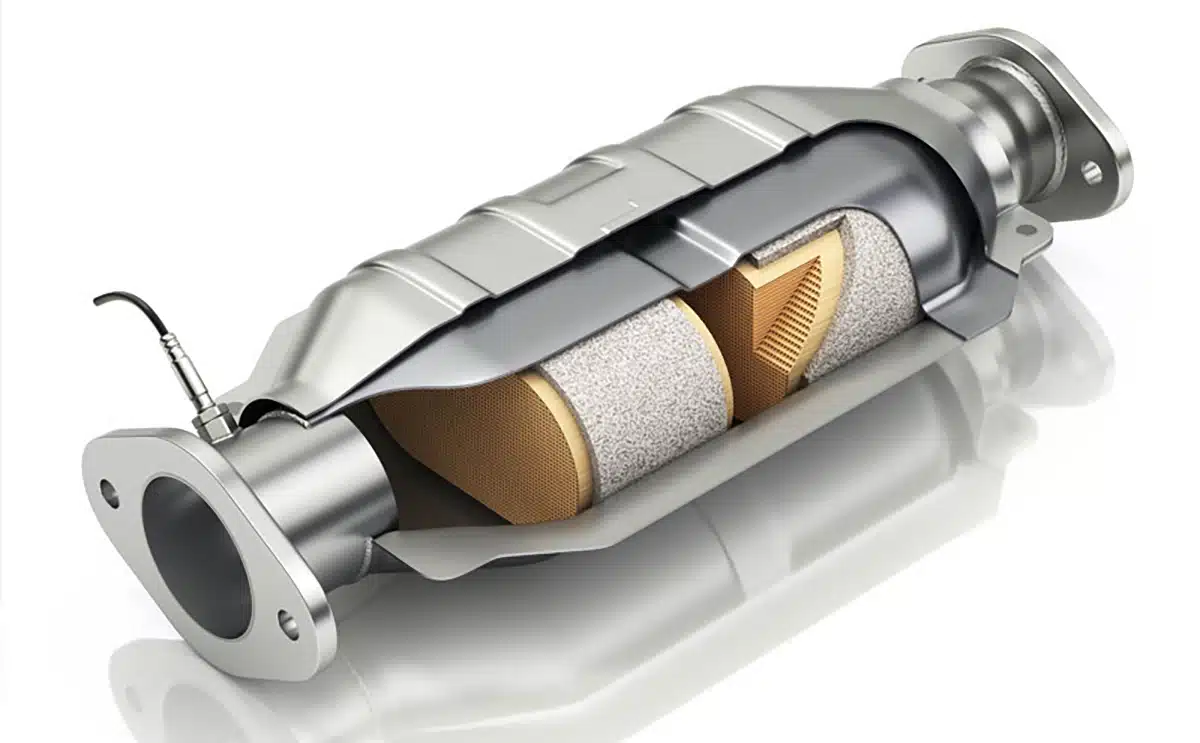
A gasoline particulate filter (GPF) is a type of filter used in the exhaust system to filter out the soot particles created when burning fuel the combustion chamber.
These have different names globally since they have been in use for over a decade in Europe and other countries. For example, some people call them Petrol Particulate Filters replacing the term gasoline with their terminology of petrol or the Otto particulate filter in reference to the Otto engines in Germany.
They all work the same by forcing exhaust gases through the porous walls of a ceramic substrate, which captures most of the soot created during combustion. Manufacturers can adjust the porosity of the substrate to balance filtration efficiency with exhaust back pressure. These substrates are typically coated with a washcoat similar to the three-way catalyst (TWC) found on virtually all modern gasoline vehicles.
Because a GPF is a filter, it must periodically clean itself through a process known as regeneration. During regeneration, the captured soot is oxidized into carbon dioxide (CO₂). Gasoline engines generate far less soot than diesels, so the soot buildup—and therefore the need for regeneration—is much lower. In many cases, depending on driving conditions, the process may occur passively or even be unnecessary.
Soot oxidation occurs when exhaust temperatures exceed about 600°C, a temperature commonly reached in gasoline engines. Unlike diesels, gasoline engines have little oxygen in their exhaust stream, so most soot oxidation happens passively during deceleration when fuel cutoff introduces oxygen. At that point, the combination of heat and oxygen burns off the soot naturally. Automakers will still include an active regeneration strategy, but it will likely be rare—used mainly under conditions such as prolonged low-speed driving in cold weather. Active regeneration must also be limited, since running the engine lean to burn soot can temporarily increase NOx emissions, while reducing NOx requires a richer air-fuel mixture for the TWC to function properly.
Diesel engines, by contrast, require active regeneration more frequently. Their systems raise exhaust temperature to around 600°C by injecting extra fuel into the exhaust, which burns in the diesel oxidation catalyst upstream of the Diesel Particulate Filter (DPF). This added heat burns off accumulated soot.
The use of GPFs will also influence oil formulations. Automakers are expected to specify low-SAPS (sulfated ash, phosphorus, and sulfur) engine oils to prevent premature clogging. Unlike soot, SAPS residues cannot be burned off during regeneration and can accumulate inside the filter. However, with proper control of oil consumption and correct GPF sizing, clogging from low-SAPS oils should remain minimal.
Do they actually work?
The second question, and obvious question is: do these GPFs actually work?
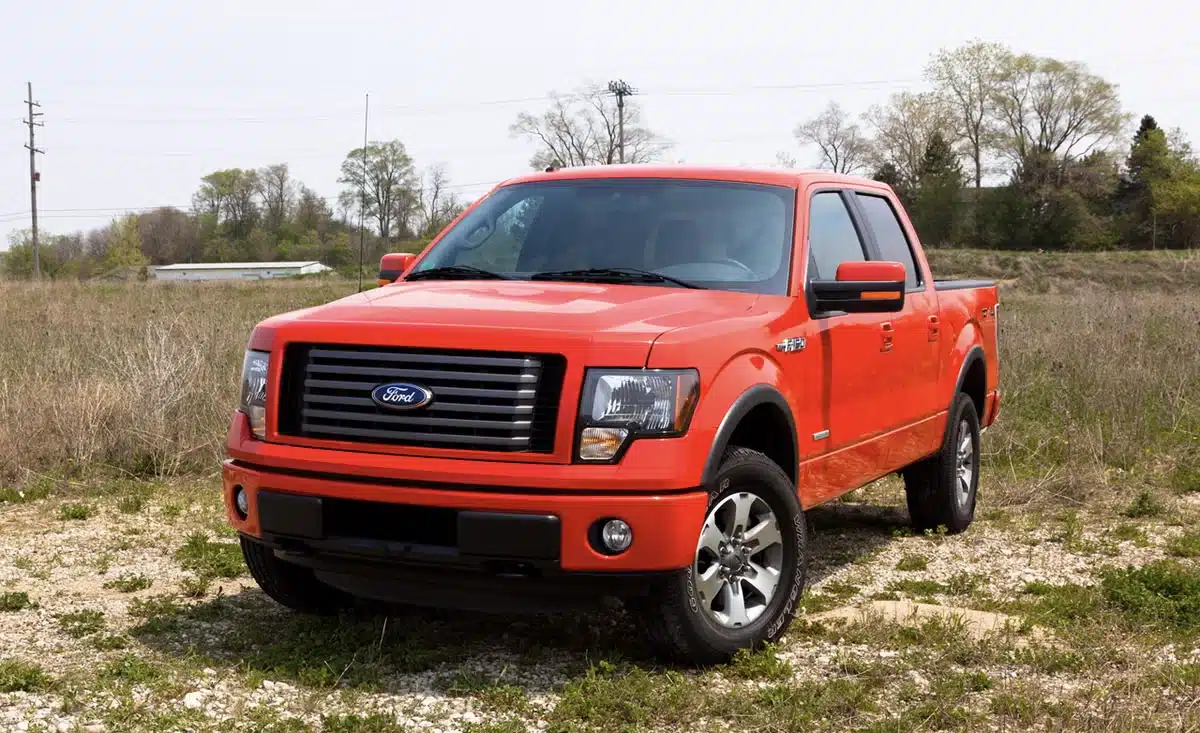
A recent study, by the National Health Institute, was conducted to see just how effective GPFs are in reducing particulate matter coming out of the exhaust of a Ford F-150 in a lab. Researchers used a 2011 Ford F-150 EcoBoost. This work was published in February 2023.
According to researchers, the ran the truck in four sets of sampling cycles at different speeds with three different regeneration cycles. This was meant to mimic real-life conditions with a warm-up period, cruise control at highway speeds, declaration and rapid acceleration. They also had the truck sit overnight and repeated the test several times.
The net result was the GPF reduces PM by 98–99% during the various cycles.
What other trucks will have GPFs in 2026?
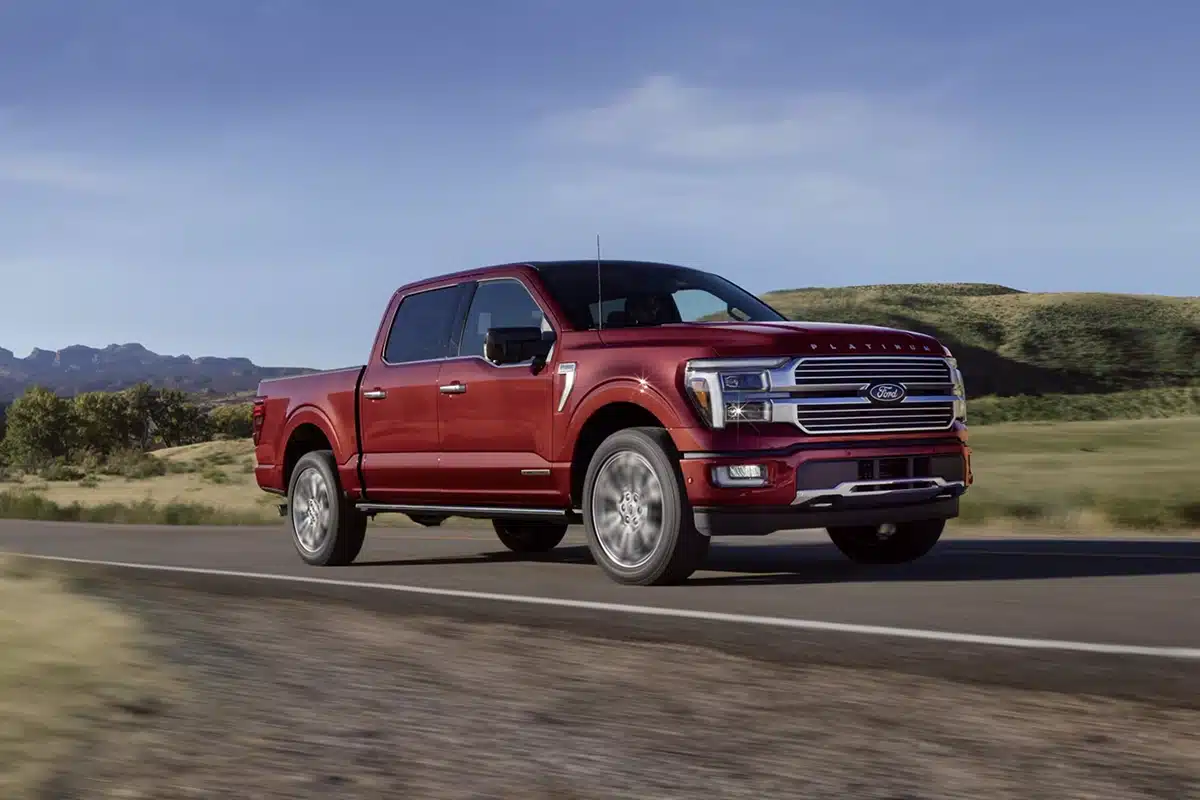
I reached out to GM, Ram and Toyota to inquire if their turbocharged engines will have gasoline particulate filters in the 2026 and they all said no.
This leaves the door open for 2027 though since the 2026 models are Level 3 complaint and Level 4 doesn’t start until next year. More on that later.
And interestingly, they all replied back about their turbocharged offerings. So far, the V8 engines don’t have gasoline particulate filters.
Why they are needed?

Starting with the 2027 emissions rules, sources told us the focus is on the reduction of “criteria pollutants.”
These are the compounds that contribute to smog and respiratory illnesses. While diesel vehicles have long relied on particulate filters, applying similar technology to gasoline engines represents a significant new step for U.S. automakers as we covered before.
GPFs will be required to meet a very stringent mass-based PM emission standard of 0.5 mg/mi for both light- and medium-duty (Class 2b/3) vehicles. The standard must be met across three test cycles, including low temperature (-7°C) FTP, ambient temperature (25°C) FTP, and US06.
This is part of the Level 4 changes for the air quality standards that include many other changes for emissions including longer life requirements for rating trucks and mandating longer life periods for diesel emissions equipment as well as making it more difficult to tamper with removing emissions equipment.
Why is Ford adding them now?
The 2026 Ford F-150 is adding the gasoline particulate filters now instead of waiting until next year likely due to production plans put in place years ago.
Ford was supposed to release the 2026 model as an all-new F-150 and they had suppliers lined up ready to move forward with this plan. However, economic uncertainty caused this plan to be pushed back a year to 2027. With the gasoline particulate filters already ordered and the nature of the change being just adding them to the exhaust system, it will likely decided to move forward with adding them.
Controversy over Reliability, Horsepower Losses
Critics point to past issues with diesel particulate filters causing reliability problems and see the same pattern playing out with GPFs.
They are also concerned with the loss of performance they see directed attributed to the GPFs.
For example, the 2026 Ford F-150 EcoBoost and Powerboost engines have a reduction in horsepower.
The 2026 3.5L EcoBoost now produces 382 HP while the Powerboost produces 420 HP. In 2025, those engines produced 400 and 430 HP.
Torque numbers are the same at 500 lb-ft and 570 lb-ft of torque.
Can’t President Trump reverse rule?

Finally, with President Trump promising big changes at the EPA led by Lee Zeldin, why doesn’t the new administration just simply undo the Level 4 rule. This would eliminate the need for GPFs.
The short answer is no. Here are three examples.
First, Zeldin has launched a plan to reconsider the 2009 Endangerment finding focusing on Greenhouse Gas Emissions. This will take years to make it through Congress and the court systems. This plan will have no impact on gasoline particulate filters.
Second, he has also stated in a public document, they are not going to suggest any changes to the existing rules around emissions for “criteria pollutants” which include particulate matter and that is exactly what a GPF filters out.
Third, Zeldin made a big announcement this summer at the Iowa State Fair the EPA was going to help out farmers and small businesses by asking automakers and diesel engine builders to change the warning systems for diesel exhaust fluid (DEF) running low. This would let them operate machinery longer on empty basically. Diesel fans were disappointed by this news because they want DEF to go away completely not a better warning system when you are running low. With Zeldin not moving to eliminate DEF completely, there’s no reason to assume he will eliminate GPFs.








2 replies
Loading new replies...
Administrator
Well-known member
Moderator
Join the full discussion at the Forum Pickuptrucktalk →