
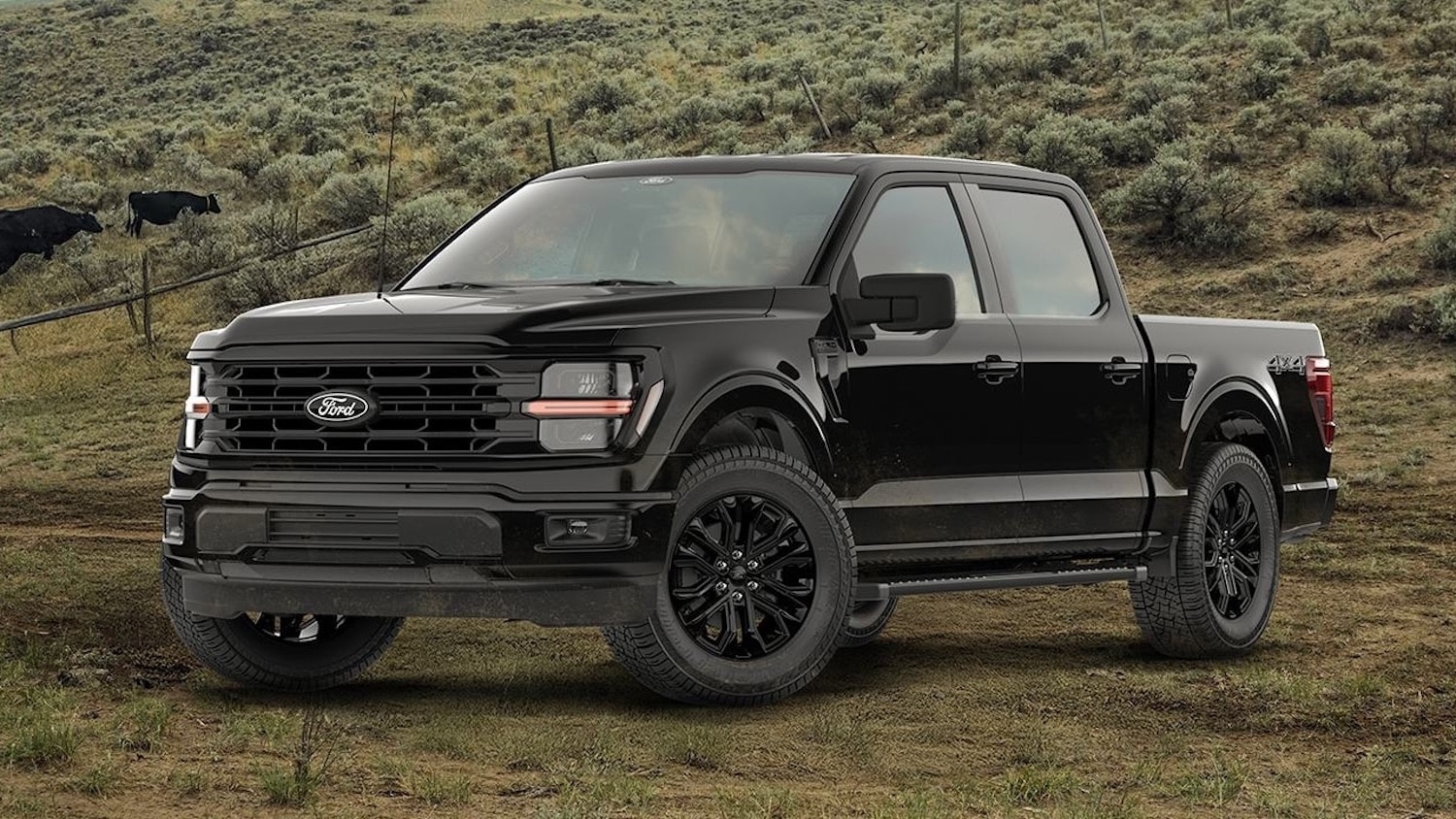
Imagine that the people at Ford woke up one morning, looked at the F-150, and said: “Yes, it is already enormous, powerful, and capable of dragging a small moon out of orbit, but what if it were also a hybrid?” And thus, we have the 2026 Ford F-150 XLT Hybrid.
The 2026 F-150 XLT Hybrid is the most convincing case yet that hybridization in trucks isn’t about being green. It’s about being better. Faster. Stronger. Smarter. It is a pickup that can tow your boat, power your job site, commute quietly, and still outrun your neighbor’s SUV to the end of the on-ramp. The F-150 XLT Hybrid is not the end of the pickup truck as we know it. It is the pickup truck finally admitting that brute force alone is no longer enough.
THE SIZE OF NEBRASKA
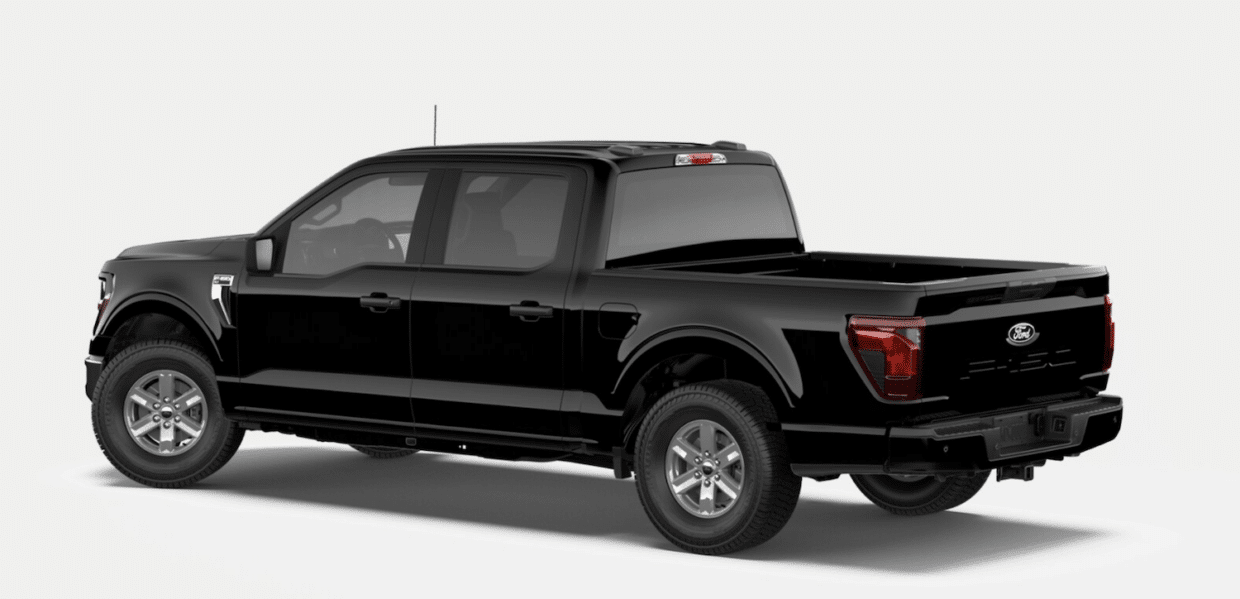
The F-150 XLT Hybrid is not a vehicle you approach. You negotiate with it. This thing is vast; wider than your ambitions, taller than your regrets, and long enough to require planning permits in some municipalities. But that pays dividends inside, where you have a choice of five- or six-passenger seating. But choosing the SuperCrew limits the bed length to either 5.5- or 6.5-feet.
And yet, Ford has somehow makes it look purposeful rather than ridiculous. The blacked-out grille is strong and purposeful, while the overall shape emits an aura of hard work and utility. There’s a classicism to its lines that seem to defy time, ensuring it will remain good looking as the years pass. Thankfully, the PowerBoost badging is discreet, because nothing ruins a truck’s credibility faster than shouting about its passionate environmental feelings.
INSIDE: TEXAS MEETS SILICON VALLEY
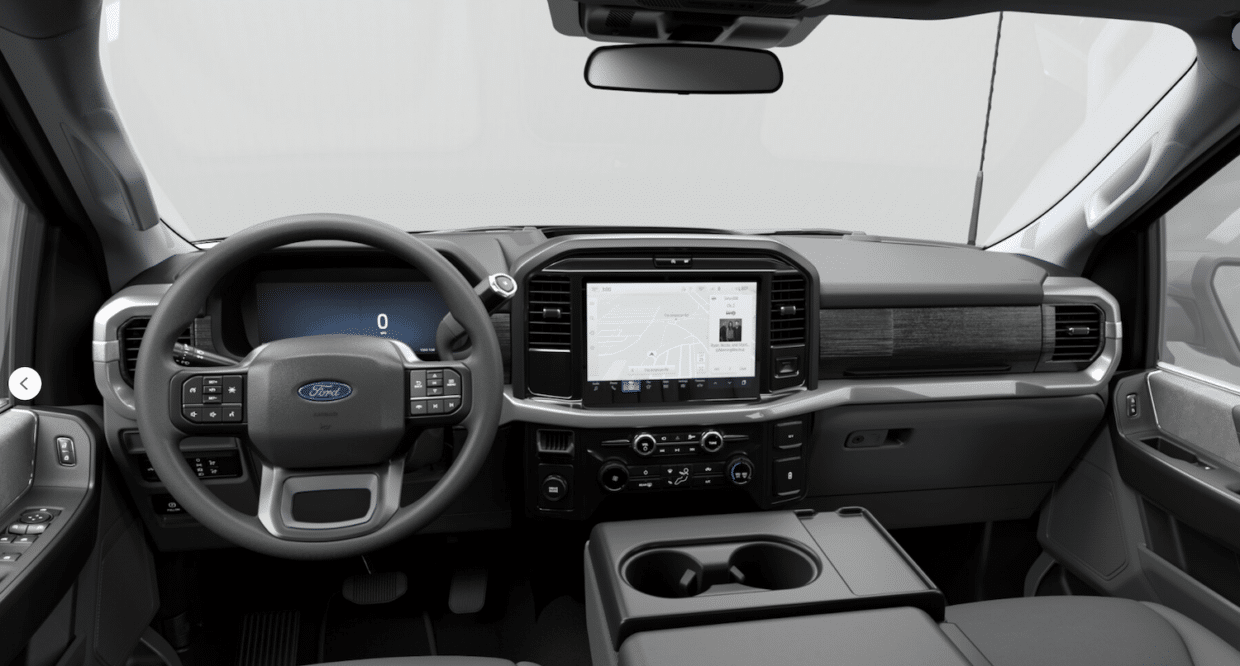
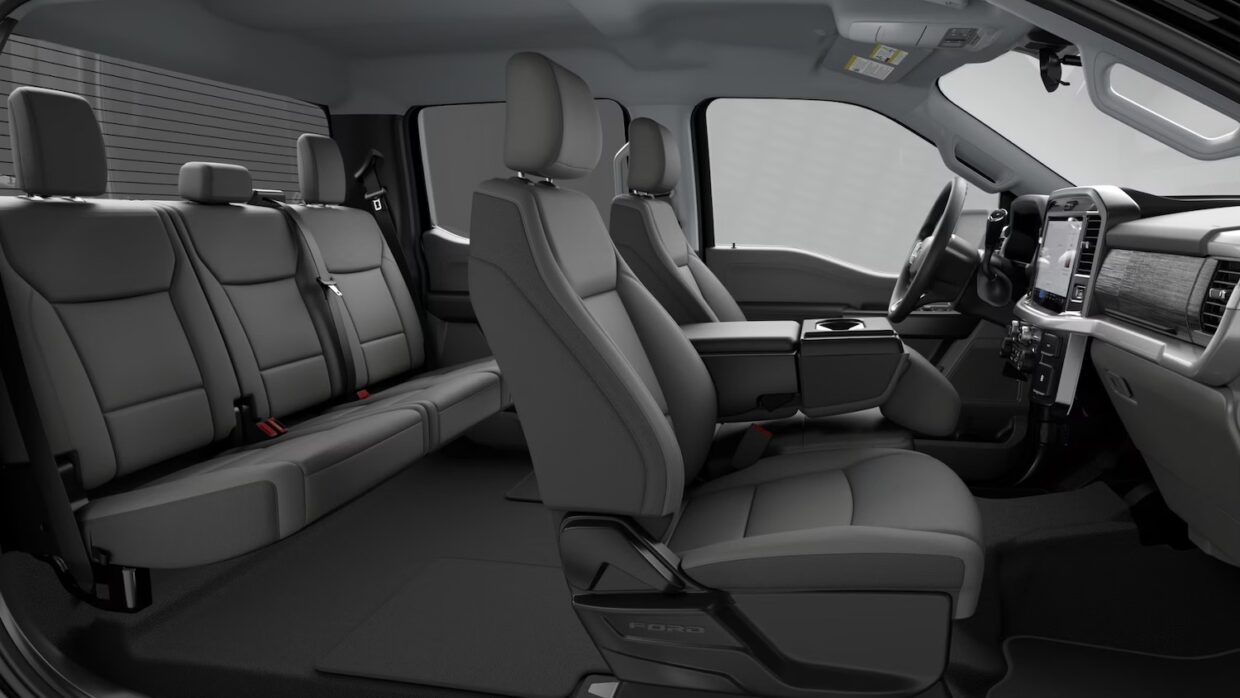
Climb inside, and climb is the correct word, and you’re greeted by an interior that feels like a luxury hotel lobby that accidentally swallowed a Home Depot. Overall ambience on the XLT seems functional and durable, lacking the unexpected poshness common to its competition.
The SuperCrew cabin is cavernous. There’s space for five adults, their luggage, a dog, and the emotional baggage of a midlife crisis. The seats are wide, soft, and comfortable enough to make you question why your sofa at home is such a disappointment. Thoughtfully, the transmission shifter folds, providing a large flat surface for those who use their truck as a mobile office. And thank goodness that someone at Ford still values physical buttons and knobs.
Ford’s screens are now the size of small televisions. The 12-inch infotainment touchscreen does everything except file your taxes, and thankfully it works without requiring a PhD in software engineering. Apple CarPlay, Android Auto and a Wi-Fi hotspot come standard. Navigation, satellite radio, and a Bang & Olufsen stereo system are optional.
FUEL ECONOMY: A SMALL MIRACLE
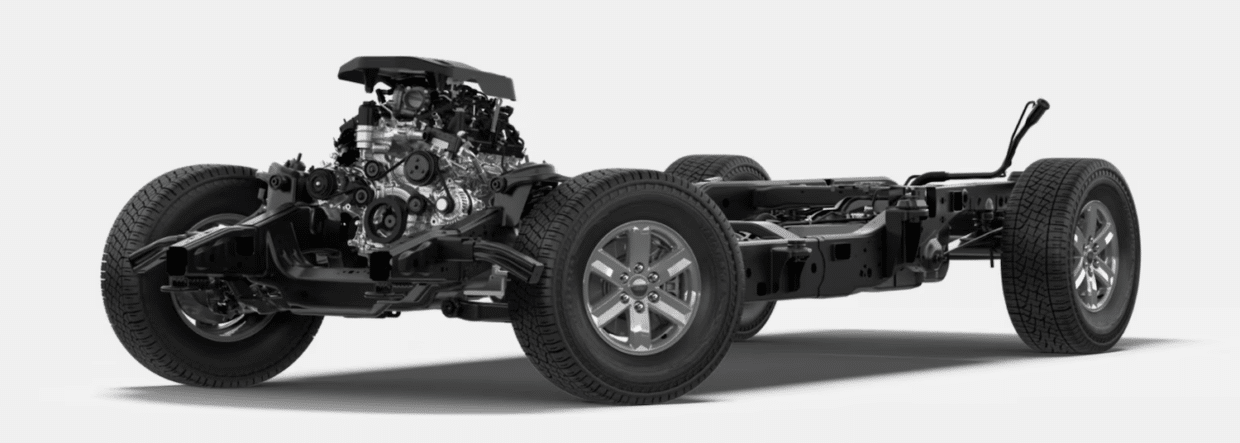
Under the hood resides a 3.5-liter twin-turbo V6 bolted to a 47-hp electric motor, battery pack and 10-speed automatic transmission in what Ford calls a full hybrid. Output is a muscular 430 horsepower and 570 lb-ft of torque, which means it pulls like an angry god. Press the throttle and the F-150 doesn’t so much accelerate as rearrange the landscape. Overtaking is immediate, effortless, and faintly hilarious given that you’re driving something roughly the size of a bungalow.
The hybrid system doesn’t make this truck feel delicate or eco-precious. There’s no hair-shirt sacrifice here. Instead, the electric motor smooths everything out, fills torque gaps, and occasionally allows you to glide silently through a parking lot like a guilty rhinoceros.
Here’s the shocker: for something this large, heavy, and unapologetically American, the PowerBoost is… reasonable on fuel. No, it won’t sip like a Prius, but compared to the old V8 trucks that drank fuel like sailors on shore leave, this feels like progress. Fuel economy is EPA-rated at 23 mpg in combined city/highway driving.
4X4 AND WORK STUFF
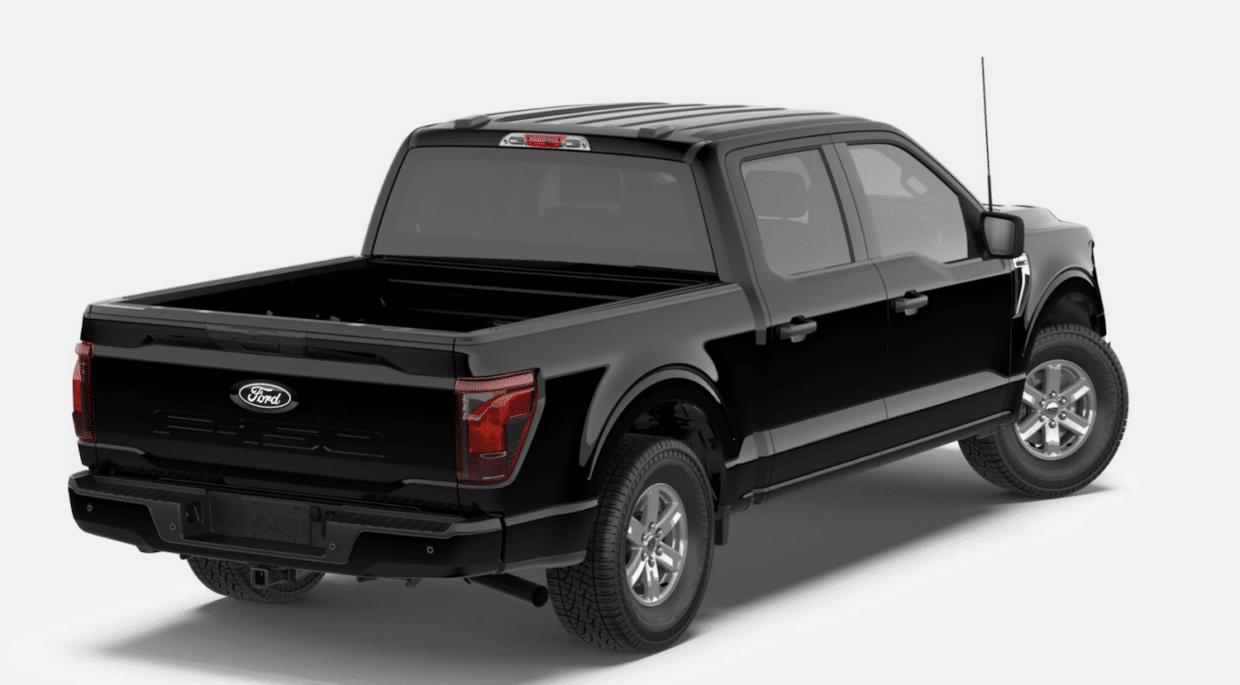
This is still, fundamentally, a truck. Engage four-wheel drive, point it at mud, snow, rocks, or the general concept of difficulty, and it just handles it. The suspension is tuned well enough that it doesn’t buck you into next week when unladen, yet it can still tow the sort of loads that would make a smaller vehicle simply give up and cry. Towing is rated at 11,200 pounds, while payload comes in at 1,815 pounds.
There’s also Ford’s optional onboard generator system, which adds four 120-volt outlets and a 240-volt outlet in the bed to power tools, camping gear, or an entire music festival directly from the truck. It’s a pickup that can literally keep the lights on, which can be useful in a worksite, a campsite, or an apocalypse.
WHAT’S IT LIKE TO LIVE WITH?
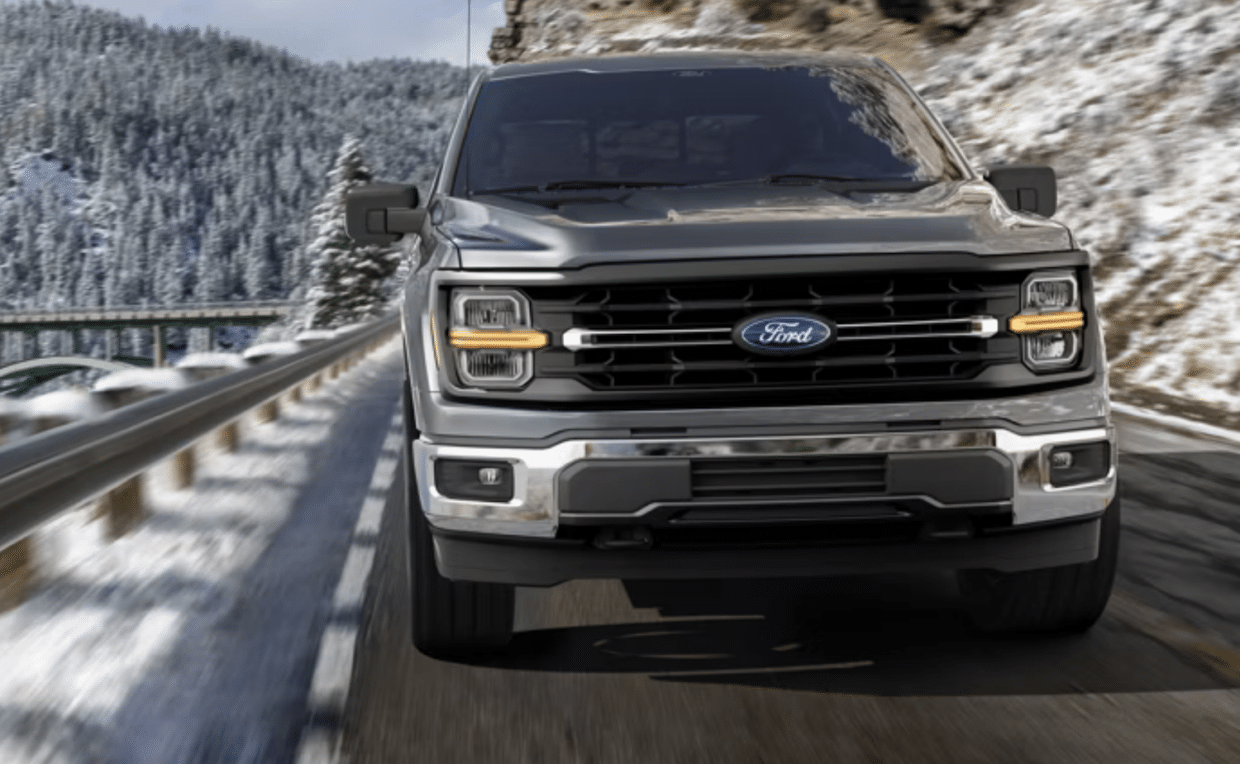
The steering is unusually honest, with none of the vague, wandering feel that normally comes with a pickup truck. Point it down the road and it actually goes there, which is a pleasant surprise. Even in corners, the F-150 resists leaning over like a tired bar patron, keeping body roll in check and making this tall, heavy beast feel improbably cooperative. The ride is pure pickup orthodoxy: firm, busy, and always eager to remind you that comfort was not invited to this engineering meeting.
Despite its size, the F-150 is surprisingly easy to drive. Visibility is excellent and cameras are everywhere. Is it too big for some parking spaces in America? Yes. But if you want something smaller, you’re missing the point.
Verdict
The 2026 Ford F-150 XLT Hybrid is a triumph of modern truck engineering. It’s fast, comfortable, immensely capable and not completely irresponsible. It’s the perfect symbol of modern America: enormous, powerful, and eager to prove that we can be environmentally responsible while still towing a boat the size of Rhode Island. It proves that electrification doesn’t have to mean joyless penance.