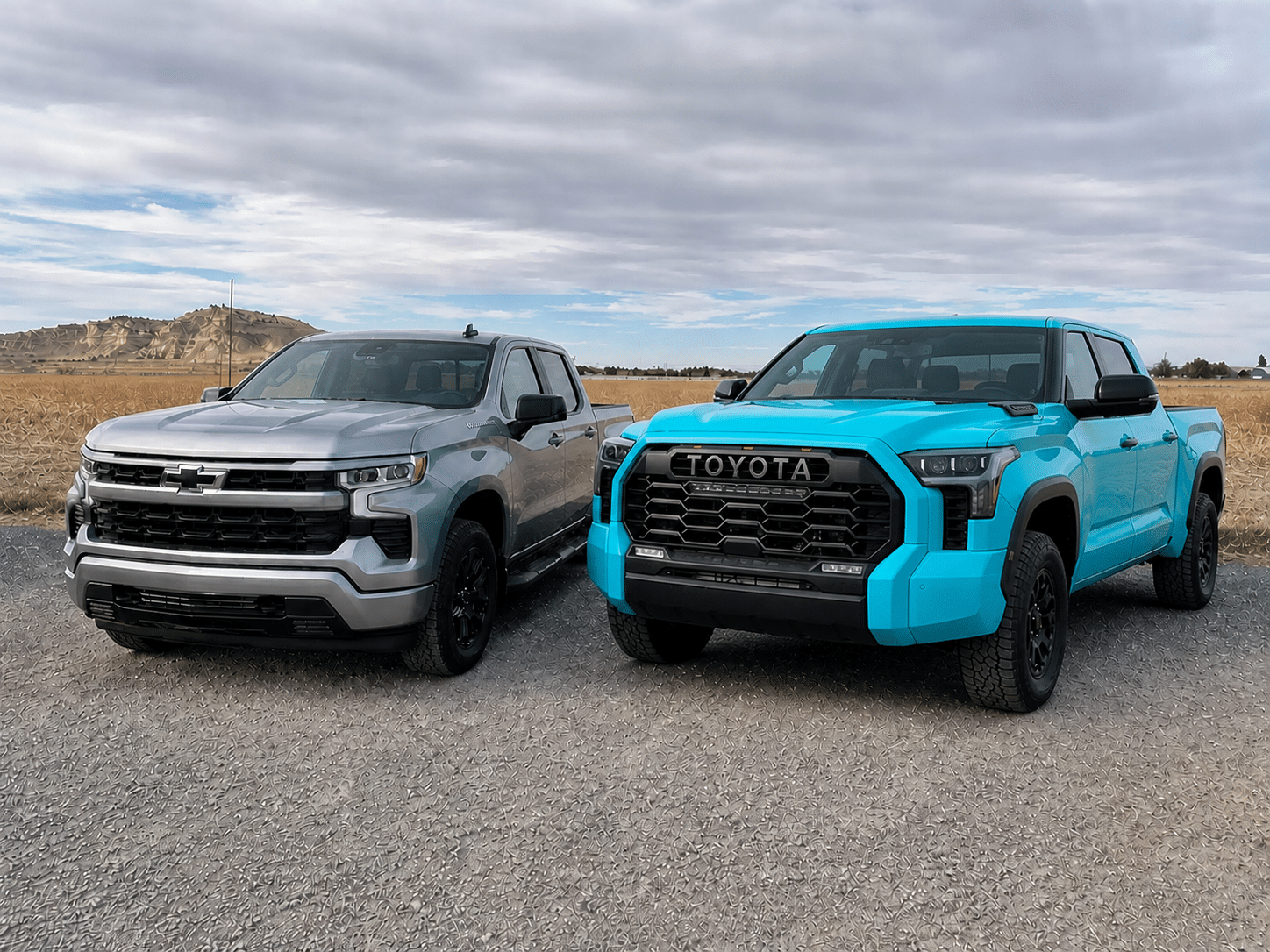
Pitting the 2026 Chevrolet Silverado 1500 vs 2026 Toyota Tundra represents two very different philosophies in the full-size truck segment, and those differences show up clearly in powertrains, technology, towing performance and long-term ownership expectations.
For this comparison, Chevrolet loaned us a 2026 Silverado 1500 SLT with the 2.7-liter four-cylinder TurboMax engine and Toyota loaned us a Tundra TRD PRO with the 3.4-liter iForce Max hybrid powertrain. However, I’ve personally owned and driven many of the other engines and trim levels throughout the last several years and I’ll reference that in this comparison.
Powertrain Choices Define the Experience
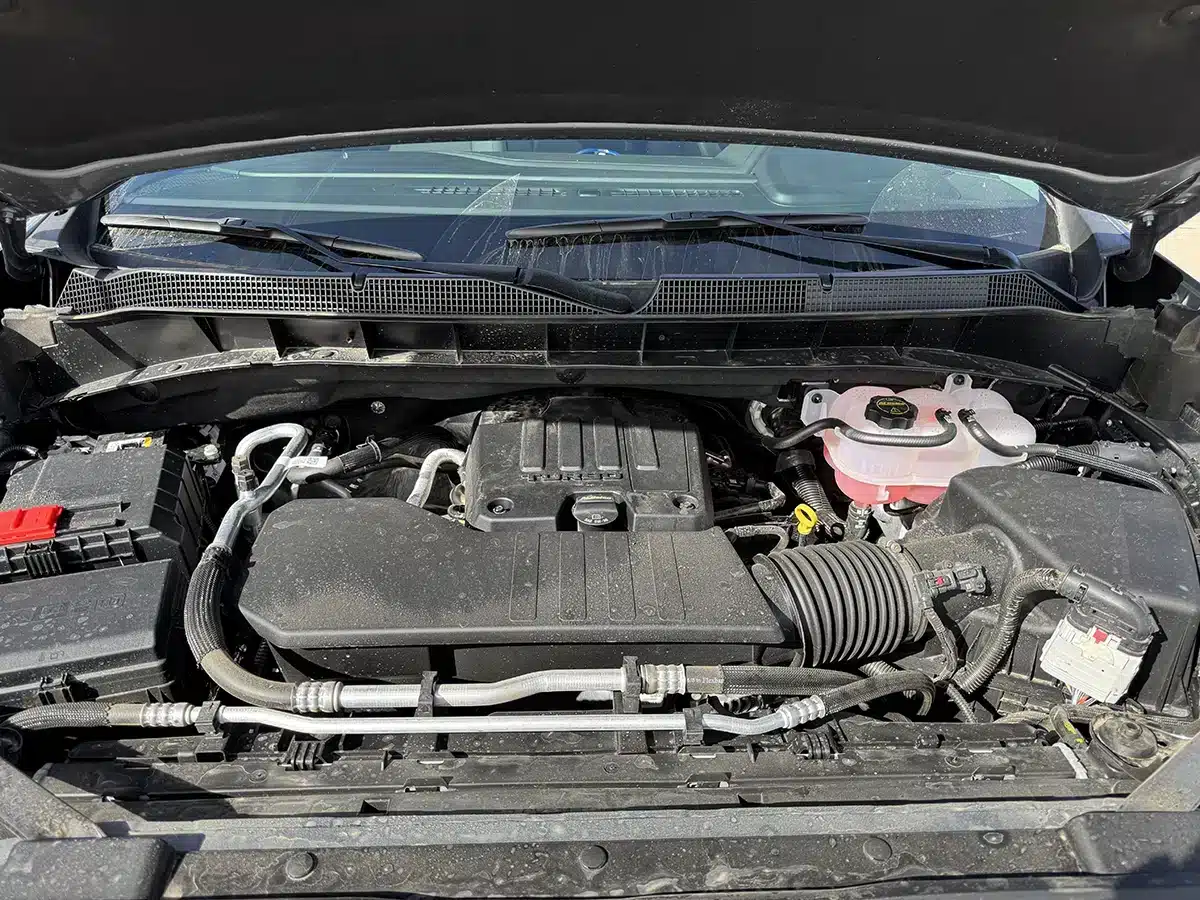
The biggest separation between these trucks starts with what’s under the hood and how each brand approaches the future of truck engines.
Chevy continues to offer one of the widest engine lineups in the segment, sticking with proven V8 power while adding a highly fuel efficient diesel and a peppy turbocharged four-cylinder. Toyota has gone the opposite direction, eliminating the V8 entirely and focusing on a twin-turbo V6 and hybrid system.
Engines Compared
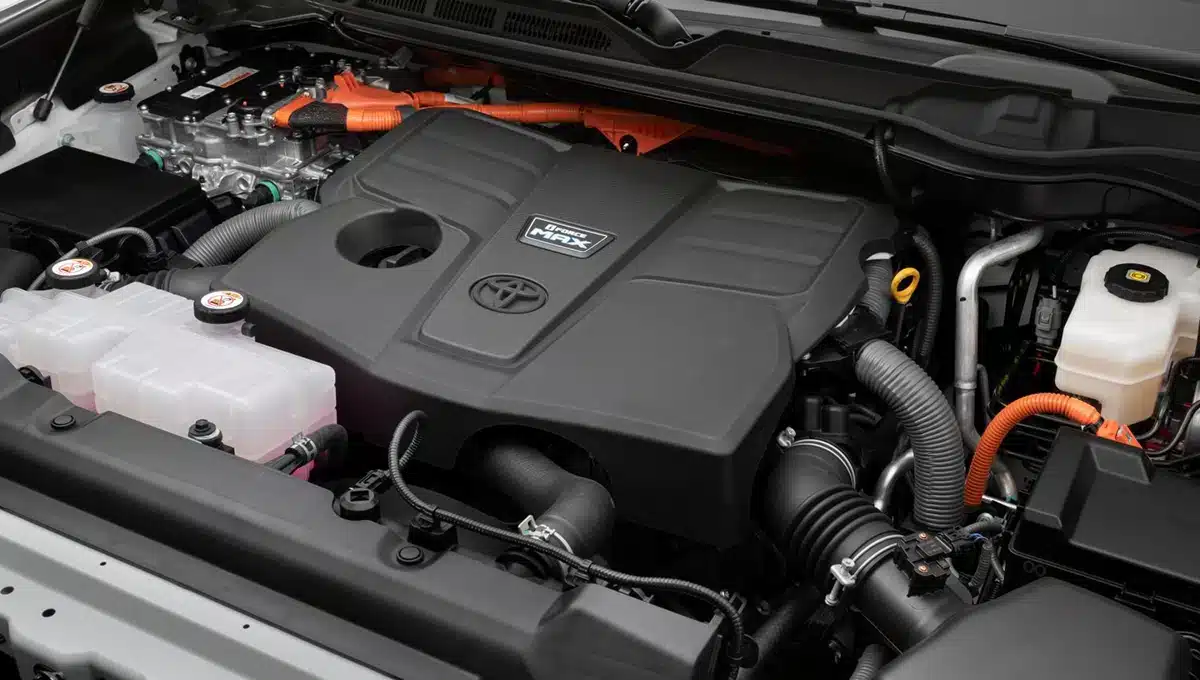
Here’s how the engines stack up:
| Truck | Engine | Horsepower | Torque |
|---|---|---|---|
| Chevy Silverado 1500 | 2.7L TurboMax I4 | 310 hp | 430 lb-ft |
| Chevy Silverado 1500 | 5.3L V8 | 355 hp | 383 lb-ft |
| Chevy Silverado 1500 | 6.2L V8 | 420 hp | 460 lb-ft |
| Chevy Silverado 1500 | 3.0L Duramax Diesel | 305 hp | 495 lb-ft |
| Toyota Tundra | 3.4L Twin-Turbo V6 | 389 hp | 479 lb-ft |
| Toyota Tundra | i-FORCE MAX Hybrid | 437 hp | 583 lb-ft |
On paper, the Tundra hybrid dominates torque output, and that’s noticeable in daily driving and initial acceleration. However, Silverado counters with flexibility. Buyers can choose a traditional V8 for predictable towing power or a diesel for long-distance efficiency.
From a real-world standpoint, this is less about which is “better” and more about what kind of driving and towing you actually do.
Towing Performance and Real-World Capability
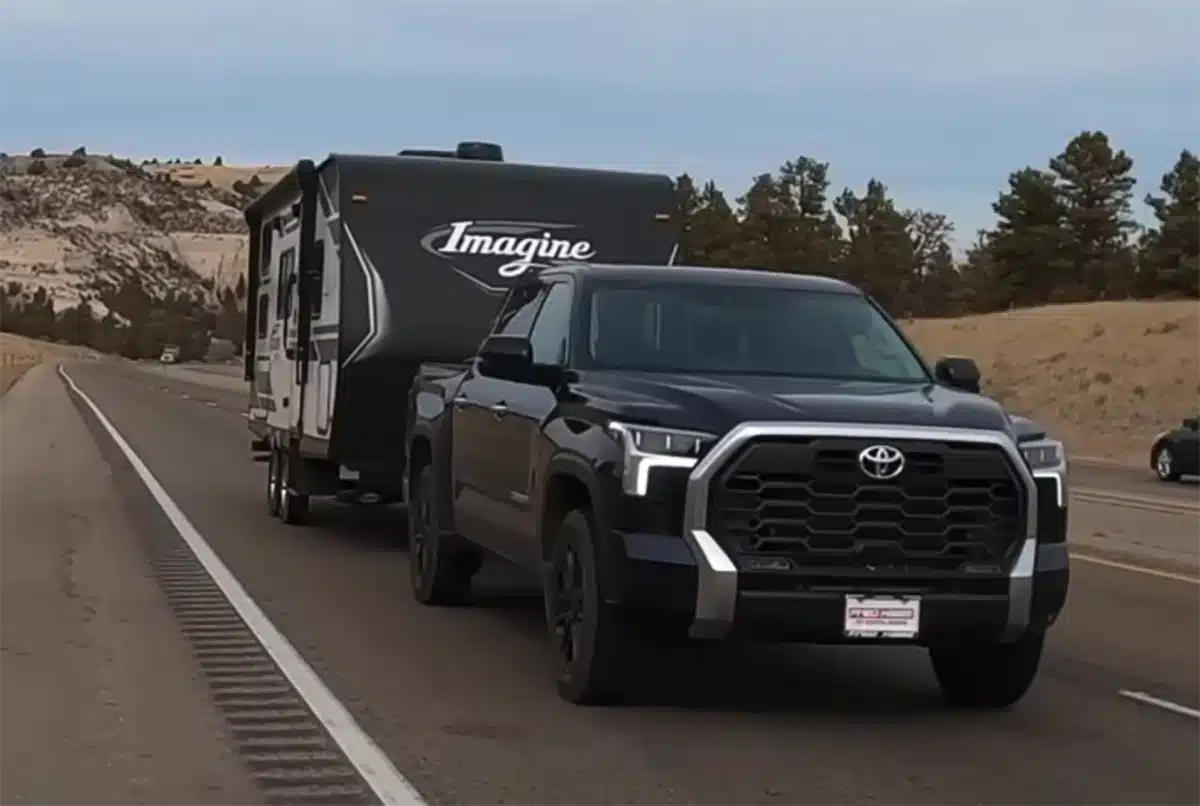
When you look strictly at maximum towing numbers, the Silverado still holds the advantage.
- Silverado max towing: up to 13,300 pounds
- Tundra max towing: up to 12,000 pounds
That gap becomes important for buyers towing larger campers or equipment regularly.
However, your real-world testing approach highlights the benefits of a hybrid and you can read all about how the various engines stack up in this full-size engine towing comparison. Torque delivery and power consistency matter just as much as peak numbers. The Tundra’s hybrid system delivers immediate torque, which helps with initial acceleration and merging while towing.
In contrast, the Silverado lineup allows you to tailor the experience:
- The 6.2L V8 provides strong, linear power under load
- The Duramax diesel excels at sustained highway towing and fuel efficiency
- The TurboMax engine offers surprising low-end torque for lighter trailers
In practical terms, the Tundra feels quicker and more responsive off the line, while the Silverado often feels more composed over long towing distances, especially with the diesel.
Driving Impressions and Daily Use
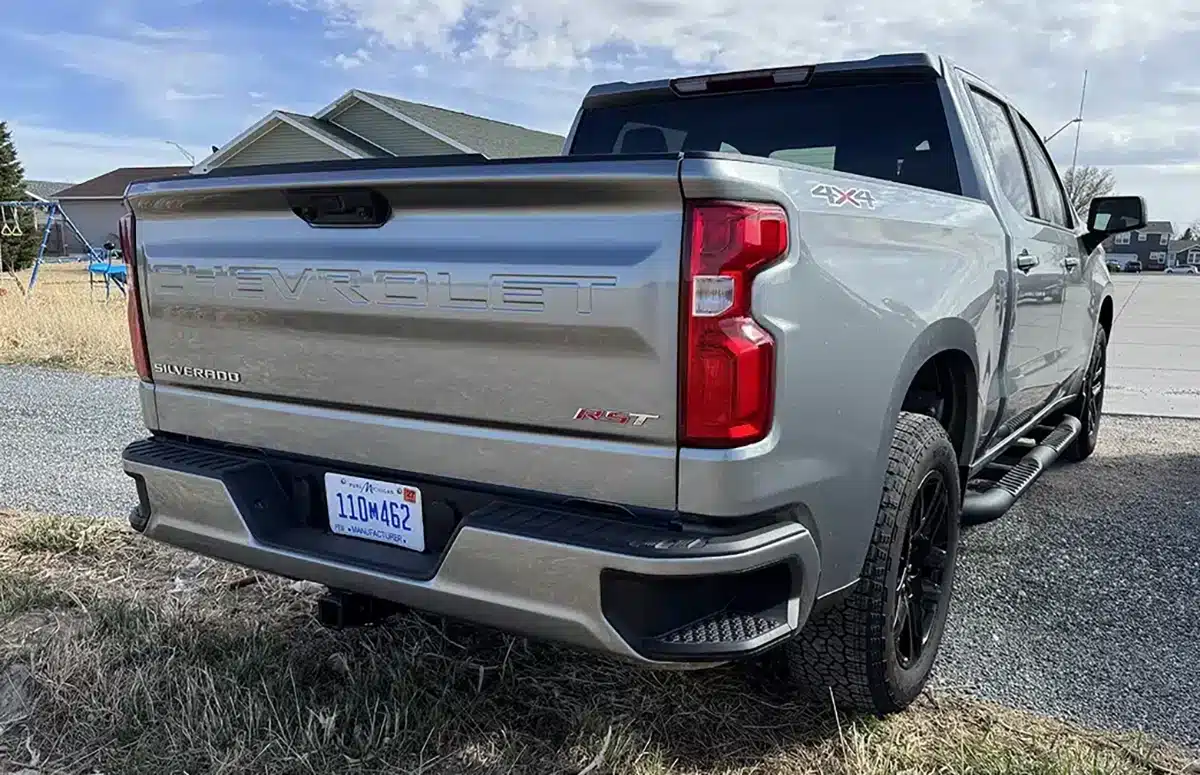
Driving these trucks back-to-back reveals how different their engineering philosophies are.
The Tundra feels more modern. The hybrid system smooths out power delivery, and the truck tends to feel quicker in everyday driving situations. It’s also more consistent across trims since the same core powertrain architecture is used throughout the lineup.
The Silverado feels more traditional, but that’s not a negative. The V8 engines deliver familiar throttle response, and the diesel provides a relaxed, low-RPM driving experience that works well for highway travel and towing.
Ride quality is another key difference:
- Tundra’s coil-spring rear suspension gives it a more SUV-like ride when unloaded
- Silverado’s setup feels more truck-like but remains stable under load
For buyers using their truck as a daily driver, the Tundra has an edge in refinement. For buyers prioritizing towing stability and long-distance hauling, Silverado still has a strong case.
Interior, Technology and Work Features
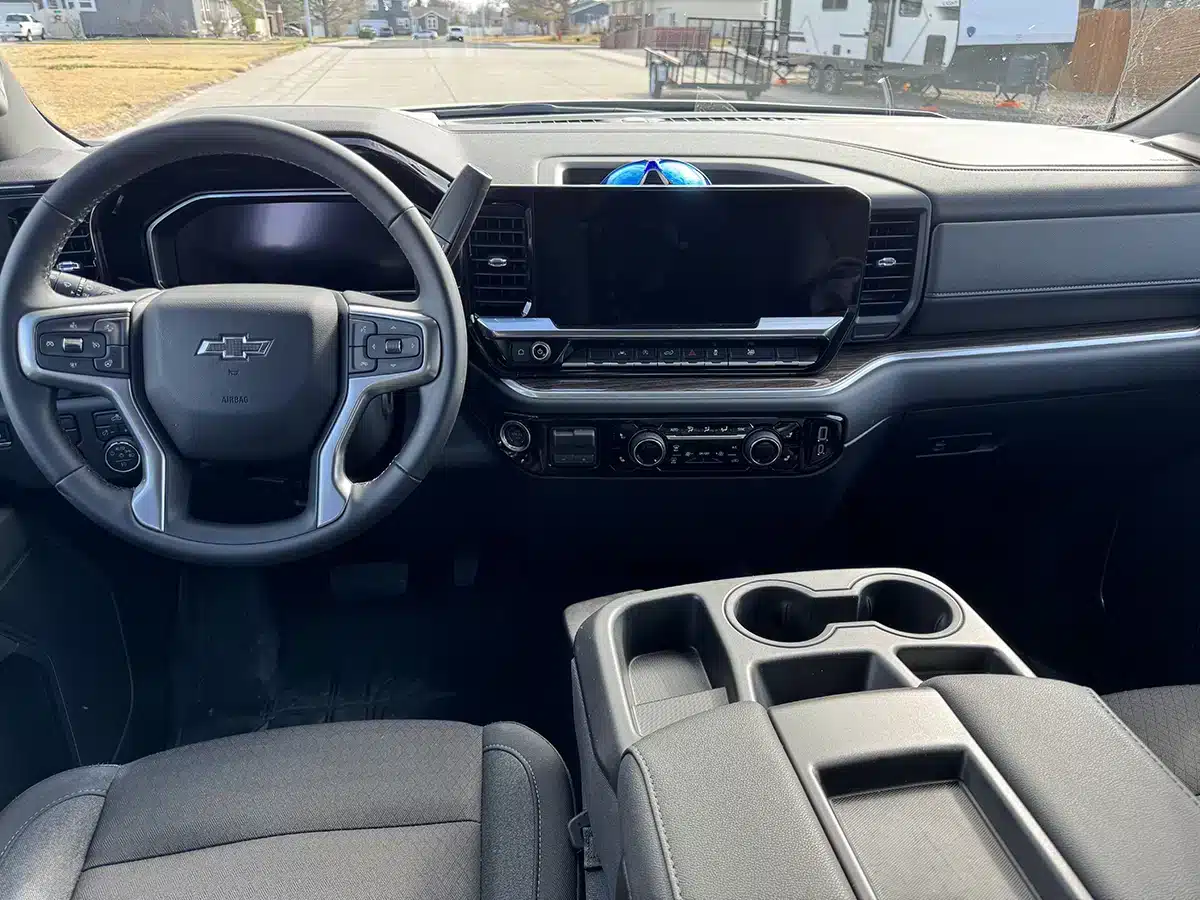
Inside, both trucks are competitive but take different approaches.
Silverado emphasizes functionality and configurability:
- Large available infotainment screens
- Extensive camera system for towing
- Multiple bed and work-focused features
Cabins Compared
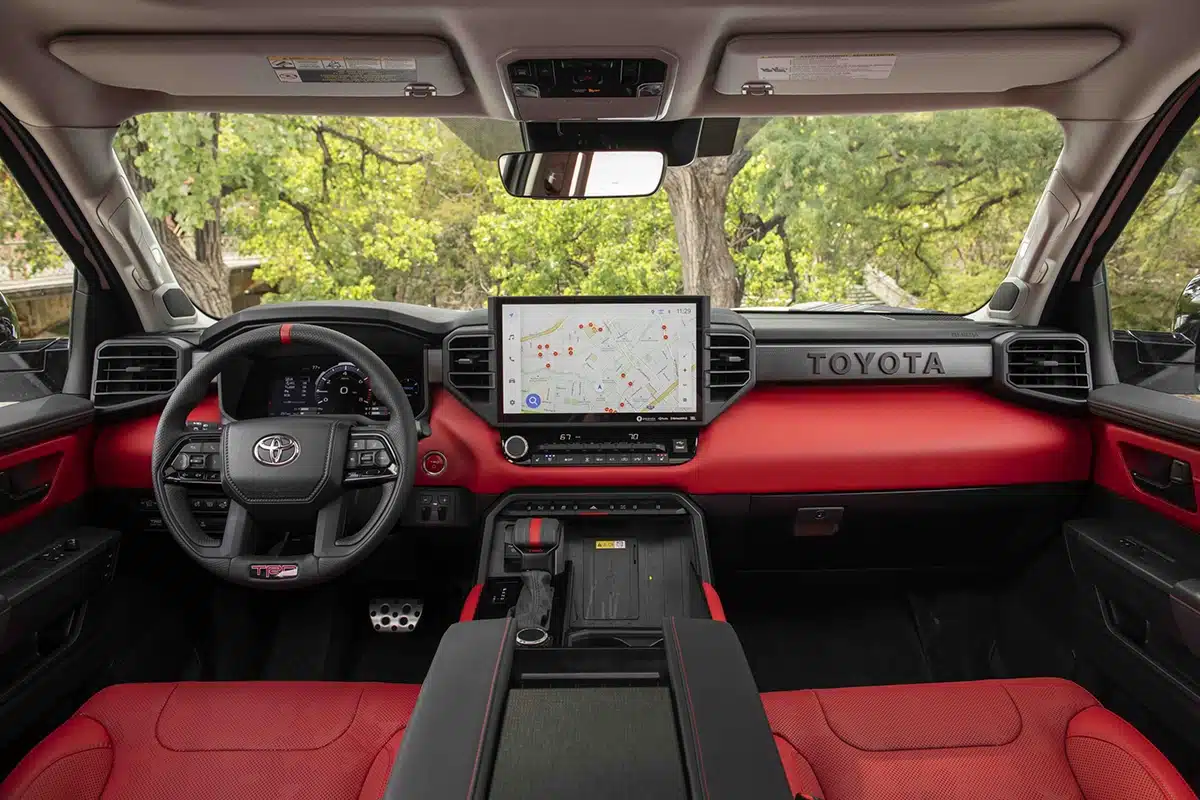
Tundra leans toward a less cohesive with the large screen sticking out and above the dash, modern interior:
- Clean layout with just one variation of a smaller screen between trims
- Frustrating at times user experience with infotainment system
- More consistent tech experience across the lineup
From a usability standpoint, Silverado’s advantage comes when towing or working. The available camera views and trailering tech provide more data and visibility, especially for larger trailers.
Tundra’s advantage is simplicity. They have less screens, no home page to scroll through for example and everything is front and center for the most part.
Known Problems and Reliability Considerations
I’ve covered many of the known problems with powertrains on both of these trucks and if you haven’t read the two different posts, here is a quick synopsis.
The 2023–2025 Chevy Silverado 1500 known problems highlights several recurring concerns:
- 6.2L V8 engine failure reports
- Lifter issues tied to AFM/DFM systems
- Ongoing complaints around the 10-speed transmission behavior
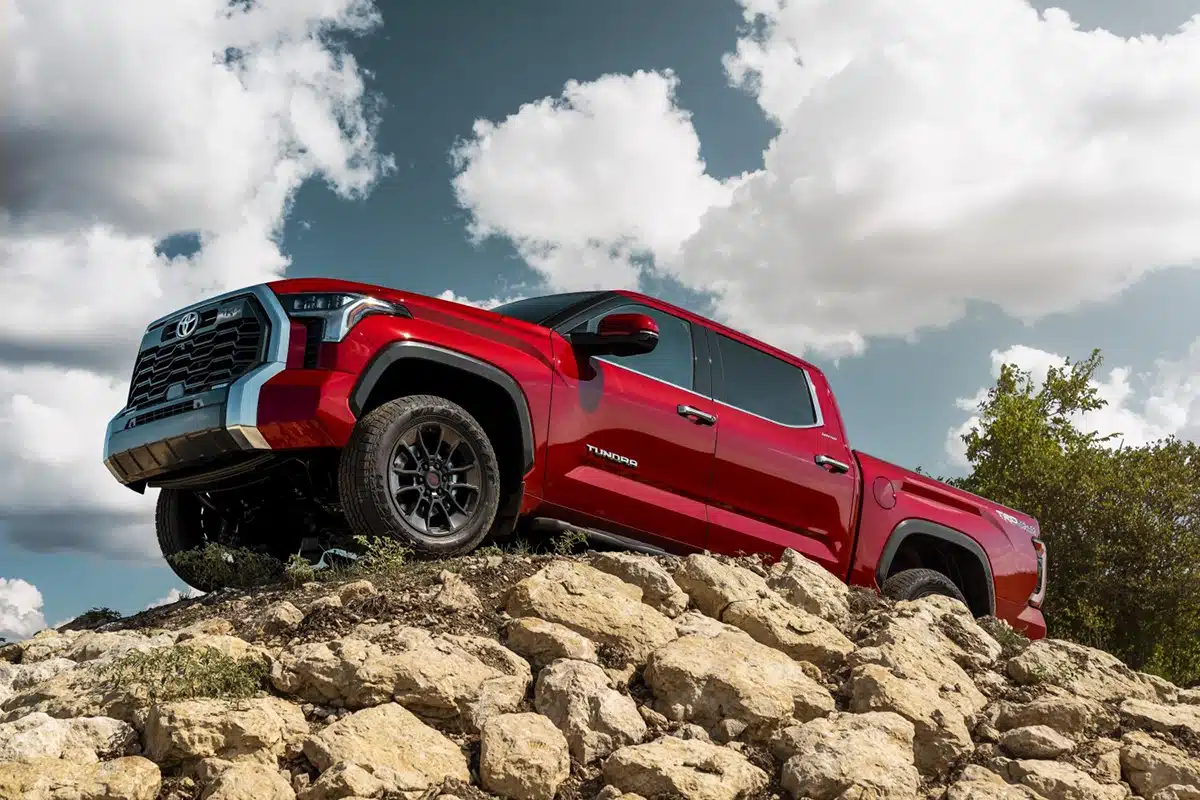
On the Toyota side, 2021–2026 Toyota Tundra known problems point to a different set of issues:
- Throttle lag complaints, especially in early model years
- Turbo-related concerns and calibration issues
- Mixed feedback on hybrid system drivability
What stands out is the difference in complexity versus consistency.
Silverado’s wide range of engines gives buyers more choice, but it also introduces more variables in long-term reliability. Tundra’s simplified lineup reduces that variability, though it introduces newer technology that has been anything but a big question mark so far with a final remedy for an engine problem getting postponed again recently.
Which Truck Makes More Sense?
The answer depends on how you plan to use your truck.
The Silverado is the better choice if you:
- Need maximum towing capacity
- Want a V8 or diesel option
- Prefer tailoring a truck to a specific job
The Tundra is the better choice if you:
- Want strong hybrid torque and quick acceleration
- Value a simpler engine lineup
- Prioritize a more refined daily driving experience
Ultimately, this comparison comes down to philosophy. The Silverado is about giving buyers options and maximum capability. The Tundra is about simplifying the lineup while delivering modern performance through turbocharging and hybrid technology.
Neither approach is wrong, but they lead to very different ownership experiences depending on how you use your truck.