
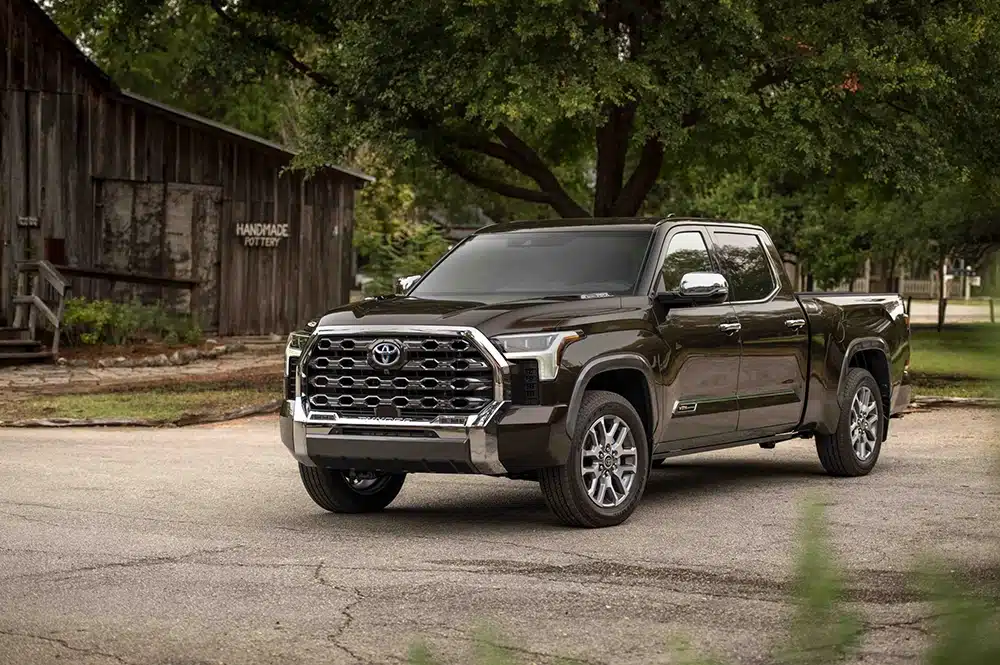
Toyota’s reputation for quality continues taking hits as the automaker has for the second time in four years forced owners of more than 125,000 late model Toyota Tundras and Lexus GX and LX SUVs to wait for a solution to the Toyota Tundra engine recall debacle.
Longtime Toyota Tundra engine recall problem
This can get a bit confusing, so stay with us here.
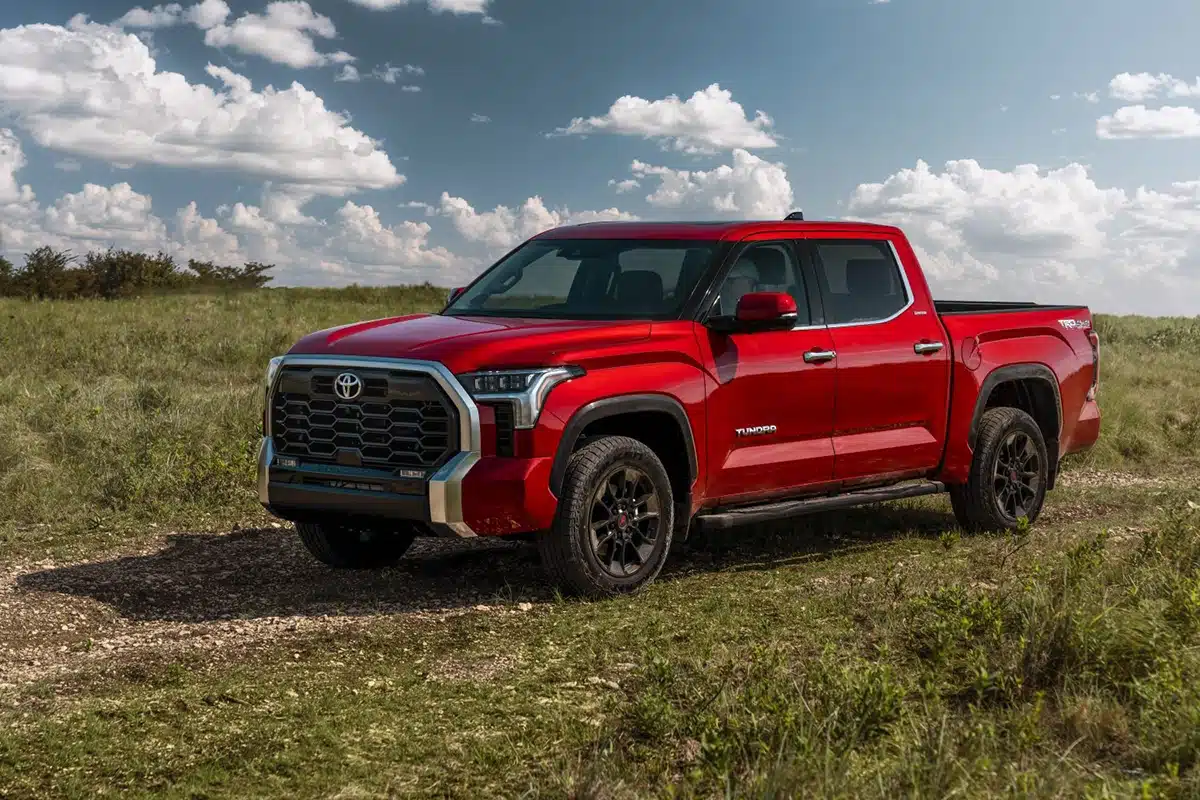
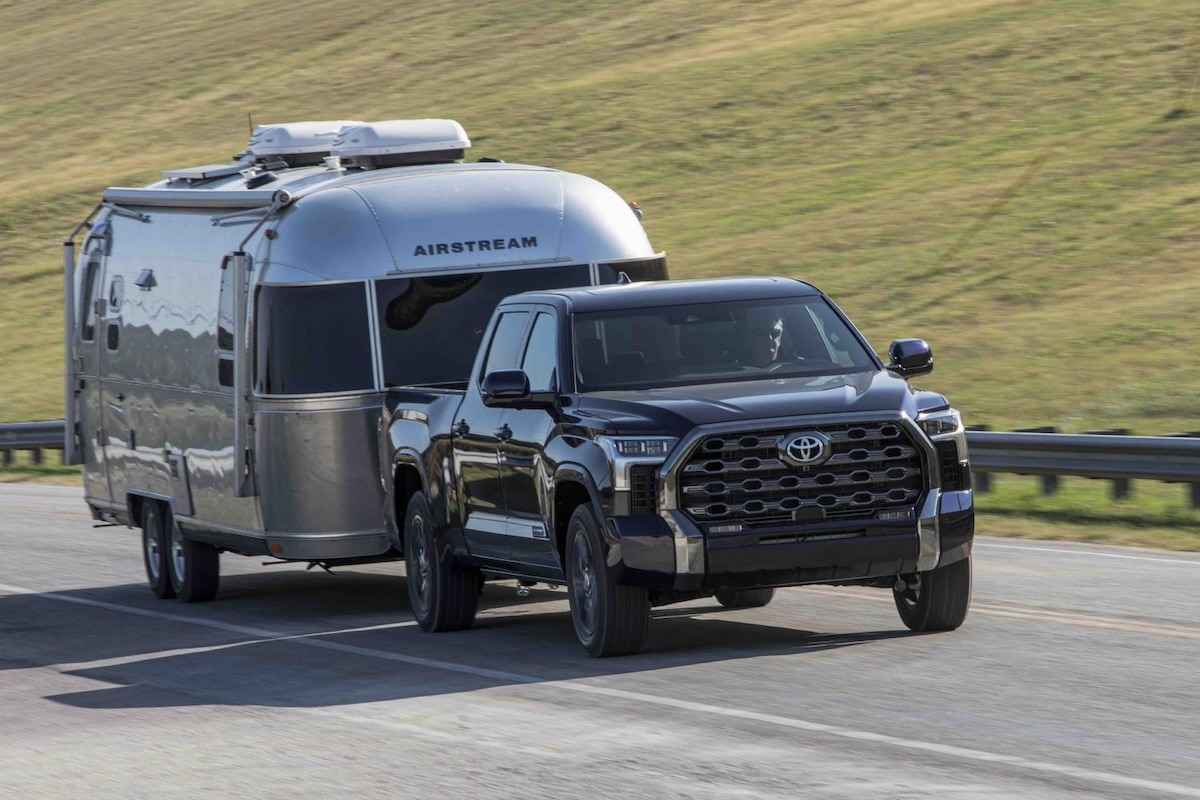
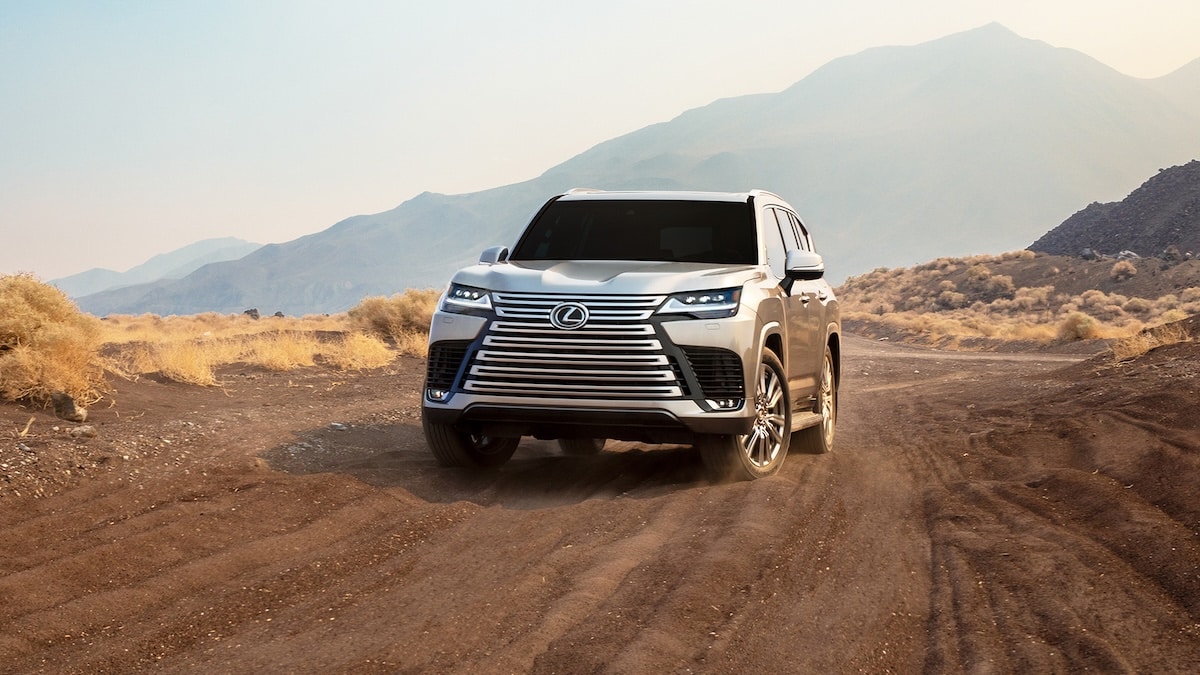
Toyota has now issued two recalls involving its V35A engine, a 3.4-liter twin-turbo V6 used in 2022-2024 Tundra and Lexus LX 600 models as well as the 2024 Lexus GX 550.
The first recall was for 2022-2023 model year Toyota Tundra and Lexus LX 600 models. That remedy was to replace the engine.
Next, another recall was issued that expanded the first recall to include 2024 model year Toyota Tundra and Lexus GX 550 vehicles.
The problem stems from a faulty production process that leaves machining debris inside the engine. This debris may prevent the vehicle’s crankshaft from rotating while running. The debris build-up, according to Toyota, can cause the main bearing to fail, and the vehicle may stop while driving, increasing the risk of a crash, according to filings with the National Highway Traffic Safety Administration.
More than 125K vehicles with the engine
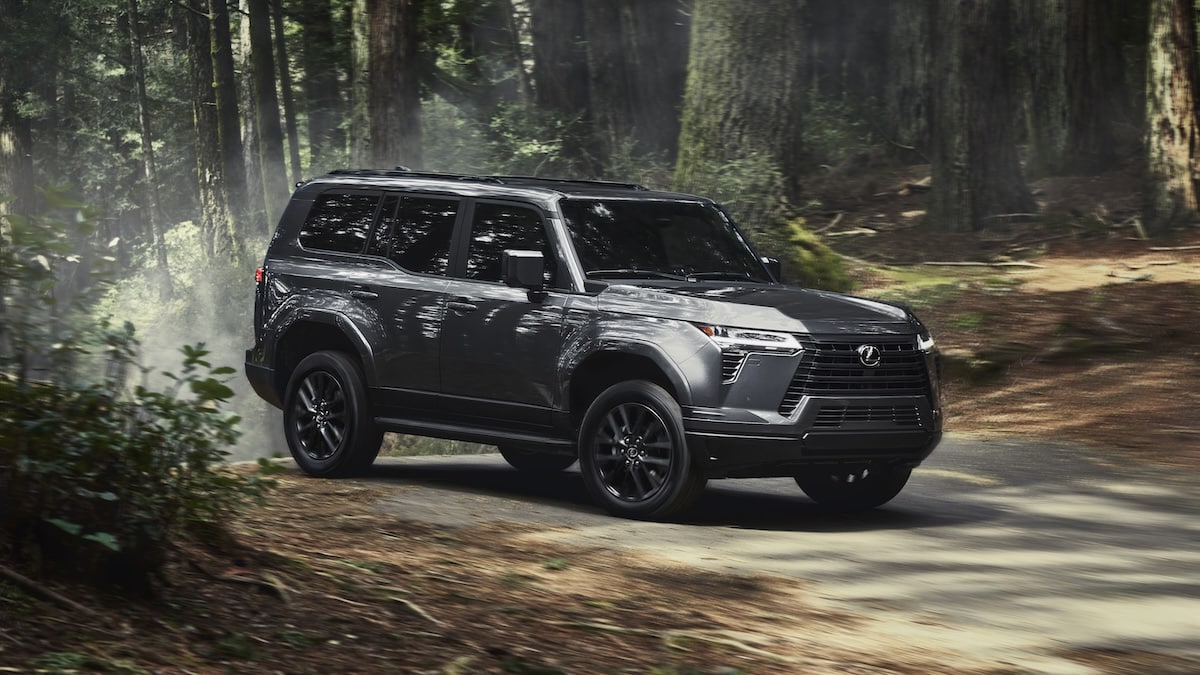
The initial recall issued in May 2024 involved 102,092 vehicles. The latter order in November 2025 bumped that number up to 126,691 vehicles with the vast majority — 113,079 — being Tundra full-size pickups.
The number of affected vehicles has risen as production on each of the three continued after the initial recall. The problem becomes worse over time as more and more debris adheres to the parts within the engine. Ultimately, owners may hear the engine knocking or running rough. They also might also fail to start or stall while driving. It’s unclear if there have been any crashes, injuries or deaths related to the problem.
Owners frustrated by lack of remedy
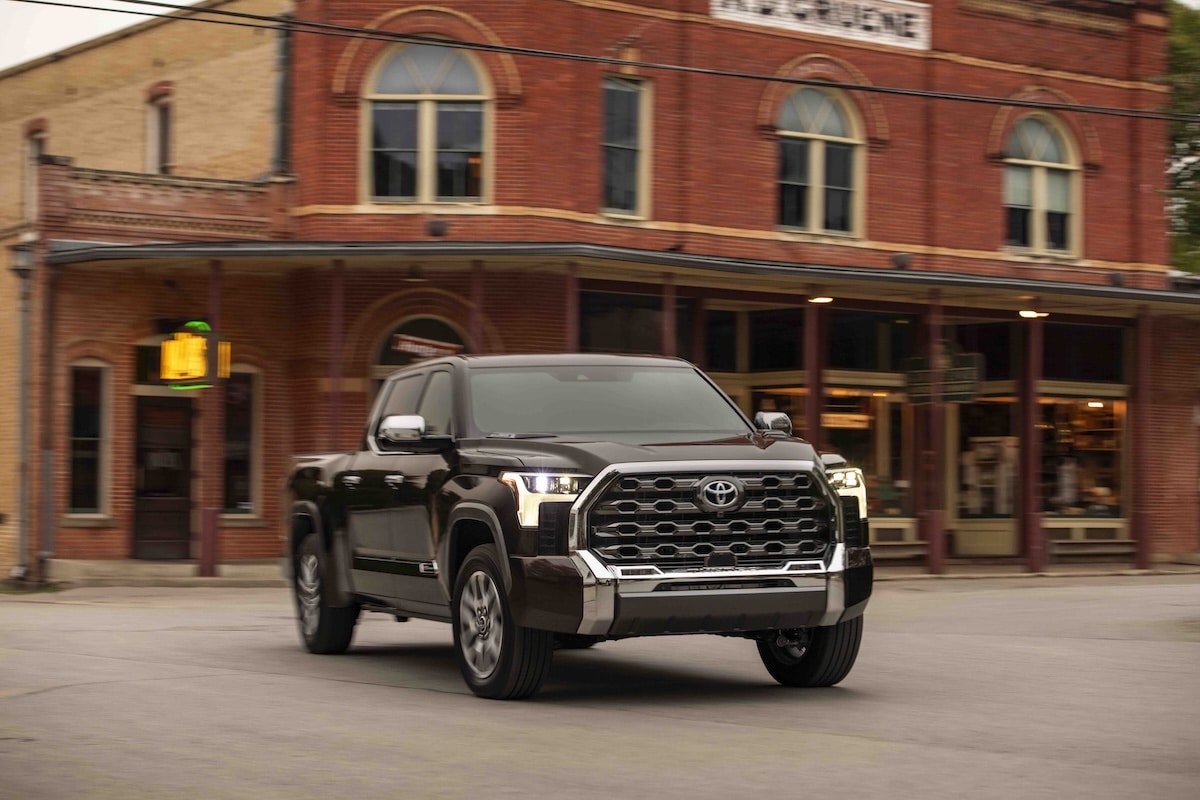
With most recalls, the process is simple. The problem is identified, a solution is developed, owners are notified, and repairs are made at no cost to the owner. However, Toyota’s been unable to find an solution to the problem despite two recalls and four years.
As part of the first recall in 2024, dealers were instructed to replace the engine assembly; however, that failed to adequately resolve the problem according to NHTSA.gov documents from Toyota. Compounding the problem of not having an actual remedy for the problem, Toyota is unable to provide an accurate estimate of just how many of the vehicles with the specific engine may actually be affected.
Company searching for solution
Aside from still working to resolve the issue, the company informed dealers about the ongoing problem Nov. 6, 2025, then notified owners of the affected vehicles in December about the problem and the lack of a solution.
There was a sliver of a hope for owners when Toyota stated it had made changes to the main bearing #1 in October, 2025.
“For the Tahara plant, data from the recovered engines, study about the bearing robustness, and the field performance data indicate that an increased level of this type of debris is present in engines produced between recall 24V-381 and the implementation of the improvement to the #1 main bearing,” according to a chronology report on this post.
“The remedy is currently under development. Once the repair is available, repairs will be performed free of charge. Interim letters notifying owners of the safety risk were mailed December 16, 2025,” Toyota wrote in a NHTSA filing.
“Additional letters will be sent once the final remedy is available, anticipated July or August 2026. Owners may contact Toyota’s customer service at 1-800-331-4331. Toyota’s numbers for this recall are 25TB14 and 25TA14. Lexus’ numbers for this recall are 25LB07 and 25LA07. This recall expands previous NHTSA recall number 24V381.”
Initially, this filing stated a final remedy would be available in April, 2026.
Owners want engines replaced
NHTSA’s received hundreds of complaints about the problem from owners, all recounting experiences dealing with at least one of the issues the problem is expected to cause.
“While driving, I noticed that the vehicle seemed sluggish. Shortly after, I experienced grinding and knocking,” one owner in Bayville, New Jersey told NHTSA. “The engine then stalled when I came to a traffic light.
“Fearing for my safety, I was able to get the engine to re-start to be able to pull off the road into a parking lot. At this point, the engine was barely running and making a ton of noise. There were no warning lights prior or after the incident took place.”
Scores of owners have endured similar experiences and are demanding Toyota replace the engines entirely, but the company hasn’t indicated that is a possibility at this point. As of Oct. 29, 2025, based on “a diligent review of records,” Toyota says, the best engineering judgement is there are 303 Toyota Field Technical Reports and 2,604 warranty claims on the engines in the subject vehicles.
Lastly, hybrid Tundra owners are also wondering what’s going on with their engines that aren’t part of the recall even though the engine components are seemingly identical to the gasoline-only engines.






13 replies
Loading new replies...
Administrator
Well-known member
Administrator
Well-known member
Active member
New member
Moderator
Administrator
Moderator
Administrator
Active member
Join the full discussion at the Forum Pickuptrucktalk →