
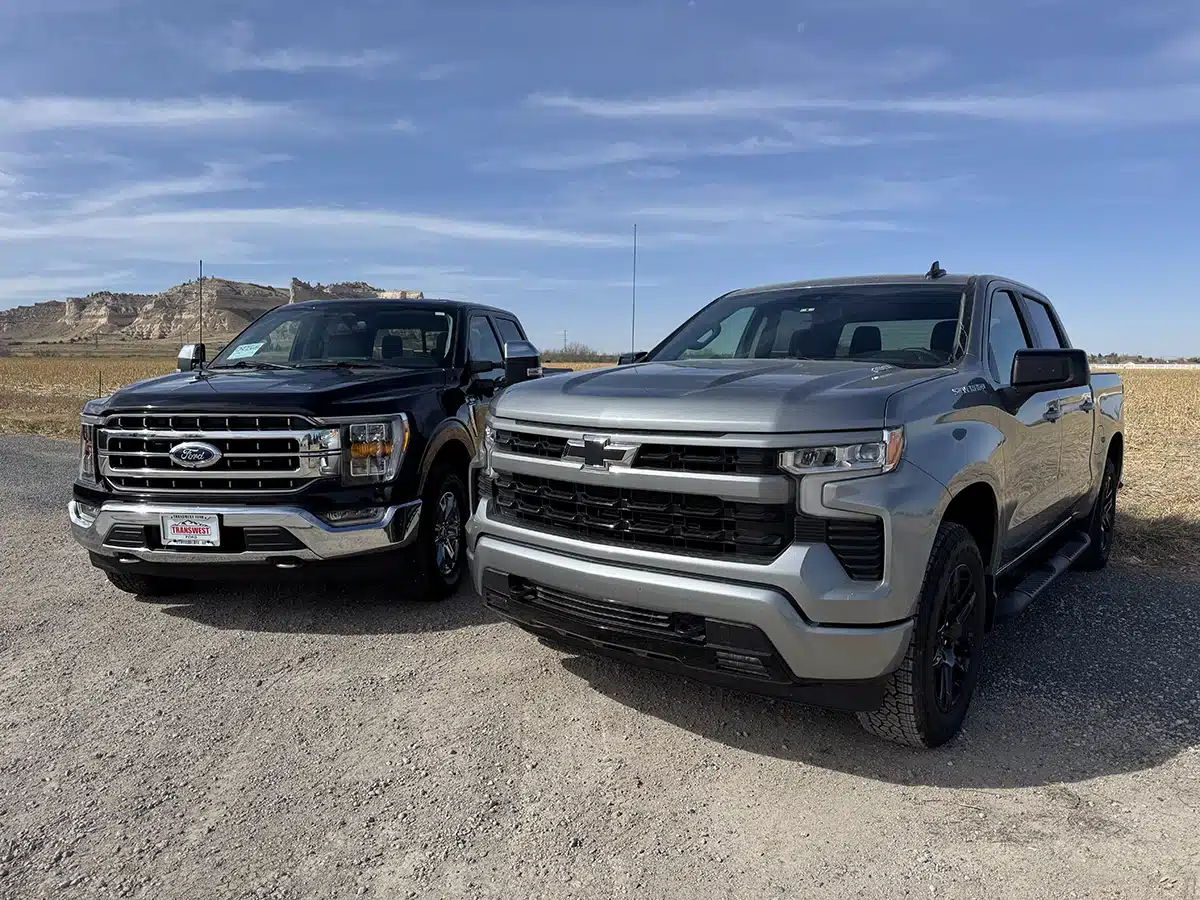
If you are shopping for a full-size truck in 2026, the decision often comes down to: the 2026 Chevy Silverado 1500 vs Ford F-150.
These trucks have traded blows for decades, and today they remain closely matched in capability, technology and pricing. After spending time comparing them side by side, the differences become less about which is better overall and more about which one fits how you actually use a truck.
Exterior Design and Bed Functionality
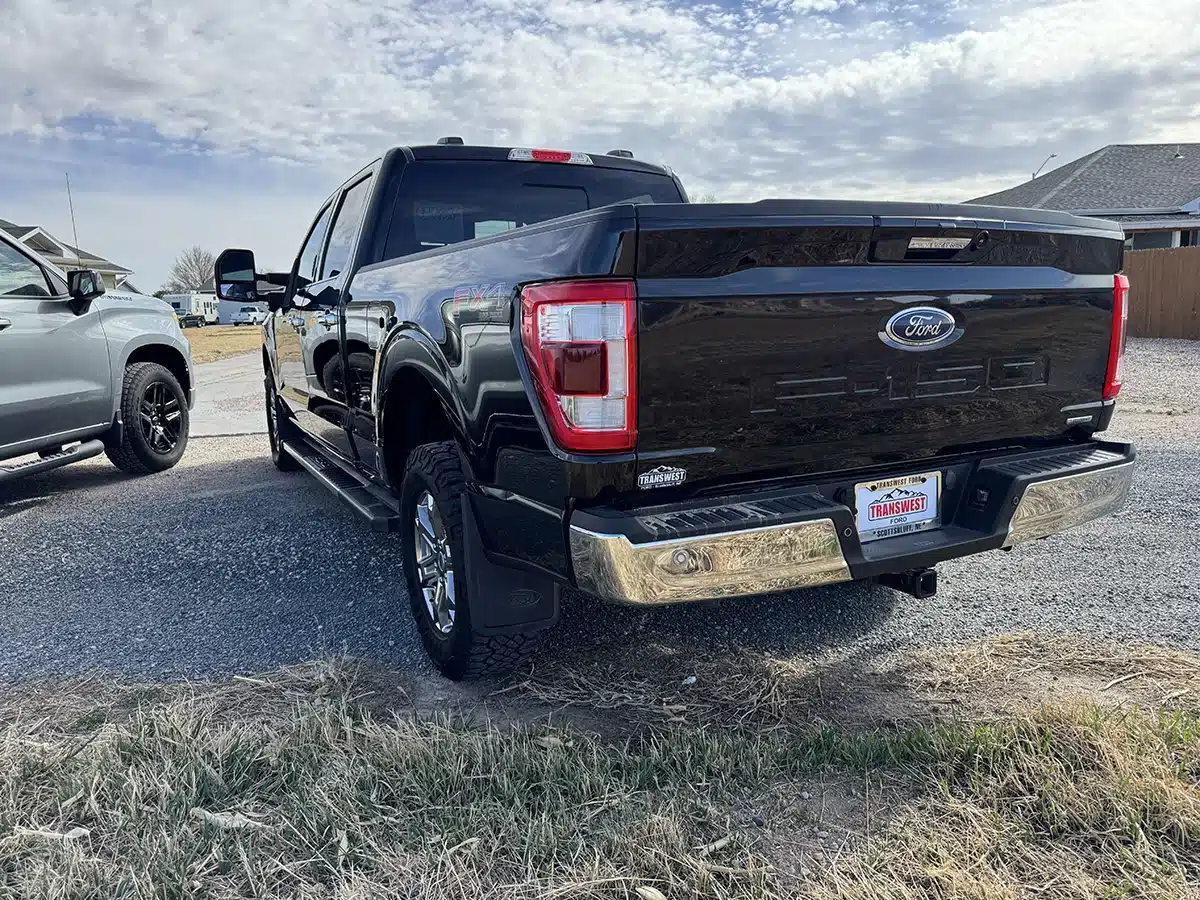
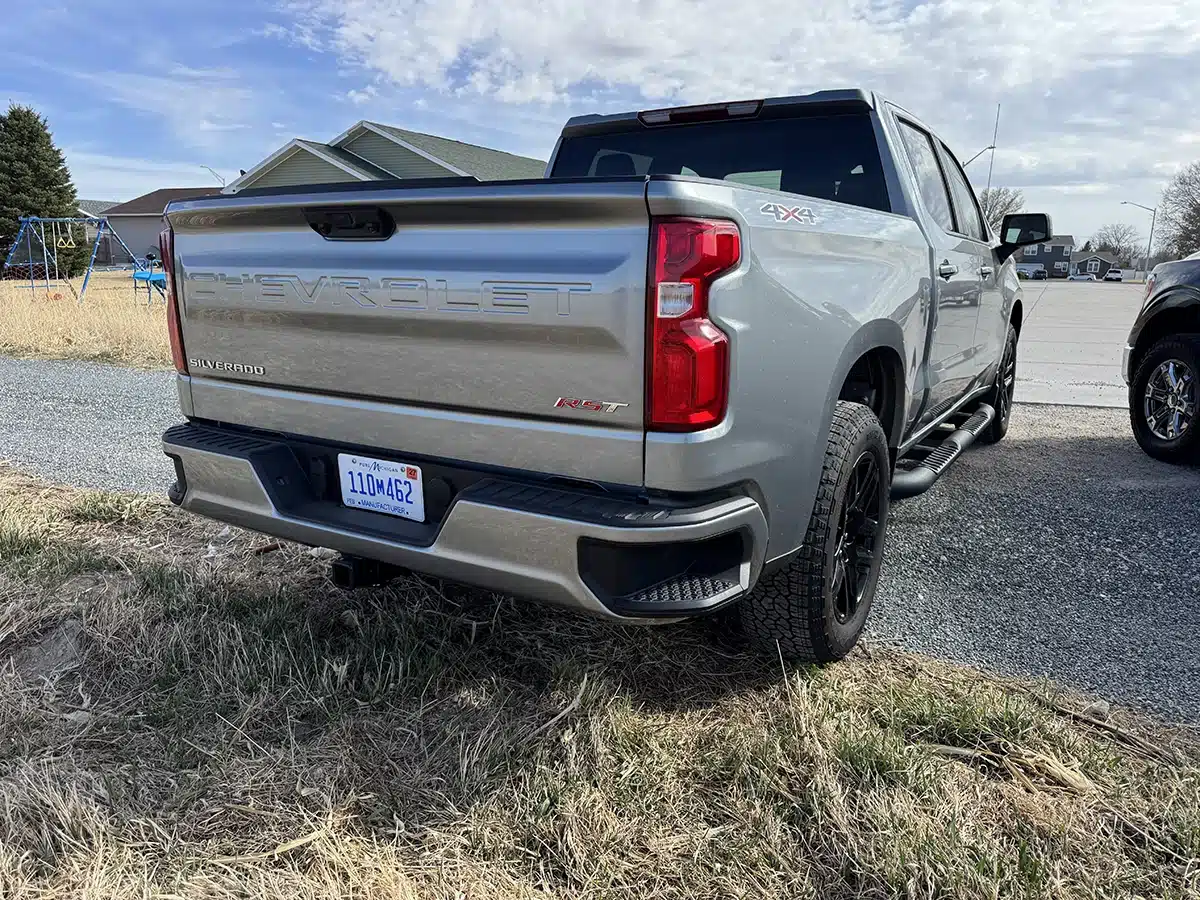
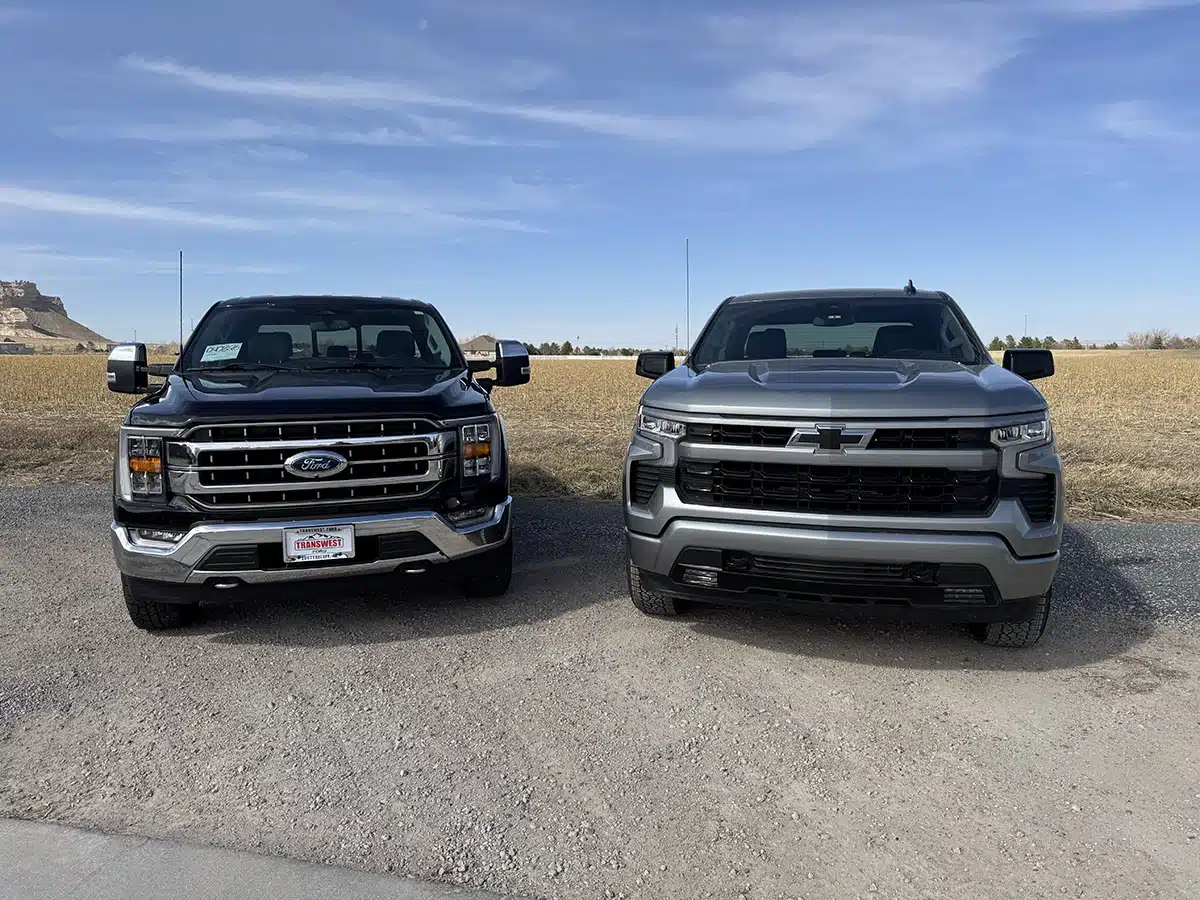
Park the 2026 Chevrolet Silverado 1500 RST next to a Ford F-150 and the design differences are immediate. Chevy sticks with its familiar front-end styling introduced in 2019, featuring the wide grille and bowtie emblem, while Ford leans into a more upright, traditional truck look with its signature blue oval and squared-off lighting.
Beyond styling, functionality starts to separate the two. The Silverado RST comes with a 5-foot-8-inch bed, standard tailgate and integrated bed step. It is straightforward and durable, though missing some of the more advanced tailgate configurations offered higher up the trim ladder.
The F-150 tested here features a longer 6.5-foot bed, giving it an advantage for hauling larger items. It also includes Ford’s integrated tailgate step and bed-mounted power outlet, making it more versatile for jobsite or camping use. That extra foot of bed length is noticeable in daily use, especially for buyers regularly hauling gear.
Interior Comfort and Rear Seat Utility
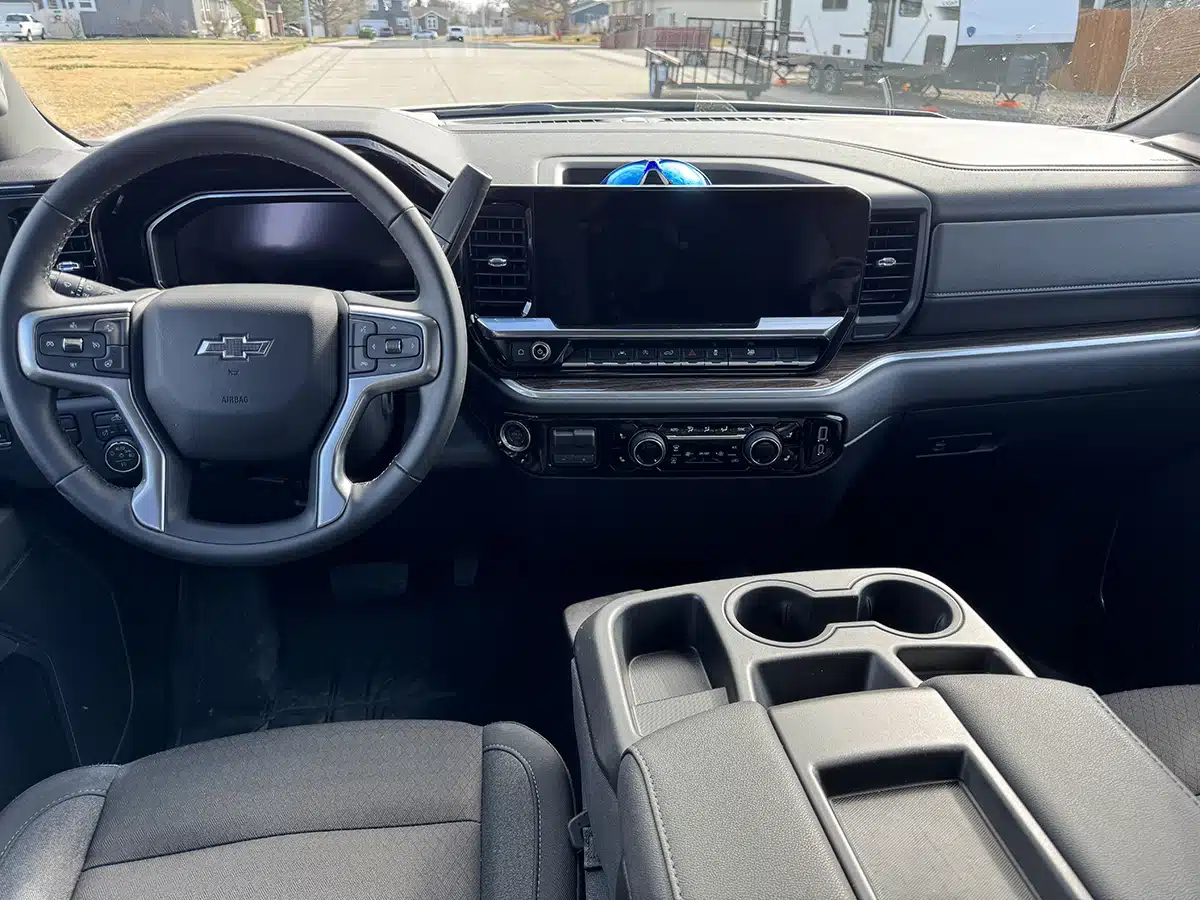
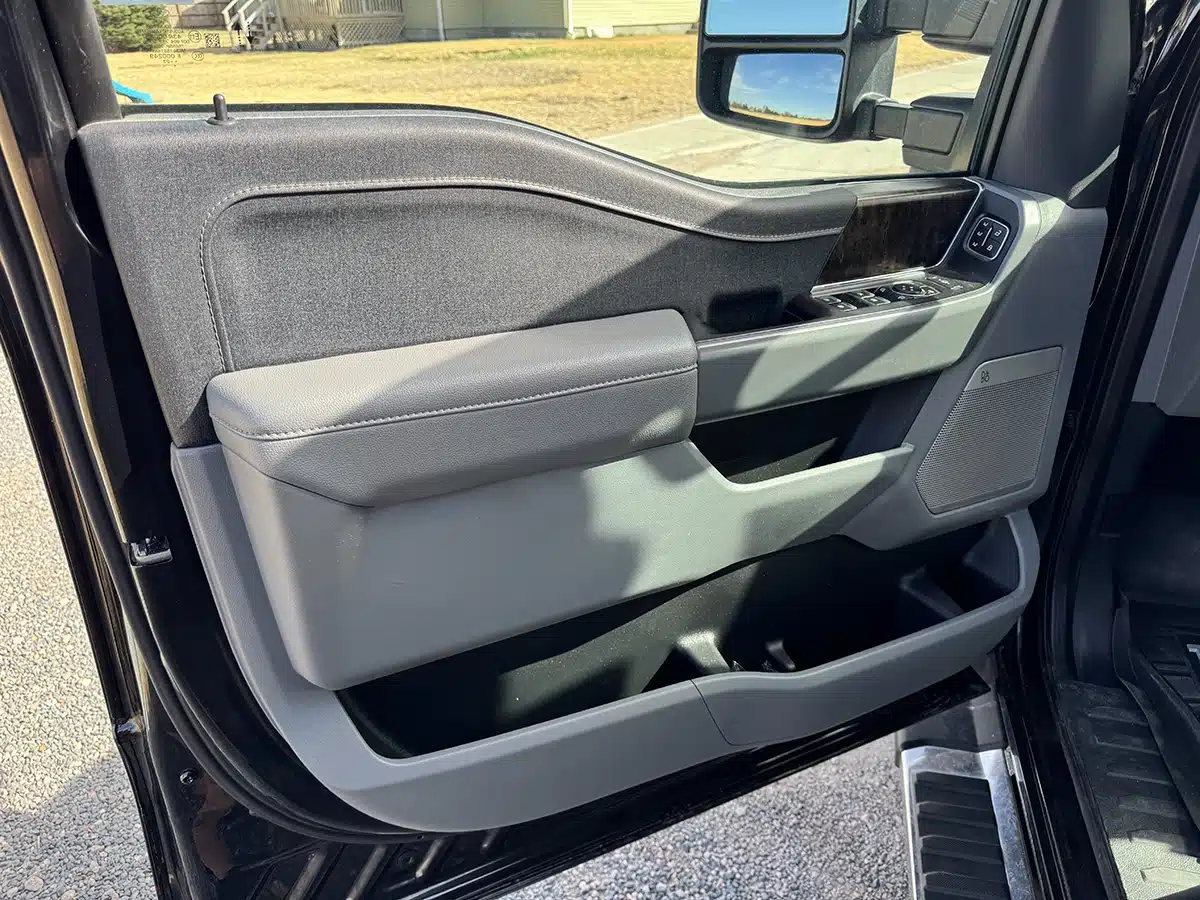
Inside, both trucks take different approaches to practicality. The F-150 emphasizes usability with a flat rear load floor, abundant storage, and multiple power outlets including household-style plugs that are genuinely useful for work or travel. Rear-seat passengers benefit from better flexibility when carrying cargo like tools or luggage.
The Silverado offers a comfortable cabin but falls slightly behind in storage innovation. There is less under-seat storage and a more traditional layout. While it still includes USB ports and a power outlet, it does not match Ford’s mobile office execution.
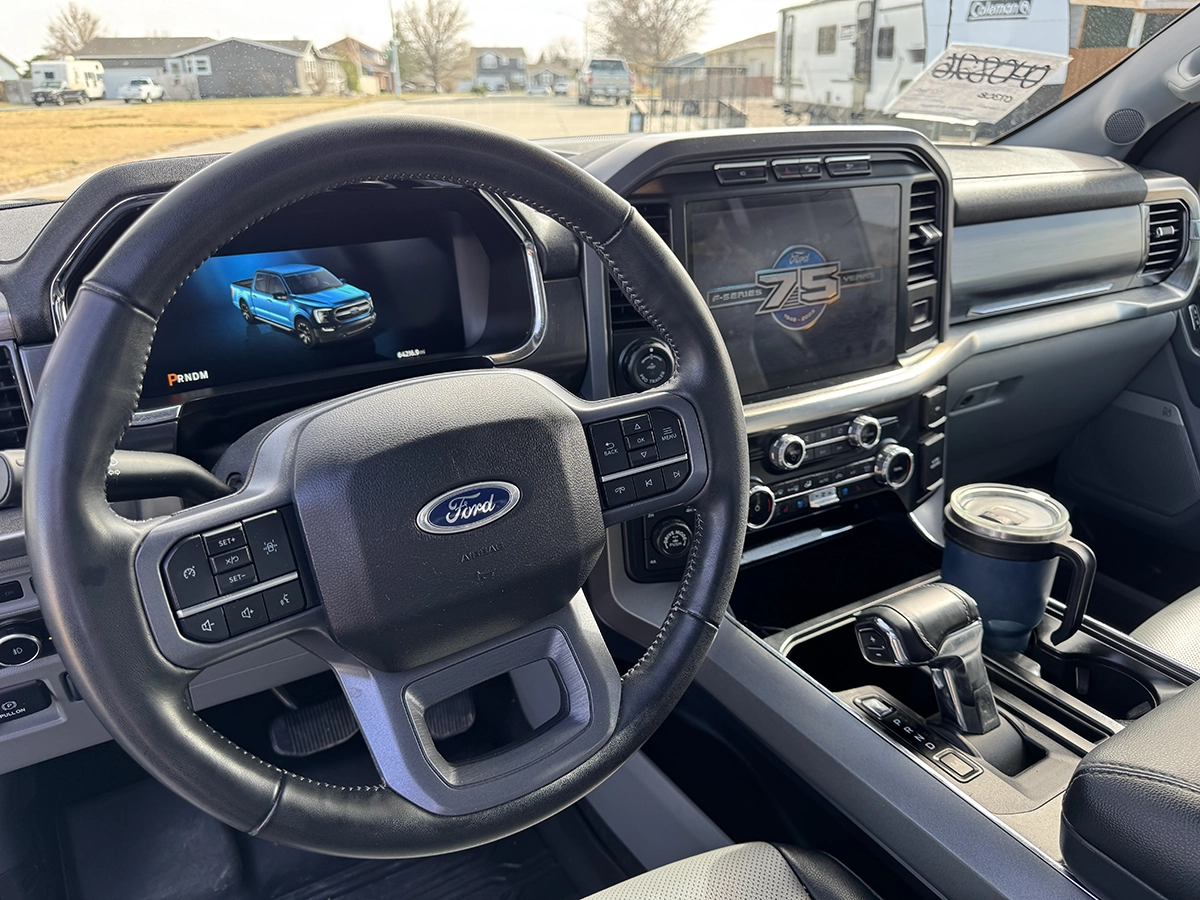
Seat comfort is another dividing line. The F-150 delivers supportive seating that works well over long drives, while the Silverado’s seats may not appeal to everyone, particularly on extended trips.
Technology and Worksite Features
Ford continues to lean heavily into technology as a differentiator. The F-150 includes features like adjustable pedals, zone lighting controlled via an app and the infotainment screen, and the optional fold-flat shifter that transforms the center console into a workspace. Combined with onboard power, it turns the truck into a legitimate mobile workstation.
Chevy counters with a clean infotainment layout and solid camera systems, but lacks some of the standout work-focused innovations found in the Ford. One notable advantage for Chevy is its Super Cruise hands-free driving system, which many consider more refined than Ford’s BlueCruise.
Ultimately, Ford prioritizes productivity and convenience, while Chevy keeps things simpler and more traditional.
Powertrains and Performance Options
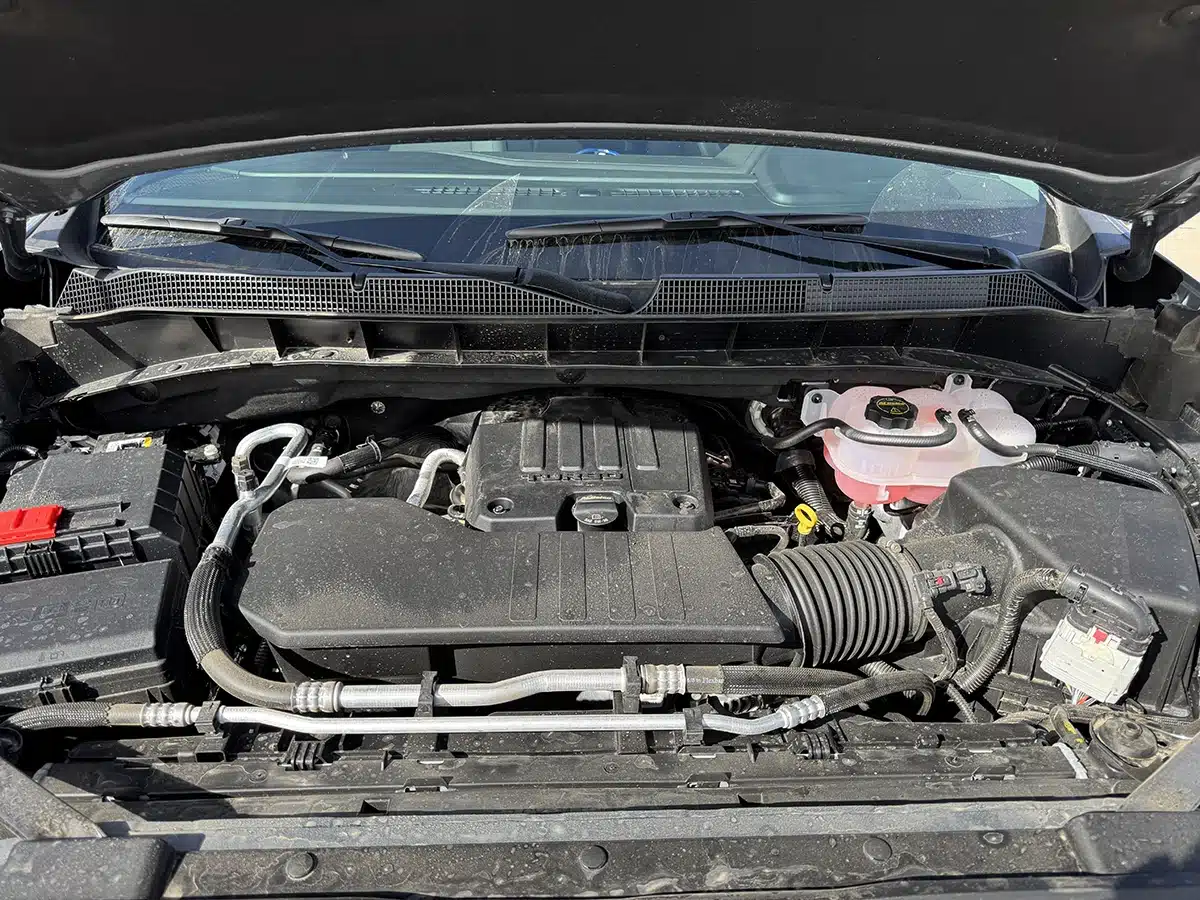
Under the hood, both trucks offer a wide range of engines catering to different buyers.
The Silverado RST in this comparison uses the 2.7-liter TurboMax four-cylinder. While controversial on paper, it delivers respectable towing capability around 9,000 pounds for light-towing needs and solid torque for everyday use, not a hot-rod engine. Chevy also offers the 5.3L and 6.2L V8s, along with the highly regarded 3.0L Duramax diesel.
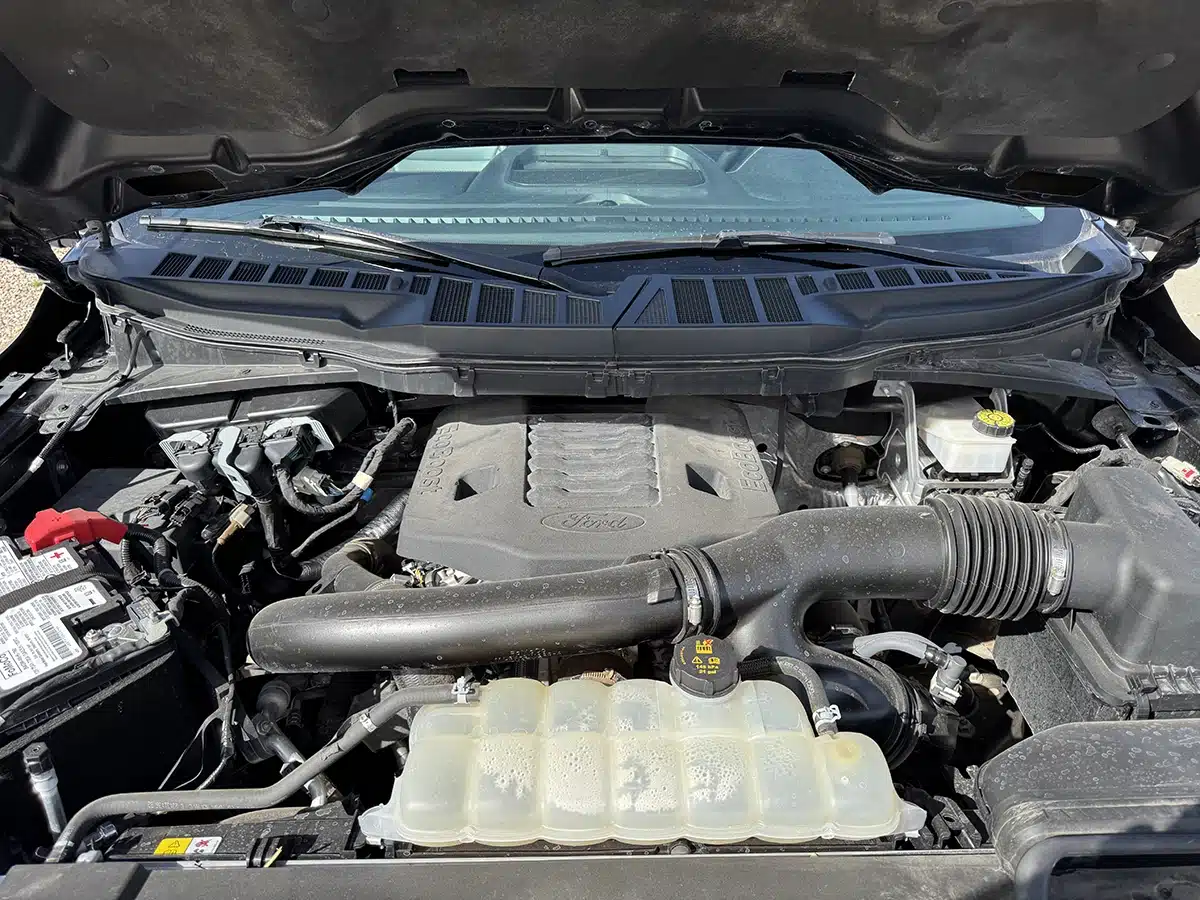
Ford counters with a diverse lineup of its own: a 2.7L EcoBoost V6, 3.5L EcoBoost V6, 5.0L V8, and the PowerBoost hybrid. The hybrid stands out with Pro Power Onboard, allowing the truck to function as a generator, something no competitor matches at this level.
Both trucks share a co-developed 10-speed automatic transmission, though real-world reliability feedback has been mixed depending on owner experience.
| Truck | Engine | Horsepower | Torque (lb-ft) |
|---|---|---|---|
| Chevy Silverado 1500 | 2.7L Turbo I-4 (TurboMax) | 310 hp | 430 lb-ft |
| 5.3L V8 (EcoTec3) | 355 hp | 383 lb-ft | |
| 6.2L V8 (EcoTec3) | 420 hp | 460 lb-ft | |
| 3.0L Duramax Turbo-Diesel I-6 | 305 hp | 495 lb-ft | |
| Ford F-150 | 3.3L V6 | 290 hp | 265 lb-ft |
| 2.7L EcoBoost V6 | 325 hp | 400 lb-ft | |
| 5.0L V8 | 400 hp | 410 lb-ft | |
| 3.5L EcoBoost V6 | 400 hp | 500 lb-ft | |
| 3.5L PowerBoost Hybrid V6 | 430 hp | 470 lb-ft |
Ownership Experience and Final Verdict
Choosing between these trucks often comes down to priorities rather than a clear winner.
The F-150 excels in innovation, offering more features that enhance daily usability, especially for work-focused buyers. Its interior flexibility, onboard power and thoughtful details make it feel like a more modern tool.
The Silverado appeals with its styling, simpler approach, and strong engine lineup, particularly the Duramax diesel, which remains a standout for mile-per-gallon efficiency returning mid to high 20s in highway driving.
Both trucks have faced reliability concerns in different areas, from recalls to engine-specific issues, which may influence long-term ownership decisions.
In the end, this is still one of the closest matchups in the segment. If you want cutting-edge features and worksite capability, the Ford F-150 has the edge. If you prefer a more traditional truck feel with strong engine options, the Chevrolet Silverado 1500 remains a compelling choice.