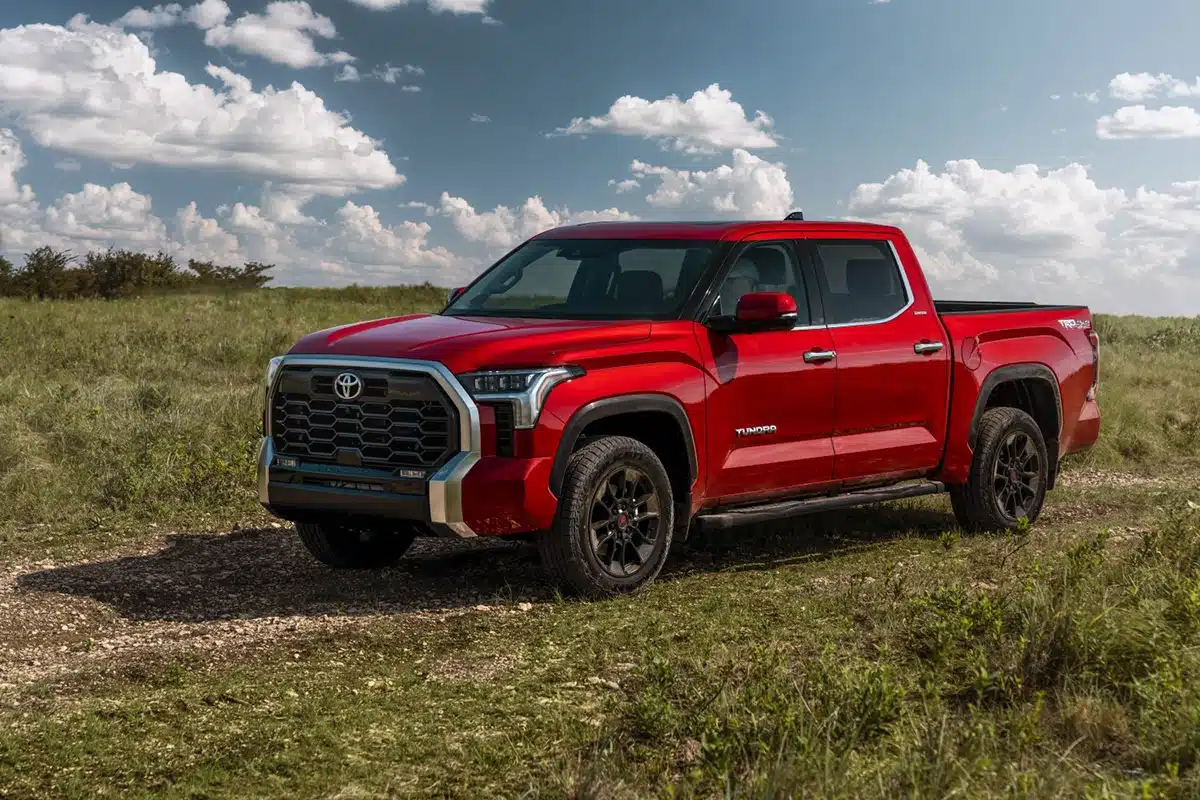
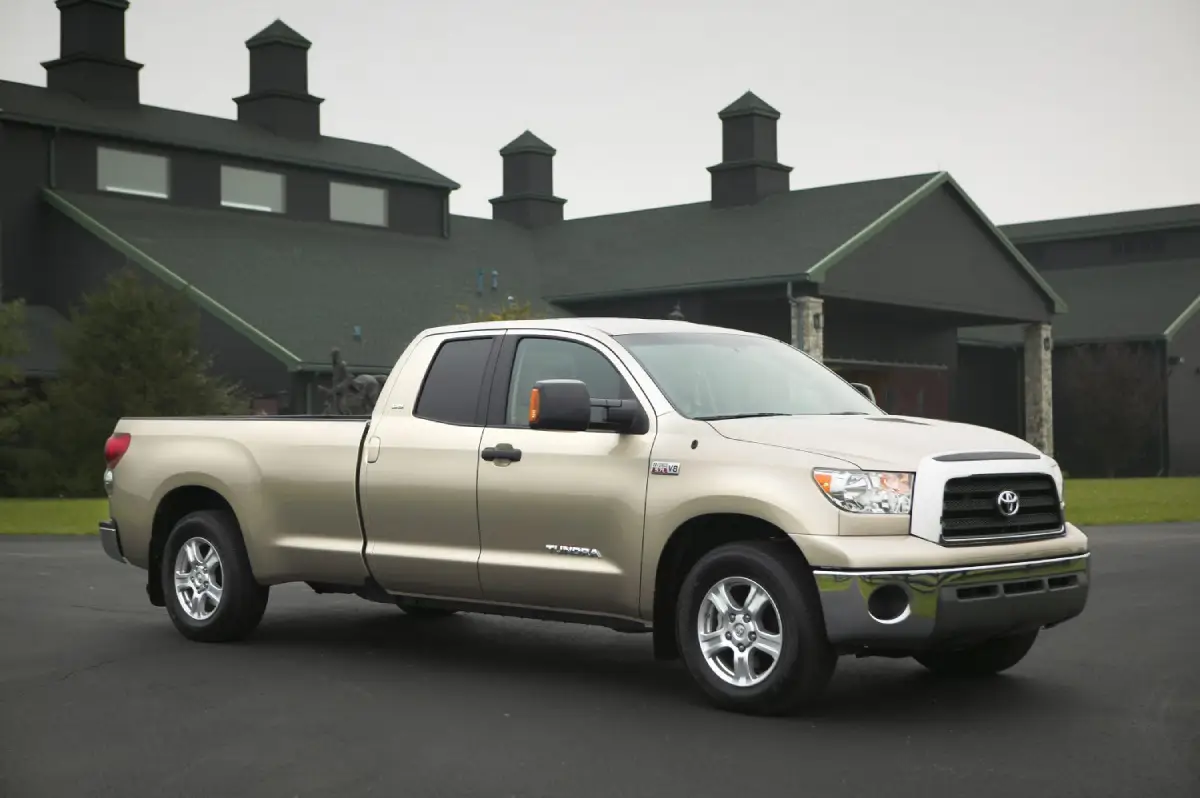
Toyota has not always been in the full-size pickup truck market, but entered gradually. The Toyota T100 was the brand’s largest truck stateside until the introduction of the Tundra for the 2000 model year. Full-size trucks are extremely important to automakers selling in America because of the higher profits on each truck sold. While Toyota is not big into fleet sales like segment sales leaders Ford, Ram, and GM, the Tundra has cemented quite a place for itself in the consumer segment, endearing itself to buyers with its “Toyota reliability” that has become a thing of legend.
All is not well for the Tundra, however. Ongoing recalls with the new, V8-replacement twin-turbocharged V6 are causing issues for dealers trying to move brand-new product off the sales floor. While improved scores with Consumer Reports have helped the Tundra reclaim the CR reliability crown, issues remain. In this article, I will use carcomplaints.com to examine the best and worst years for the Toyota Tundra to help you on your next truck purchase.
Car Complaints compiles both NHTSA complaints and its own user-submitted complaints to illustrate vehicle reliability concerns over time.
Most Complaints: 2007
Scrolling the bar chart for annual complaints shows a four-year span of increased complaints, peaking in 2007. Being the first year of a new generation of Tundra, issues inevitably creep up. The number one complaint, sourced by both website users and NHTSA complaints, is engine problems. Car Complaints ranks the air injection pump and engine knocking as primary issues, while the NHTSA shows a spike in “vehicle speed control.”
Per Car Complaints, the air injection pump typically fails just under 100,000 miles and averages $3,100 to repair. Perhaps those reliability legends are true, with it taking 100,000 miles to hit a major concern. This generation Tundra has had an owner hit one million miles on his truck, twice.
Rust Trouble: 2005
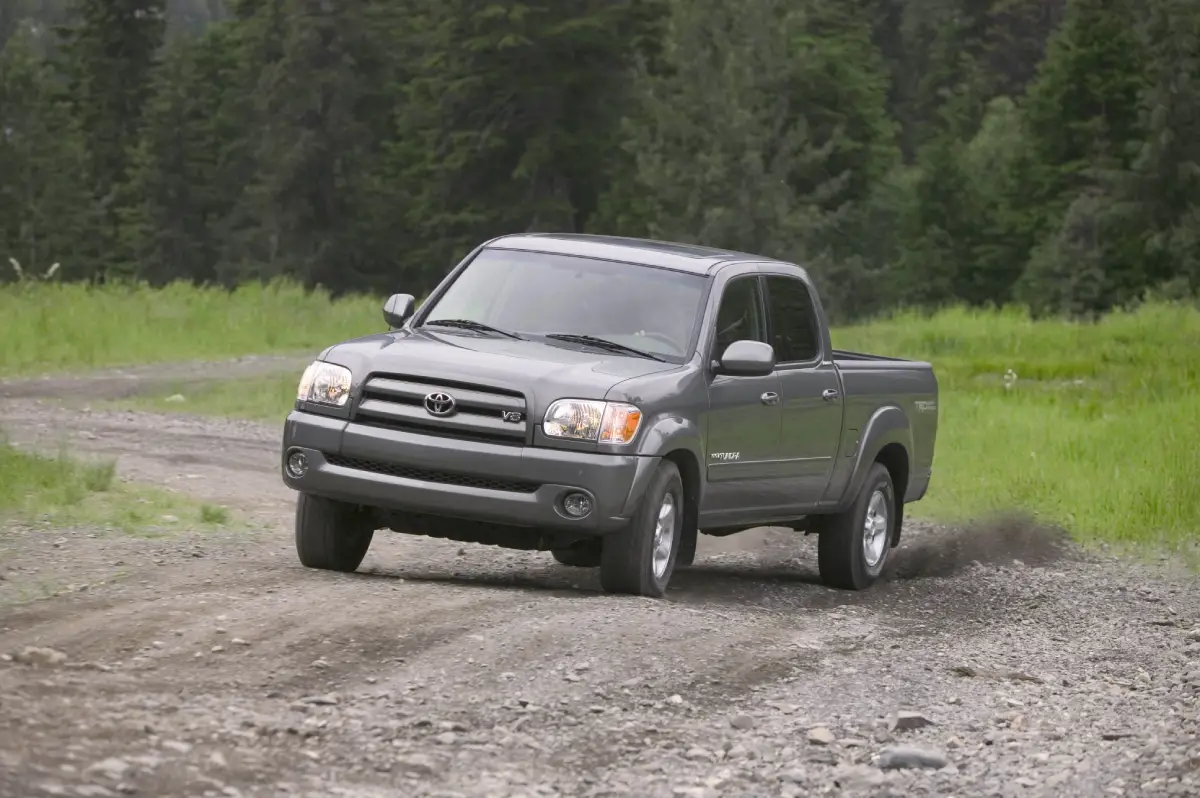
While Car Complaints lists engine problems as the number one concern for the 2005 model year, NHTSA complaints show a different issue: rust.
Rust is like cancer for metal, slowly eating away at vital parts of any vehicle until it is no longer safe. Some underbody rusting is superficial, as Tim found out with his 2021 Ford F-150. However, frame rust is a much larger concern.
Four pages of concerns, all with rust as the main concern. From sway bars losing their connection points to concern over whether the fuel tank would hold in place, this rusting is not superficial.
Rust appears to have long plagued the Tundra, with reports of more first-generation models seeing significant underbody rusting to the point of large recalls. Moral of the story, if you are in a climate that salts the roads in the winter, avoid the first-generation Tundra (2000-2006).
Problems Continue: 2008
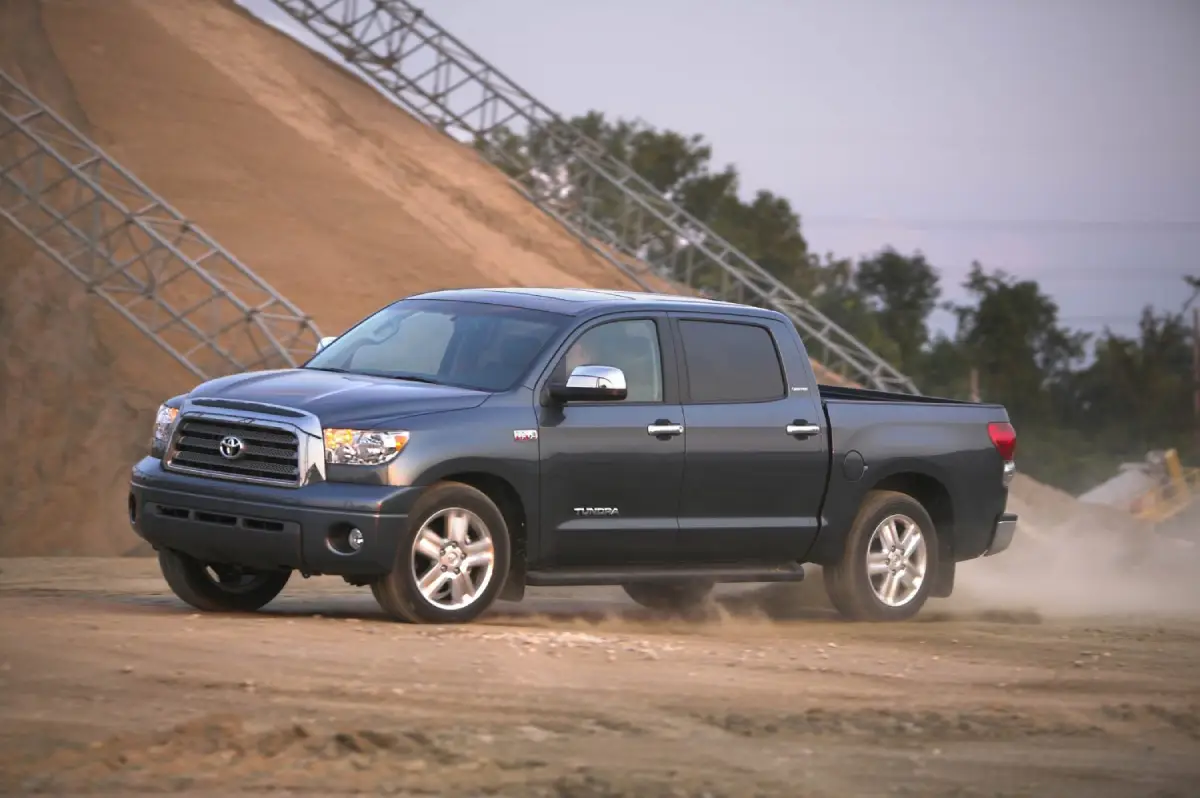
Hot off the heels of the 2007 redesign, the 2008 model did not fix all the complaints with the new truck. Engine problems have dropped from first to fourth on the Car Complaints list of issues, but still register as the number one issue based on NHTSA complaints at 131.
“Worst 2008 Toyota Tundra Problems” by Car Complaints are listed as the check engine light, commonly a $2,300 fix at around 50,000 miles, followed by an alternator failure at 83,000 miles to the tune of a $1,100 average cost to fix.
So Far, the Best Year: 2009
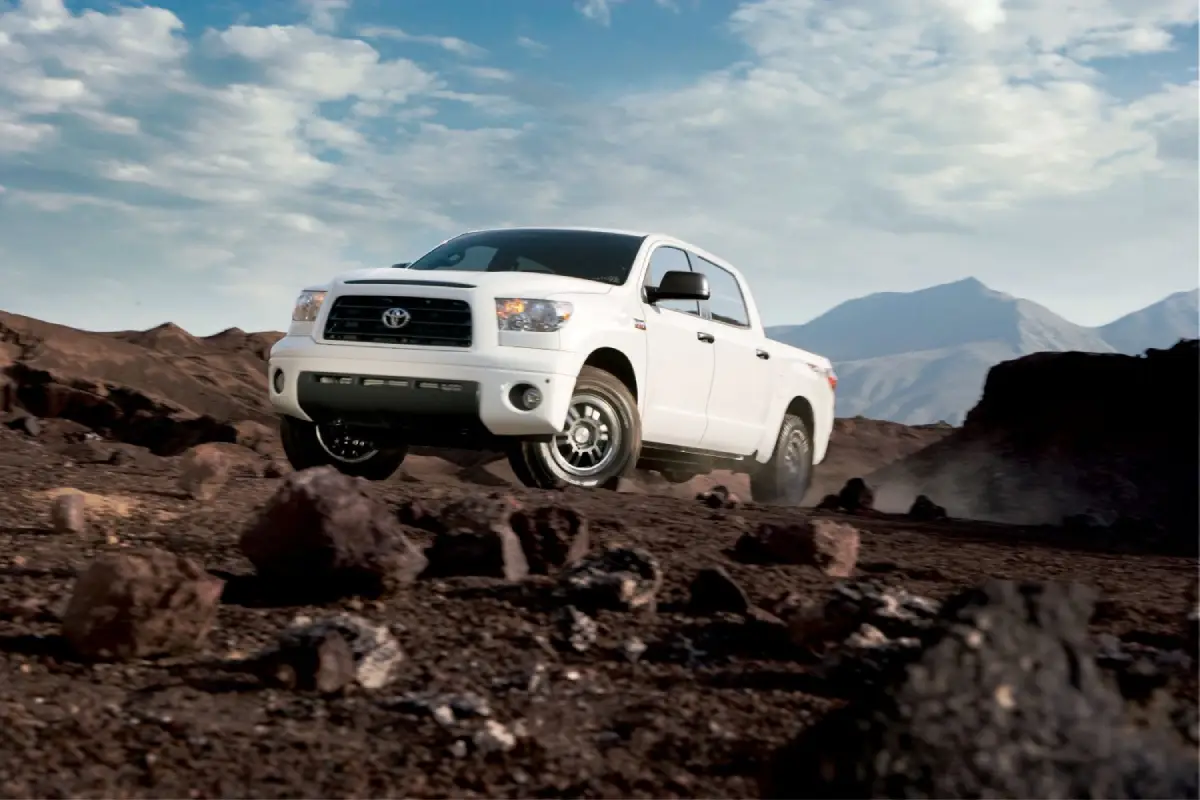
It appears that by 2009, Toyota had found most of the gremlins causing issues with the second-generation Tundra. Car Complaints shows 2 user-reported issues of “Paint/Body Problems” & “Cooling System Problems”, while the NHTSA reports have also dropped proportionally.
Car Complaints’ Worst Year: 2012
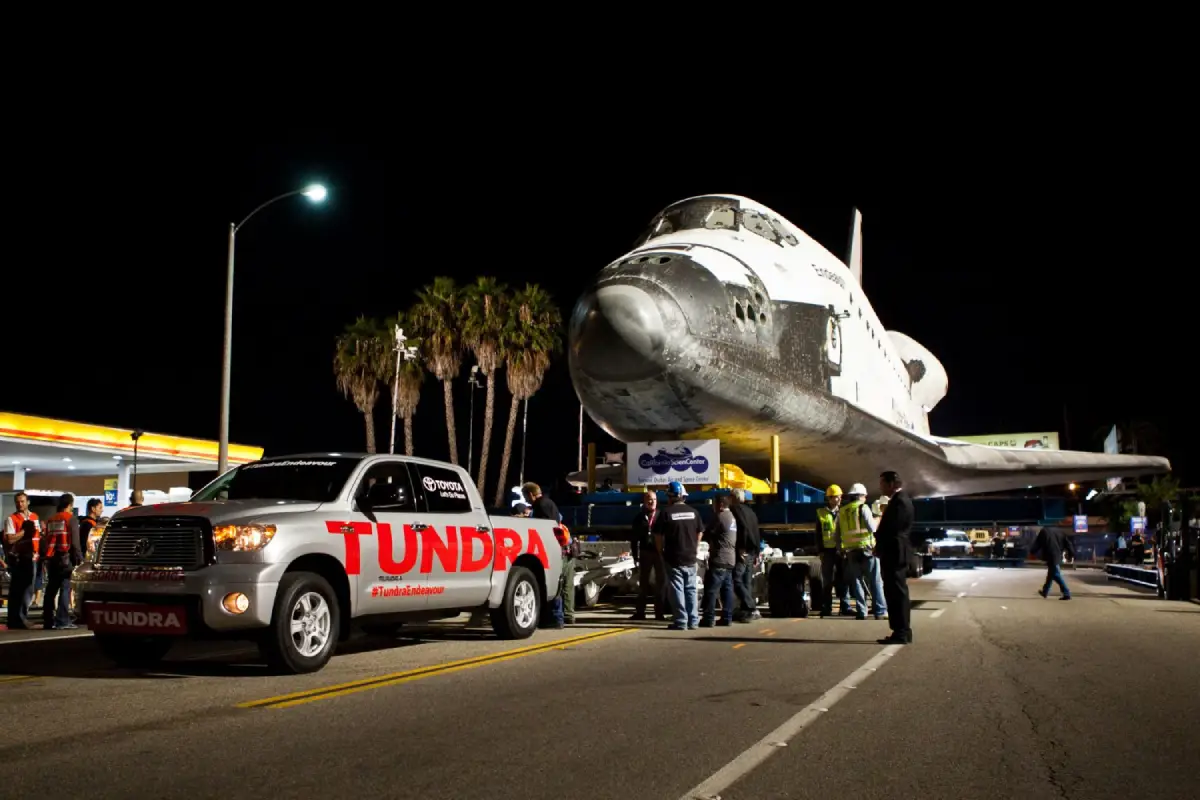
34 complaints are hardly cause for concern; however, the website boldly lists the 2012 model year as the worst for Tundra. Engine problems are the cited concern; though the worst years for engine issues historically are the 2007, 2005, and 2011 model years.
Much like the concerns of the 2007 model year, the complaints cited here are largely higher mileage concerns and are in much lower numbers than we saw when examining the Ford F-150 and the Chevy Silverado.
The Elephant in the Room: Recalls
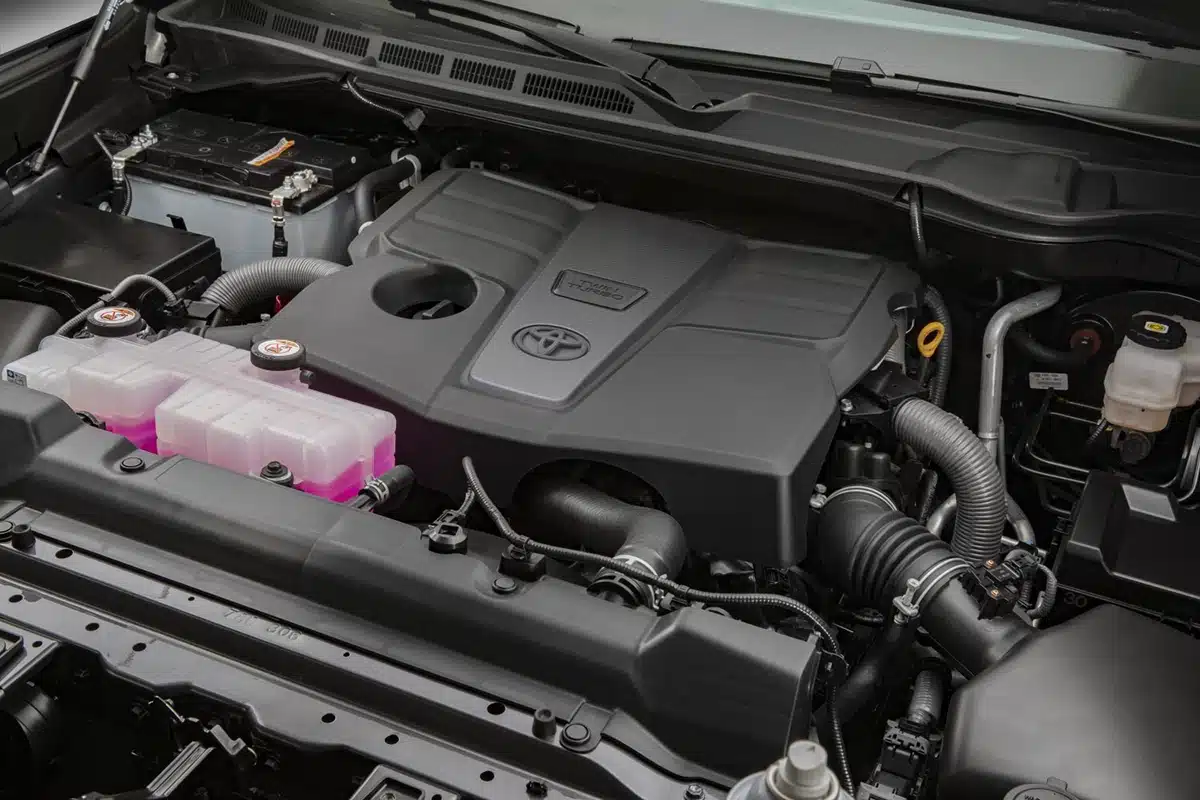
I already addressed the fact that the current, third-generation Tundra is under recall. We have covered the ongoing issues with the 3.4L V6, but the Tundra still continues to return strong sales results year after year.
According to Car Complaints, the highest complaints for any third-generation model year is 2022, the first year of the generation, at 14. All subsequent years are significantly lower, and much lower than the other pickups we have examined in this way.
The 2022 model year’s largest complaint is “Interior Accessories,” while the number one NHTSA complaint is understandably “Engine Problems.”