
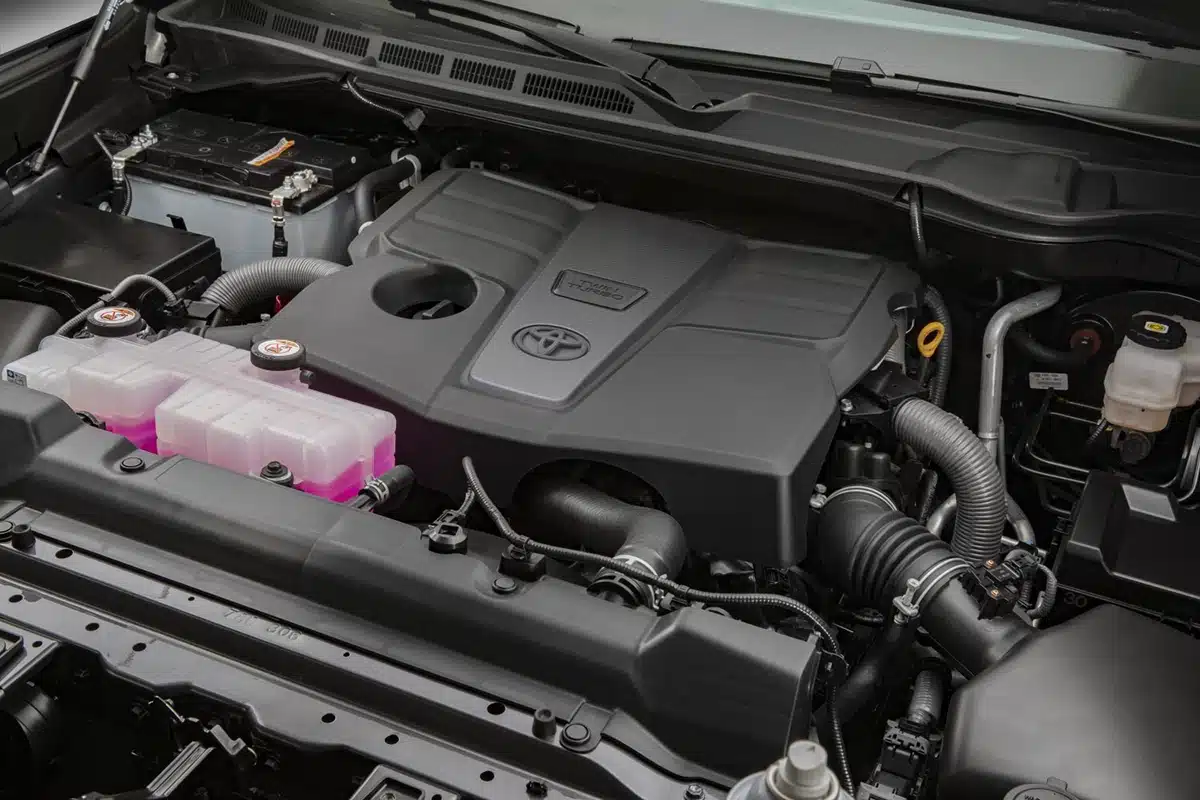
A lot of people have been wondering why the Toyota Tundra engine failure recall debris cleaning isn’t being done when the engine is being cast. Why are engineers going to two different plants to try to chase down the problem instead?
Toyota Tundra engine failure recall debris cleaning
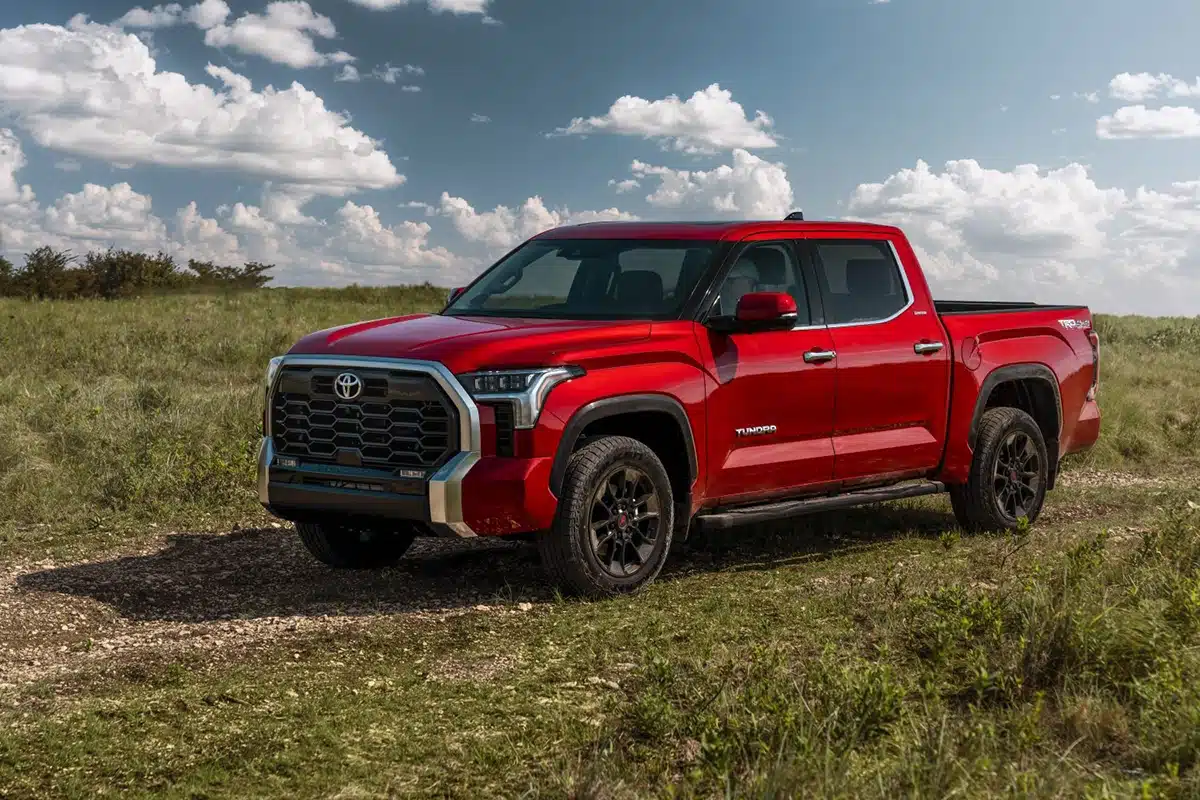
Before we get to the simple reason, let’s first make sure everyone is on the same page.
A detailed report was posted yesterday detailing Toyota’s efforts to fix ongoing issues with the 3.4-liter V6 engine catastrophic failures that are under recall. This is part of the second recall impacting 2023-2024 Toyota Tundra and includes some Lexus LX 600 and Lexus GX 550.
The report does not detail the hybrid engines and it does talk about some of the issues Toyota engineers found related to the first recall for 2022-2023 Toyota Tundra and Lexus LX 600 vehicles.
A key issue in the report is the fact Toyota says it is continuing to find “larger debris” after it has implemented various steps to improve its cleaning processes in two plants – Tahara, Japan and Huntsville, Alabama.
Why not the Tennessee casting plant?
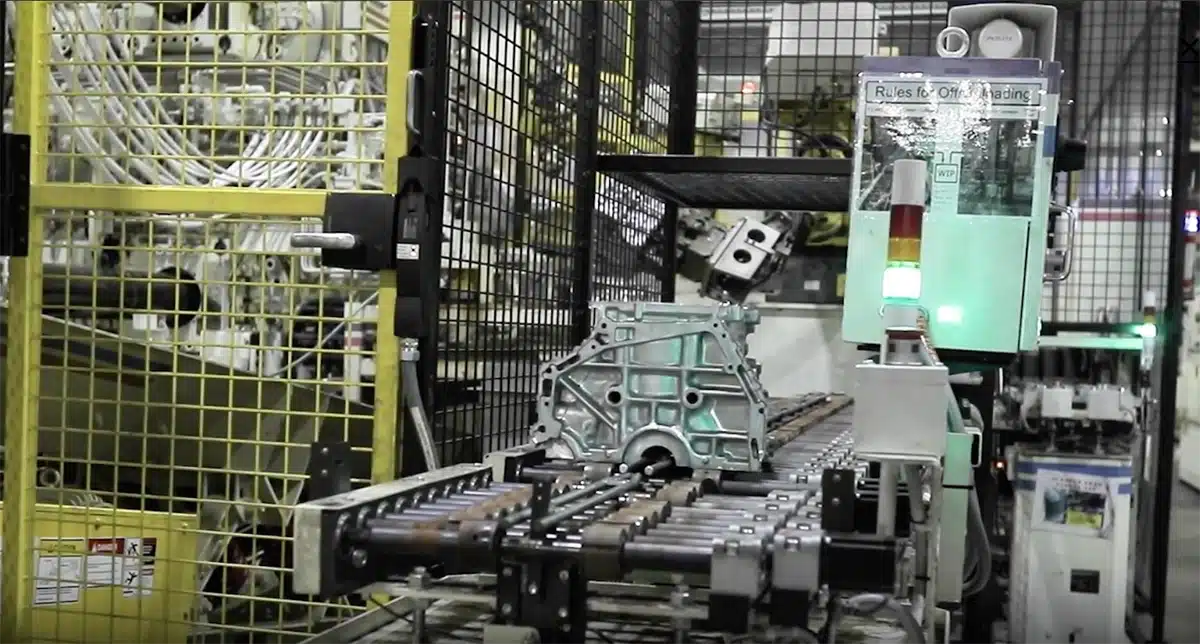
On the Tundras.com forum, a member asked why Toyota engineers weren’t going to the casting plant instead to sense this is where the engine block gets created in the first place.
The Toyota Jackson, Tennessee plant casts thousands of engine blocks, transmissions cases and housing each day and has created over 3 million such castings in 2024.
I reached out to Toyota’s plant communication manager to better understand how the casting plant plays a role in recall.
“We cast engine blocks at our plant in Jackson, TN,” said Leah Almeling, Manager, Toyota Corporate Communications Manufacturing. “The holes for the components (piston, crankshaft, etc.) are there when casting but machined at the engine plants.”
Engine plants machine more of the engine block
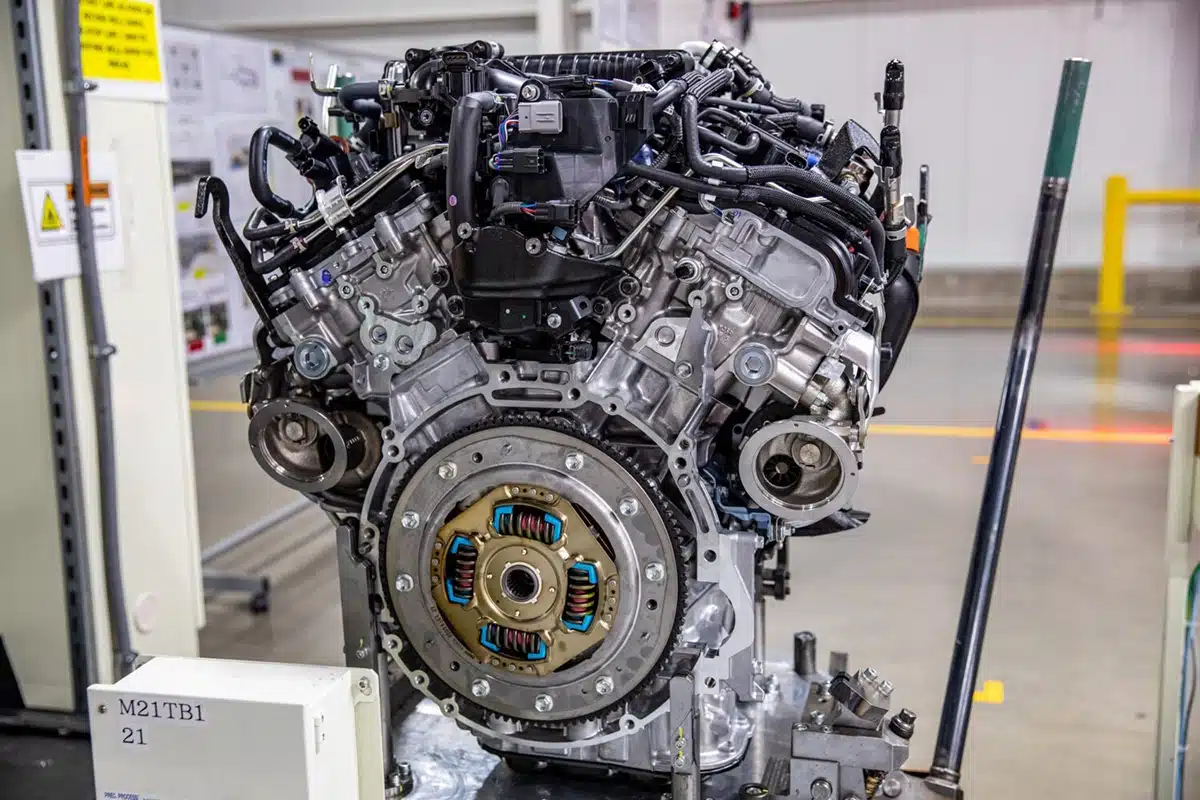
Years ago, I personally visited the Huntsville, Alabama plant and I vividly remember them drilling holes in engine blocks while using water to cool the cutting tools they were using.
Then, they would take this machined block and assemble all the various engine components into the block.
Along the way, this block, with the machining debris leftover from the cutting, would need to be cleaned and this is the lead factor leading to the recall according to Toyota.
They also think the main bearing robustness is also an issue.
How can two plants have the same problem?
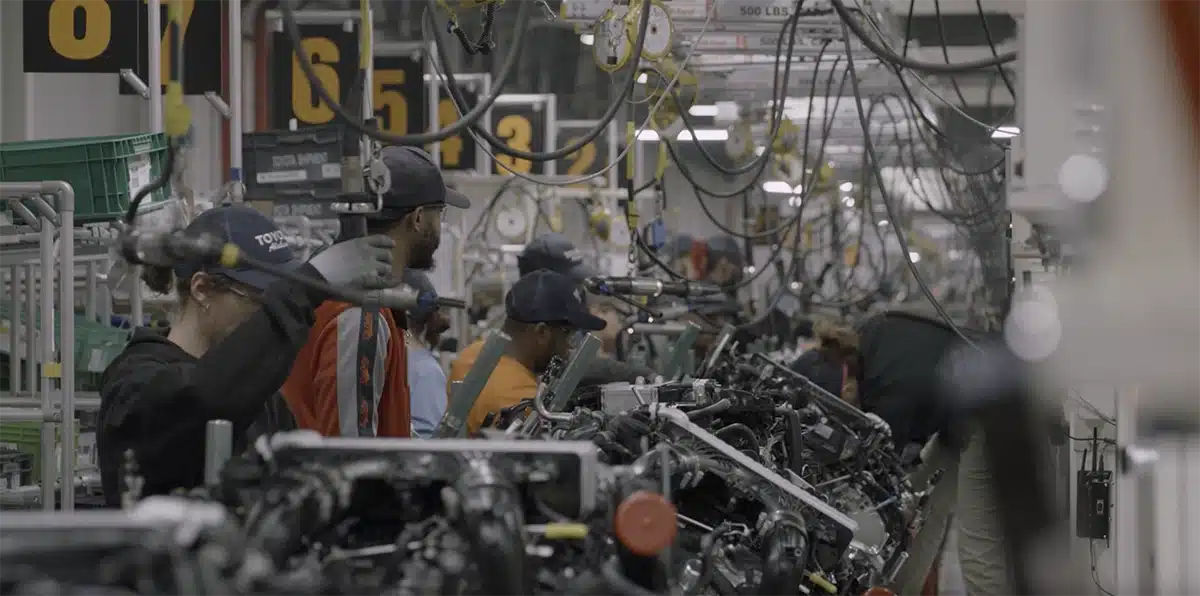
People have wondered, then, how could two plants have the same problem? That seems a bit far fetched until you realize how process oriented Toyota is as a company.
I’ve been fortunate in my career to have visited many Toyota plants including the one in Tahara, Japan and the Huntsville, Alabama plant as well as the San Antonio, Texas plant where the Tundra is built. The assembly line process is the same no matter the location.
The reality is that there is a problem somewhere in their process for cleaning a machined block that is currently being addressed according to their own reports.
Talking with Jacob Brown, Toyota Mobility Manager also in charge of recall communications, he told me the Toyota production and quality control engineers are confident they have narrowed down what is going on and have addressed the problems.
The continual focus on improving the cleaning process combined with the more robust main bearing are seen as the overall solution to the catastrophic engine failure.








5 replies
Loading new replies...
Administrator
Well-known member
Active member
New member
New member
Active member
Join the full discussion at the Forum Pickuptrucktalk →