
In an industry now fueled by software wars and electric-vehicle/autonomous vehicle hype, Wednesday’s memorandum of understanding between Stellantis and Jaguar Land Rover (or JLR) highlights the reality confronting nearly every traditional automaker outside the rarefied air occupied by Tesla and BYD.
In today’s automotive business, scale is no longer a competitive advantage. It’s admission to the game.
TWO TROUBLED AUTOMAKERS

For Stellantis, the sprawling empire stitched together from Fiat Chrysler and PSA Group, the issue is not size. It is identity and focus. The company controls one of the industry’s broadest collections of 14 automotive brands. But scale alone has not produced a clear strategy. Instead, Stellantis feels like a collection of brands searching for a common purpose.
Jaguar Land Rover has a different challenge. Land Rover continues to profit from its high-end SUVs. But Jaguar has spent years trying to reestablish relevance, first as a BMW rival under Ford ownership, then as a luxury crossover brand under current parent company, Tata Motors. Its latest reboot, an attempt to transform into an ultra-premium electric brand, is bold, expensive and far from guaranteed given the changing consumer appetite for EVs in America, the brand’s largest market.
That is what makes this memorandum significant.
FUTURE REWARDS
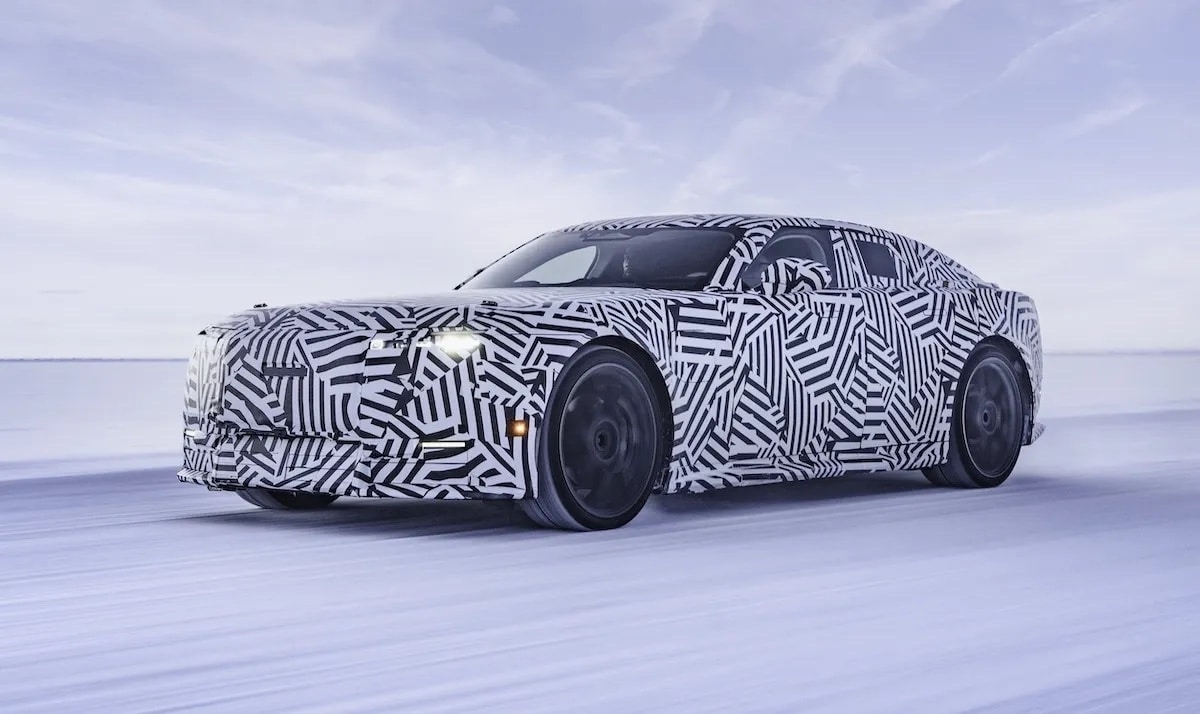
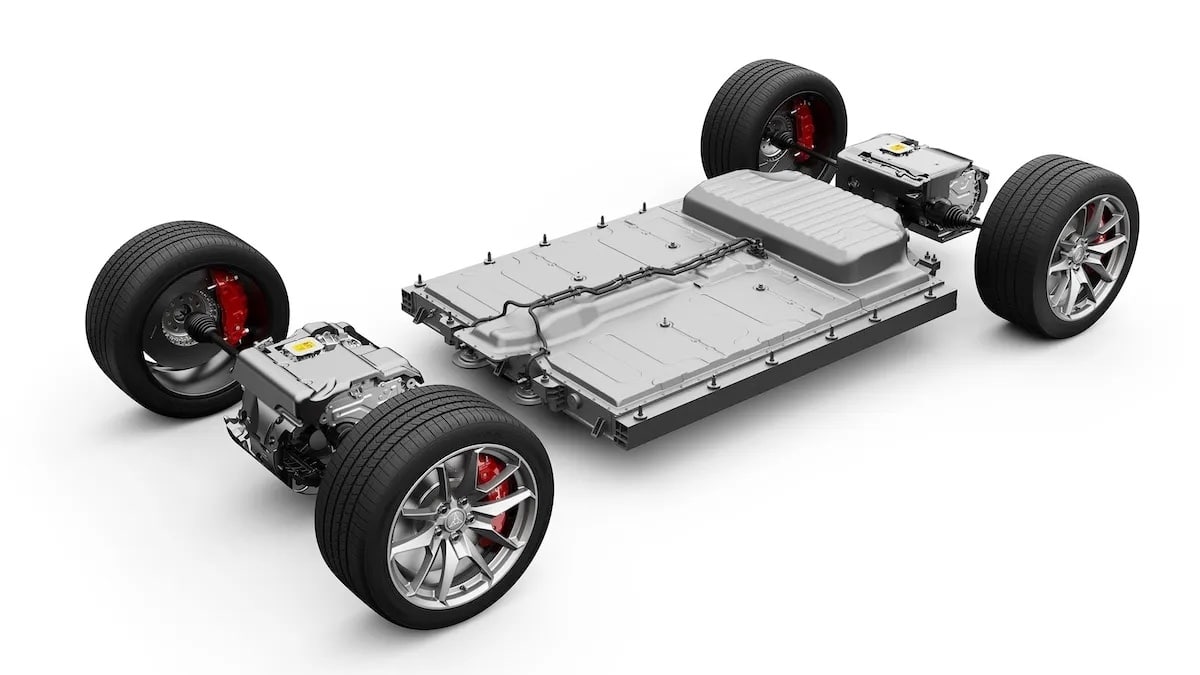
Both companies realize that the next decade will belong to automakers capable of spreading the multi-billion-dollar costs of electrification, software development and regulatory compliance across as many products and markets as possible. Developing EV architectures, sourcing batteries and building advanced software now requires investment few companies can comfortably carry on their own.
For Stellantis, Jaguar Land Rover offers something difficult to manufacture internally: genuine luxury credibility. Despite brands like Maserati and Alfa Romeo, Stellantis has struggled to establish a convincing premium narrative. JLR brings prestige, affluent buyers and globally recognized luxury nameplates like Range Rover and the Defender.
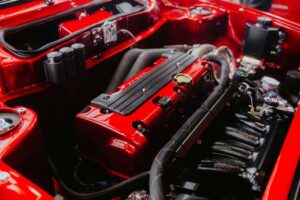
For JLR, the benefits are more practical. Stellantis offers scale in manufacturing, platforms, supply chains and electrification technology that Jaguar cannot easily duplicate. It also possesses an inline-six engine architecture long associated with classic Jaguar performance cars. For Tata Motors, JLR’s parent company, sharing costs increasingly looks like a necessity.
GEOPOLITICAL REALITIES

Politics and economics are also driving these alliances. European automakers now find themselves squeezed between aggressive American tariffs and China’s push for worldwide industrial dominance. China has become the center of gravity for electric vehicles, even as the U.S. pulls government incentives for EVs and retreats behinds a wall of regressive tariffs.
That pressure is producing unlikely partnerships. Stellantis’ growing ties with Chinese automakers Leapmotor and Dongfeng reveal the remarkable reversal in automotive power. Western automakers once entered China believing they would teach Chinese companies how to build world-class vehicles. Increasingly, companies like Stellantis appear to believe their future competitiveness may depend on learning from China instead.
Still, Stellantis continues to face questions about whether its sprawling collection of brands is manageable in the long term. Jaguar, meanwhile, remains in the middle of one of the industry’s most ambitious and uncertain transformations.
THE BROADER CONCERN

And then there is the bigger question: will luxury buyers embrace a Jaguar influenced by Stellantis?
In the premium segment, perception matters as much as engineering. Customers may accept shared software, batteries or unseen architectures, but luxury buyers hesitate when exclusivity seems mass-produced. Platform sharing succeeds when consumers don’t notice it. Luxury brands suffer when the illusion disappears.
For Jaguar, the danger is not technological inferiority. It’s weakening. The brand is attempting to reestablish itself as artistic, exclusive and distinctly British, an image that doesn’t fit Stellantis’ reputation for industrial scale and relentless cost cutting. Never mind that Jaguar founder Sir William Lyons was notoriously frugal.
THE UPSHOT
In the end, this memorandum may not be about creating the next great automotive powerhouse. It may simply be about buying time. Time for Stellantis to prove its scale can become strategic clarity, and time for Jaguar to prove its reinvention is more than an expensive branding exercise.
Because in the end, the real test isn’t whether the partnership can build better cars. It’s whether it can reconcile scale with exclusivity before it quietly erodes the very value it set out to protect.
Editor’s note: This is an updated version of a column that first appeared on The Car Collective Substack. To subscribe to The Car Collective, click here.