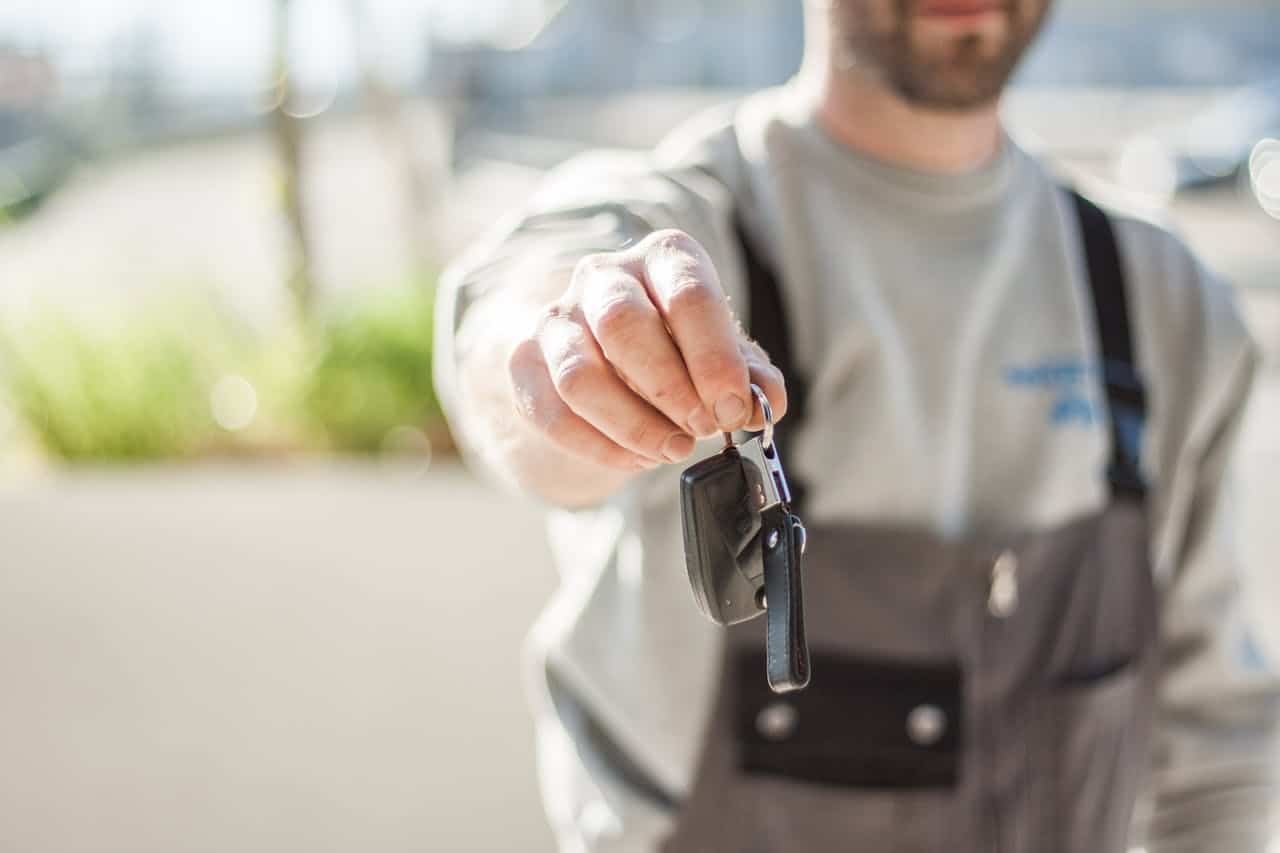
Albania has quietly become one of Europe’s most rewarding destinations — a land where Ottoman-era stone towns rise from olive valleys, where the Ionian coast rivals Greece without the crowds, and where the Accursed Mountains still feel like the edge of the known world. For most international visitors, the journey begins at one place: Nënë Tereza International Airport, just north of the capital. And for travelers who want to see more than the city limits, car rental Tirana airport services are not a luxury — they are the practical key that unlocks the entire country.
This guide is for the traveler who plans to drive: what to expect at the rental counter, what the roads will demand of you, where to go, and how to avoid the mistakes that turn a trip into a story you’d rather not tell.
Why Rent a Car at Tirana Airport
Albania’s public transport is functional, but it operates on its own logic. Intercity buses (called furgon when smaller) leave when full, schedules are informal, and many of the country’s most worthwhile places — Theth in the northern Alps, the Riviera villages south of Vlorë, the mountain monasteries of Voskopojë — are difficult or impossible to reach without your own vehicle.
A rental car gives you something else: the ability to stop. To pull over at a roadside spring where shepherds fill plastic jugs. To eat lamb at a wooden table in a village you cannot find on any tourist map. To watch the sun set over Lake Ohrid without checking a timetable. Albania is a country whose value reveals itself in unscheduled moments, and a car is the instrument that makes those moments possible.
Tirana airport is the natural starting point. It sits 17 kilometers northwest of the city, connected by the SH-60 highway, and handles more than five million passengers a year. Every major rental agency operates here — Avis, Europcar, Enterprise, Hertz, Sixt — alongside dozens of local Albanian companies that often offer lower prices and more flexible terms.
Booking: When, How, and What to Expect
Prices at Tirana airport are among the most affordable in Europe. Small cars start around 18–30 USD per day in low season, with averages around 27 USD for a small vehicle and 28–30 USD for SUVs. The cheapest months are December through February. The most expensive are June through August, when demand from beach tourism peaks.
A few principles worth following:
Book in advance. Booking six days or more before arrival typically secures below-average prices. In summer, book several weeks ahead — the airport fleet is finite, and automatics in particular sell out.
Compare local and international. International brands offer consistency and English-speaking support. Local firms — Abbycar, Rentalux, OB Rent Car, TAC, GCT, Brahimi, among others — frequently charge less and include extras (additional driver, unlimited mileage, insurance) in the base price. Read reviews carefully, however; the local market includes both excellent operators and some that rely on small print.
Check the fuel policy. The most honest is “same-to-same”: you receive the car with a certain level and return it the same way. Avoid “full-to-empty” contracts, which charge a premium fuel rate up front.
Bring the right documents. You need a valid driver’s license — an International Driving Permit is recommended if your license is not in Latin script. You’ll need a credit card in the main driver’s name to cover the deposit; debit cards are often refused. Photo ID and the booking voucher complete the set.
Note the age rules. The standard minimum age is 21, with a young-driver surcharge for those under 25. A few companies require 23 or 25 for larger vehicles.
At the Airport: Pickup Without Surprises
The arrivals hall is small and straightforward. Some rental desks sit inside the terminal; others operate via meet-and-greet, with staff waiting at the exit or near the KFC entrance. A few companies have offices roughly 200 meters from the terminal and provide a short shuttle.
Before you sign anything and before you drive away, do three things:
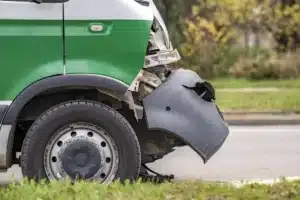
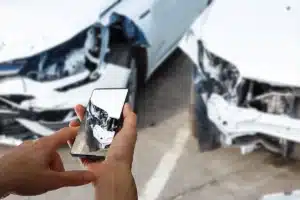
- Walk around the car with the agent. Document every existing scratch, dent, and chip on the rental form. Take photographs of every panel, the wheels, the windshield, and the interior. This single ten-minute habit prevents the most common dispute in the rental industry — being charged for damage you did not cause.
- Test the essentials. Lights, indicators, wipers, air conditioning, the spare tire (if present), the jack. Confirm the fuel level matches what the contract states.
- Read the insurance. Basic Collision Damage Waiver leaves a sizable excess — sometimes 1,000–2,000 EUR — which is blocked on your credit card. Full coverage or third-party excess insurance is worth considering, particularly if you plan to drive on rural roads.
The SH-60 from the airport to Tirana sees heavy traffic between 7:00 and 9:30 in the morning and again from 16:00 to 18:30. If you can choose your pickup time, avoid these windows.
Driving in Albania: What the Roads Will Teach You
Albanian roads have improved dramatically over the last decade. Major highways and tourist routes are paved and well maintained. The new Llogara Tunnel, completed in 2025, has transformed access to the Riviera, replacing the slow climb over the Llogara Pass. The A1 corridor toward Kosovo, including the Kalimash Tunnel, charges a toll — carry cash, as not all booths accept cards.
That said, Albanian driving has its own character, and a wise traveler adapts rather than resists.
Local style is assertive. Drivers change lanes without signaling. Horns are used as communication, not aggression. Maintain your lane, drive predictably, and let impatient drivers pass.
Speed limits are real. Generally 40 km/h in towns, 80 km/h on rural roads, and 90–110 km/h on highways. Police use radar guns frequently, often near town entrances and roundabouts. Tickets are issued on the spot. The blood alcohol limit is 0.05 percent; the safest approach is not to drink at all if you intend to drive.
Pedestrians and animals appear suddenly. In villages, people cross where they wish. Sheep and goats cross mountain roads without negotiation. Reduce speed accordingly.
Avoid driving at night outside cities. Rural roads often have no lighting, no shoulders, and occasional unpaved sections. Hazards that are manageable by day become dangerous in darkness.
Use Waze or Google Maps, but verify with locals. Both work well in Albania, and Waze flags police patrols in real time. In mountainous areas, however, navigation apps occasionally suggest roads that are closed, washed out, or unsuitable for ordinary cars. Ask before committing.
Always carry your documents. Passport, driver’s license, rental agreement, and insurance papers must be in the car. Police checks are routine, particularly near borders, and are usually brief if your papers are in order.
Where to Drive: Routes That Justify the Rental
A few destinations make the case for a rental car more eloquently than any sales page.
Krujë — Just 20 minutes from the airport, this hillside town crowned by the castle of Skanderbeg makes a fine first stop or final day before flying out.
Berat and Gjirokastër — Both UNESCO World Heritage sites, both reachable on paved roads, both impossible to appreciate properly on a day tour. Berat sits roughly two hours south of Tirana; Gjirokastër another two hours beyond.
The Albanian Riviera — From Vlorë south through Himarë to Sarandë, the coast unfolds in a series of pebble beaches, olive groves, and stone villages. The new Llogara Tunnel has made this drive substantially easier.
Theth and Valbona — In the northern Alps, these two villages, linked by a famous hiking trail, sit at the edge of Europe’s wildest landscape. The road to Theth was once a 4×4 affair; it is now paved, though still narrow and winding. An SUV is recommended but not required.
Lake Ohrid and Pogradec — Three hours east of Tirana, on the Macedonian border, this ancient lake offers calm water, lakeside trout restaurants, and the strange feeling of standing at one of the oldest inhabited places in Europe.
A Few Final Practicalities
Fuel — Stations are common in towns and along main highways, less frequent in remote areas. Fill up before mountain trips. Some rural stations accept only cash.
Parking — Free in most villages. Paid zones operate in Tirana, Durrës, and Sarandë; pay through machines or attendants. Tickets are issued promptly and are typically paid at the post office.
Cross-border travel — If you plan to enter Kosovo, North Macedonia, or Montenegro, tell the rental company in advance. Some firms charge a fee for a Green Card and cross-border permission; others prohibit certain crossings entirely. Going without permission can void your insurance.
Emergency numbers — 112 for general emergencies, 129 for police, 127 for ambulance.
A Closing Thought
A rental car in Albania is not merely transport. It is the difference between seeing a country through a window and walking into it. The road from Tirana airport leads in many directions — to coast, to mountain, to monastery, to vineyard — and each of them rewards the traveler who approaches with patience, attention, and respect for the land.
Drive carefully. Stop often. The country is more interesting than your schedule.