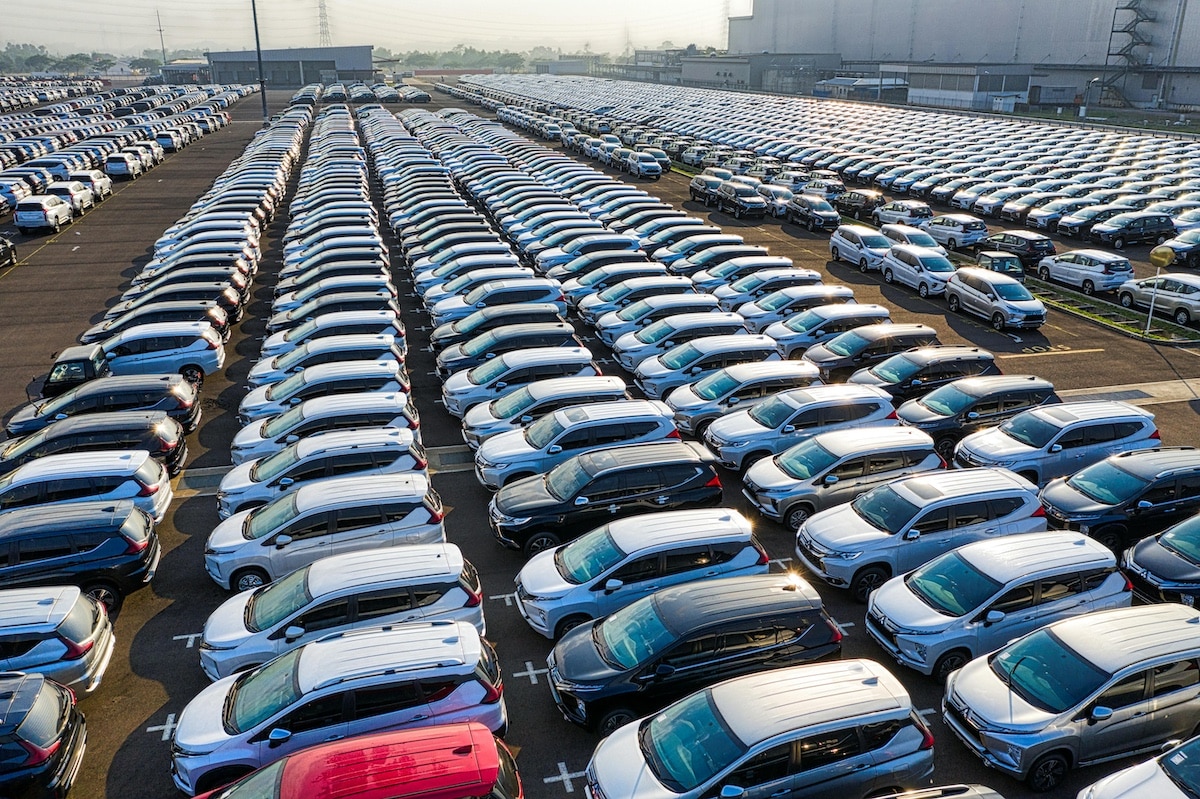
When you want to know why a new car is pushing $50,000, everyone runs to the same answers. It’s tariffs. It’s the lack of cheap base models. It’s buyers loading up on trucks and tech.
That’s all real, but it’s not the whole picture.
There’s a quieter force at work, one that’s less visible, rarely scrutinized, and embedded in how cars are sold in the U.S. A recent study from the International Center for Law & Economics estimates that state franchise laws, rules that require automakers to sell through independent dealers, add between $3,934 and $4,992 to the price of a vehicle. On a $50,000 car, that’s a roughly 8%-to-10% premium. An invisible surcharge, baked in.
In other words, you’re not just buying a car. You’re paying for a system that richly rewards the middleman who stands between you and the new car you want.
A LACK OF COMPETITION
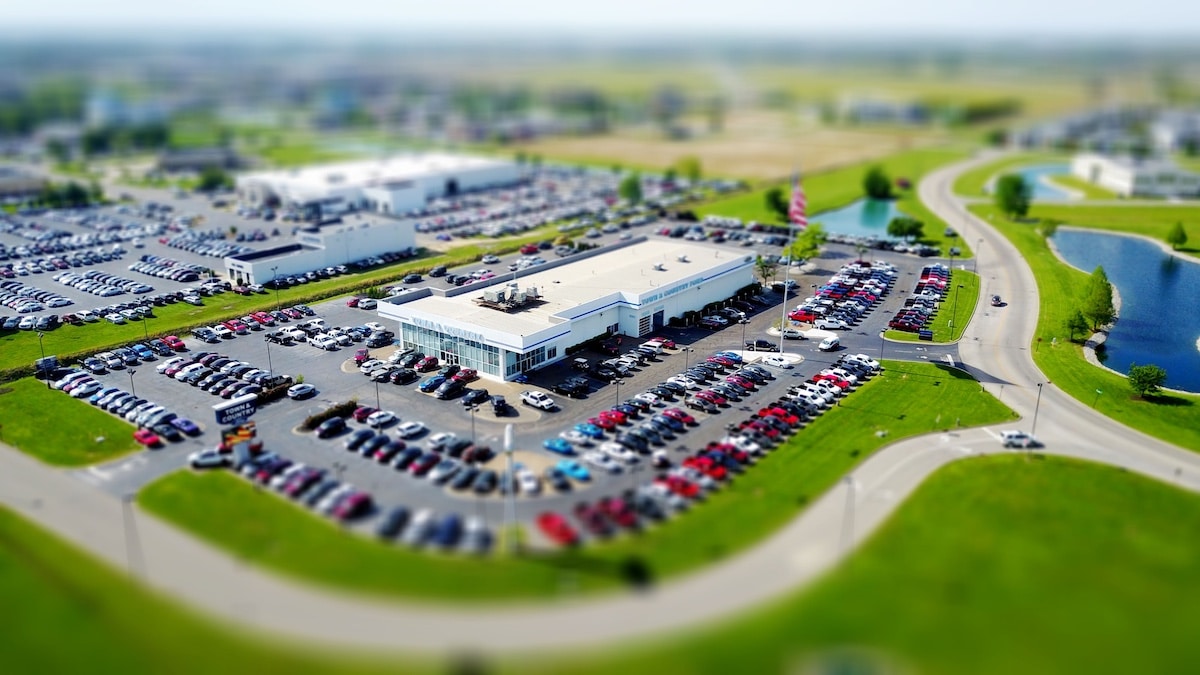
And here’s the thing: you don’t really get a choice. You can shop TVs anywhere. You can pick your real estate agent. Buy a new car, and that choice largely disappears.
Mandating a single way to sell cars doesn’t just add cost. It breaks up what should be a national market, makes a simple transaction complicated, and feels increasingly out of place in a world where people expect to click, compare, and move on.
Which raises a simple question: why is this still written into law?
HOW WE GOT HERE
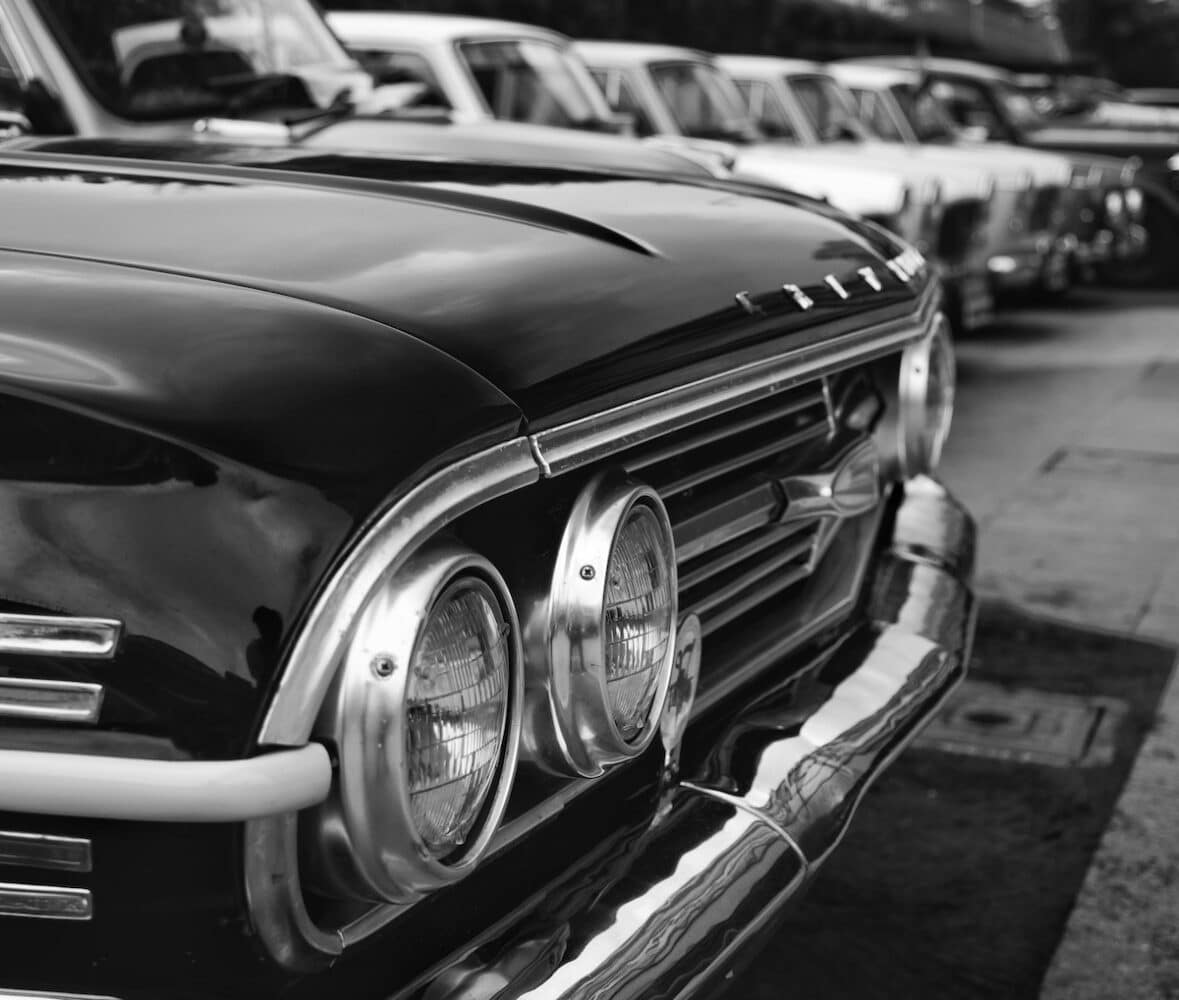
The answer is old; mid-20th century old.
Back then, General Motors, Ford Motor Company, and Chrysler dominated the market and held all the leverage. Automakers could flood lots with unwanted inventory, cancel franchises at will, or undercut dealers by adding nearby competitors. States intervened to protect dealers from coercive practices.
At the time, it made sense. But that market is gone.
DEALERSHIP NETWORKS CONTROL THE MARKET

Currently, Detroit automakers hold roughly a 40% new-car market share amid a crowded field. Meanwhile, dealers have evolved, too. What were once local, family-run businesses are now large, multi-state, publicly-traded companies, including Lithia Motors, AutoNation, Penske Automotive Group, and Group 1 Automotive. Roughly 150 of the nation’s 16,957 dealerships, or less than 1%, generate about 30% of industry revenue, a figure some projections see reaching 50% by 2050.
And regardless of who owns the store, the costs of running a franchise, including real estate, staffing, inventory, and commissions, doesn’t disappear. It shows up in the price you pay.
SOMETHING NEW
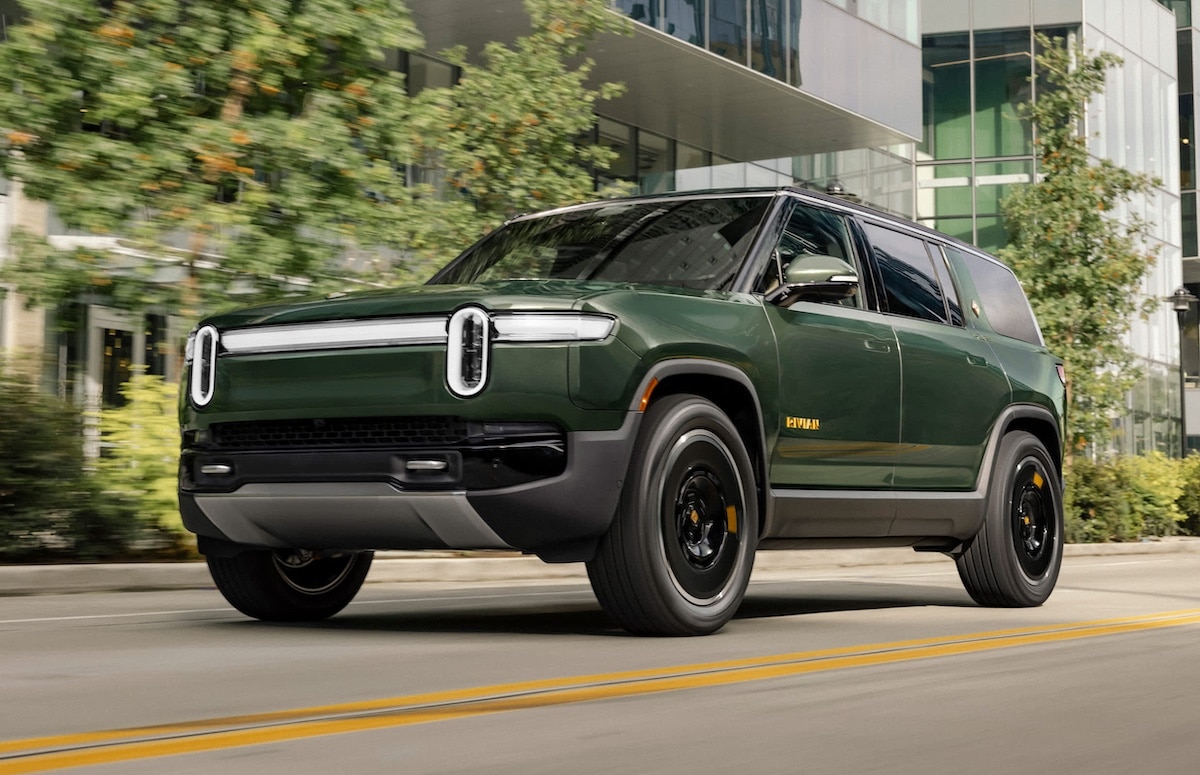
New entrants like Tesla, Inc., Lucid Motors, Rivian, and Scout Motors have skipped the whole arrangement. They sell directly to consumers. No middle layer, no franchise structure. Different model, cleaner line to the customer. The ones complaining? Dealers, who have the most to lose if direct sales are allowed.
This is why outdated automotive franchise laws endure, as dealers have successfully defended them in state legislatures, preserving their economics even as the costs are passed along to consumers.
THE UPSHOT

So, while the car buyer is evolving, the laws governing how cars are sold are not.
Online retail has reset expectations around the ability to handle everything from price transparency and purchasing to updates and service through a single digital experience. Cars themselves are becoming software platforms, not just hardware you drive off a lot and forget about. When everything else consolidates into one ecosystem, the extra layer starts to stand out not as essential, but as expensive. And when you remove unnecessary cost, prices drop. More people can afford to buy cars. The market expands.
That’s the part that’s hard to ignore.
The original rationale for the franchise system, including consumer protection, local service and market stability, made sense in its time. But the tools available today do those jobs faster, cleaner, and often better.
The system isn’t just getting old. It’s being replaced.
When you want to know why a new car is pushing $50,000, everyone runs to the same answers. It’s tariffs. It’s the lack of cheap base models. It’s buyers loading up on trucks and tech.
That’s all real, but it’s not the whole picture.
There’s a quieter force at work, one that’s less visible, rarely scrutinized, and embedded in how cars are sold in the U.S. A recent study from the International Center for Law & Economics estimates that state franchise laws, rules that require automakers to sell through independent dealers, add between $3,934 and $4,992 to the price of a vehicle. On a $50,000 car, that’s a roughly 8%-to-10% premium. An invisible surcharge, baked in.
In other words, you’re not just buying a car. You’re paying for a system that richly rewards the middleman who stands between you and the new car you want.
A lack of competition
And here’s the thing: you don’t really get a choice. You can shop TVs anywhere. You can pick your real estate agent. Buy a new car, and that choice largely disappears.
Mandating a single way to sell cars doesn’t just add cost. It breaks up what should be a national market, makes a simple transaction complicated, and feels increasingly out of place in a world where people expect to click, compare, and move on.
Which raises a simple question: why is this still written into law?
How we got here
The answer is old; mid-20th century old.
Back then, General Motors, Ford Motor Company, and Chrysler dominated the market and held all the leverage. Automakers could flood lots with unwanted inventory, cancel franchises at will, or undercut dealers by adding nearby competitors. States intervened to protect dealers from coercive practices.
At the time, it made sense. But that market is gone.
Today’s reality
Currently, Detroit automakers hold roughly a 40% new-car market share amid a crowded field. Meanwhile, dealers have evolved, too. What were once local, family-run businesses are now large, multi-state, publicly-traded companies, including Lithia Motors, AutoNation, Penske Automotive Group, and Group 1 Automotive. Roughly 150 of the nation’s 16,957 dealerships, or less than 1%, generate about 30% of industry revenue, a figure some projections see reaching 50% by 2050. And regardless of who owns the store, the costs of running a franchise, including real estate, staffing, inventory, and commissions, doesn’t disappear. It shows up in the price you pay.
Something new
New entrants like Tesla, Inc., Lucid Motors, Rivian, and Scout Motors have skipped the whole arrangement. They sell directly to consumers. No middle layer, no franchise structure. Different model, cleaner line to the customer. The ones complaining? Dealers, who have the most to lose if direct sales are allowed.
This is why outdated automotive franchise laws endure, as dealers have successfully defended them in state legislatures, preserving their economics even as the costs are passed along to consumers.
The upshot
So, while the car buyer is evolving, the laws governing how cars are sold are not.
Online retail has reset expectations around the ability to handle everything from price transparency and purchasing to updates and service through a single digital experience. Cars themselves are becoming software platforms, not just hardware you drive off a lot and forget about. When everything else consolidates into one ecosystem, the extra layer starts to stand out not as essential, but as expensive. And when you remove unnecessary cost, prices drop. More people can afford to buy cars The market expands.
That’s the part that’s hard to ignore.
The underlying point of the research is hard to ignore. The original rationale for the franchise system, including consumer protection, local service and market stability, made sense in its time. But the tools available today do those jobs faster, cleaner, and often better.
The system isn’t just getting old. It’s being replaced.
Editor’s note: This is an updated version of a column that first appeared on The Car Collective Substack. To subscribe to The Car Collective, click here.