There was a time not all that long ago when the name Chrysler meant something. Nothing flamboyant or chest-thumping. That was Dodge’s territory. Chrysler dealt in a quieter kind of confidence: composed, well turned-out automobiles that represented the top shelf of what the corporation could do without making a spectacle of it.
WHAT CHRYSLER HAS LOST
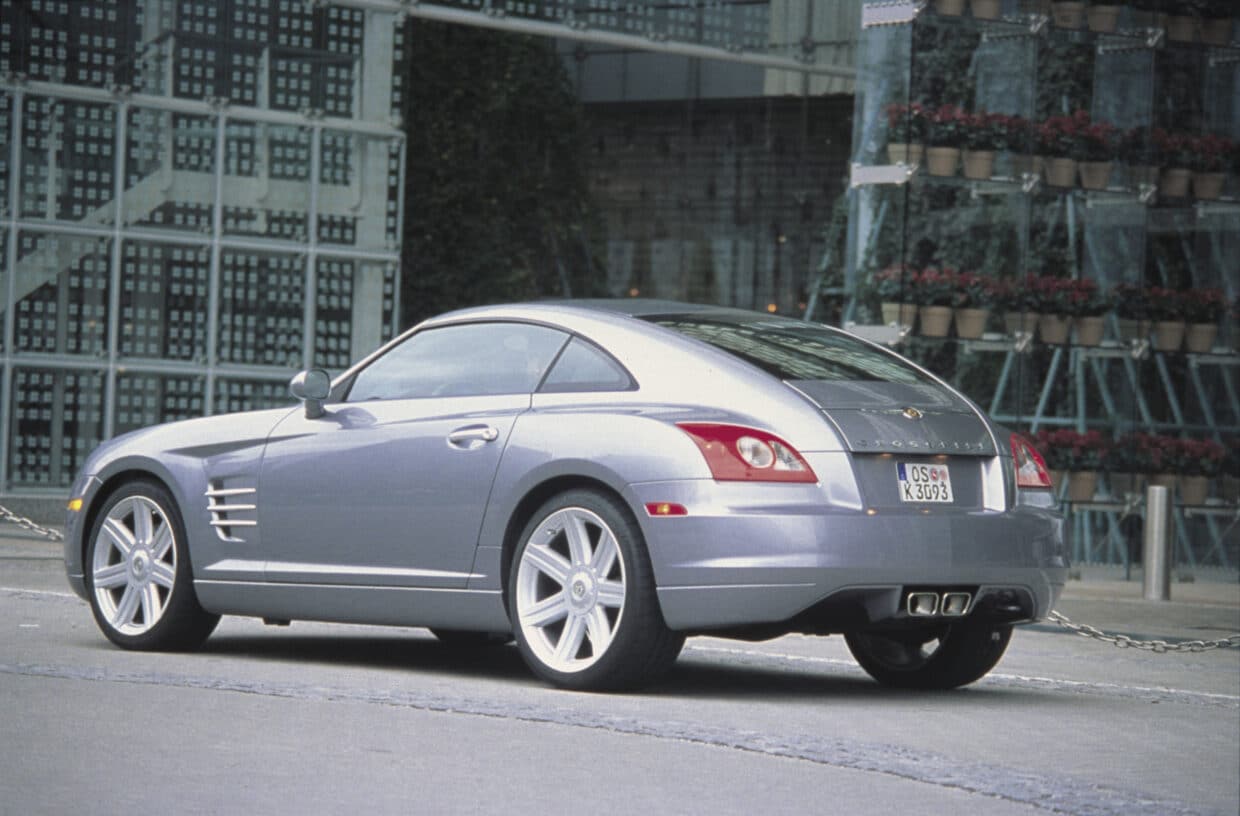
Go back twenty years and the cupboard wasn’t bare. You had the 300, which looked like it understood its own mission of black-tie muscle. The Crossfire was an elegantly odd Art Deco coupe and roadster. The Sebring, in both sedan and convertible form, played its role without apology. The PT Cruiser, which, love it or not, proved to be a popular part of the lineup. And the Town & Country, doing its job with a certain polished ease.
Now, all you’ve got is a minivan.
A very good minivan, granted. The Pacifica is smart, well-engineered, and entirely competent at the uncelebrated task of moving families and everything that comes with them. In 2025, it did nearly all the heavy lifting selling 110,006 out of 126,373 units, with another 15,792 Voyagers and a scattering of leftover 300s rounding out the total. That’s not a product range. That’s a life raft.
The pulse is still there, but you have to look for it.
LET’S TALK ABOUT CHRYSLER’S SALES
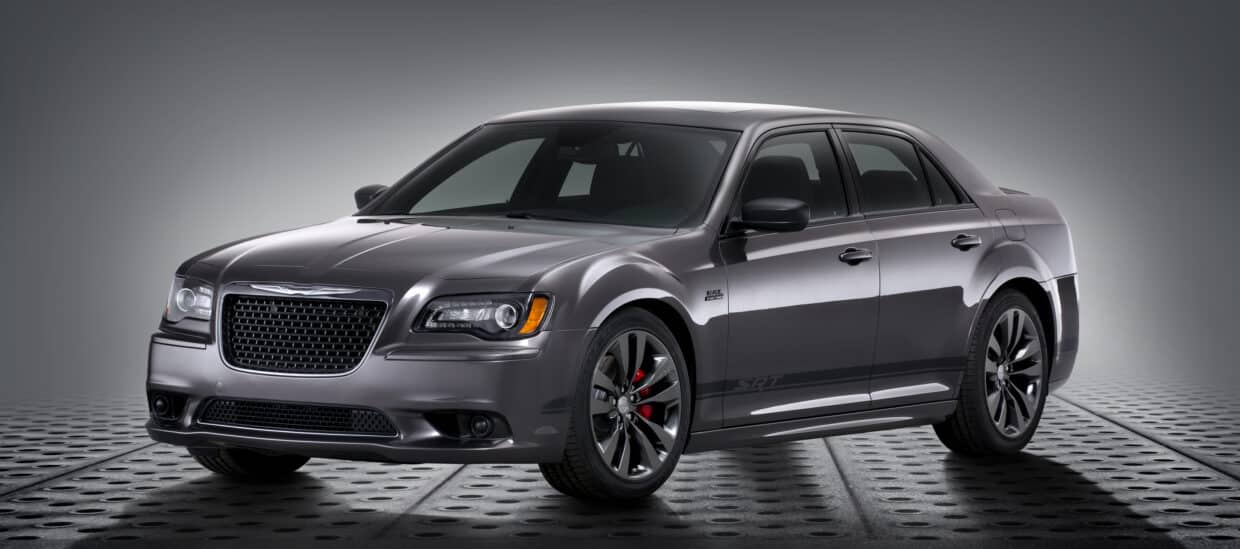
You can walk into a showroom and buy a new Chrysler, which already puts it ahead of a few names that have slipped quietly into history. It hasn’t collapsed. In fact, sales nudged up 1.3% last year. In the context of Stellantis, that almost counts as momentum. Consider that Ram slipped 2%, Dodge dropped 28%, Fiat fell 14%, and Alfa Romeo tumbled 36%. Only Jeep did slightly better, with sales up 0.97%. So yes, there’s still some residual goodwill attached to that winged badge.
Within Stellantis, Jeep mints money, while Ram underwrites the truck business, and the European brands are fighting for any shred of relevance. In that lineup, Chrysler feels like the relative who’s still invited to dinner, but hasn’t been given a place card.
That uncertainty extended right up to the executive suite. Christine Feuell held the Chrysler CEO role from 2021 until this past March, when she was replaced by Matt McAlear, who also has Dodge on his plate. Whether that signals renewed focus or further dilution is an open question.
CHRYSLER’S IDENTITY CRISIS
Which leads to a more basic one: what is Chrysler supposed to be?
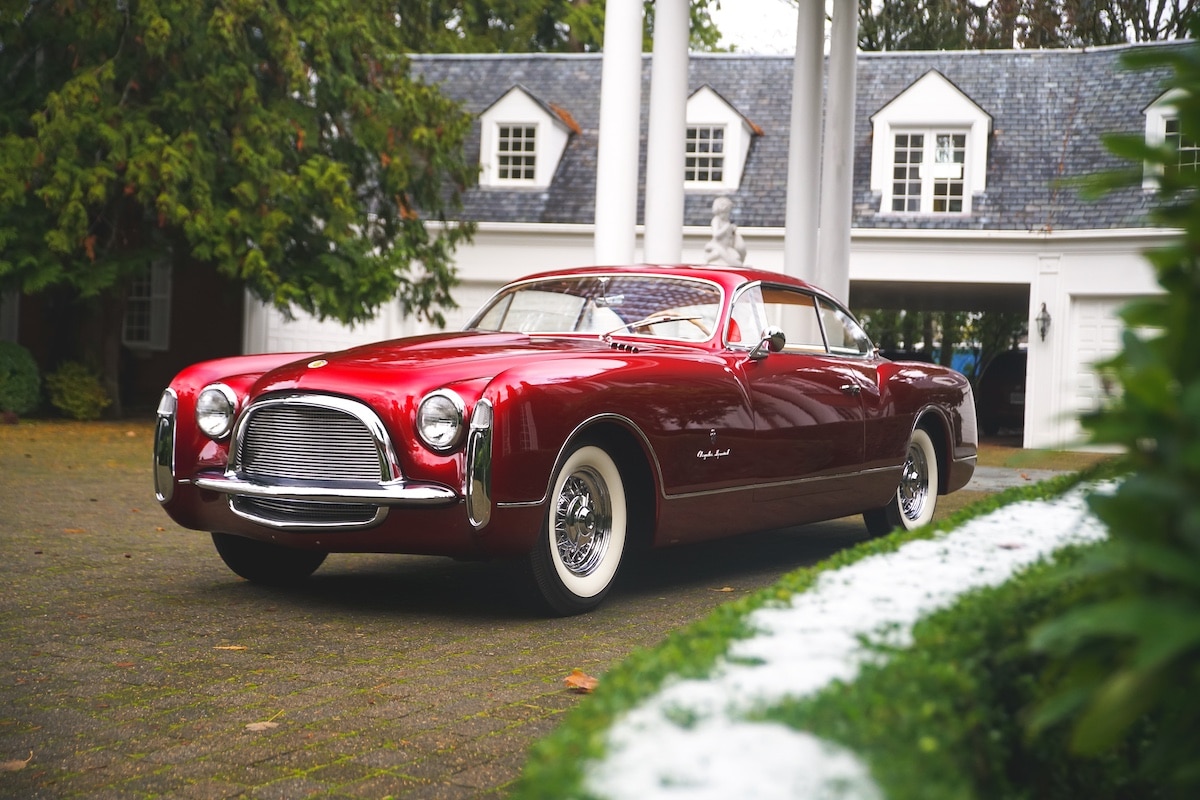
At its best, Chrysler was a brand where real engineering effort met a distinctly American idea of luxury that was restrained, confident, and thoughtfully executed. The 300 had presence without theatrics. The letter cars had authentic style. The Town & Country woodies carried a kind of easy elegance. Imperial once took a credible run at the world’s best. The Airflow arrived early with ideas the market wasn’t ready to accept. Even the Chrysler Ghia left fingerprints on what would become Volkswagen’s Karmann Ghia. And yes, the minivans, those unlikely icons, were clever in a way that was uniquely American.
Today, the brand feels less like a point of view and more like a placeholder.
IS THERE A FUTURE?
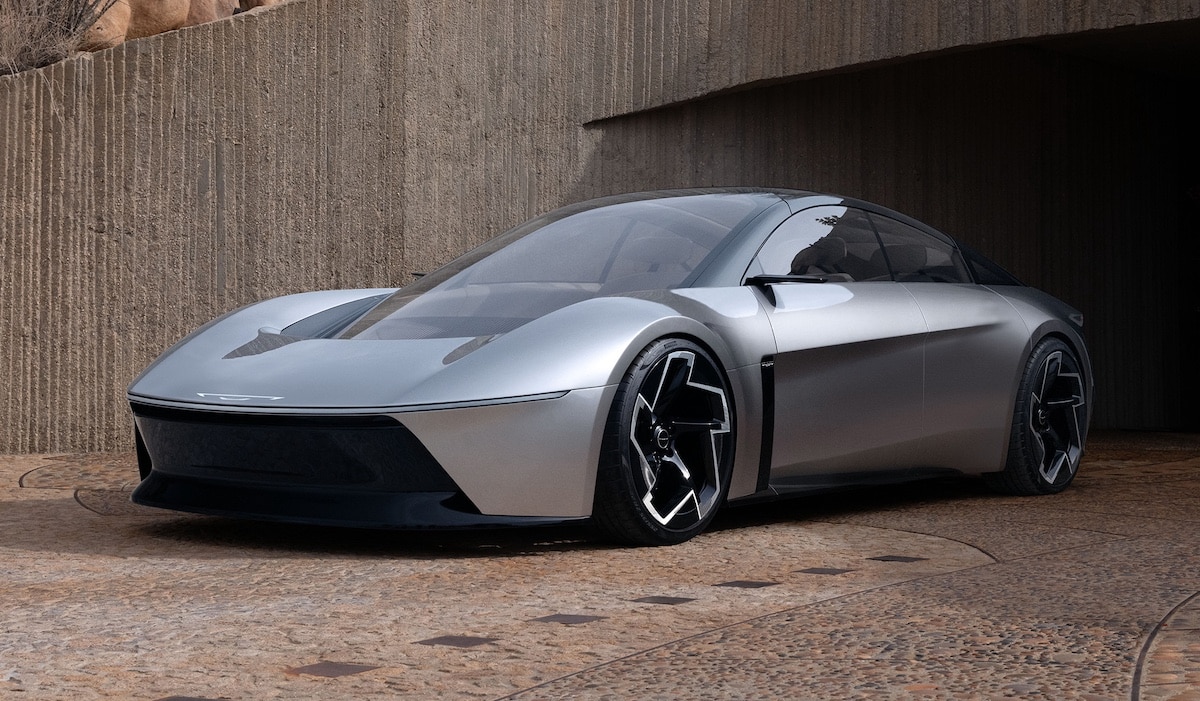
There’s talk, of course. Reinvention. Electrification. Concept cars like the Airflow in 2022 and the Halcyon in 2024 sketch out a possible future. It all sounds reasonable enough. Then you remember those plans were drawn up when an all-electric future seemed inevitable, before the industry started hedging its bets. Then there’s the cost. Reinventing a brand isn’t cheap, and Stellantis already has no shortage of claimants competing for those same resources.
And yet, part of Chrysler’s future seems to have arrived.
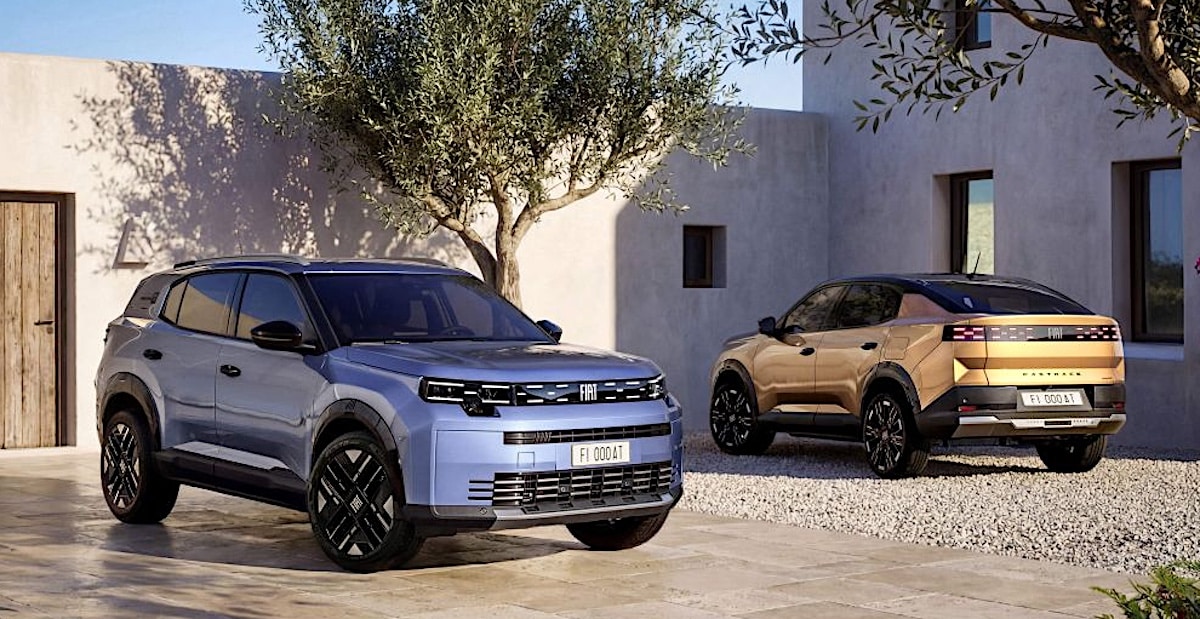
Chrysler’s corporate cousin Fiat recently unveiled two new compact, unibody crossovers, the Grizzly and Grizzly Fastback. On the surface, they are simply the latest additions to the automaker’s expanding global lineup. But inside Stellantis, their significance runs much deeper.
Chrysler is expected to receive its own versions of both vehicles as the Arrow and Arrow Cross, making these Fiat models far more than a product launch. They are an early test of whether Stellantis can finally engineer a credible revival for Chrysler, a marque that has spent years searching for a clear identity, a competitive portfolio, and, increasingly, a reason to exist.
In that sense, the Grizzly twins are not just new Fiats. They may represent the foundation upon which Chrysler’s future is built.
THE UPSHOT
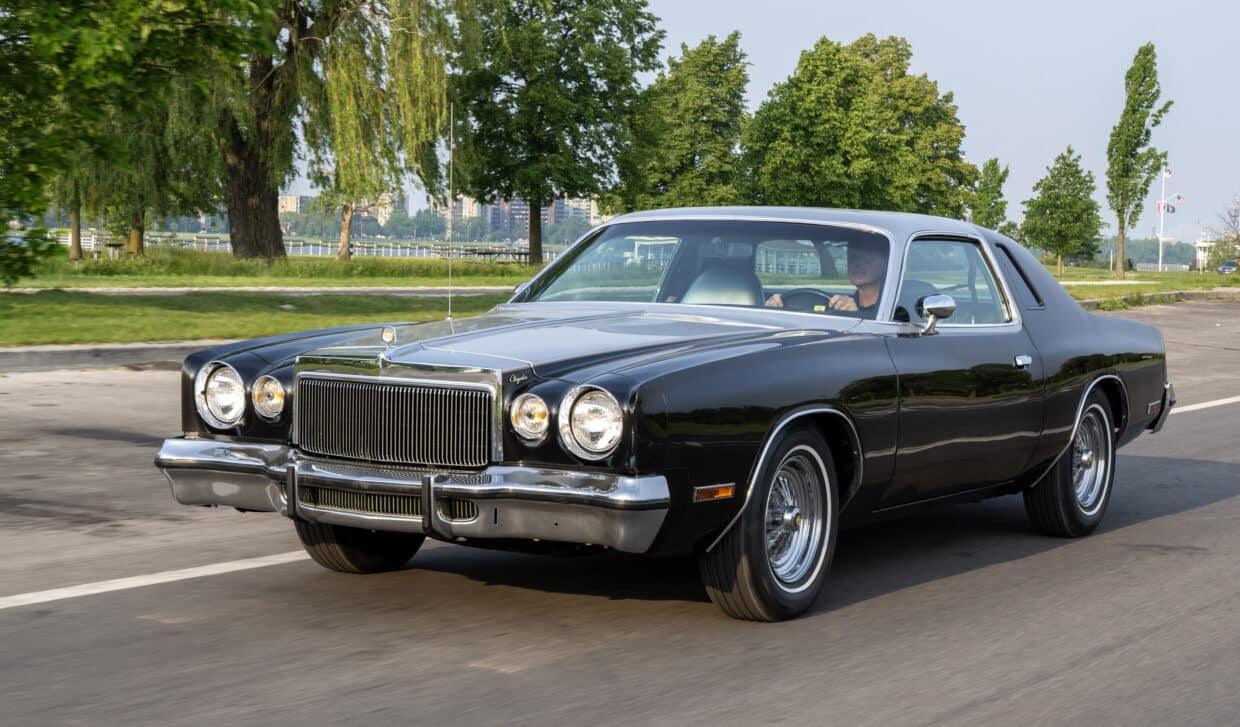
And so it seems that writing off Chrysler seems premature. Names matter in this business. History matters. Chrysler still has both, even if they’re gathering a bit of dust. You don’t have to explain what Chrysler is or was to anyone who’s been paying attention.
That alone won’t save it. But it does raise the question: is there anyone left inside Stellantis who thinks it’s worth saving?
Editor’s note: This is an updated version of a column that first appeared on The Car Collective Substack. To subscribe to The Car Collective, click here.