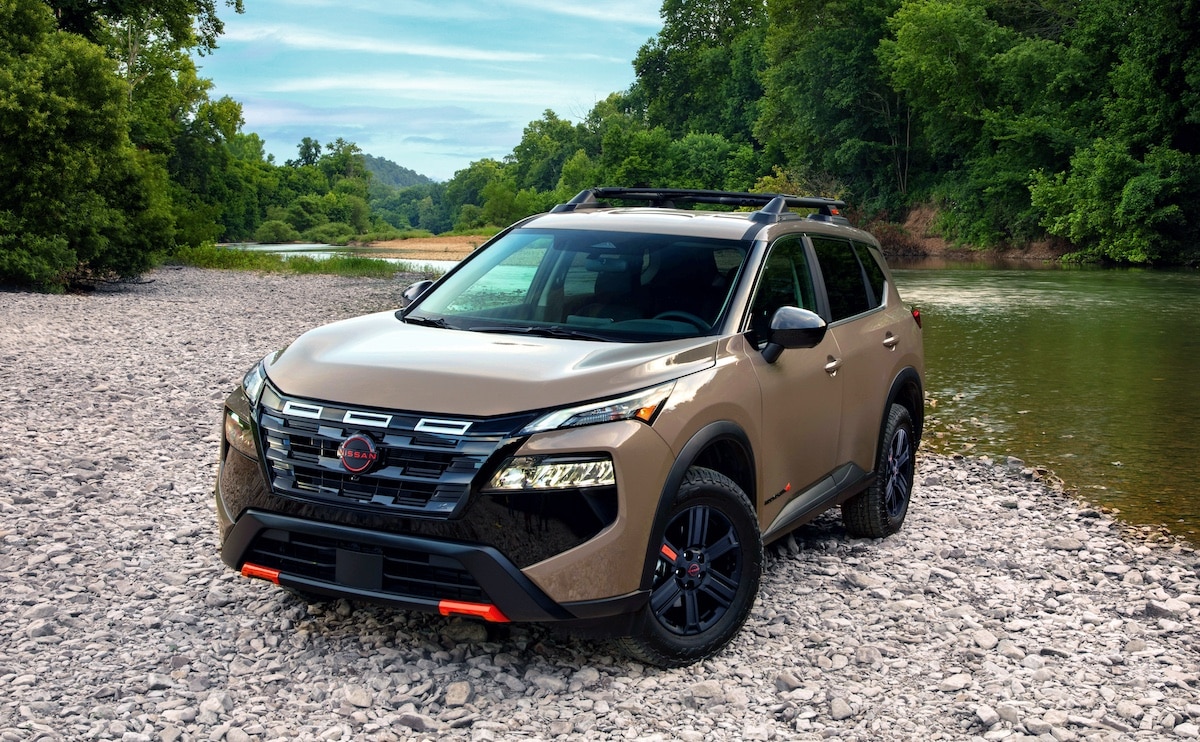
The 2026 Nissan Rogue is America’s answer to a question nobody remembers asking, which is fitting, because nobody remembers much about the Rogue either until it’s parked in their driveway and quietly doing its job like a very competent appliance that happens to have cupholders.
THE 2026 NISSAN ROGUE’S ROLE
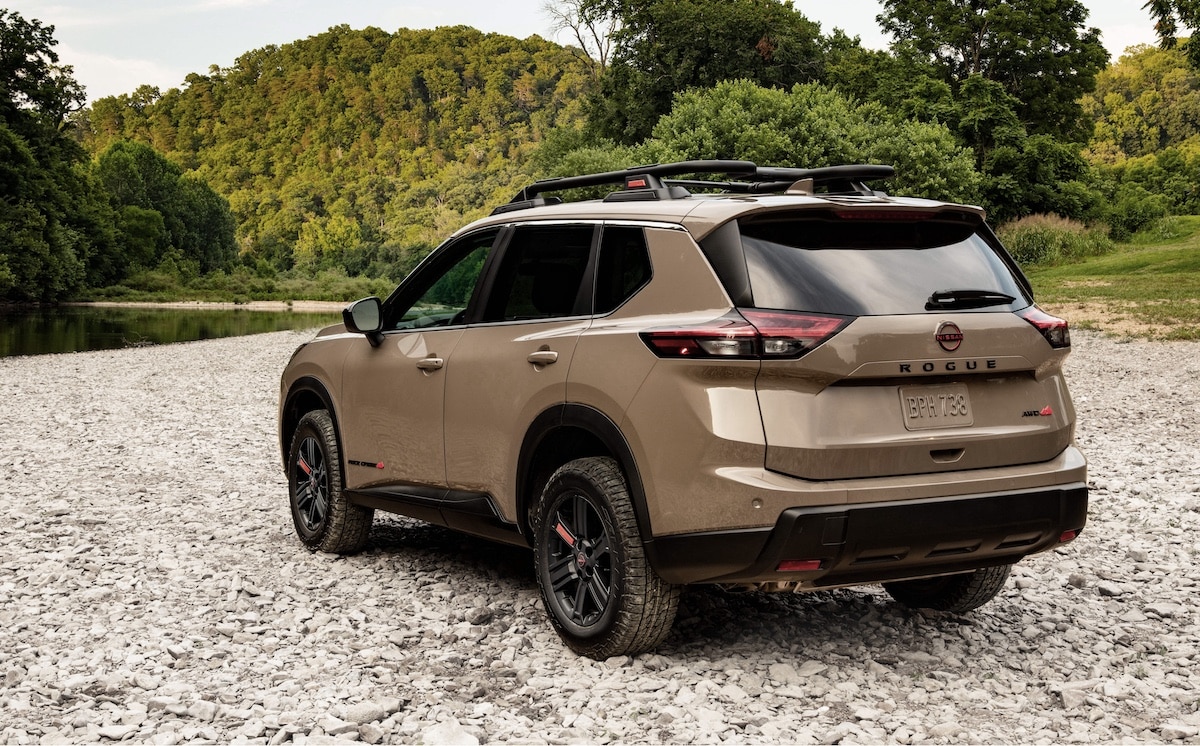
It isn’t bad. That would imply it provokes a reaction. The Rogue’s true achievement is more ambitious: it inspires none.
It exists in that vast middle layer of modern consumer life where dishwashers, streaming subscriptions, and municipal services reside—utterly essential, completely unremarkable, and discussed only when something goes wrong. It is sold by the millions, cross-shopped by the anxious, leased by the practical, and forgotten almost immediately by everyone involved.
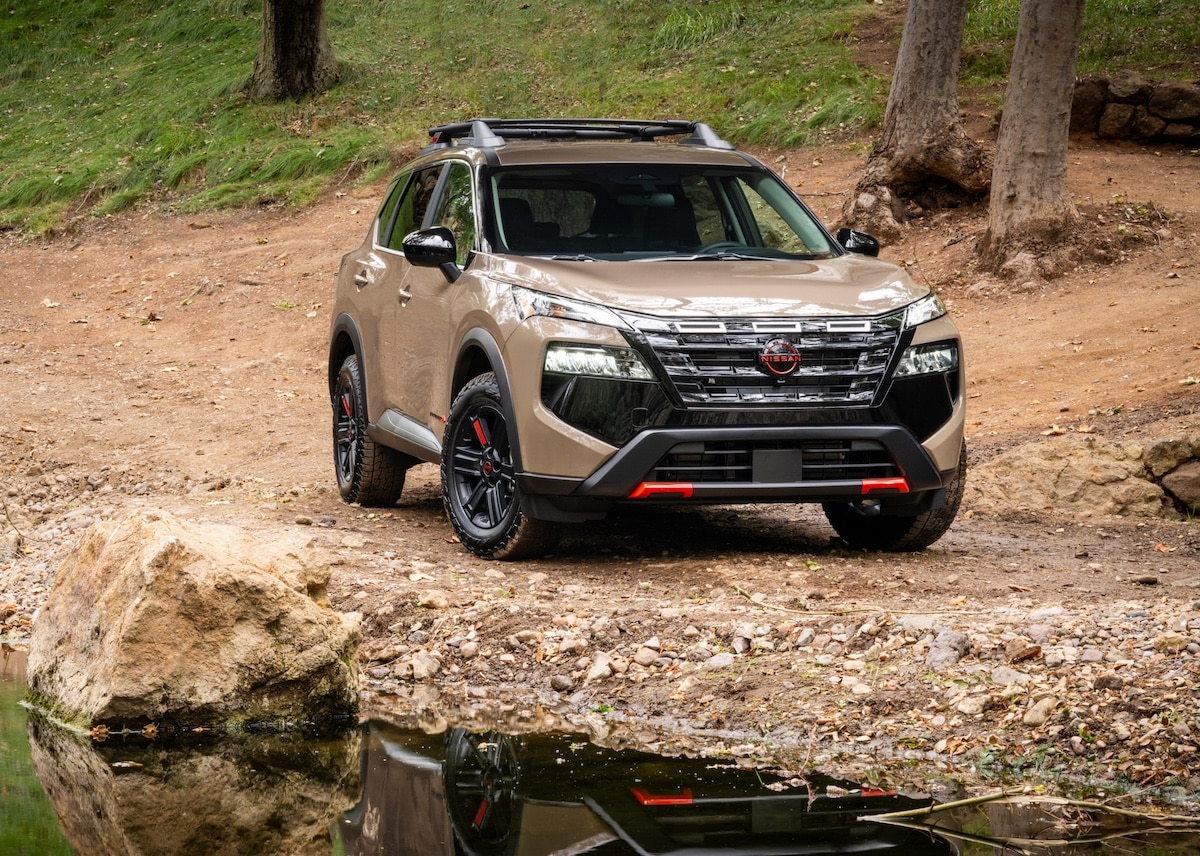
Nevertheless, it is attractive. The front end wears a revised interpretation of the V-Motion grille, and enough satin trim to suggest someone briefly considered elegance before remembering this is still a compact crossover.
THE INSIDE STORY
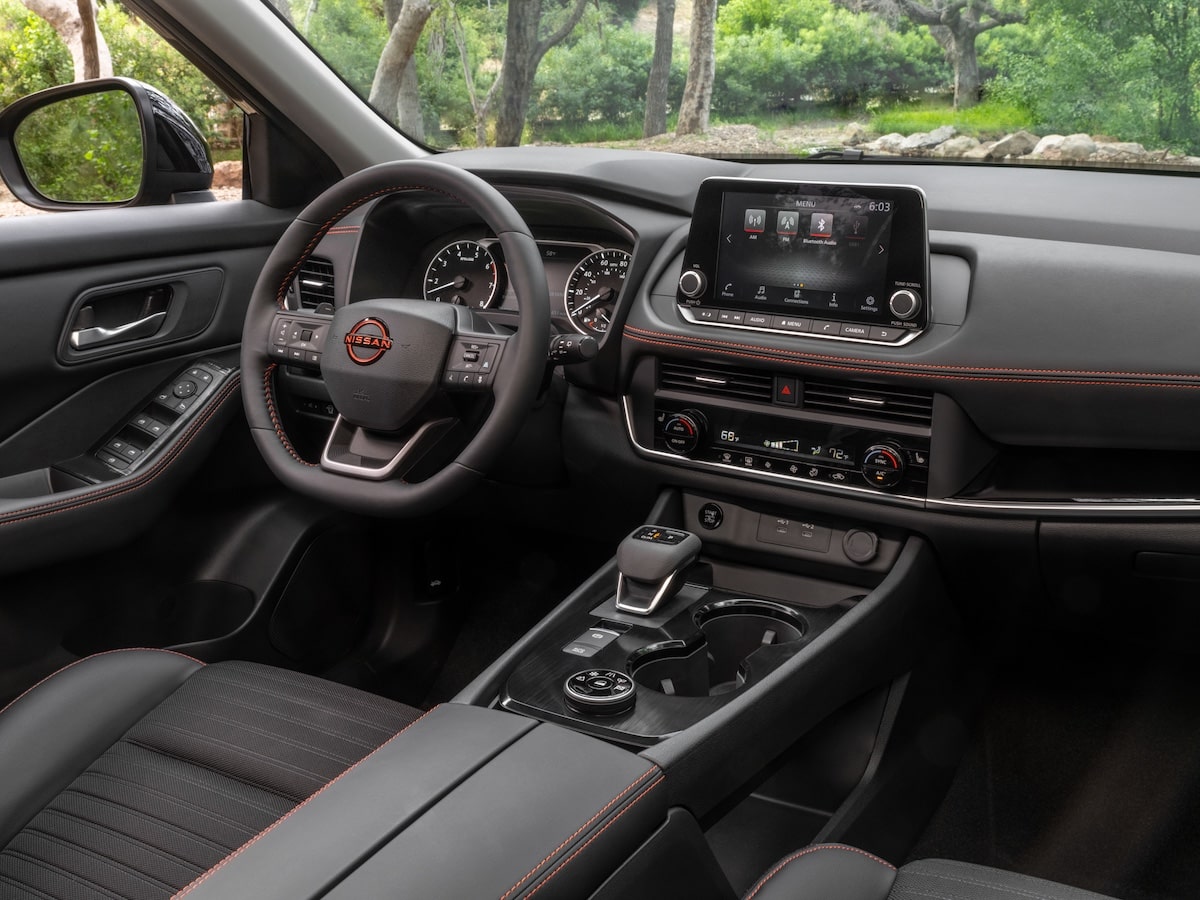
Open the door and you’ll find that Nissan does something almost subversive: it leaves things alone.
While the rest of the industry races to turn dashboards into mood-lit tablets designed by people who have never argued with Bluetooth, the Rogue retains actual physical controls. Knobs. Buttons. A volume dial that does not require cloud authentication or a software update.
It feels, refreshingly, like it was designed by people who have driven cars rather than people who conceptualize them during Zoom calls between app launches.
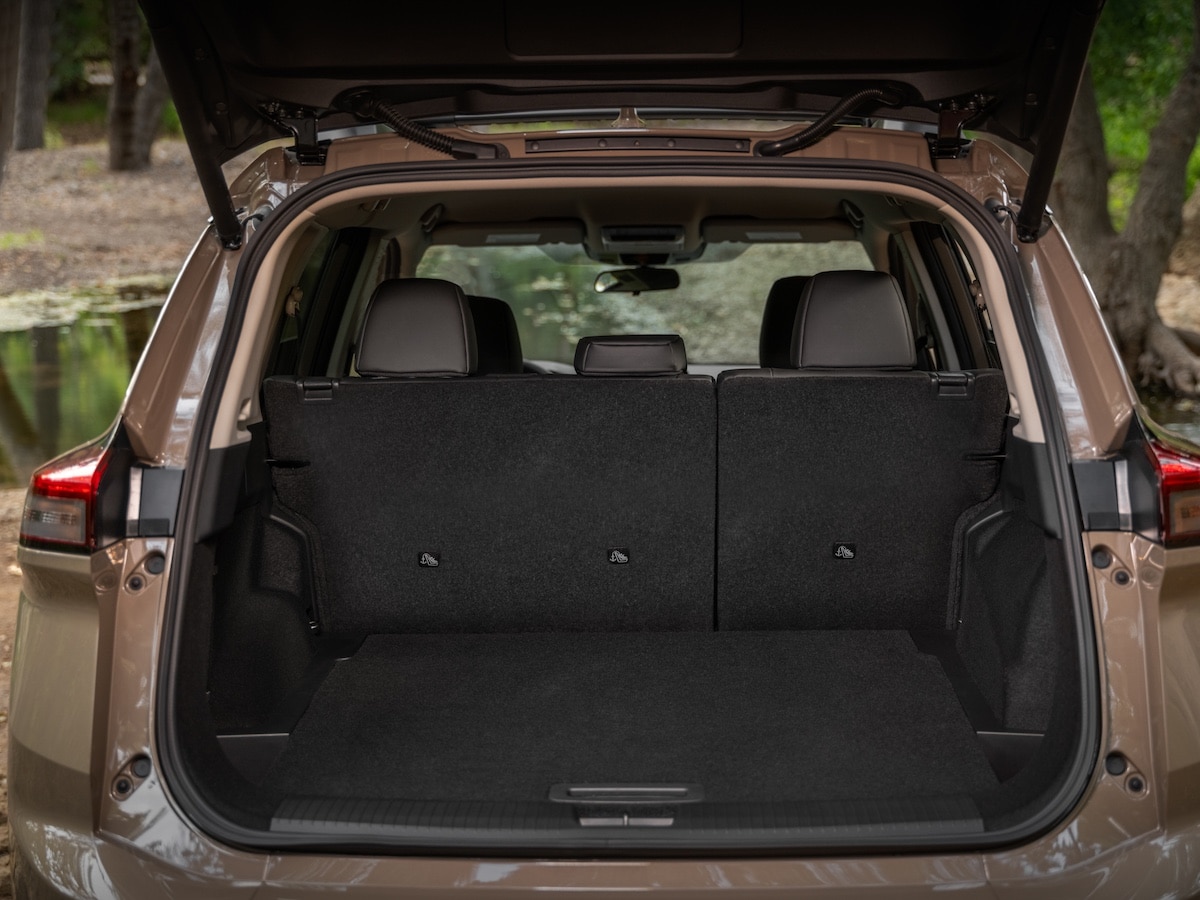
Space remains the Rogue’s strongest argument for existence. There is enough of it to accommodate luggage, groceries, sports gear, and the miscellaneous debris of suburban adulthood that accumulates when life stops being about freedom and starts being about errands.
It is quiet too, quiet in the way modern cars are when engineers successfully convince the outside world to leave.
UNDER THE HOOD
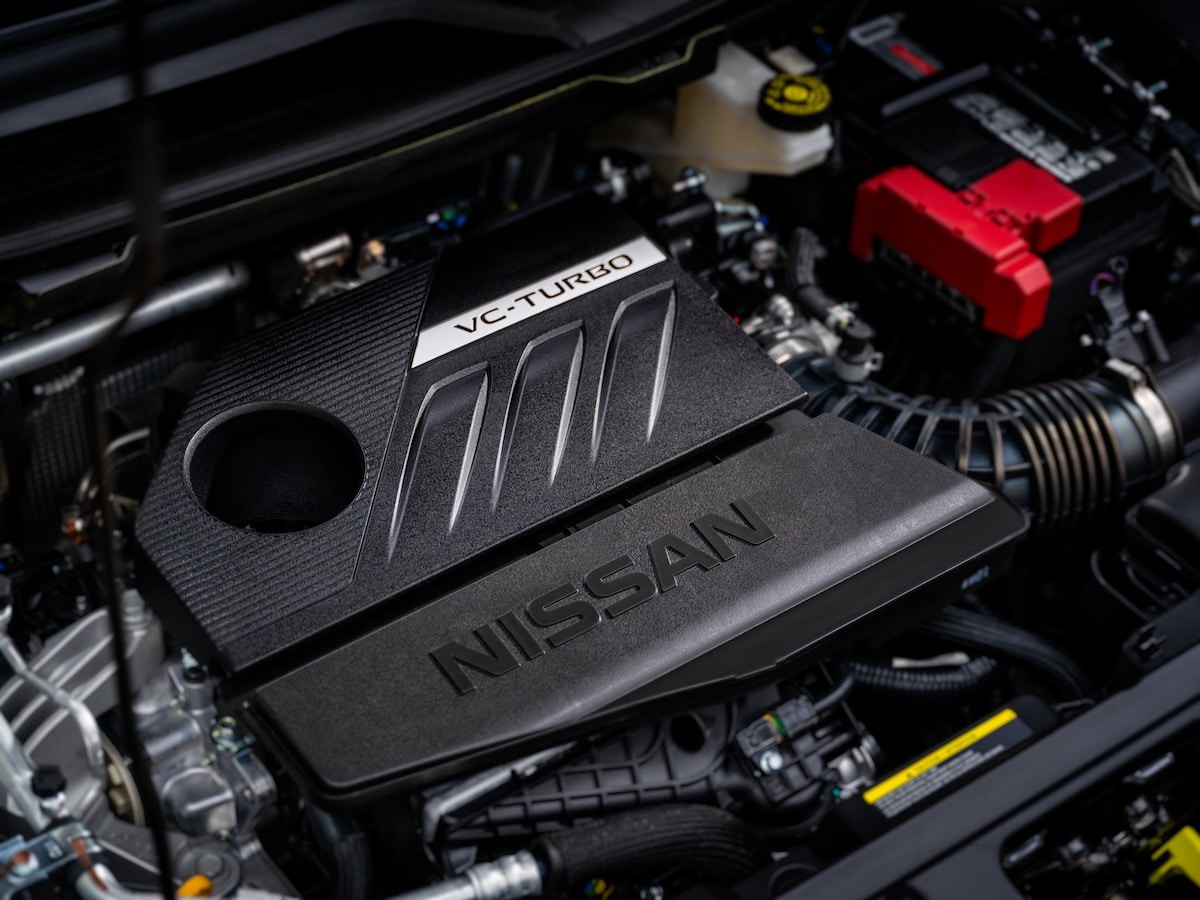
Power comes from Nissan’s 1.5-liter variable-compression turbocharged three-cylinder engine, a description that sounds less like transportation and more like a lab experiment that escaped peer review.
On paper, it produces 201 horsepower and 225 lb-ft of torque, which is just enough to avoid embarrassment. Off the line there is a brief hesitation, as though the engine is reviewing the request for acceleration and deciding whether it meets policy guidelines. Then it moves along with surprising willingness.
The CVT is still here, of course, but it behaves with unusual restraint, like someone at a party who has read the room and decided not to ruin everything. There is less of the familiar rubber-band drama and more of a reasonable impersonation of mechanical dignity. Front-wheel drive is standard on all but the Rock Creek Edition, which gets standard all-wheel drive and modest off-road upgrades that do little to enhance its abilities once the sidewalk ends.
BEHIND THE WHEEL
Ride quality is where the Rogue quietly earns its keep. America’s roads, increasingly resembling unfinished archaeological digs interrupted by occasional attempts at pavement, are handled with calm indifference. The suspension doesn’t complain, doesn’t panic, and doesn’t turn every pothole into a philosophical statement.
Handling is fine, which is both its praise and its limitation. It turns, it stops, it behaves. Nobody will ever confuse it for something that has opinions or enthusiasm.
THE UPSHOT
Which brings us to the name.
Rogue suggests mischief. Defiance. A willingness to break rules, ignore authority, and disappear into the night with forged documents and a questionable past.
This vehicle does none of that.
It’s not exciting. It’s not rebellious. It’s not remotely rogue-like. But it is competent. Quietly, stubbornly, relentlessly competent. And that’s the essence of the 2026 Nissan Rogue. It unobtrusively disappears into your daily life and carries it forward without complaint.
In fact, the 202 Nissan Rogue does it so well, you might want to name it Jeeves.