Buying a car is expensive, so it’s important to think about cars that save money not just up front, but over time. Keeping a car on the road can be a money suck. Fuel costs, insurance, repairs, depreciation, and maintenance all pile up over the years until that “great deal” suddenly looks like a 401k in 2008.
But some vehicles quietly become legends for one simple reason: they refuse to drain your bank account. The following five vehicles consistently save owners the most money over time thanks to reliability, strong resale value, low maintenance costs, excellent fuel economy, and affordable ownership overall.
Toyota Corolla
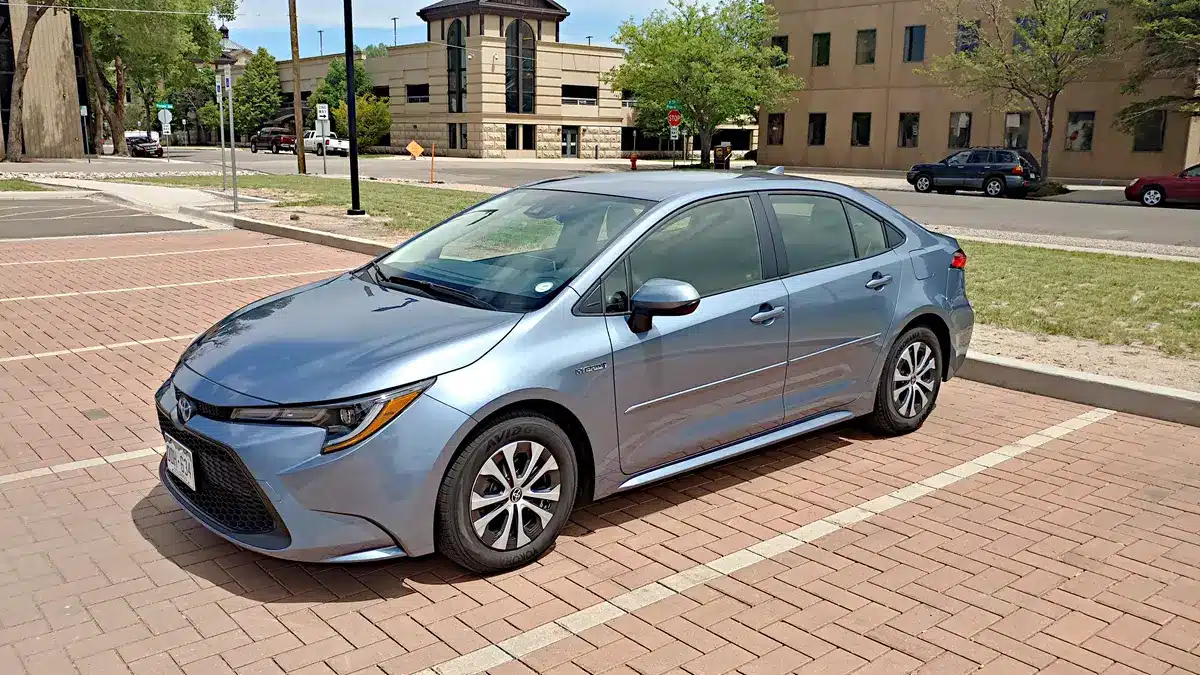
Toyota Corolla has spent decades building its reputation as the automotive equivalent of grandpa’s Old Timer knife: boring, dependable, and immortal. That reputation exists for a reason.
Corollas regularly surpass 200,000 miles with just basic maintenance. When they are needed, parts are inexpensive, and fuel economy is excellent across both gasoline and hybrid versions. Insurance rates also tend to stay reasonable because the Corolla isn’t exactly known for attracting street racers with face tattoos.
The hybrid version pushes fuel savings even further, often returning fuel economy numbers that rival a Prius (also on our list).
Why it saves money:
- Outstanding long-term reliability
- Excellent fuel economy
- Cheap maintenance and repair costs
- Strong resale value
- Low insurance rates
Honda Civic
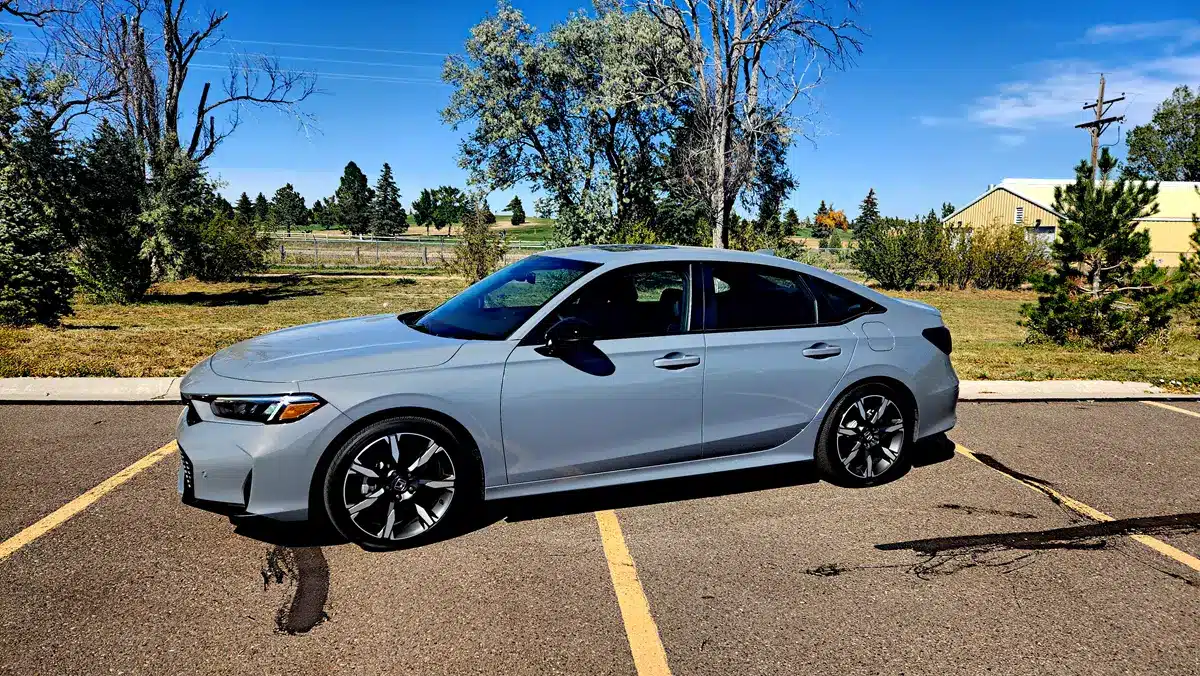
The Honda Civic has evolved from economy commuter into one of the best all-around daily drivers you can buy. It’s efficient, surprisingly refined, and durable enough to survive years of abuse from first-time drivers.
Civics tend to hold their value extremely well, and routine maintenance costs remain manageable even as mileage climbs. Owners also benefit from huge aftermarket support and easy access to replacement parts. Modern Civic hybrids add another layer of savings by delivering excellent MPG without sacrificing drivability.
Why it saves money:
- High resale value
- Excellent fuel economy
- Long lifespan
- Affordable repairs
- Proven reliability record
Toyota Prius
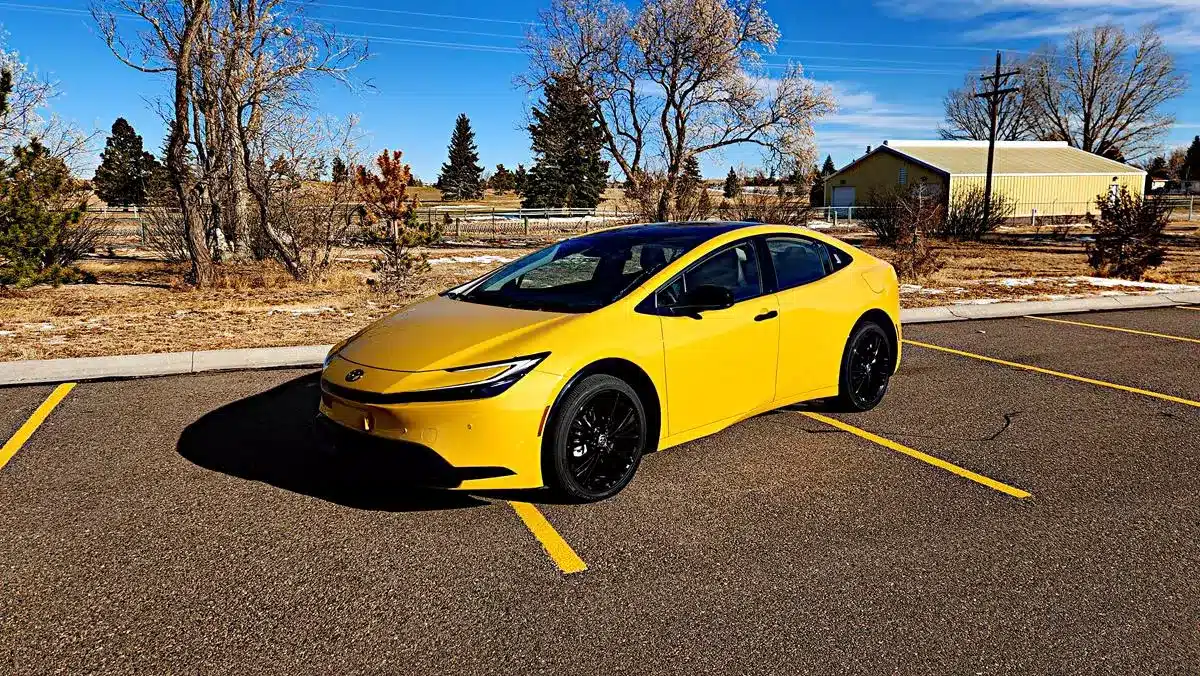
Toyota’s Prius is the patron saint of penny-pinching motorists. The Prius remains one of the cheapest vehicles to operate long-term and today’s models are far less cringey to look at. Hybrid battery fears have largely faded as Toyota’s systems continue proving themselves incredibly durable over time.
Owners routinely report minimal repair costs well beyond 150,000 miles while enjoying fuel economy numbers (over 50 mpg no matter the car’s age) that can make gas stations feel optional.
Why it saves money:
- Exceptional fuel economy
- Extremely low maintenance costs
- Long-lasting hybrid systems
- High reliability ratings
- Minimal brake wear thanks to regenerative braking
Hyundai Elantra Hybrid
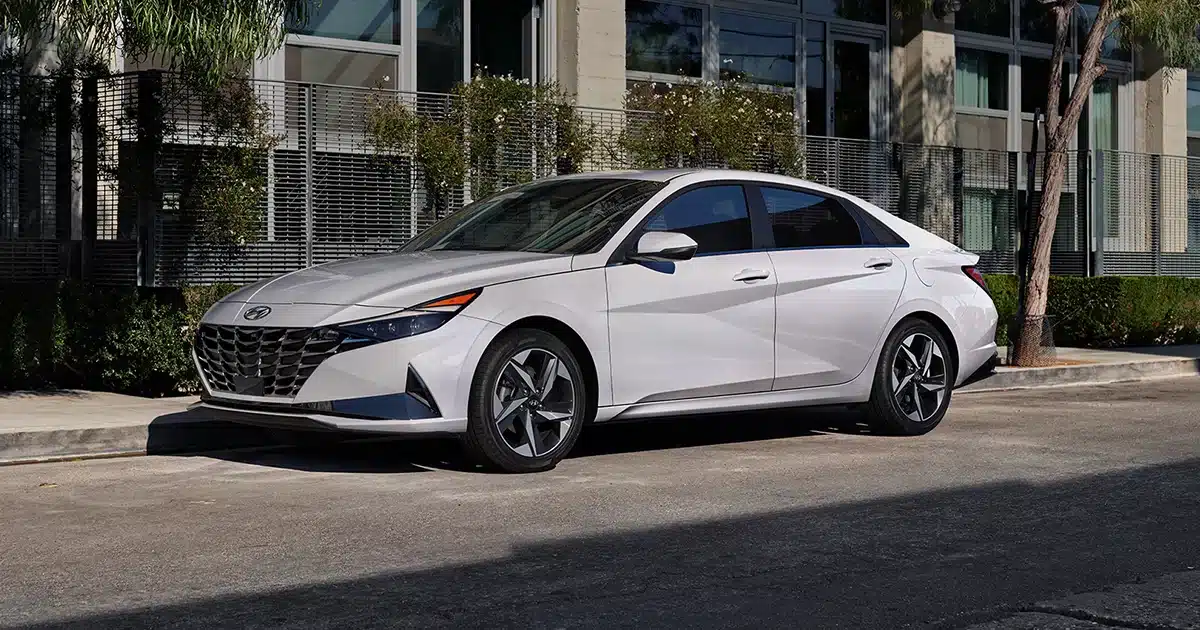
The Hyundai Elantra Hybrid doesn’t always get the attention it deserves, but it quietly delivers massive value. The Elantra Hybrid offers excellent fuel economy, generous warranty coverage, and a surprisingly upscale cabin for the price point. Hyundai’s long factory warranty can significantly reduce unexpected repair anxiety during ownership.
While depreciation used to hurt Hyundai products more heavily, recent models have improved considerably in long-term value retention.
Why it saves money:
- Excellent warranty coverage
- Outstanding fuel economy
- Lower purchase price
- Modern safety and tech features included
- Improved reliability and resale trends
Honda CR-V Hybrid
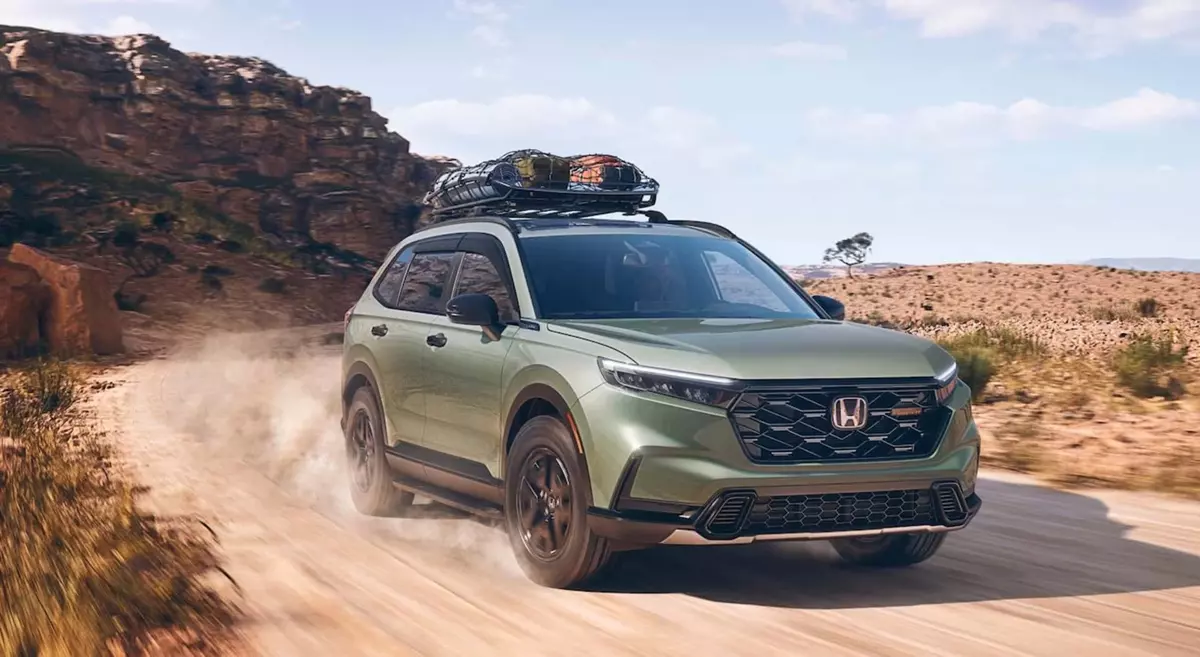
Often, the Honda CR-V Hybrid hits the sweet spot for modern families. It combines SUV practicality with hybrid efficiency while avoiding the higher ownership costs often associated with larger crossovers. Honda’s hybrid systems have proven dependable, and the CR-V consistently ranks among the most reliable compact SUVs on the market.
Because demand remains extremely high, resale values also stay impressively strong.
Why it saves money:
- Excellent MPG for an SUV
- Strong reliability history
- High resale values
- Spacious interior reduces “need” to upgrade
- Affordable ownership costs overall