
Even as gas prices rise and automakers continue pushing smaller turbocharged engines for better fuel economy, many truck buyers want V8 engines for one simple reason: reliability.
Ford CEO Jim Farley Admits V8 Demand Is Still There

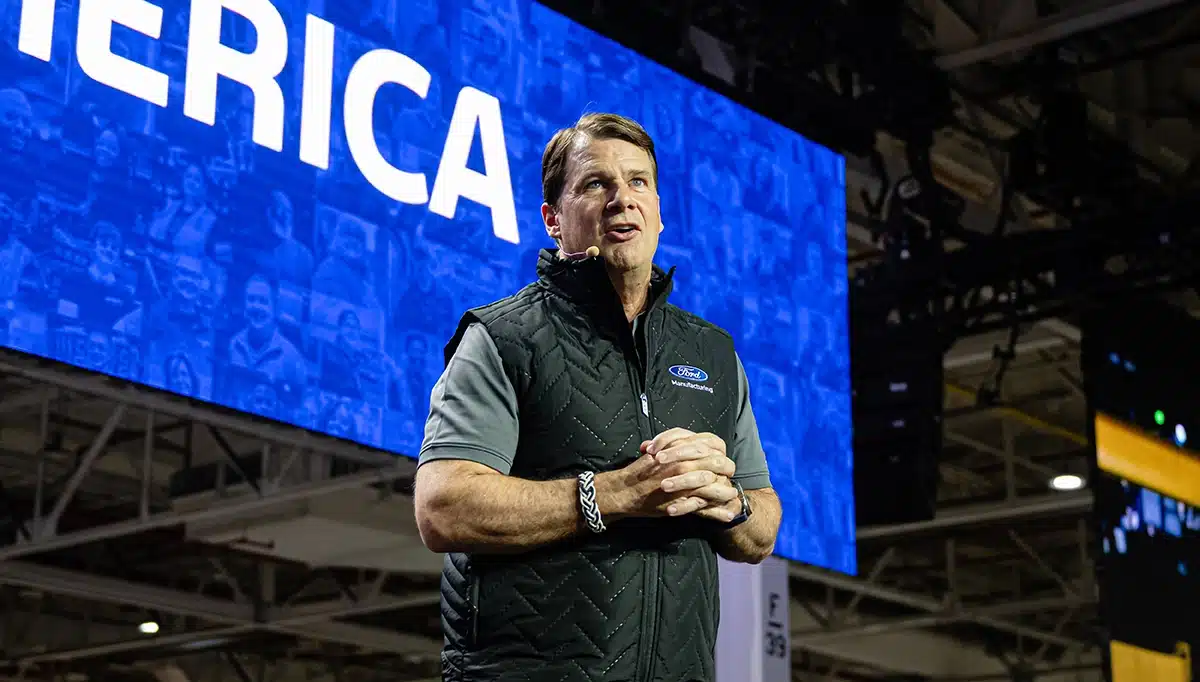
During a recent interview on CBS Saturday Morning, Jim Farley acknowledged something many truck enthusiasts have suspected for years: demand for V8 engines is still strong despite years of industry focus on downsized turbocharged engines in when gas prices are high.
Farley noted, after being asked the effect of higher gas prices on the companies sales, that Ford continues seeing increased interest in V8-powered trucks even while electric vehicle adoption grows.
“It’s pretty interesting,” Farley said. “It’s actually kind of a divergent. We’re seeing more demand for V8s. And at the same time, we’ve seen the EV market pop up to about 7% of the US industry in April, which is very strong as Ford looks to make a deal at the start of the summer.”
The deal is part of Ford’s plan to offer employee pricing. The comment is also interesting for two reasons.
First, Ford killed its full-size electric truck, the Lightning, and is now trying a new approach with a midsize EV truck targeted at $30,000.
Second, Ford has spent more than a decade and millions, if not billions of dollars in advertising, promoting EcoBoost turbocharged V6 engines as the future of truck performance and efficiency.
Since launching the EcoBoost lineup in 2011, Ford has repeatedly emphasized that smaller turbocharged engines can deliver V8-level towing and performance with better fuel economy. Yet the 5.0-liter Coyote V8 remains one of the most popular engines in the Ford F-150 lineup.
Toyota Tundra Engine Problems Renew V8 Reliability Debate
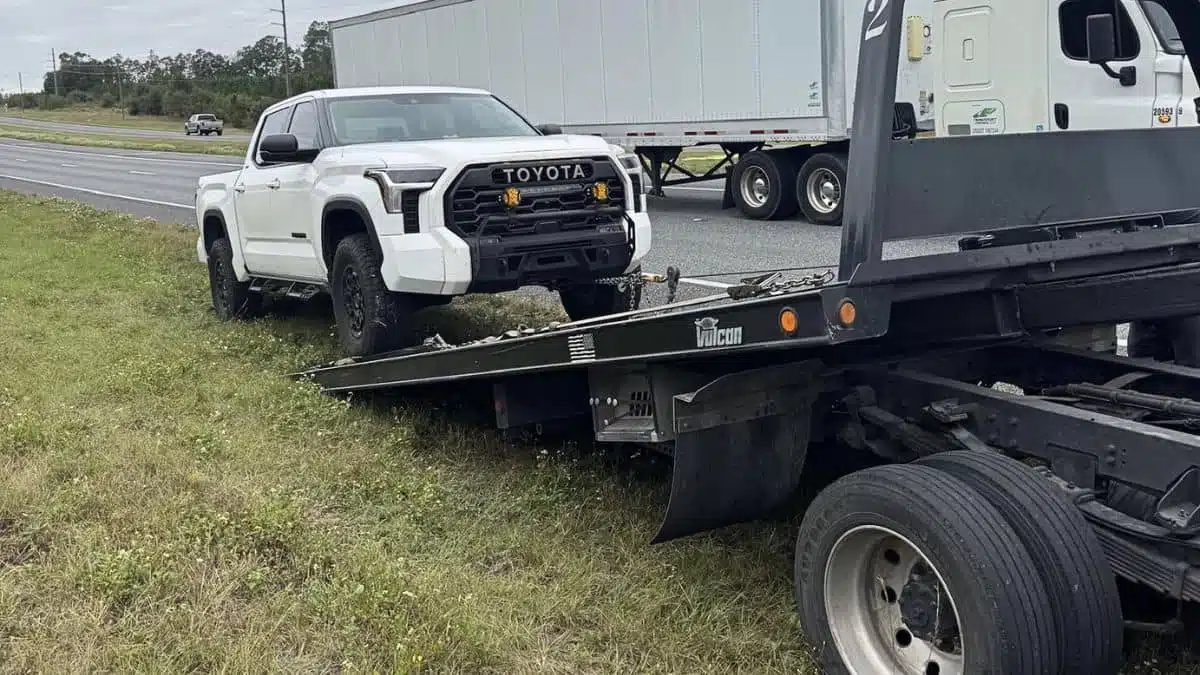
The discussion around turbocharged truck engines intensified again this week after new developments involving the Toyota Tundra engine recall. According to an updated NHTSA document we reported on, the second phase of the recall has reportedly been delayed as Toyota continues investigating catastrophic engine failures tied to the twin-turbocharged V6 engine.
Owners continue expressing frustration online, with many saying they would rather have the previous naturally aspirated 5.7-liter V8 engine even if it delivered worse fuel economy. The older V8-powered Tundra built a reputation for long-term durability, including several million-mile examples, with other closely related V8 displacements as well, frequently referenced by truck enthusiasts.
The recall situation has reignited a broader conversation across the truck market about whether automakers sacrificed long-term reliability in pursuit of fuel economy regulations and emissions targets.
Ram’s Hemi Return Shows Buyers Still Want V8 Power

At the same time, Stellantis reported stronger North American performance and improving profitability, helped in part by growing Ram truck sales. According to the press release and two separate sales reports on this website, Ram light-duty truck sales increased significantly as the brand prepared to reintroduce the 5.7-liter Hemi V8 into the lineup.
The return of the Hemi comes after strong backlash from truck buyers who were unhappy with Ram moving exclusively to the new Hurricane inline-six engines or the 3.6-liter V6 Pentastar engine. While the Hurricane offers more power and improved fuel economy, many customers still preferred the sound, familiarity and proven durability reputation of the HEMI V8.
Ram CEO Tim Kuniskis previously acknowledged the continued demand for V8 engines as well as the “mistake” the brand made, and the sales numbers appear to support that position. Heavy-duty Ram sales also improved as production stabilized and updated trucks reached dealerships.
Ford Once Promoted EcoBoost Durability Aggressively
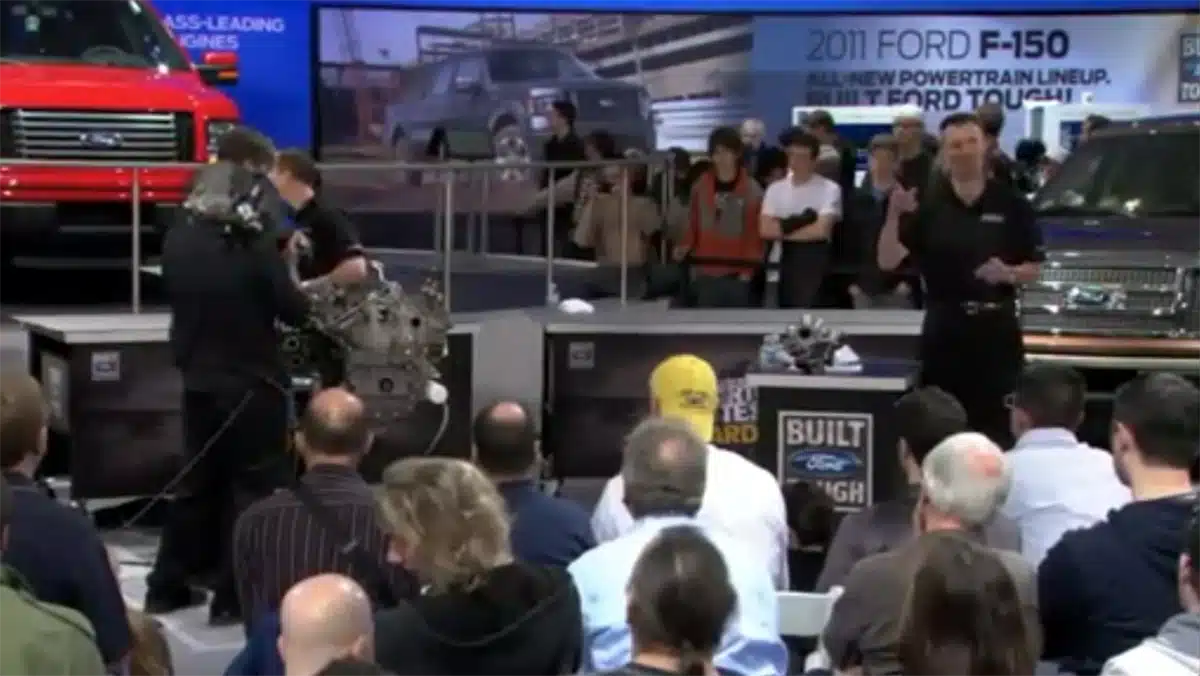
While Ford once promoted EcoBoost durability, those days are long gone apparently. Ford’s original EcoBoost durability campaign from 2011, when the company heavily promoted torture testing designed to prove turbocharged engines could survive extreme use.
At the time, the so-called “Hero” engine was torn-down in front of a live audience at the North American International Auto show according to an archived press release. Ford showcased the teardown results from a heavily abused EcoBoost engine after extensive towing, full-throttle testing, and off-road racing conditions. Engineers highlighted minimal wear, clean internals, no carbon build-up from direct injection, references to 10,000 mile oil changes and strong durability results to convince skeptical truck buyers that turbocharged engines could replace traditional V8s. Those are all the same items people still argue about online to this day.
Interestingly, the original YouTube videos and links to Ford’s website are no longer easily accessible online. There is only a grainy video still up on Dailymotion.com showing part 1.
While EcoBoost engines, and similar small displacement turbocharged engines from other brands, have become mainstream over the past 15 years, skepticism among truck buyers has never fully disappeared. Concerns over turbocharger longevity, carbon buildup, repair costs, and overall durability continue surfacing in forums, comment sections and owner discussions. Yet, not one single automaker seems to talk about durability that much anymore. They only talk about performance.
Rising Gas Prices Still Aren’t Killing Truck Sales
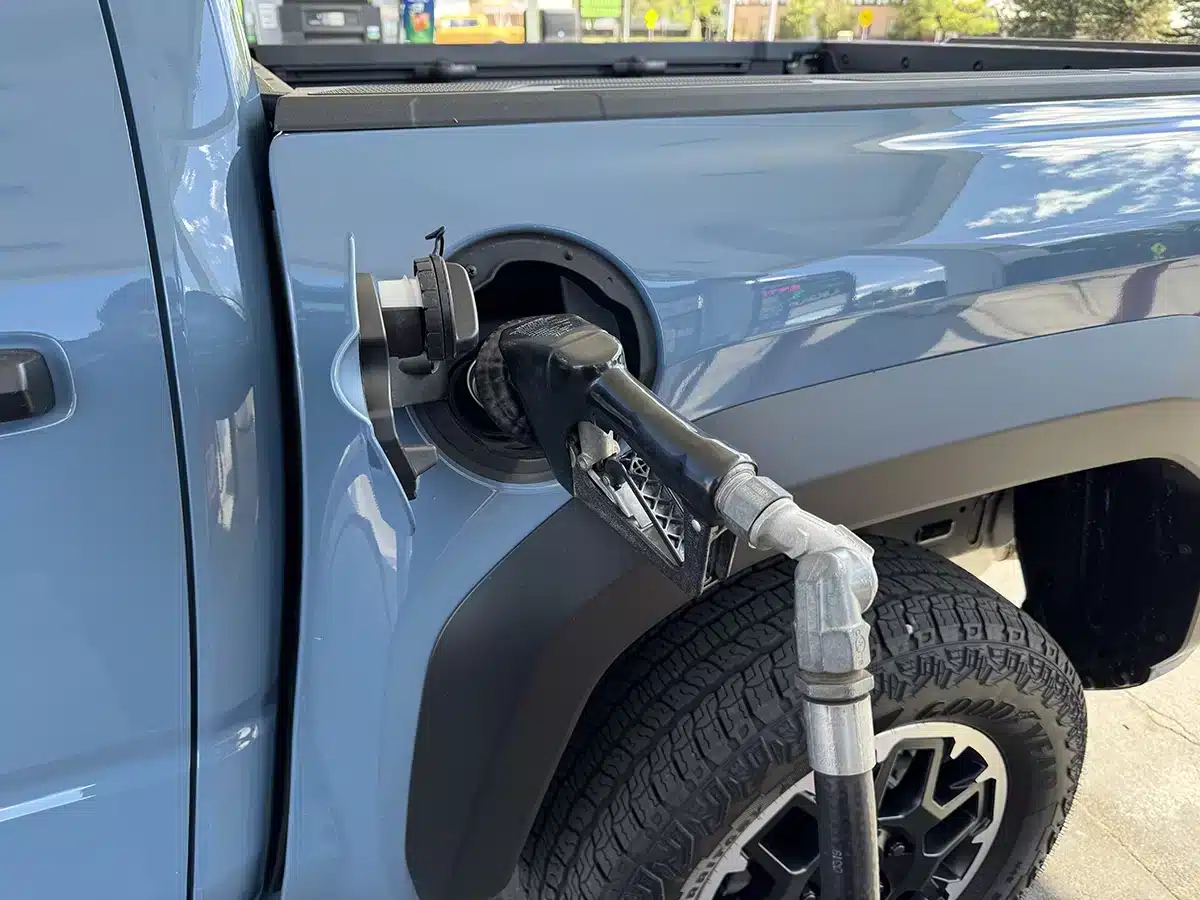
One of the most surprising realities in the truck market is that higher fuel prices historically have not dramatically reduced pickup sales. Back in 2018, stories about the great demise of truck sales were rampant due to the then high-prices of gas .
A popular story circulating online was a 2000 Land Cruiser owner in California discussing the high price of gas at $3.39 a gallon. One analysts said that year would be “most expensive driving season since 2014.”
Looking at the sales data in correlation to truck sales from 2007-2018, a funny thing happened. Things didn’t add up. Truck sales didn’t fall off a cliff just because gas prices went up.
Why? Truck buyers often view pickups differently than passenger cars. For many owners, a truck is a work tool, tow vehicle, or lifestyle purchase that cannot easily be replaced by a smaller, more fuel-efficient vehicle.
That helps explain why many buyers continue prioritizing reliability, towing confidence, and long-term durability over maximum fuel economy numbers. Even as automakers continue pushing electrification, turbocharging, and downsized engines, demand for V8-powered trucks remains stronger than many industry analysts expected much to dismay of “experts” and political policy makers.







3 replies
Loading new replies...
Administrator
Active member
Moderator
Well-known member
Join the full discussion at the Forum Pickuptrucktalk →