
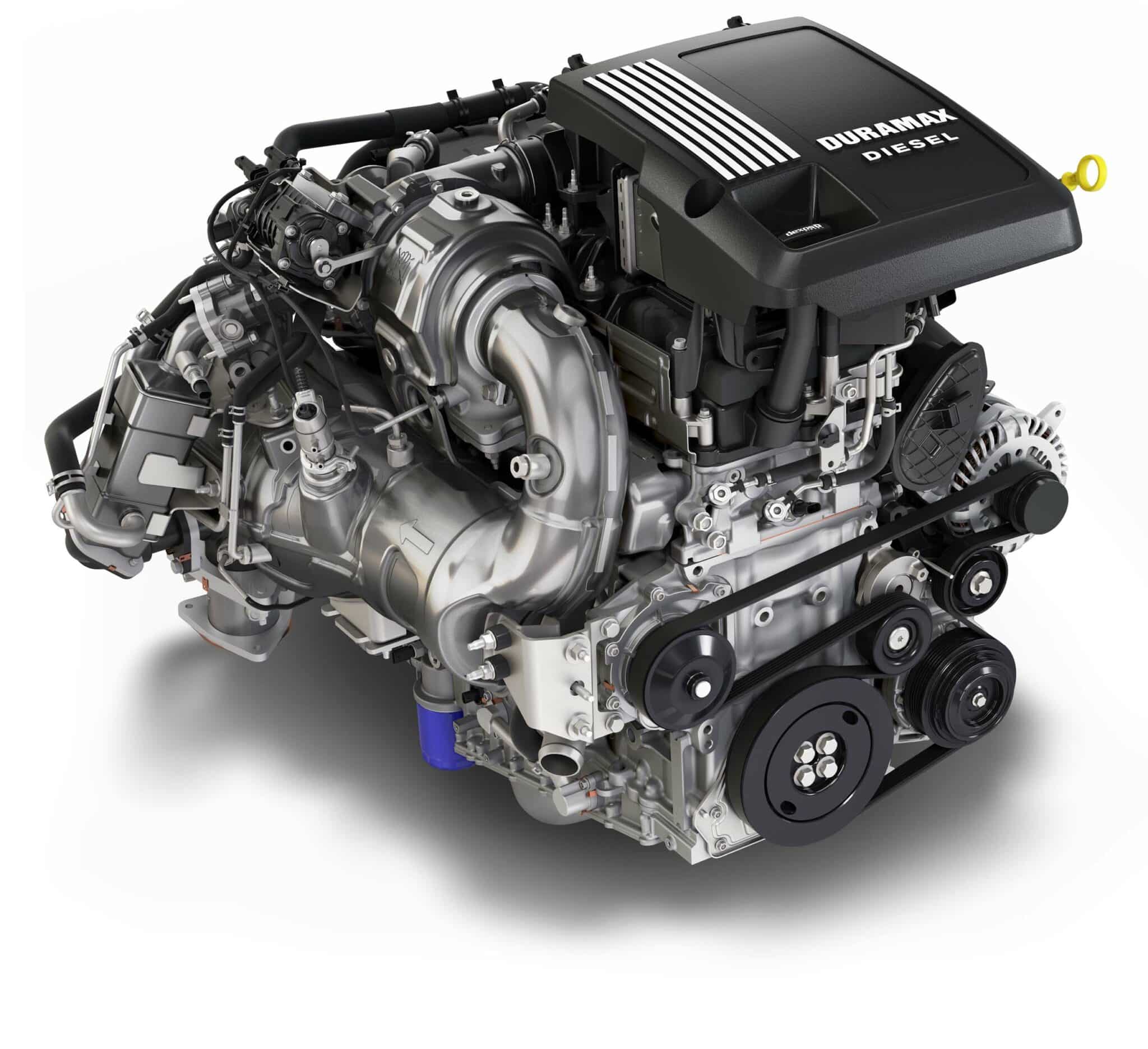
Diesel engines are built for two things: Torque and toughness. Commercial diesel motors models in particular can make for very reliable heavy-duty vehicles, some of which can run for thousands of hours without issue when merely serviced regularly by a qualified diesel mechanic.
This type of maintenance is usually handled by the fleet operator. When a vehicle is due for its service, the operator books a diesel mechanic who can handle all logbook servicing, repairs, and parts replacement.
The work that’s completed during each service varies from one vehicle to another. It depends on the make and model of the vehicle, the condition of the engine, and special factors such as whether it’s a marinized engine.
In general, there are a few key items you can expect to see included in your next diesel engine service.
Diagnostic scan
The first step in a diesel engine service is to perform a diagnostic scan. This involves connecting a computerized tool to the ECU to check for fault codes.
Fault codes originate from sensors throughout the engine and vehicle. They’re a simple way to identify issues that need to be addressed during the service appointment.
Older diesel engines and marine diesel engines may not have an ECU. In that case, the technician will perform a visual inspection and speak with the customer to learn whether there are any outstanding issues with the engine.
Engine oil and filter change
Changing the engine oil is the most important service item for diesel engines. Engine oil keeps things running smoothly and prevents excess wear.
Depending on the vehicle, the engine oil filter may also be replaced at each service appointment. The filter is responsible for catching any particulates in the oil. These can scratch cylinders, damage bearings, and cause the engine to fail prematurely.
Air filter and intake service
Engines can’t run if they don’t have air. The air intake system is relatively simple and should be inspected at every service.
The technician will check for leaks and inspect the condition of the air filter. A dirty air filter will be replaced, and they may clean other components and sensors to remove build ups of dust that can affect performance.
Fuel system checks
Diesel engines use very high pressure fuel systems that deliver a fine vapor into the cylinders. Because the fuel lines are such high pressure, they need to be inspected for leaks and may be tested for air tightness.
During this process, the technician will also check the fuel filters. Most diesel engines have two fuel filters. These don’t need to be replaced at every single service appointment, but they are a regular maintenance item.
Some diesel vehicles also have water traps attached to the fuel system. These prevent small amounts of water and condensation from getting into the cylinders, which can ruin the engine.
Water traps need to be emptied and cleaned regularly. This can be done by the vehicle operator, but it will also be done as part of regular servicing.
Coolant checks
Coolant keeps the engine running at maximum efficiency and prevents damage to internal components due to excess heat. During a service appointment, your technician will check the coolant levels and assess whether the coolant liquid is clean and suitable for use.
If leaks are identified, this may require the technician to replace flexible rubber hoses. These hoses perish due to age and normal use, and they can develop leaks at joints and along the length of the hose.
If the coolant liquid itself looks dirty, it can be replaced and the coolant system will be flushed to remove any contaminants.
Exhaust inspection
A vehicle’s exhaust system needs to be correctly sealed for environmental compliance and to ensure the vehicle runs properly. While this isn’t a common failure point for road-going vehicles, the system will still be inspected for signs of leaking.
Exhaust problems are far more common in marine craft. Since most diesel-powered marine craft combine the exhaust gases with cooling water, it’s important that these systems are correctly sealed.
Other logbook items
Vehicle manufacturers perform extensive testing of their engines and equipment before releasing them to the public. This testing is used to create a maintenance schedule that ensures worn items are replaced before they fail or cause engine damage.
These “logbook items” will be addressed during regular servicing appointments.
The exact nature of logbook items varies from one engine to another. Generally speaking, the logbook schedule is based on the distance the vehicle has traveled (for passenger and commercial vehicles) or the number of hours the engine has run (for marine craft and diesel machinery such as generators).
Common logbook items include:
- Replacing belts and chains
- Inspecting and replacing braking components
- Lubricating joints and bearings in the drivetrain
- Changing fluids other than engine oil
- Replacing tires and much more
Visual inspection and systems test
The final part of any diesel engine inspection is to carry out a visual inspection of the remaining components. During the visual inspection, a technician will check for problems with the brakes, suspension, wheels, tires, hydraulics, air lines and more.
Visual inspections are a simple way to identify common issues like leaks and worn out components that need attention. If the customer requests it, any worn out or damaged components will also be replaced as part of the service appointment.
Lastly, if the visual inspection is passed, the technician will test drive the vehicle and test its systems. This is especially important with commercial diesel vehicles, as they often have things like high-pressure air lines that could cause serious downtime if they fail while the vehicle is in-use.