
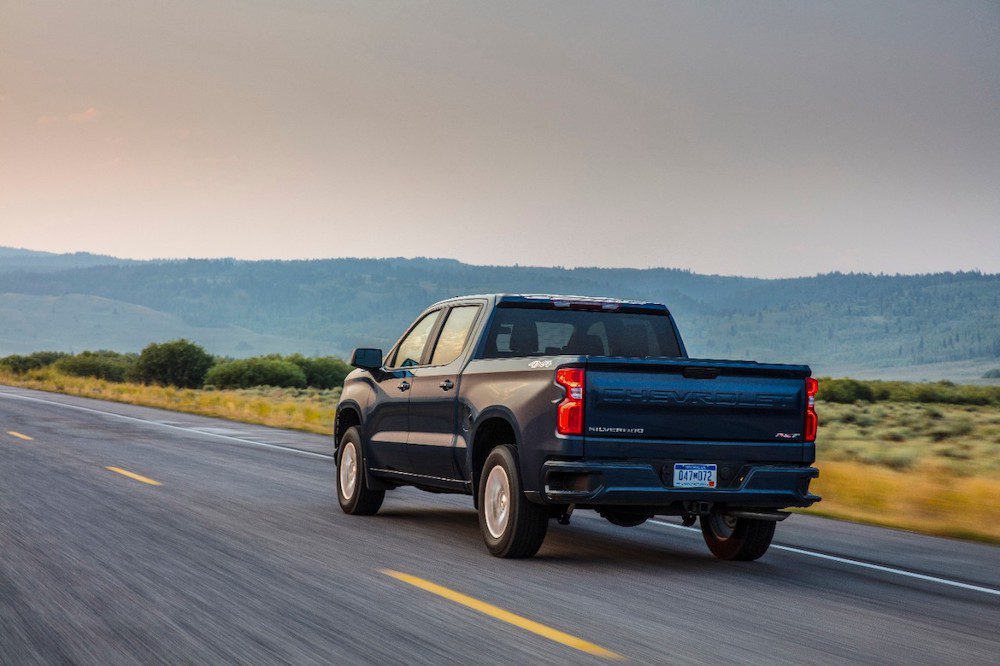
Embarking on an extended road trip with a diesel-powered vehicle offers a unique blend of adventure and endurance. However, maintaining your engine’s temperature within optimal limits is crucial for a successful journey. Diesel motors are robust and designed for long hauls but are not immune to overheating, leading to significant damage and costly repairs.
Here, we will explore strategies to prevent your diesel engine from overheating during a long road trip.
Understanding diesel engine overheating
Diesel engines produce more heat than gasoline engines because of their higher compression ratios and torque.
Having higher torque is one of these motors’ best performance benefits. They have better acceleration, towing, and hauling capabilities than their gasoline counterparts. This is because the piston in a gasoline engine stops short, whereas in a diesel engine, it rises to the top of the cylinder.
Overheating occurs when the motor temperature exceeds the normal operating range, typically due to inadequate cooling, excessive load, or extreme ambient conditions. Overheating can cause warping of motor components, loss of coolant, and even engine failure.
Pre-trip preparation
Before leaving, undertake a thorough examination of your vehicle. Check for leaks, ensure all belts and hoses are tight, and confirm that the radiator and coolant system function properly. Pay special attention to the water pump, which is critical in maintaining coolant flow. A professional mechanic can help identify potential issues that might not be obvious.
Before you go on the trip, you can take your diesel rig to a reliable local mechanic for quick services. If you plan to drive during summer, when your motor is most likely to spike in temperature, having your vehicle inspected by a diesel repair professional is ideal. If you live on the West Coast, all you have to do is look for shops that specialize in diesel repair in Milwaukie, Oregon, and take your vehicle down for a quick check. The repair service providers can help you with air filter replacement, coolant system inspection, oil changes, etc. All these services can be extremely useful in preventing overheating.
Since the coolant system regulates engine temperatures, contaminated coolant can cause your diesel motor to lose efficiency over time, which is why it must be replaced in accordance with the manufacturer’s instructions. Inspections by professionals can help identify such issues and take measures to prevent them from affecting the engine.
On the road: Monitoring and maintenance
One simplest yet most effective way to prevent overheating is to regularly monitor the engine temperature gauge. Modern vehicles have sophisticated warning systems, but being proactive can prevent problems before they escalate. If the temperature gauge indicates a rise above normal levels, reduce speed and turn off any additional load, such as air conditioning.
Long road journeys should include frequent stops to enable the engine to cool down. Frequent stops provide a respite for you and give your motor a chance to dissipate heat. Plan your trip with designated stops every couple of hours to ensure the engine doesn’t stay under stress for too long.
Diesel engines are built to withstand huge loads; however, overloading can result in excessive strain and heat accumulation. Carry only the required goods and distribute the weight equally. If towing a trailer, ensure it is within your vehicle’s towing capacity. Overloading reduces fuel economy and raises the risk of overheating.
If you see signs of overheating, you can inspect how the engine appears to determine whether it is a possibility. An article from Motor1.com shows that signs like melted heat tabs can indicate that your engine has overheated. These incidents happen only when the motor hits a specific temperature, acting as a visual indication of overheating.
Effective use of airflow
Your vehicle’s front grille is designed to allow airflow into the motor compartment, aiding in cooling. Ensure that it remains clear of obstructions, such as mud or additional lights, that might impede airflow. During your trip, periodically check the grille and clean it as necessary.
Many diesel cars include auxiliary fans that offer extra cooling when the engine is under severe load or in high-temperature circumstances. Ensure these fans are working correctly, and consider installing an additional fan if you frequently travel in hot climates or carry heavy loads.
Airflow can also impact the initial temperature by regulating it when the vehicle has not yet started. This initial temperature can influence the emissions from your diesel vehicle. According to a ScienceDirect study, cool start and high exhaust flow results in lower conversion efficiency of particulate matter.
Frequently asked questions
How can I keep my engine cool during a long drive?
To keep your engine cool during extended drives, keep your cooling system in excellent working order by monitoring coolant levels. Make sure the radiator, hoses, and fans are all working correctly.
Does driving slowly keep the engine cool?
Driving slowly can help keep the motor cool by reducing the strain and stress on the engine, resulting in reduced heat generation. However, it is also critical to prevent extended idling or stop-and-go driving, which can cause the motor to overheat.
Will adding coolant reduce overheating?
Adding coolant can help avoid overheating by maintaining proper fluid levels in the cooling system. If your engine is overheated, allow it to cool down before adding coolant. Regularly monitoring and maintaining the proper coolant level is critical for avoiding future overheating problems.
Conclusion
To sum up, preventing your diesel engine from overheating during an extended road trip requires proper maintenance and vigilant monitoring. Following the proactive procedures suggested above will ensure smooth and pleasurable travel. Remember, the key to a successful road trip lies in preparation and awareness, allowing you to fully embrace the adventure.