
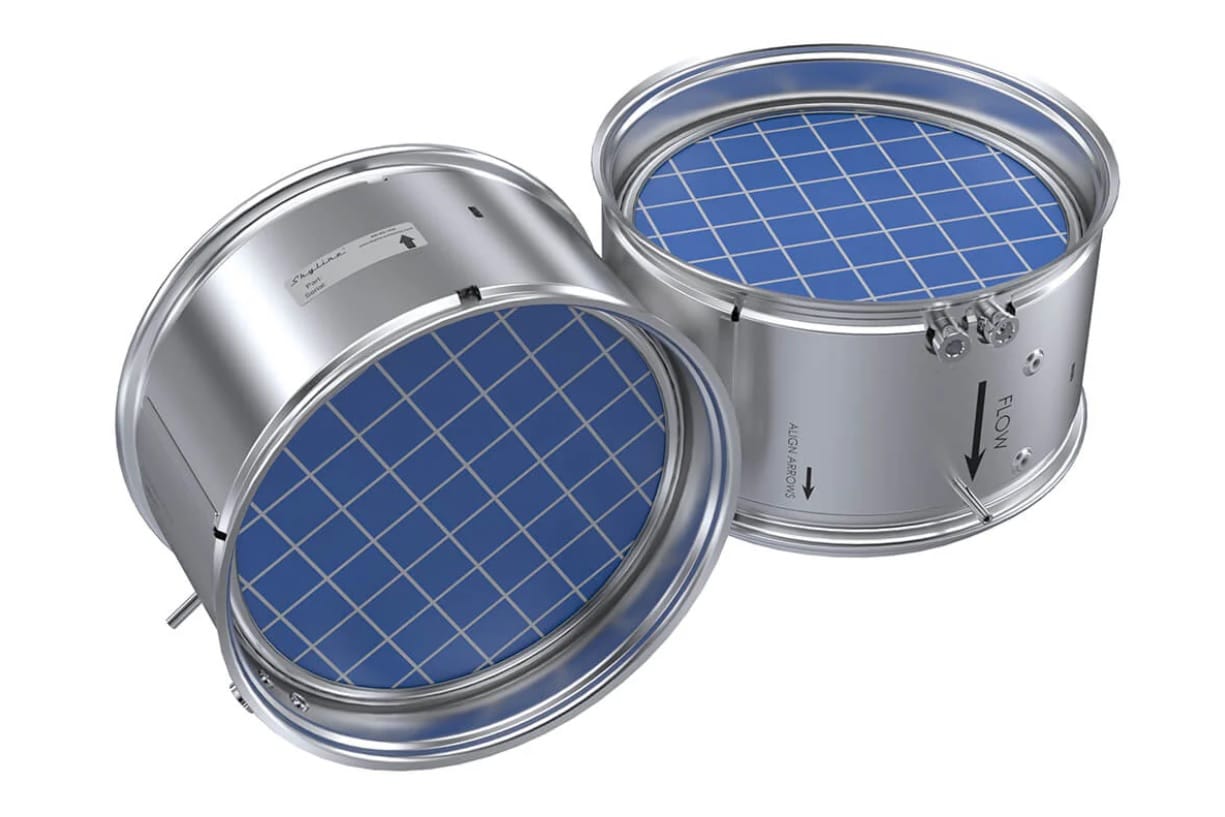
Diesel engines, known for their efficiency and durability, are a staple in heavy-duty machinery and vehicles around the world. However, even modern diesel engines produce particulate matter (PM) or soot, which can be harmful to both human health and the environment. To mitigate these emissions, modern diesel engines are equipped with a Diesel Particulate Filter (DPF).
Understanding the function of the DPF, recognizing when you need to get a DPF filter and install it, and appreciating the benefits of maintaining a clean DPF are essential for anyone operating or maintaining a diesel engine vehicle.
What is a DPF filter?
A Diesel Particulate Filter is a device installed in the exhaust system of diesel engines to capture soot and ash particles before they are released into the atmosphere. The filter’s primary function is to collect the diesel particulate matter, which includes fine particles that are the byproducts of combustion. Over time, these particles accumulate in the filter, requiring it to undergo a regeneration process to burn off the soot and clear the filter.
Why DPF filters need regular replacement
The necessity of replacing Diesel Particulate Filters at regular intervals cannot be understated. This maintenance task is crucial for several reasons that impact both the performance and longevity of diesel engines.
Clogging and reduced efficiency
Over time and through normal use, DPFs inevitably accumulate ash and soot that cannot be entirely removed through standard regeneration processes. This buildup primarily consists of ash, which is a byproduct of oil consumption and the regeneration of soot collected by the filter. As this ash accumulates, it can significantly impede the airflow through the filter. Restricted exhaust flow due to a clogged DPF leads directly to reduced engine performance as the engine struggles to expel exhaust efficiently. This inefficiency requires the engine to work harder, which in turn increases fuel consumption and can lead to higher operational costs.
Increased back pressure and engine strain
A direct consequence of a clogged DPF is increased back pressure on the engine’s exhaust system. This increased pressure forces the engine to work harder to expel exhaust gases, compromising the engine’s performance and potentially leading to increased engine wear over time. In severe cases, this can cause engine damage, resulting in costly repairs and extended downtime for vehicles, particularly detrimental in commercial settings where vehicle reliability is paramount.
Regeneration frequency and fuel consumption
A clean DPF is essential for maintaining optimal fuel efficiency. A filter choked with ash requires more frequent regeneration cycles. Regeneration is the process by which the DPF burns off accumulated soot at high temperatures, which is necessary to clear the filter and allow for free passage of exhaust gases. However, each regeneration cycle consumes additional fuel and subjects the engine to high temperatures, potentially leading to premature component wear. Therefore, a clean DPF that requires less frequent regeneration helps in maintaining better fuel economy and reducing wear and tear on the engine.
Lifecycle and warranty implications
Vehicle manufacturers often outline specific maintenance schedules that include regular DPF inspection and replacement to ensure optimal vehicle performance and compliance with emissions standards. The EPA also has its own recommendations and guidelines for DPFs. Adhering to these recommendations is also important from a warranty perspective. Failing to replace a DPF as advised can void warranty protections on the engine and after-treatment systems, leading to significant expenses in the event of a failure.
Benefits of a clean DPF filter
Maintaining a clean DPF not only helps in complying with environmental regulations by reducing harmful emissions but also provides several operational benefits:
- Improved fuel efficiency: A clean DPF allows the engine to breathe better, thereby improving combustion efficiency and reducing fuel consumption. Over time, this can lead to significant cost savings, especially for fleet operators who run many diesel vehicles.
- Enhanced engine performance: With a clean DPF, engines operate under optimal conditions with adequate power and acceleration. This is crucial for vehicles that need to perform under demanding conditions.
- Reduced maintenance costs: Regular DPF maintenance prevents severe clogging and potential engine damage. This can reduce the need for costly repairs and downtime for vehicles, which is especially important for commercial vehicles where uptime is critical.
- Longevity of the engine: A well-maintained DPF supports the overall health of the diesel engine, contributing to its longevity. This is particularly beneficial from a financial perspective as it extends the intervals between major overhauls and replacements.
- Environmental compliance: Regular maintenance and replacement of the DPF ensure that emissions are kept within the limits set by environmental regulations, helping to avoid fines and sanctions. This is increasingly important in regions with stringent emissions standards.
Final thoughts
Regular maintenance and timely replacement of the DPF are crucial for anyone operating diesel engines. The DPF plays a vital role in reducing emissions and helping diesel engines run more efficiently and cleanly. While the cost of replacing a DPF may seem high, the benefits of improved fuel efficiency, better engine performance, reduced maintenance costs, and compliance with environmental standards make it a worthwhile investment. Adhering to a regular maintenance schedule and following manufacturer guidelines for DPF care will ensure the longevity and reliability of your diesel engine, saving money and reducing environmental impact over time.