For decades, turbochargers have carried a reputation that’s somewhere between “performance miracle” and “expensive ticking time bomb.” Ask around at a local cars-and-coffee gathering and you’ll hear plenty of horror stories involving blown turbos, smoking exhaust pipes, and huge repair bills. Is a turbocharged engine a reliability issue?
Yes, turbochargers add complexity to an engine. Yes, they operate under extreme conditions. And yes, they can fail. But modern turbocharged engines are far more reliable than many people realize. In fact, on most vehicles built in the last decade, the turbocharger itself is rarely the first thing to break.
Why Turbos Have a Reputation for Failure
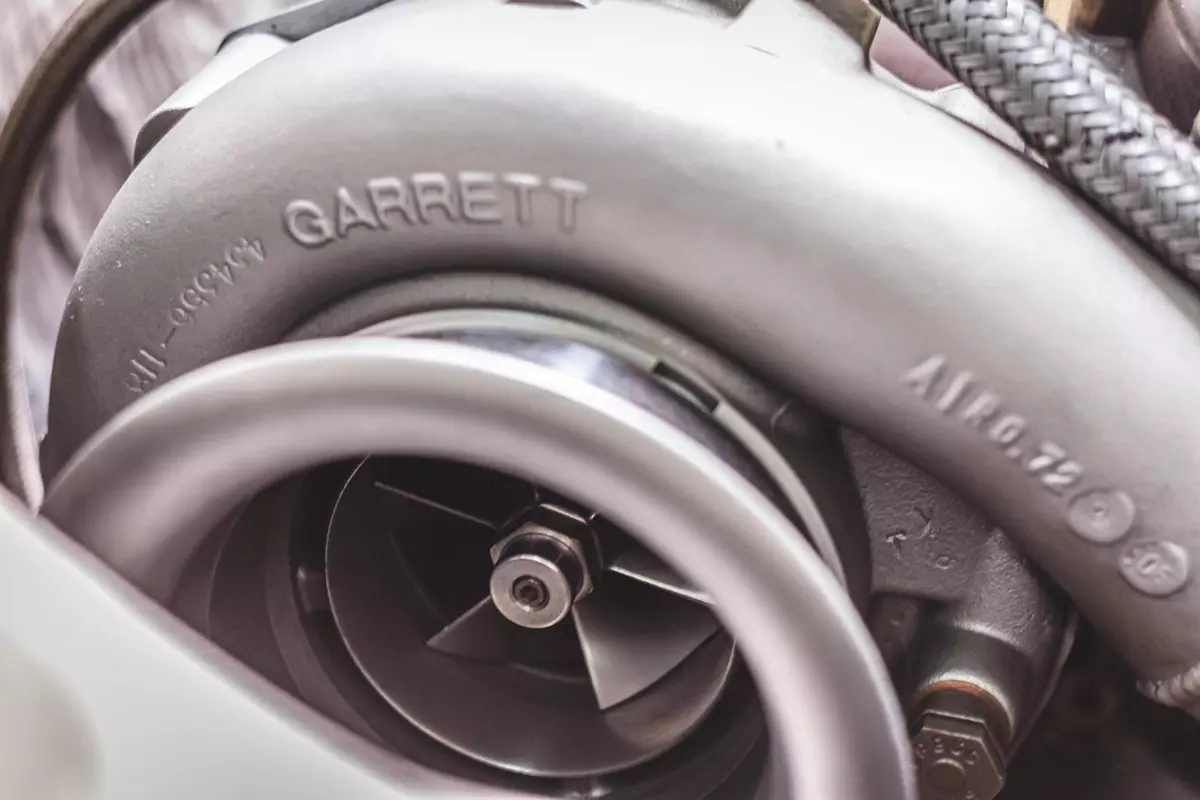
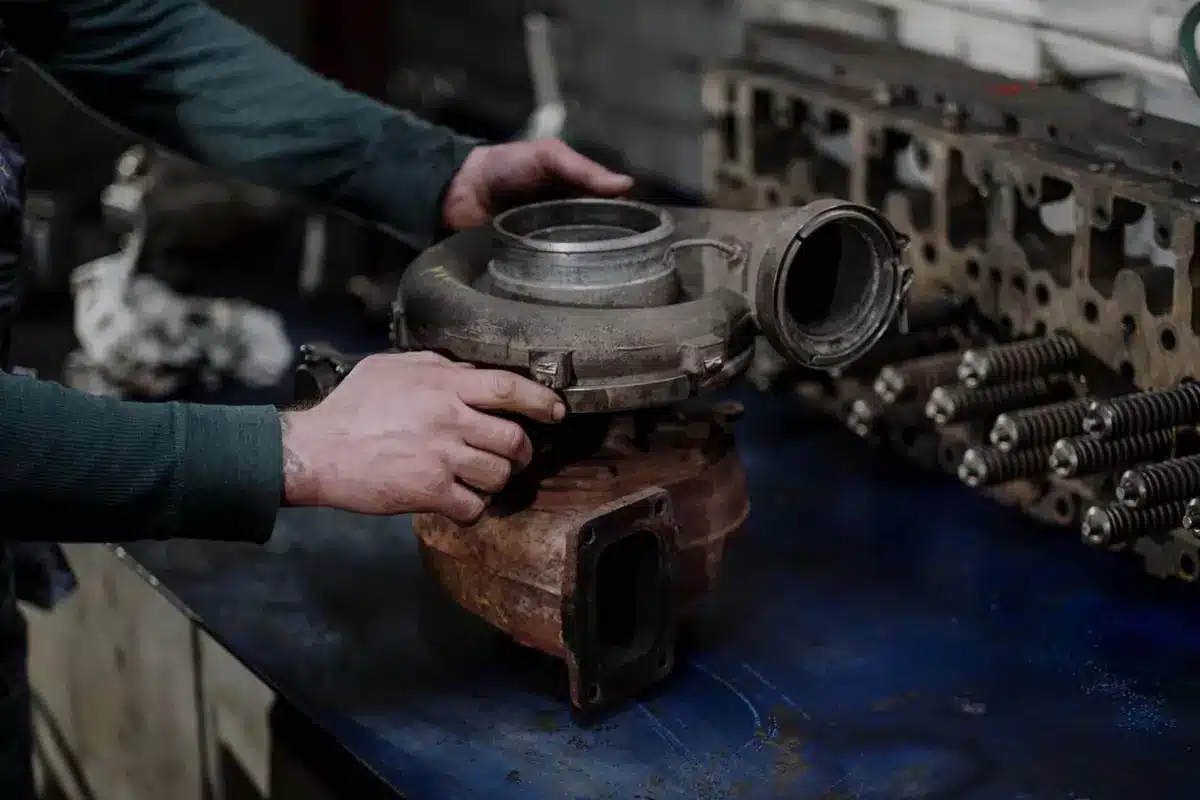
A turbocharger lives a hard life. At its core, a turbo is a relatively simple device. Exhaust gases leaving the engine spin a turbine wheel, which is connected by a shaft to a compressor wheel that forces more air into the engine. More air means more fuel can be burned, which means more power from a smaller engine.
Simple concept. Brutal operating environment.
Turbochargers routinely spin at speeds exceeding 150,000 rpm. To put that into perspective, most gasoline engines redline somewhere between 6,000 and 7,000 rpm. A turbo is spinning more than twenty times faster than the crankshaft.
At the same time, it’s being blasted by exhaust temperatures that can exceed 1,500 degrees Fahrenheit during heavy operation.
That’s a lot of heat and a lot of stress. And it’s all riding on a set of bearings that depend entirely on a steady supply of clean engine oil. The result is a component that’s incredibly durable when properly cared for but (not surprisingly) vulnerable when maintenance is neglected.
Oil Is Everything
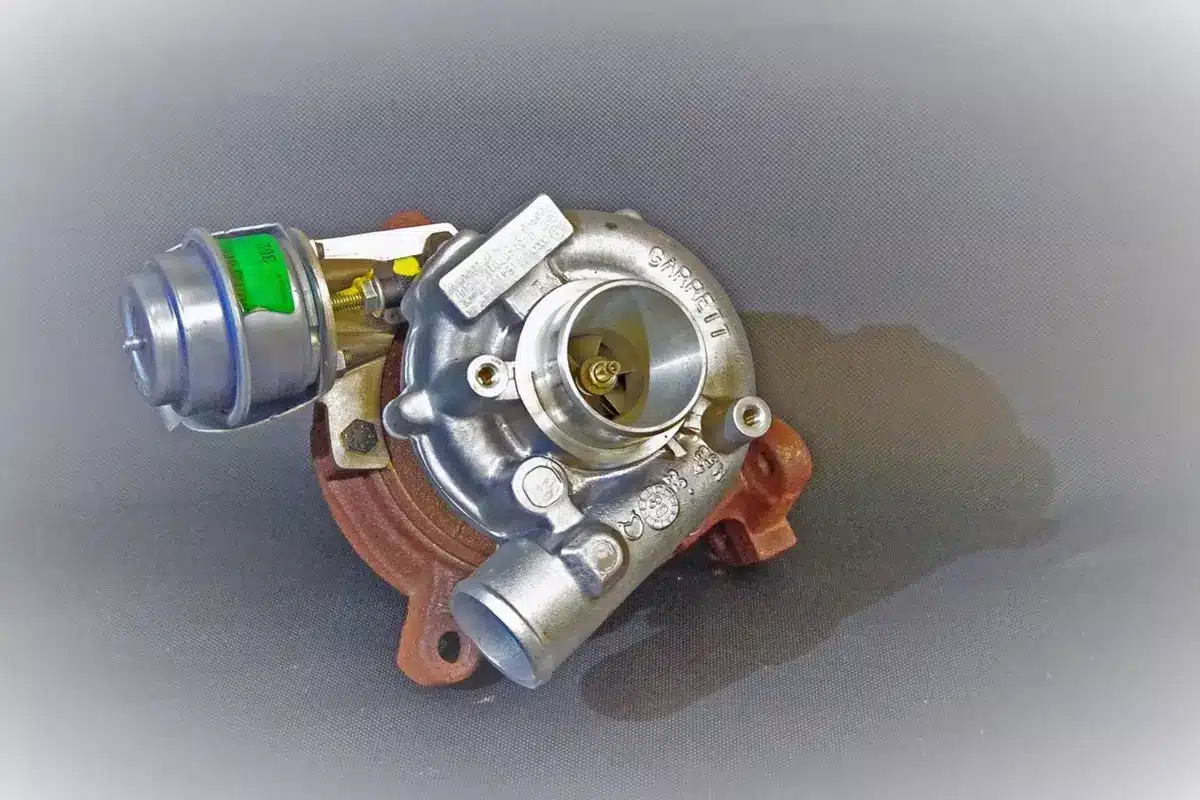
If there’s one thing that mechanics consistently point to when discussing turbocharger failures, it’s oil.
Modern turbochargers rely on engine oil for both lubrication and cooling. That oil flows through tiny passages and across precision-machined bearings. Any contamination, sludge buildup, or breakdown in oil quality can quickly accelerate wear.
Stretching oil change intervals beyond manufacturer recommendations is a bad idea. It’s an even worse idea for turbocharged engines. Many owners assume that because modern synthetic oils can survive longer intervals, they can safely ignore maintenance reminders. Sometimes they get away with it. But turbochargers don’t particularly appreciate that gamble.
As oil ages, it accumulates contaminants as filters begin to find the end of their lives. The oil, under stress from engine heat and constant pressure, gradually loses some of its protective qualities as well. Inside a turbocharger operating at extreme temperatures, those contaminants and that loss of oil quality can become a serious problem.
When bearings begin wearing, symptoms often appear gradually. Drivers may notice increased oil consumption, unusual whining noises, reduced power output, or blue smoke from the exhaust. By the time those symptoms become obvious, the repair bill is usually already nearing high digits as well. Most turbocharged engine reliability problems center on a lack of lubrication.
The Turbo Isn’t Always the Problem
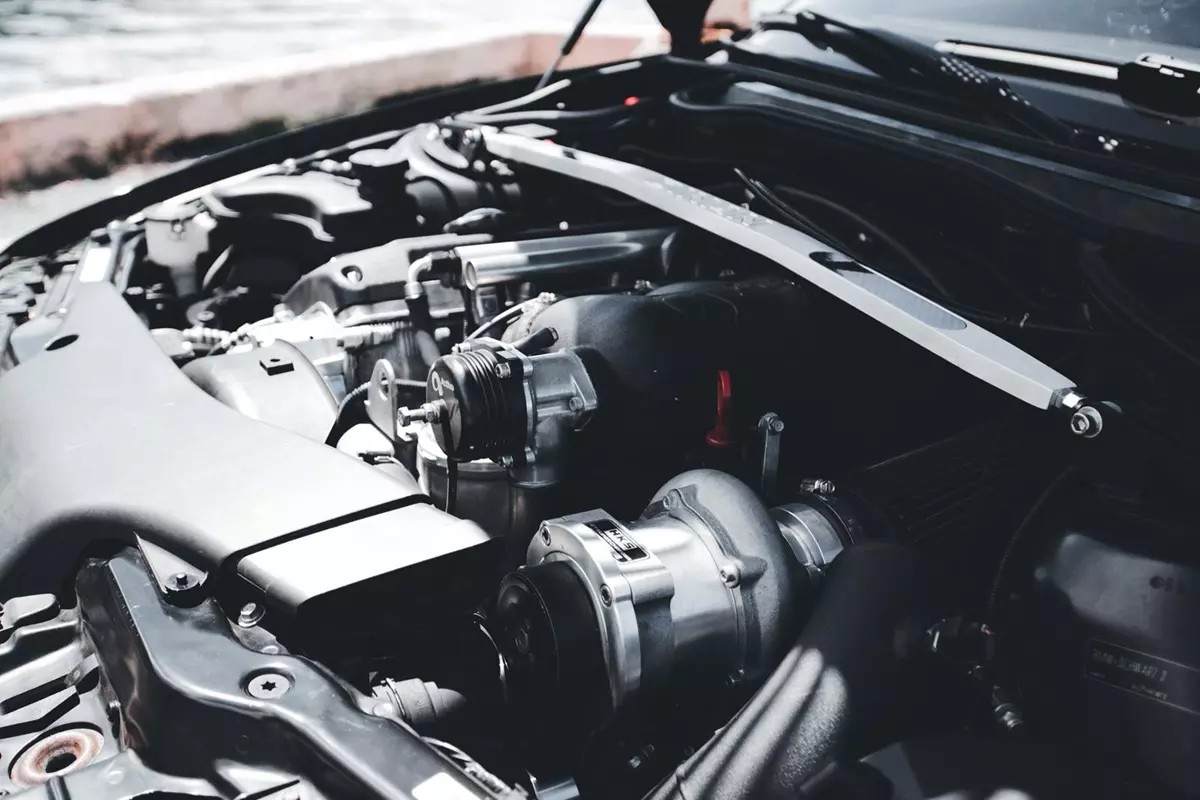
One of the biggest misconceptions about turbocharged engines is that the turbo itself is inherently unreliable. In reality, many “turbo failures” turn out to be something else entirely.
Modern turbo systems include intercoolers, charge pipes, vacuum lines, wastegates, boost-control solenoids, sensors, and a variety of seals and hoses. Any of these components can fail and create symptoms that feel like a dying turbocharger.
A cracked charge pipe, for example, can cause a dramatic loss of power and boost pressure. To the driver, it may seem like the turbo has stopped working. Instead, the repair might involve replacing a relatively inexpensive hose.
This is one reason turbocharged vehicles sometimes get an unfair reputation. Drivers experience a problem somewhere within the turbocharging system and assume the turbocharger itself has failed. Often, it hasn’t.
The Warm-Up Myth Has Some Truth Behind It
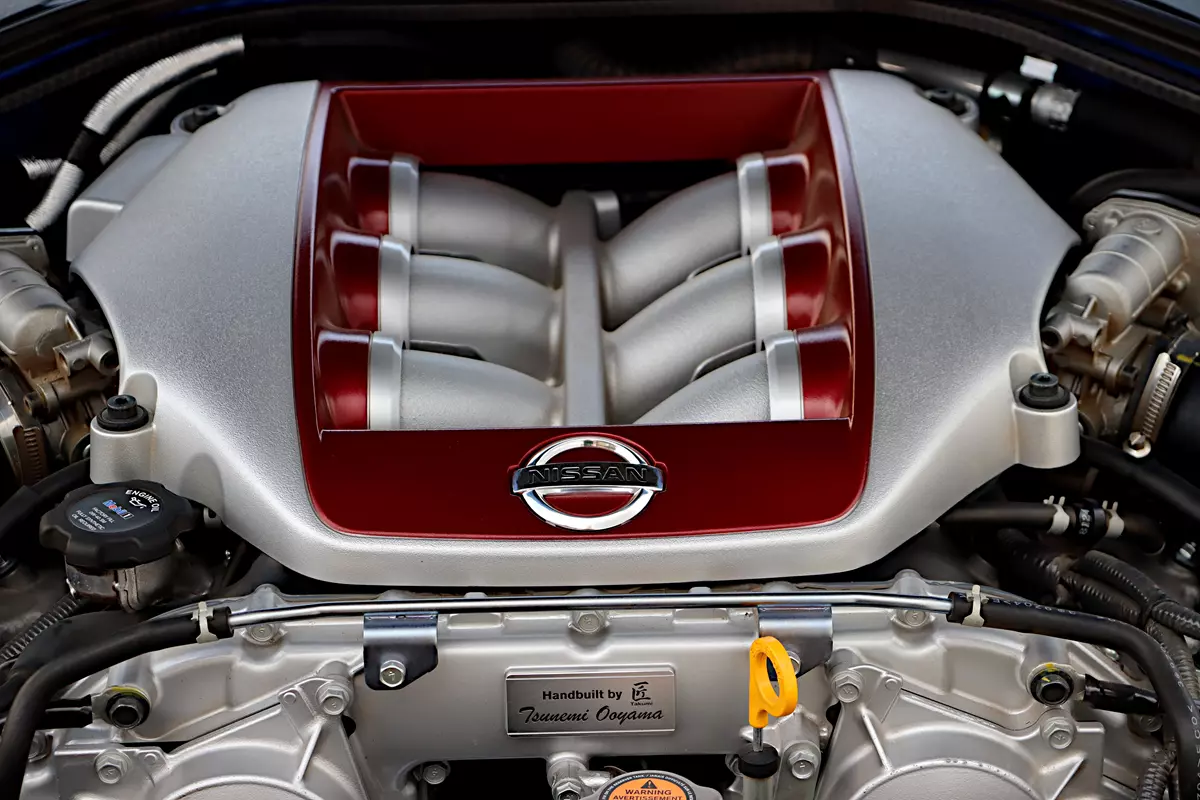
You’ll frequently hear enthusiasts insist that turbocharged engines need extensive warm-up periods before driving. That’s mostly outdated advice. Modern engines are designed to be driven shortly after startup. Letting a vehicle idle for ten minutes every morning isn’t necessary and may actually be counterproductive.
However, there is an important caveat.
Heavy throttle should generally be avoided until the engine oil reaches operating temperature. The oil is what protects the turbocharger bearings, and cold oil doesn’t flow as effectively as warm oil. Flooring the accelerator immediately after a cold start places unnecessary stress on both the engine and the turbocharger. In normal driving, this isn’t difficult to avoid. Simply drive moderately for the first few minutes and let everything come up to temperature naturally.
Why Cool-Down Still Matters

Another piece of old-school turbo advice remains relevant. After towing a trailer up a mountain pass, completing a track session, or spending extended periods under heavy load, shutting the engine off immediately isn’t ideal. When the engine stops, oil circulation stops as well. Meanwhile, the turbocharger may still be extremely hot.
Allowing the engine to idle for 30 to 60 seconds after severe use gives temperatures time to stabilize and helps prevent oil from overheating inside the turbo housing. Many modern engines do this themselves, even if the driver has shut the engine down and exited the vehicle.
For everyday commuting, this usually isn’t necessary. Modern water-cooled turbochargers are significantly better at managing heat than older designs. But if you’ve just worked the vehicle hard, a brief cool-down period remains good practice and is a big part of turbocharged engine reliability.
Modern Turbos Are Better Than Ever
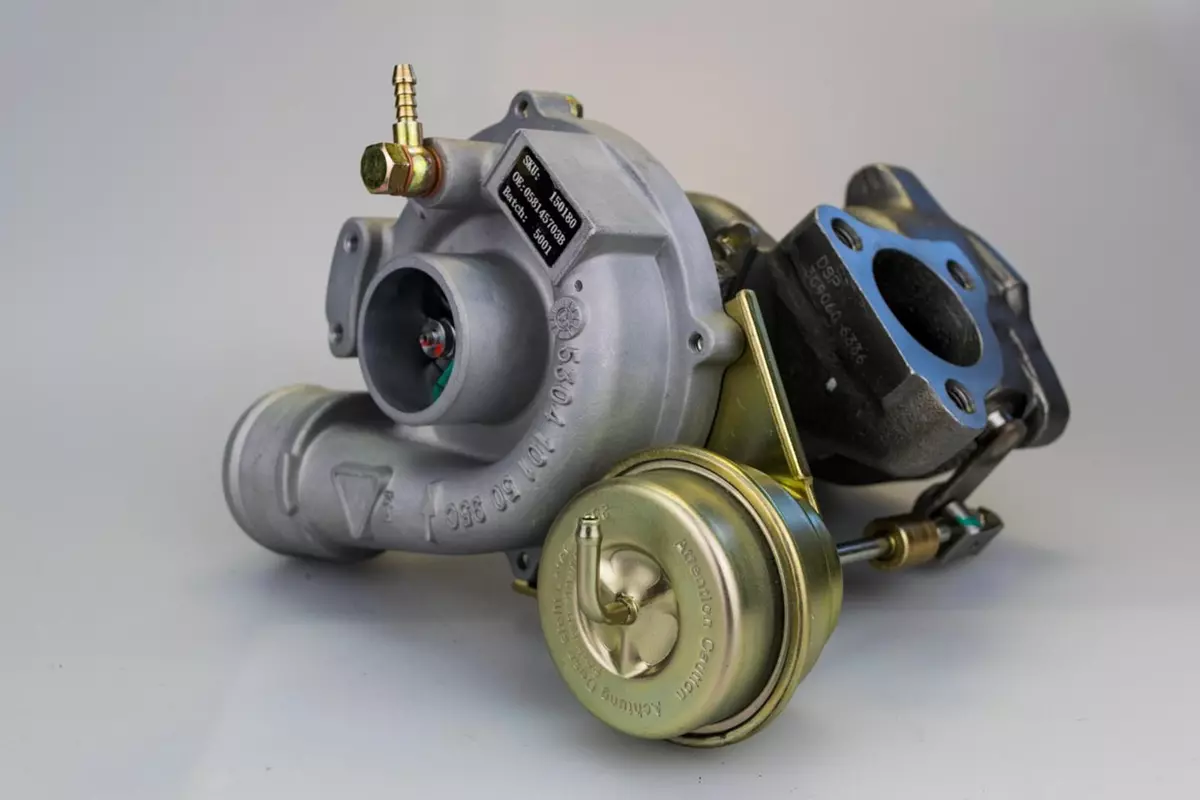
If turbochargers were truly unreliable, automakers wouldn’t be putting them on nearly everything. Yet that’s exactly what’s happened. About a third of the vehicles being made today are turbocharged. That number is climbing faster than any other modern efficiency technology, including electrification.
Today, turbocharged engines power everything from economy cars and family crossovers to heavy-duty pickup trucks and luxury sedans. Manufacturers have spent decades refining turbocharger technology. Better materials, improved cooling systems, advanced engine controls, and higher-quality synthetic oils have dramatically increased durability and thus turbocharged engine reliability.
Many factory-installed turbochargers now routinely exceed 150,000 or even 200,000 miles without requiring replacement. That’s a far cry from the fragile turbocharged engines of the 1980s and early 1990s that helped create today’s lingering reliability concerns.
Should You Be Worried About Owning a Turbocharged Vehicle?

The average turbocharged vehicle doesn’t require special rituals, premium mechanical knowledge, or obsessive maintenance schedules. What it does require is basic diligence.
Use the correct oil. Change it on time. Address leaks promptly. Don’t abuse the engine when it’s cold. Give the vehicle a brief cool-down period after heavy use. That’s about it.
The biggest threat to turbocharger longevity isn’t some inherent design flaw. It’s neglect.
A turbocharger is undeniably a high-stress mechanical component. It spins at astonishing speeds, handles extreme temperatures, and depends on proper lubrication to survive. But in modern vehicles, it’s no longer the fragile weak point many people assume it to be.
Treat it properly, and there’s a very good chance the turbocharger will outlast your ownership of the vehicle.