
Jeep is making a bold move for 2026.
The Grand Cherokee, the number one volume-selling nameplate in the entire Stellantis portfolio, gets a new face, updated trims, fresh colors, and most importantly, a brand-new engine. The Hemi V8 is gone (for now). In its place? A 2.0-liter turbocharged Hurricane 4-cylinder with some seriously advanced combustion tech.
I spent time behind the wheel in Malibu canyons and sat down with Ashish Dubey, Chief Engineer for the Hurricane Four program, to break down what this all means.
Here are the seven biggest takeaways.
THIS ISN’T A “DOWNSIZED TURBO” — IT’S A CLEAN-SHEET ENGINE
Let’s clear this up right away.
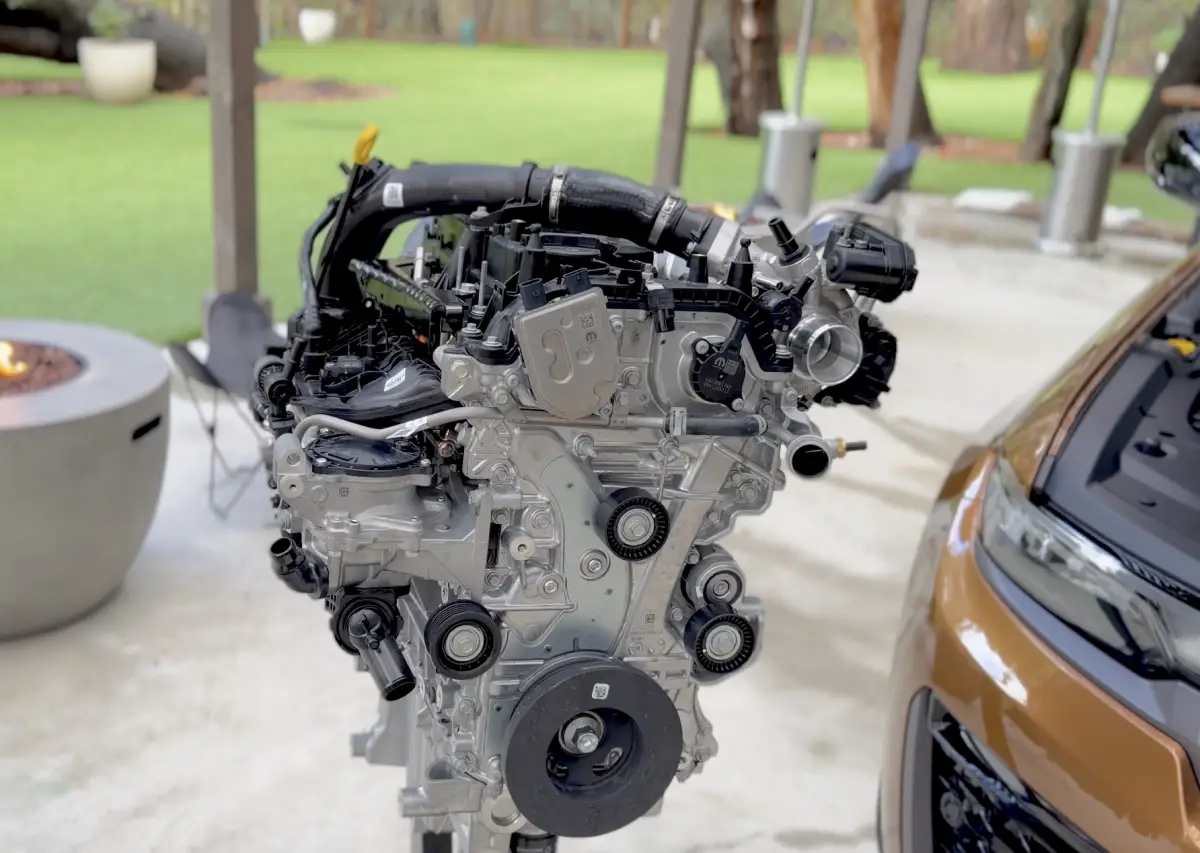
This is not Jeep slapping a bigger turbocharger on an existing 2.0-liter engine. According to Dubey, the only shared component with other engines in the lineup is the oil filter. Everything else is new.
Jeep started from a clean sheet because they didn’t want trade-offs between performance, fuel economy, durability, or NVH (noise, vibration, and harshness).
That clean-sheet design allowed them to build the structure strong enough to handle higher cylinder pressures for decades, not just warranty years.
TURBULENT JET IGNITION IS THE GAME CHANGER

The headline technology here is what Jeep calls “Turbulent Jet Ignition.”
Instead of a conventional spark plug igniting the air-fuel mixture directly in the combustion chamber, Jeep uses a passive pre-chamber. The spark plug ignites the mixture inside a small pre-chamber that resembles a sewing thimble. That ignition shoots out multiple high-speed flame jets. (Think lighter vs. blowtorch.)
This results in faster combustion, more complete combustion, reduced knock, more power and lower emissions.
IT’S PUNCHY, ESPECIALLY IN SPORT MODE
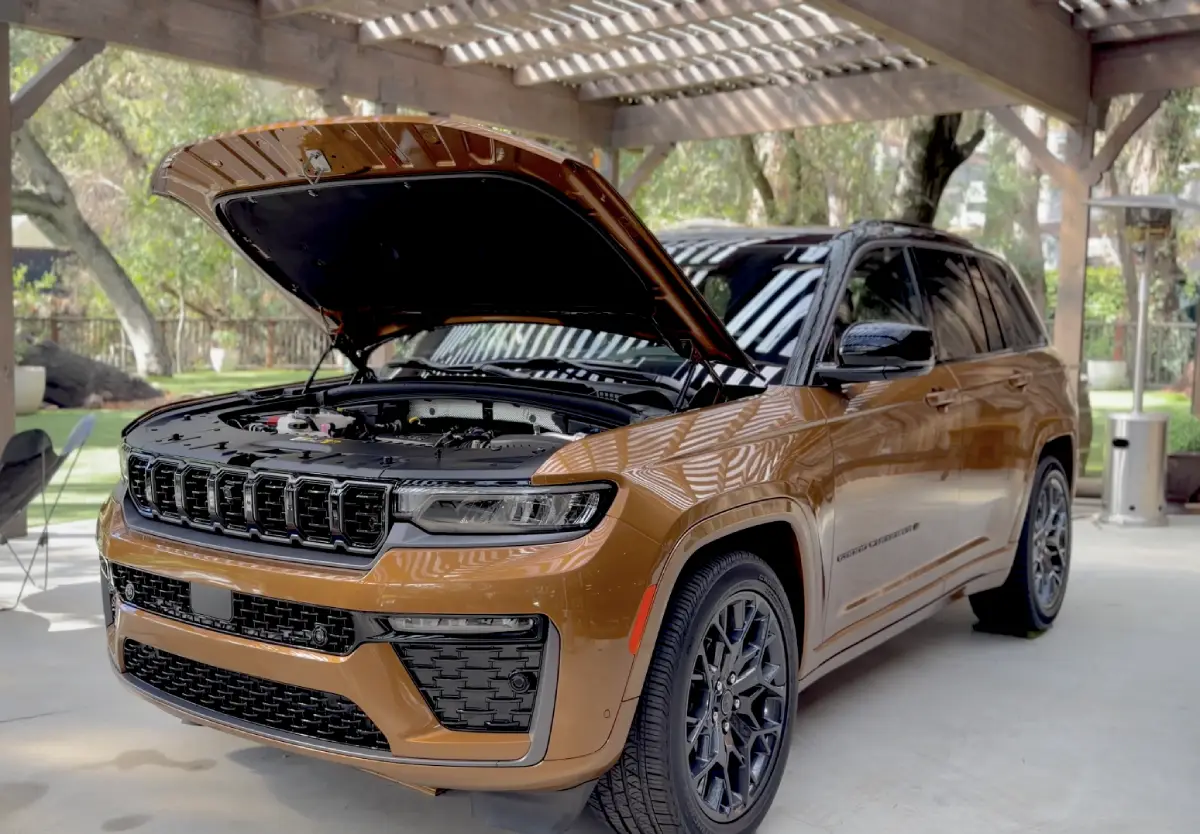
Out on canyon roads, the first thing I noticed was how quick it feels off the line. Turbo lag is minimal, and the variable geometry turbo (VGT) plays a big role in that.
The VGT allows for big-turbo power up top, taking full advantage of large turbocharger’s inherent strengths. It also allows for faster low-end response thanks to the variable geometry, an advantage usually attributed to smaller turbos.
In normal drive mode, the transmission can take a moment to sort itself out. Switch it into Sport mode, and everything sharpens up, the transmission holds gears longer, there is markedly improved throttle response, and the four-corner air ride suspension adjusts for more athletic driving.
For a heavy three-row SUV like the Grand Cherokee L I drove, it handles canyon roads shockingly well.
TOWING CAPABILITY IS STILL THERE
This is critical.
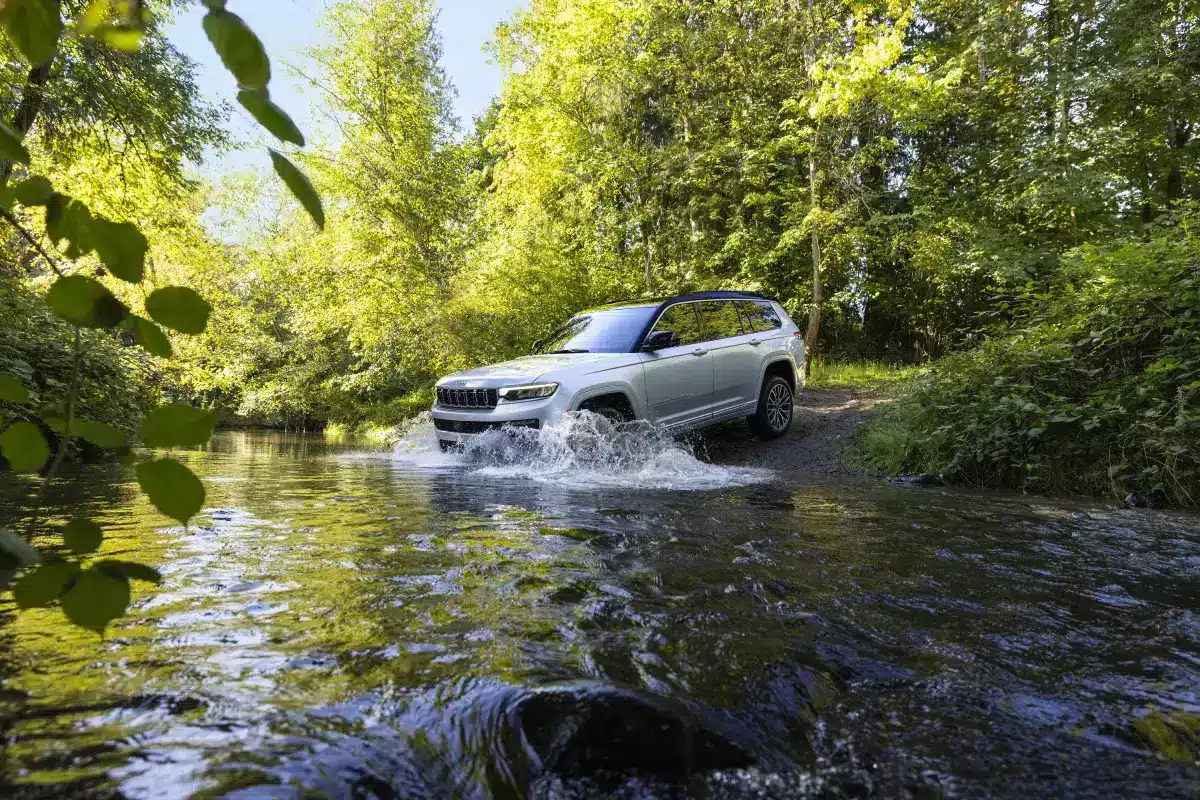
Jeep did not reduce towing capability. The Hurricane 4 maintains the same 6,200-pound tow rating as the 3.6-liter Pentastar V6. Jeep claims they examined how Grand Cherokee owners use their SUVs and did not want to make buyers choose between power and efficiency. So Jeep gave more in both areas. The new engine has 31 more horsepower and 75 pound-feet more torque than Pentastar, with an expected 10% fuel economy improvement.
If you’re towing a boat to the lake or pulling a U-Haul, this engine was designed for that duty, not adapted to it.
DURABILITY WAS ENGINEERED IN FROM DAY ONE
One of the biggest online concerns with small, turbocharged engines is longevity. “Too much strain on that small engine” is a comment I read at least once a day. Jeep addressed that head-on.
Structural upgrades include:
• 24% thicker cylinder walls
• Larger crankshaft
• Larger main bearings
• Structural oil pan
• Structural windage tray
• Single-piece die-cast block design
• 350-bar direct injection system
The bottom end was reinforced specifically to handle higher cylinder pressures over “tens of years,” as Dubey put it.
This isn’t an aftermarket-style boost situation. It was engineered for high boost from day one.
DUAL INJECTION SOLVES NOISE AND CARBON CONCERNS

Jeep uses both direct injection and port fuel injection. Why both? DIirect injectionhelps with knock resistance and performance. Port fuel injection reduces parasitic losses, improves NVH and helps prevent carbon buildup on intake valves.
Once the engine warms up and catalyst heating is complete, it can run on port fuel injection alone at idle, reducing the typical direct injection ticking noise many turbo engines have.
That’s a thoughtful detail that again speaks to the fact that Jeep engineered this engine to last past the warranty period.
YES, IT SOUNDS LIKE A FOUR-CYLINDER
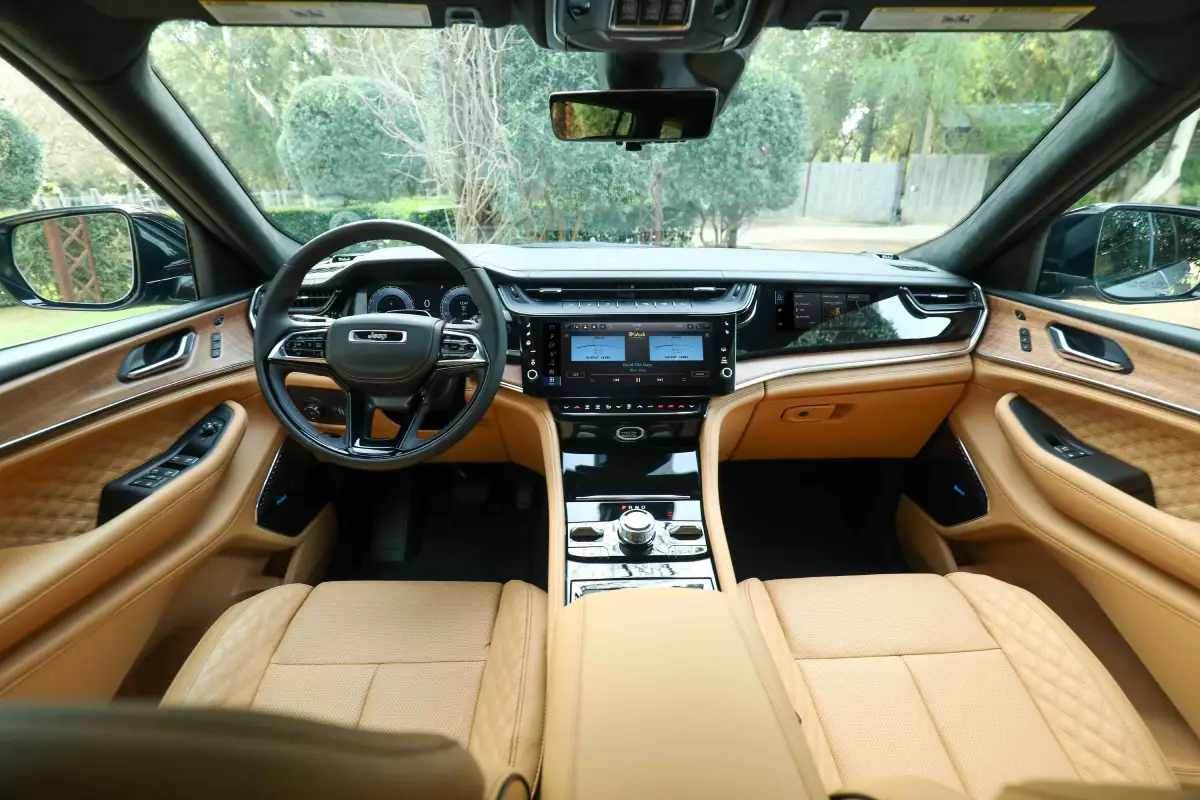
Let’s be honest, the Hurricane 4 does not sound like the old 5.7L Hemi. How could it? Under heavy load, especially when climbing in elevation, you will hear the four-cylinder working. It’s not strained, but it is audible. There’s a bit of a drone under sustained throttle. Jeep countered this with extensive NVH tuning, structural rigidity improvements and premium audio systems (hello, McIntosh). The result is that in daily driving and when highway merging, the Hurricane 4 feels strong and confident.
DRIVING DYNAMICS BEYOND THE ENGINE
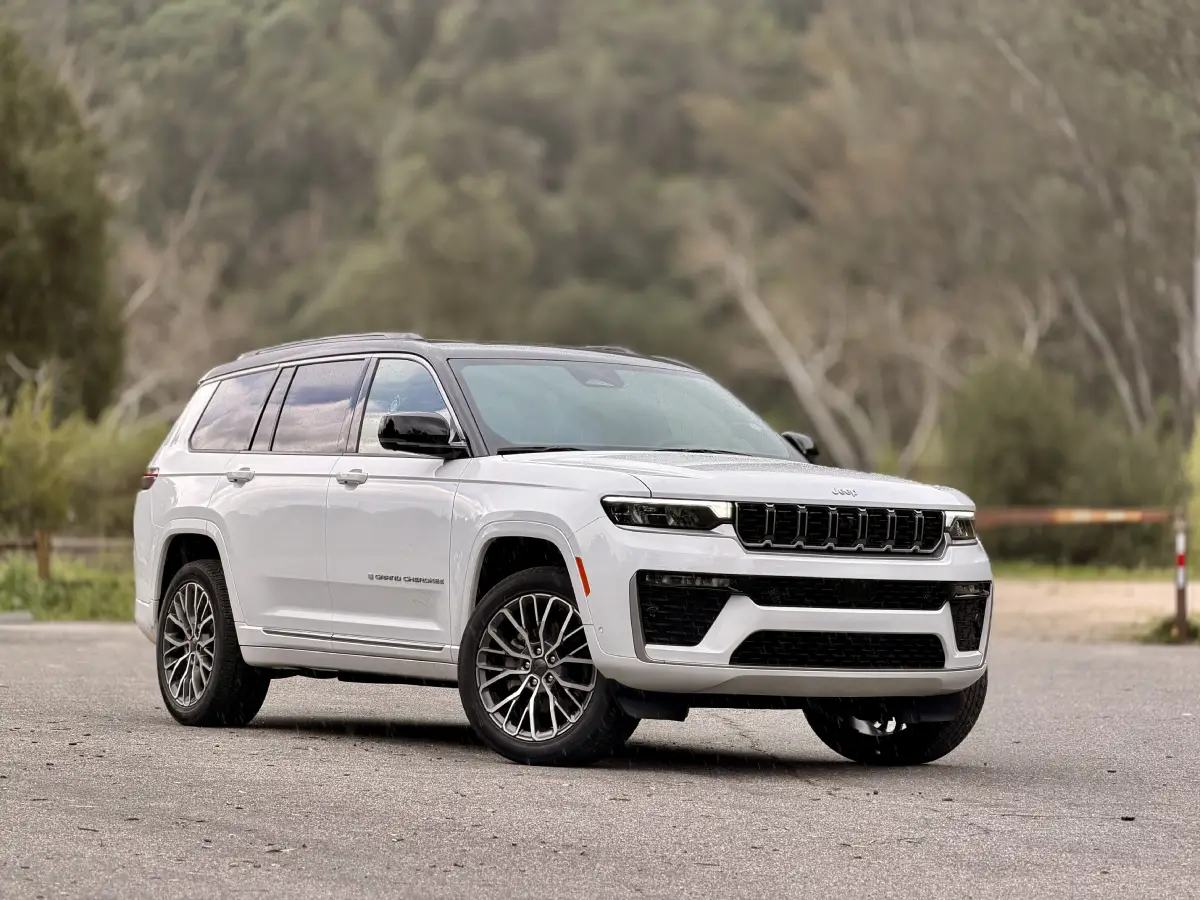
The Grand Cherokee remains composed and comfortable. I took out a 3-row Grand Cherokee L with the Hurricane 4 engine in the Summit trim. My model had the Summit’s Quadra-Lift air suspension and large 21-inch wheels.
Even on tight canyon roads with sharp elevation changes, the three-row L version doesn’t feel clumsy. Jeep’s dual personality philosophy, luxury on-road, capable off-road, still holds true.
THE BIG QUESTION: DID JEEP GET IT RIGHT?
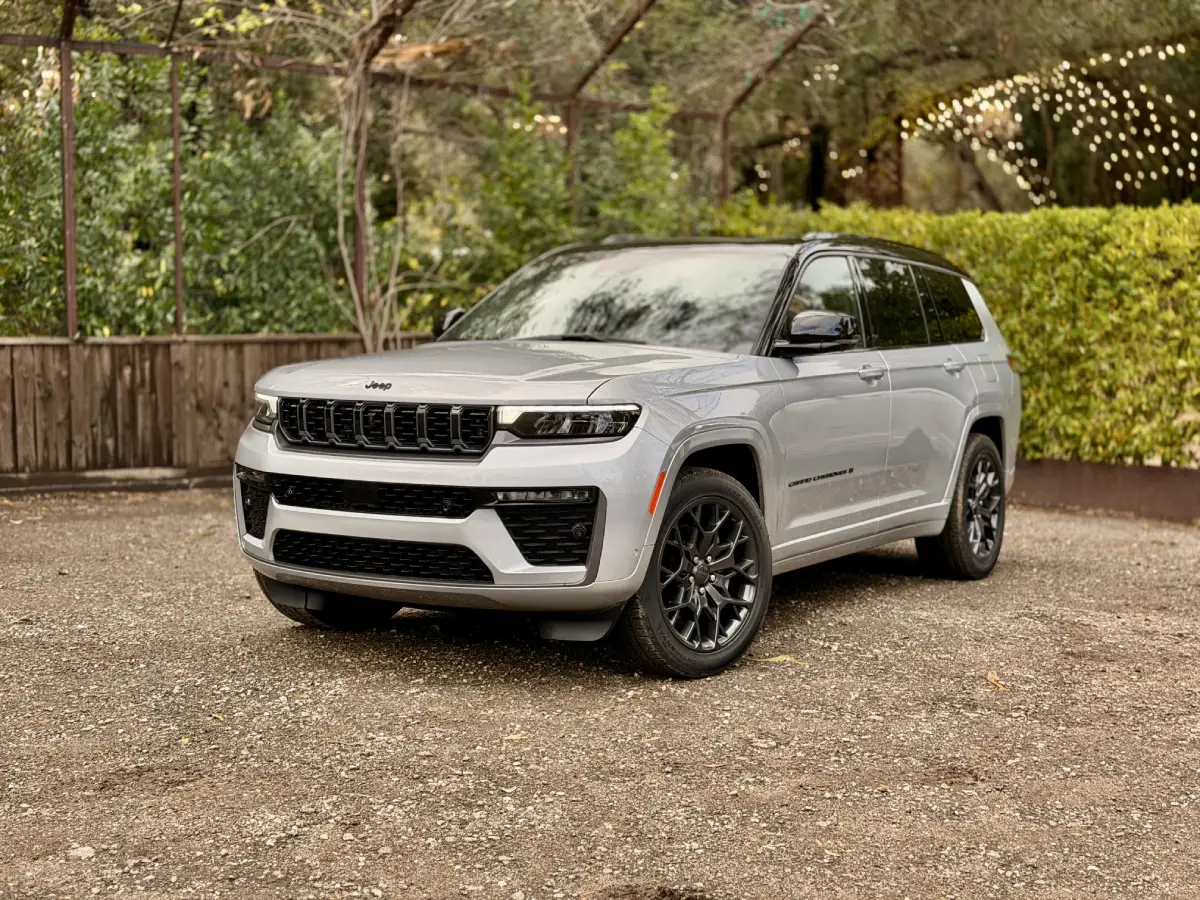
That’s hard to answer definitively in the positive with a short, post-lunch drive through Southern California, but I can tell you that it was not a huge letdown. What Jeep has done here is not simple downsizing. It’s advanced combustion engineering applied to a volume SUV, and the benefits are clear. The new Hurricane 4 employs far more modern engine technology. This is why it has more torque, yet returns better fuel economy. Even better, towing is unchanged. and Stellantis claims that its engine is designed to last decades. The jury ws still out on that one.
From behind the wheel, the Hurricane 4 feels sorted, strong, and purpose-built for this platform. It may not win over every Hemi loyalist, but from a performance-per-gallon standpoint, it’s hard to argue with the engineering.
And that makes this one of the most important powertrain launches Jeep has done in years.