Thanks to brilliant, if now dead, car designers, it used to be that you could tell what a car was the moment it appeared. A Mercedes-Benz looked like it had just finished explaining the rules to you. A Cadillac looked like it was about to ignore them. A Volvo looked like it had already filed a report about your driving. And a Jaguar? Well, a Jaguar looked like it might not start, but would still judge you for doubting it.
Now? Your new ride is really a transportation appliance with aspirations – and no one seems to care.
HOW DID WE END UP WITH SUCH DULL DESIGN?
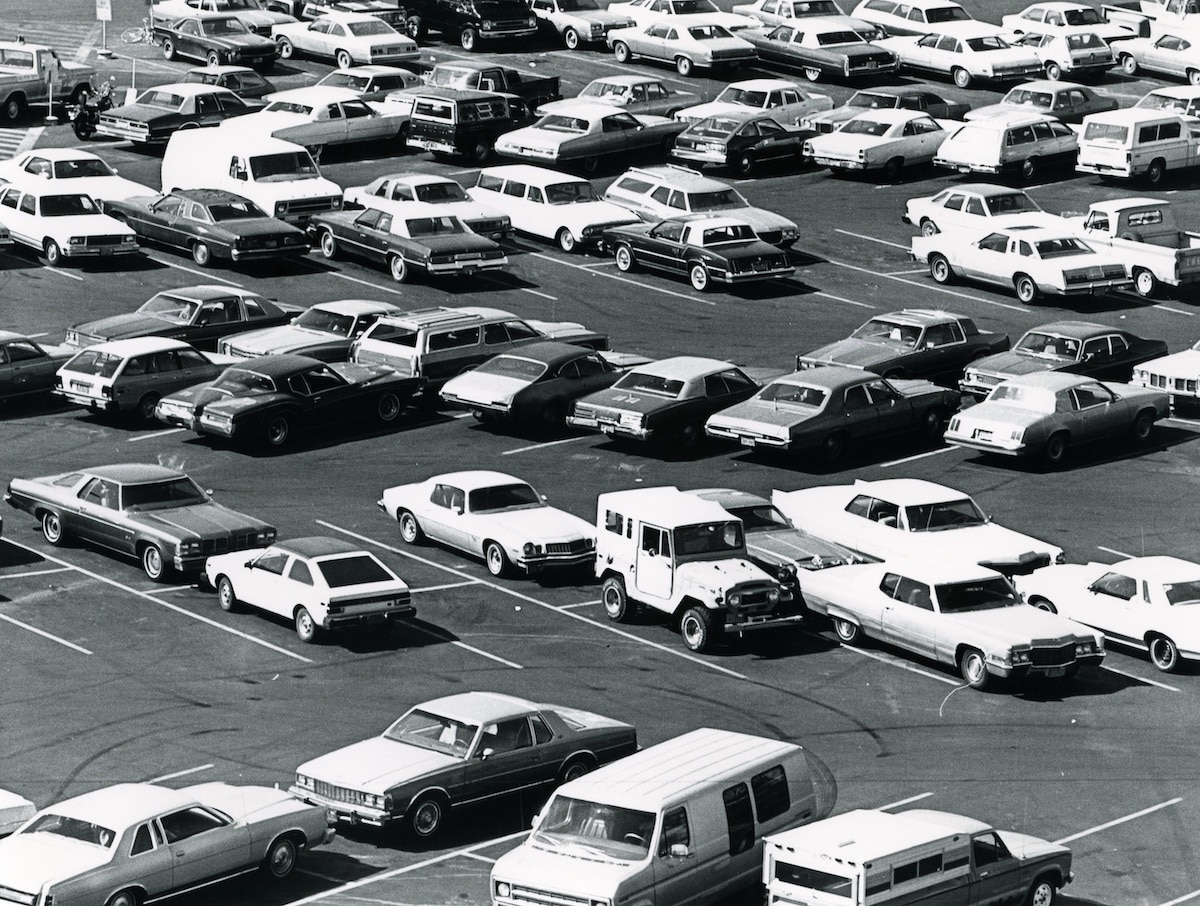
While car design from any era exists within a certain design envelope, the modern automobile has drifted into an extreme state of global design conformity, the same phenomenon that gives us airport terminals, chain hotels, and corporate art nobody remembers. The official explanation is efficiency: shared platforms, global architectures, shared powertrains, modular everything.
Then there’s government regulation, a well-meaning, if relentless, force that ensures every car is safer, heavier, more complex, more expensive and stylistically more inhibited than anything that came before it.
THANK YOU, UNCLE SAM
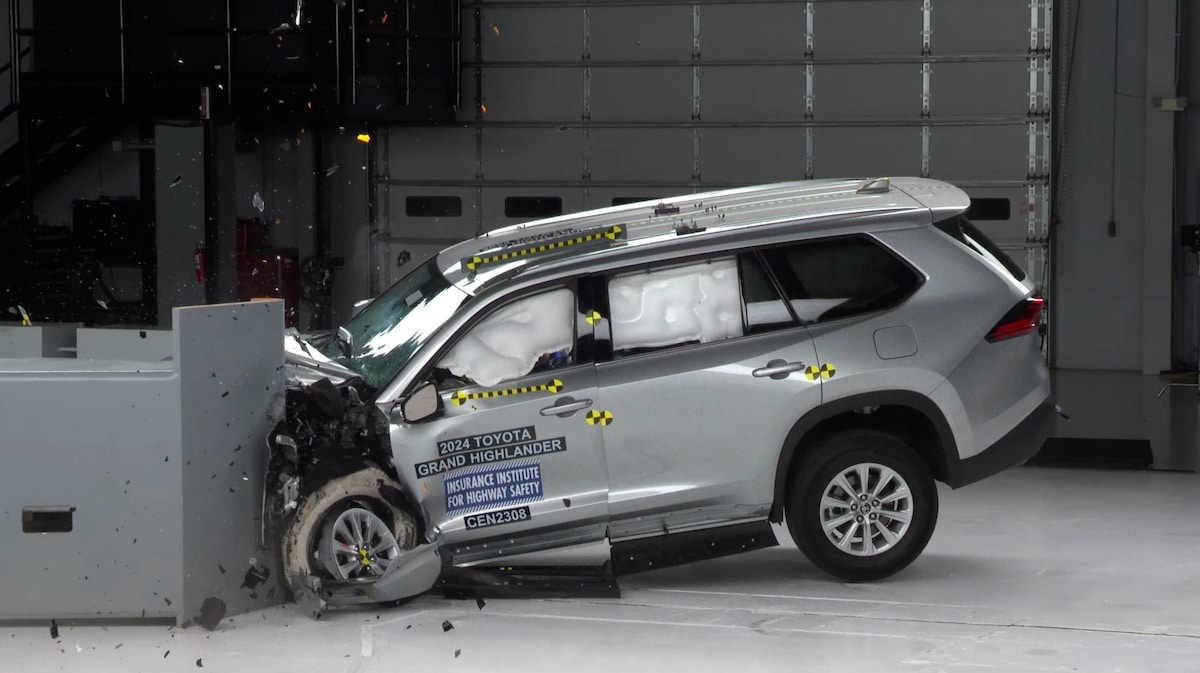
Take pedestrian impact standards. In Europe, regulations require automakers to design front ends that reduce injury risk in collisions with pedestrians. It’s an entirely reasonable goal that, in practice, has helped usher in automotive proboscis designs that are taller than your kitchen counter. In the U.S., bumper and crash standards dictate proportions that make clean surfacing and tight overhangs nearly impossible. Add side-impact rules, roof-crush requirements, rollover standards for SUVs, and an ever-expanding number of safety mandates, and what you get isn’t design, but coloring between the lines. And that’s before a design must justify itself before an unseen tribunal of crash test dummies and liability lawyers.
But wait, there’s also emissions and fuel economy regulations, which have pushed manufacturers toward shared platforms and powertrains.
WHAT’S A DESIGNER TO DO?
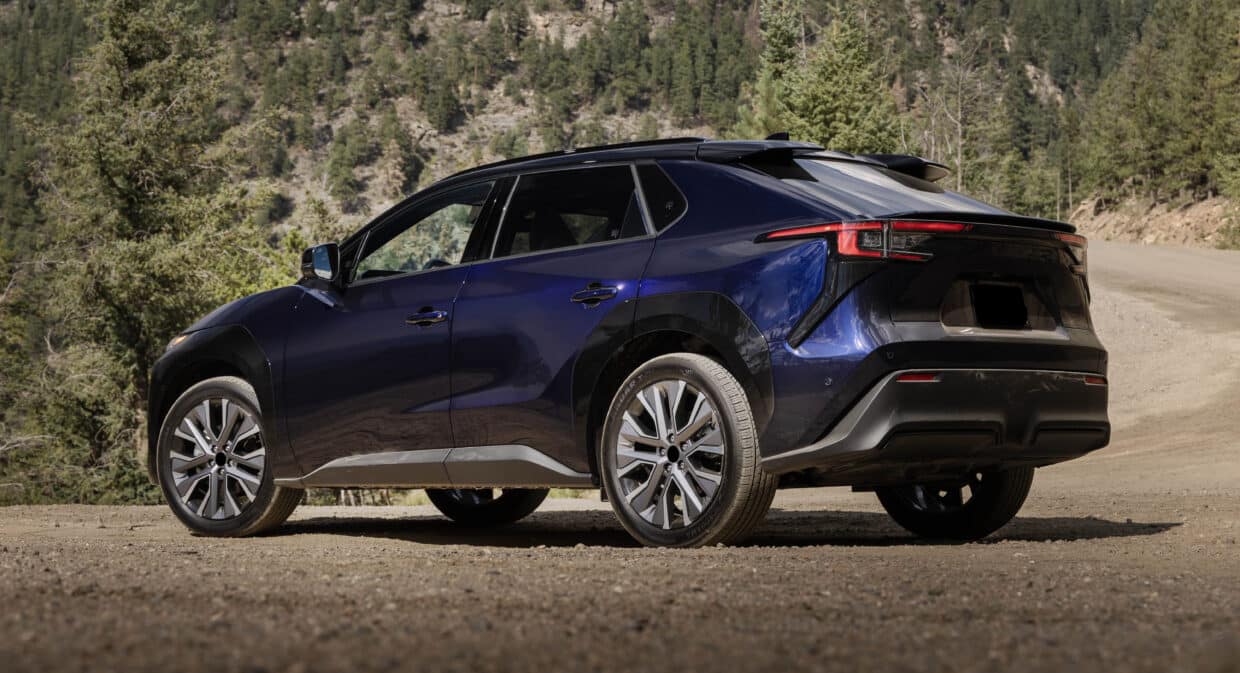
So designers adapt, as they always do. They don’t rebel against constraints. They design around them, like water flowing downhill through a legal department.
This brings us back to another homogenizing force: the modern automotive designer who hops from brand to brand with the ease of corporate consultants. A stint at a German luxury marque is followed by a stop at a Korean tech-forward brand, followed by a chief designer job at an EV startup funded by people who think history began in 2017.
They all bring the same toolkit. The same CAD systems. The same simulation software. The same wind tunnel optimization programs that have strong opinions about drag coefficients and no patience for personality.
And because designers move between companies like traveling salesmen with shared aesthetic DNA, the same ideas circulate endlessly. A headlight idea born in Munich shows up refined in Seoul and softened in Detroit. Everything flows. Nothing differentiates. And crucially, they bring the same learned instincts about what will survive the gauntlet of executive approval, government regulation, cost engineering, supplier constraints and fickle consumer sentiment.
So even before a sketch becomes a car, it has already been filtered through a kind of invisible bureaucratic strainer. And every automaker is using the same one.
SO MANY DESIGNERS, SO LITTLE INDIVIDUALITY
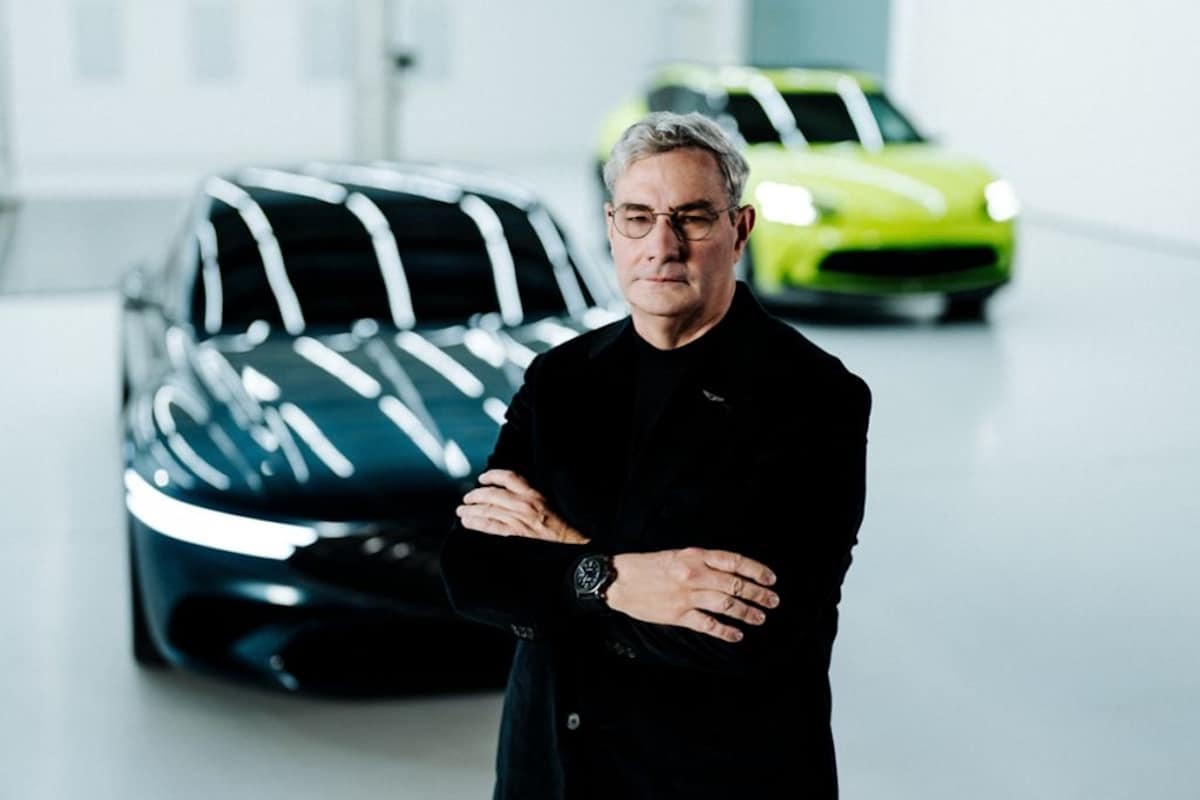
The result is predictable. Every new vehicle wears the same design clichés. You know them. The ridiculously huge rear spoiler, the black roof, the Hofmeister kink, the black wheels, the matte paint and the judgmental headlights slits that make every car seem as it’s unimpressed with your parking. Exteriors converge into a mildly angry bar of soap. Interiors become prisons of minimalism, where automakers save money by eliminating knobs and putting their function on a screen.
Manufacturers will insist this is what customers want. And they’re right, in the same way people say they want healthier diets while lining up at drive-thru windows.
THE UPSHOT
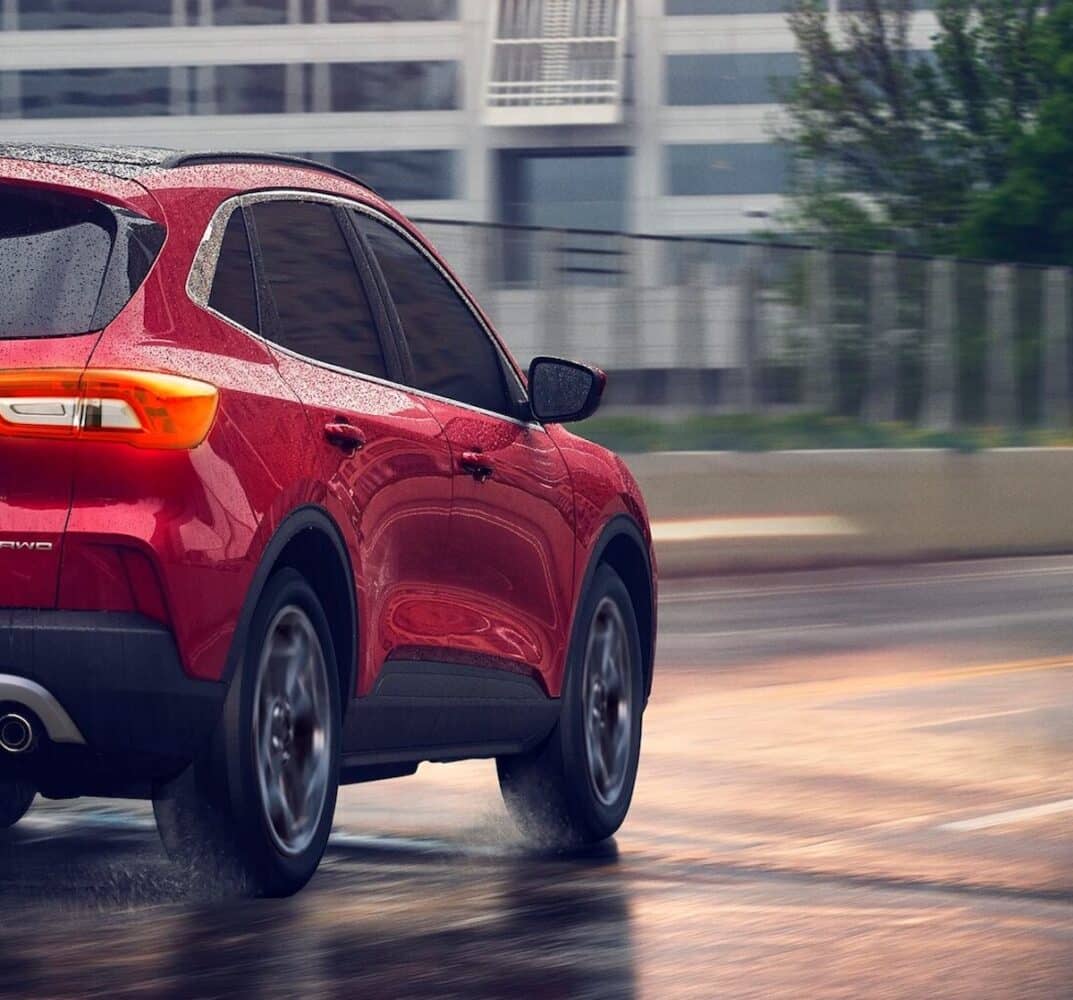
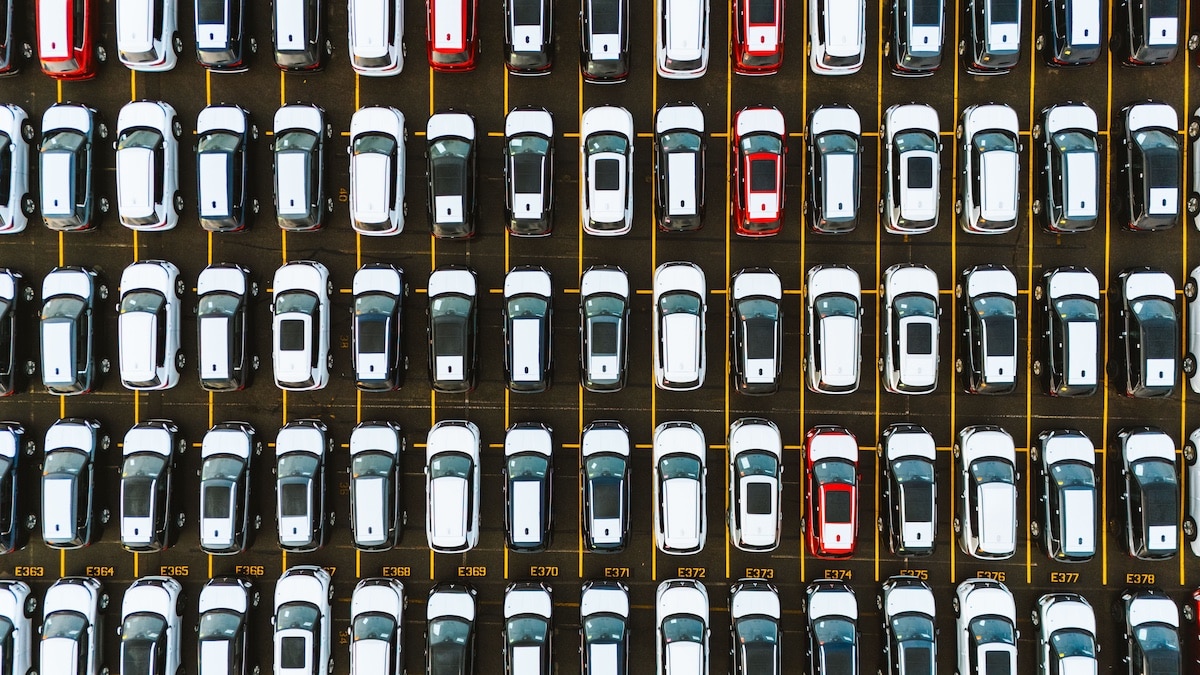
At the end of it all, you stand in a dealership staring at a row of vehicles that look like they have the personality of a refrigerator. Why? Because personality requires risk, and while risk can bring about a huge hit, risk can also flop, becoming an expense as well as the end to a career. So instead, we get a world of cars that are perfectly acceptable, aggressively inoffensive, wearing the same design clichés and designed to be bought, but not remembered.
And that’s why, standing in a dealership, you get a sense of déjà vu. It’s not that you’ve seen this exact car before. And it’s not that every car looks the same.
It’s that every car becomes only what the system tolerates