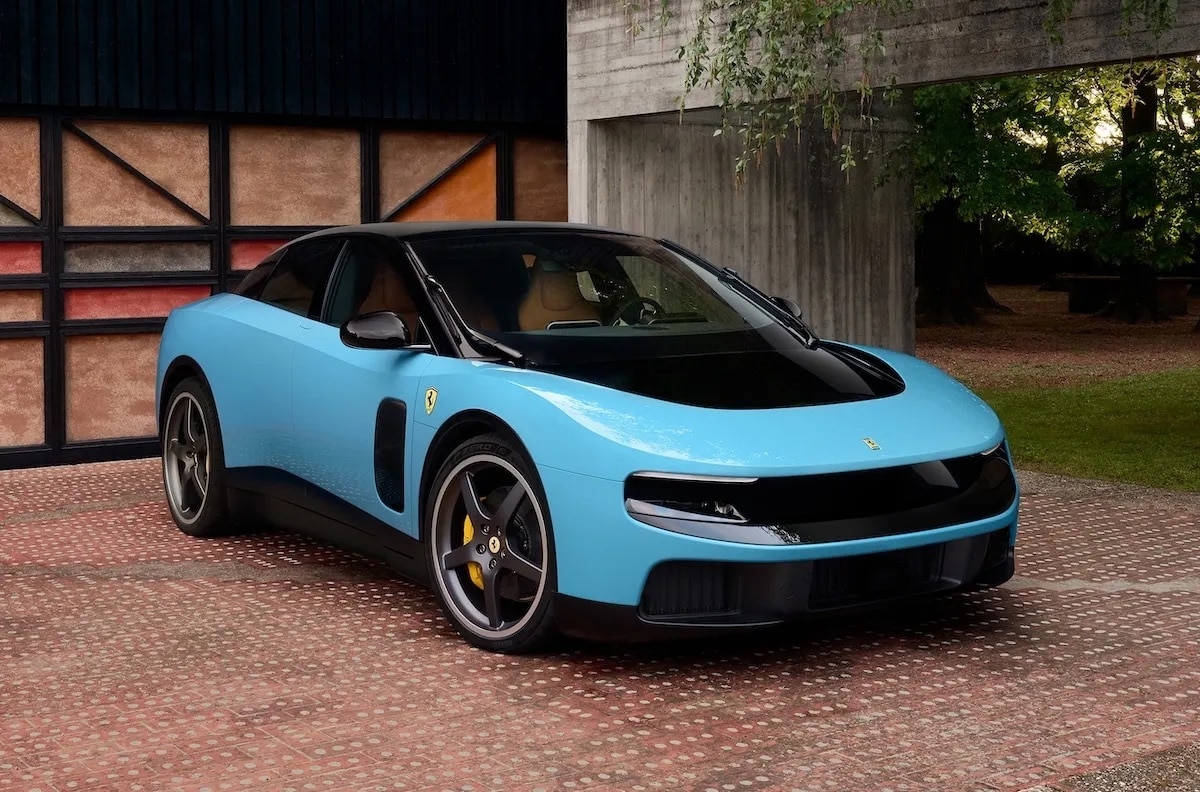
No doubt you’ve heard that Ferrari introduced the 2027 Ferrari Luce, a four-door, five-seat electric luxury crossover that ignores everything that made Ferrari special and creates a new product development paradigm for the luxury automaker.
It blows up the old Ferrari business model, which was simple and worked well for decades. Take a race car, add license plates, and sell it to wealthy cardiologists with suspiciously young girlfriends. The resulting automobile would try to kill you every time it rained, but that was part of the charm. Ferraris were loud, temperamental, and uncomfortable because Italy has always viewed engineering the way Medieval popes viewed celibacy: technically important, but mostly regarded as a suggestion.
And, of course, they were beautiful in a way no other car was. The Luce changes all of that.
THE FERRARI LUCE’S NEW LOOK
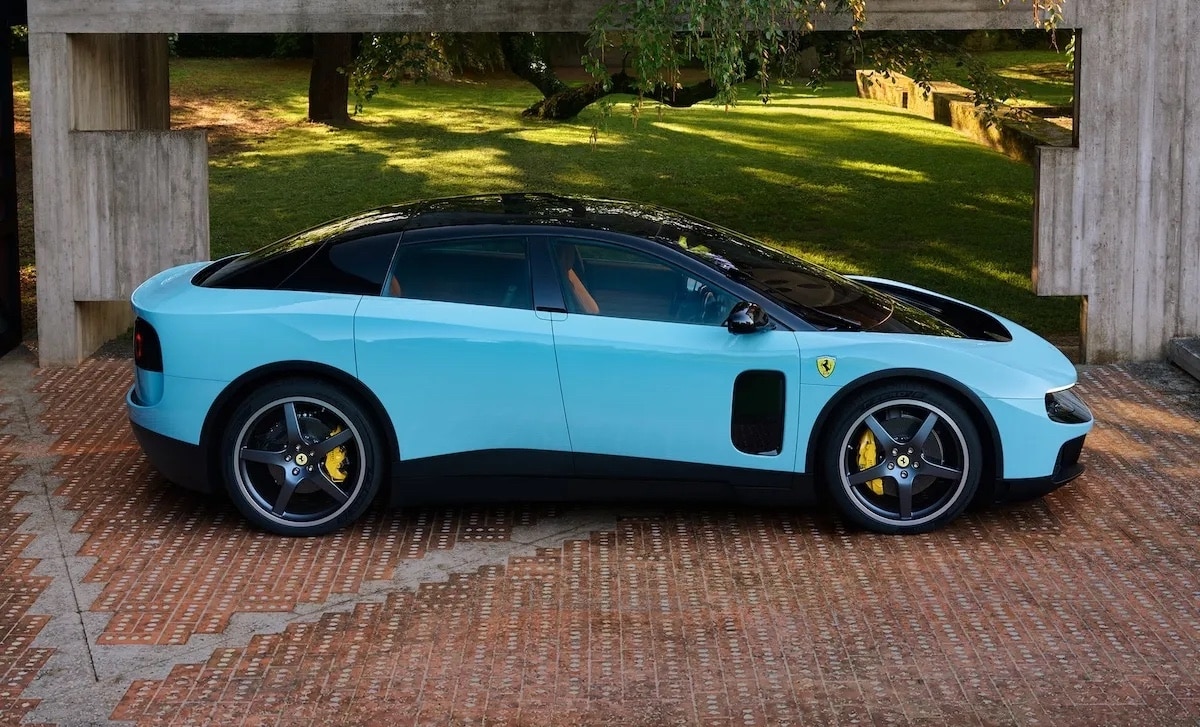
With a design that owes nothing to Ferrari design heritage, the Luce looks as it would come from a Chinese OEM, rather than anything from Maranello. The reaction was immediate and financially destructive.
On Tuesday, the day the car debuted, Ferrari shares plunged 8% in Milan, while U.S.-listed shares dove 5.3%. As much as $5.4 billion in market value vaporized. Former Ferrari Chairman Luca di Montezemolo echoed the thoughts of many. “We’re risking the destruction of an icon,” he said. “At least, I hope they take the horse off that car.”
Current Ferrari Chief Executive Benedetto Vigna defended its design on a LinkedIn post. “Breakthrough ideas rarely emerge from immediate consensus,” he wrote.
But such defensive statements ring hollow. Great design makes itself readily apparent. It needs no explanation nor defense. There was never any controversy over the beauty of a 1962 Ferrari 250 GTO.
WHO’S RESPONSIBLE FOR THE FERRARI LUCE?
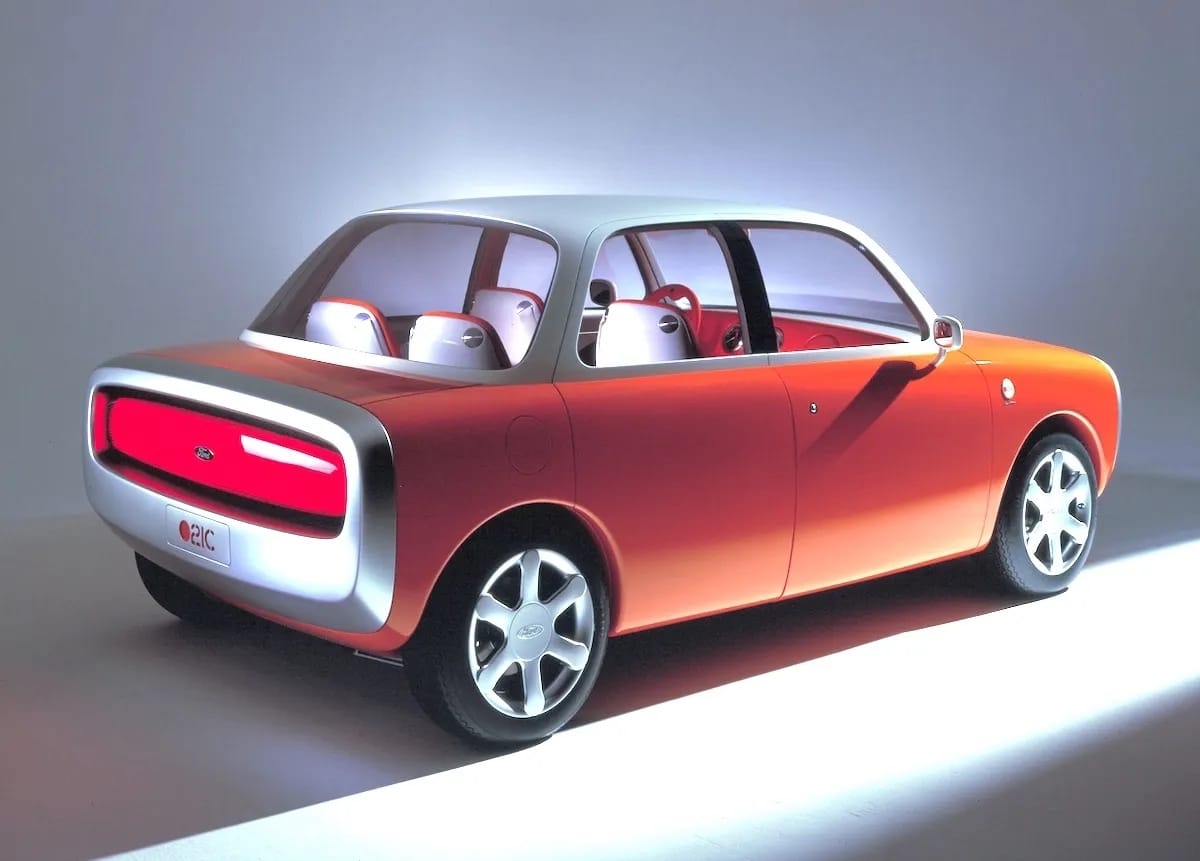
The 2027 Ferrari Luce is not the vision of Pininfarina, nor the company’s own designers. Instead, it emanates from former Apple Chief Design Officer Sir Jony Ive and Australian industrial designer Marc Newson. The pair work together at their design consulting firm, LoveFrom. Newson’s previous automotive handiwork is the 1999 Ford 021C Concept, a city car that features suicide doors, swiveling front seats, and a trunk that pulls out like a kitchen drawer.
While both have an impressive track record, a designer is only as good as his client and supporting staff. A great designer can be hindered by inept clients or bosses. Consider that the designers who created the 2008-14 Cadillac CTS sedan coupe and wagon also had a hand in designing the excretable 1988 Cadillac Eldorado.
BEAUTY IS STILL POSSIBLE
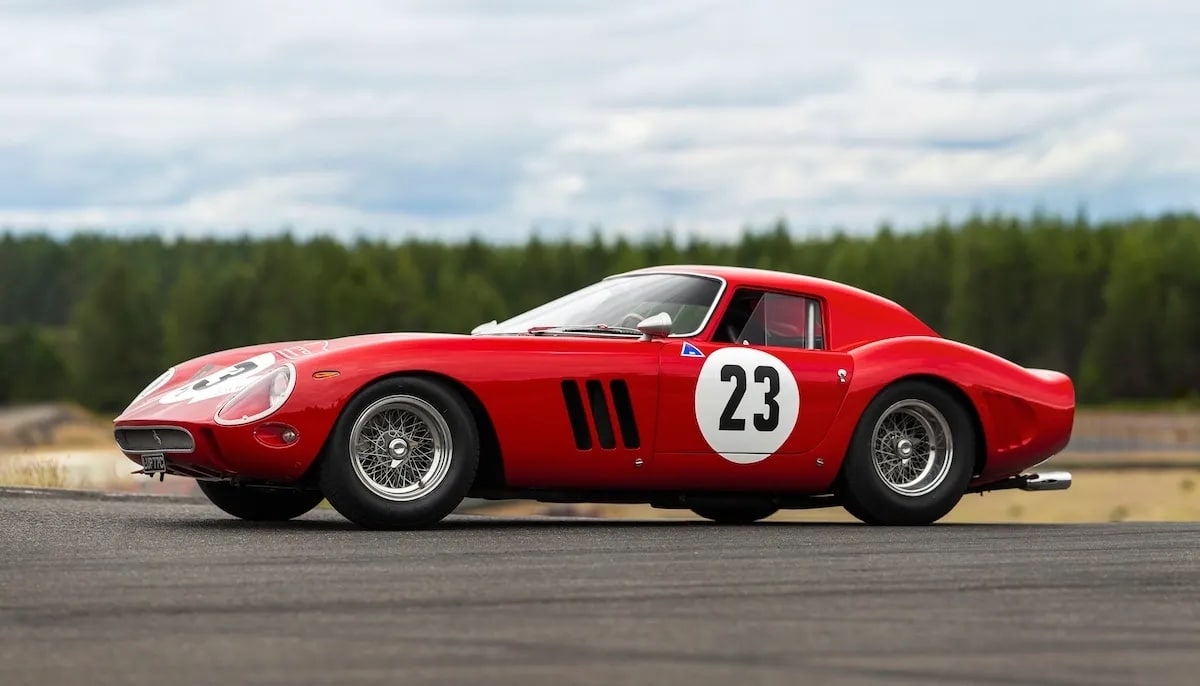
Automotive designers are perfectly capable of producing gorgeous machinery. But every so often an industrial designer, C-Suite executive or engineer barges into the room with the confidence of a cult leader. History is full of this. The Dymaxion, the Stout Scarab, the Studebaker Avanti—all built by industrial designers or engineers convinced they’d spotted a flaw in the automobile overlooked by generations of professionals.
They hadn’t.
WHAT’S MISSING FROM THE FERRARU LUCE
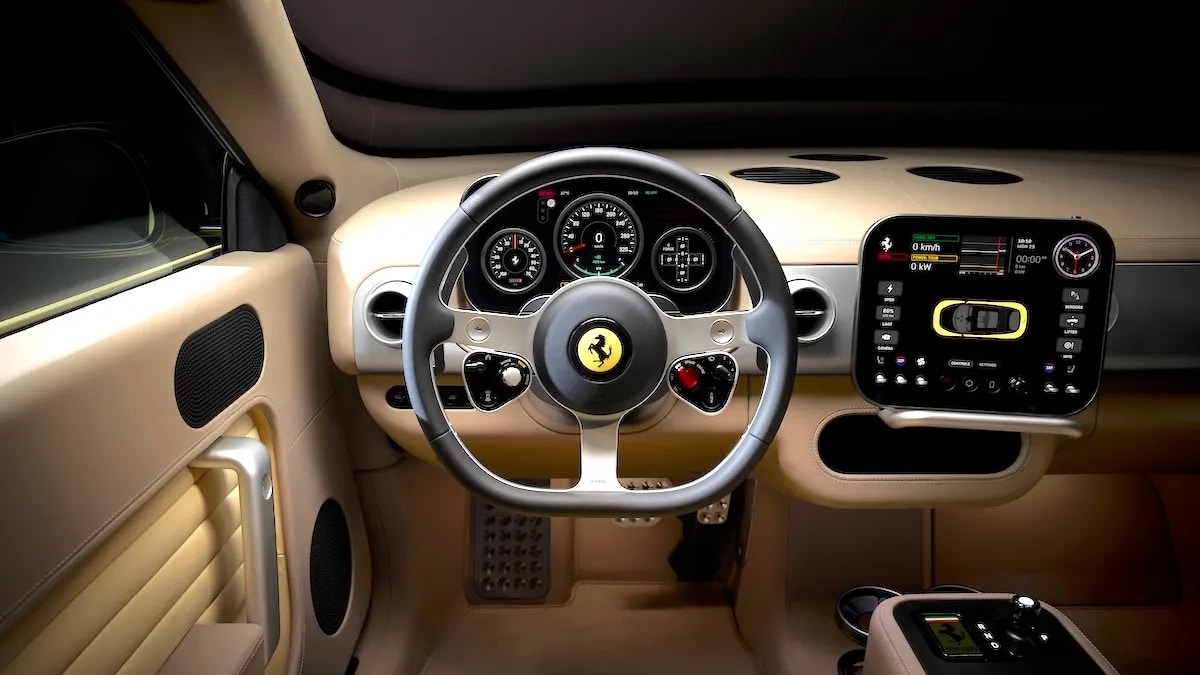
Nevertheless, the Luce is blisteringly fast. With an electric motor at each wheel, it generates 1,035 horsepower. Despite weighing about 5,000 pounds, Ferrari claims the Luce can hit 62 mph in 2.5 seconds.
But speed alone was never the entire point of a Ferrari. A Ferrari is supposed to emit glorious, immature, anti-social noise. A proper Ferrari engine sings opera through twelve cylinders.
The Luce hums. That’s not a Ferrari. That’s the sound your refrigerator makes just before dispensing filtered water. And it’s guaranteed that no one will be sitting in a bar decades from now bragging about the memorable evening when the software updated on their electric Ferrari.
THE UPSHOT
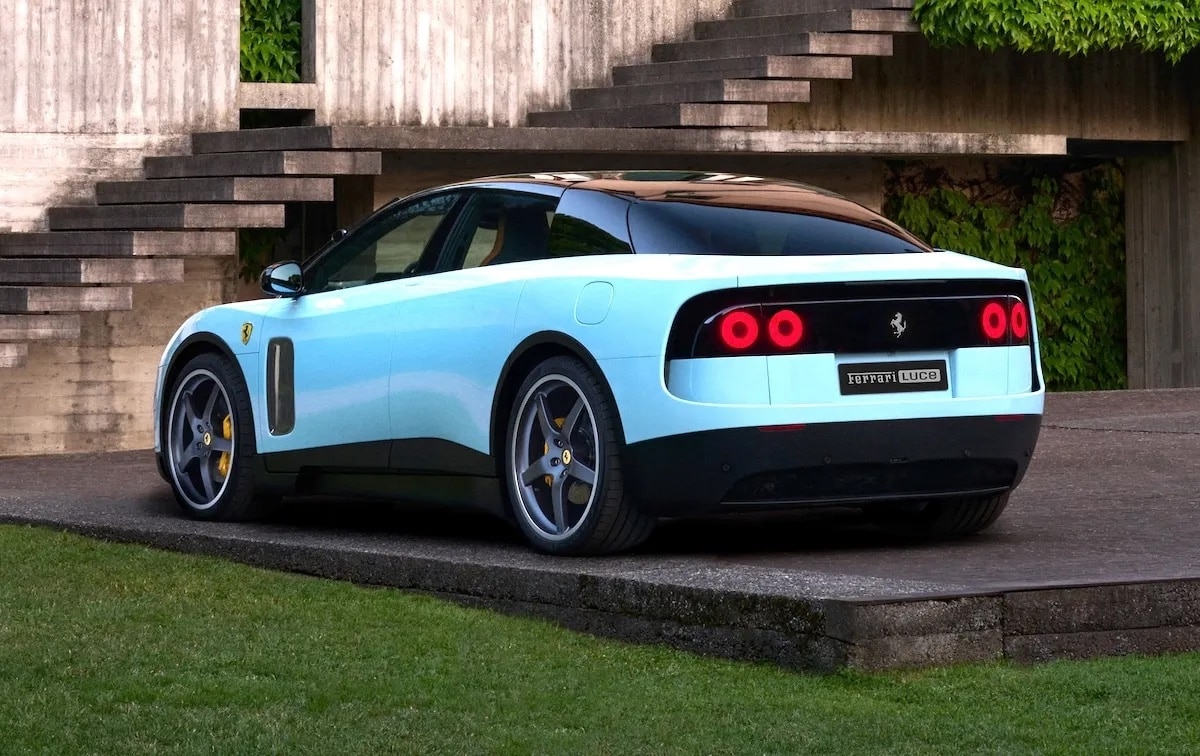
Ferrari knows this. But Ferrari also knows regulations are tightening and wealthy customers increasingly want to appear environmentally responsible. They also know that there’s a fortune to be made selling them electric status symbols.
Still, one must mourn.
Ferrari used to build machines that were beautiful automotive temptations. They were designed to seduce, thrill, and occasionally ruin your sense of restraint. Now it builds responsible performance solutions.
The 2027 Ferrari Luce may save the planet, but it buries the soul that once defined Ferrari.
Editor’s note: This is an updated version of a column that first appeared on The Car Collective Substack. To subscribe to The Car Collective, click here.