
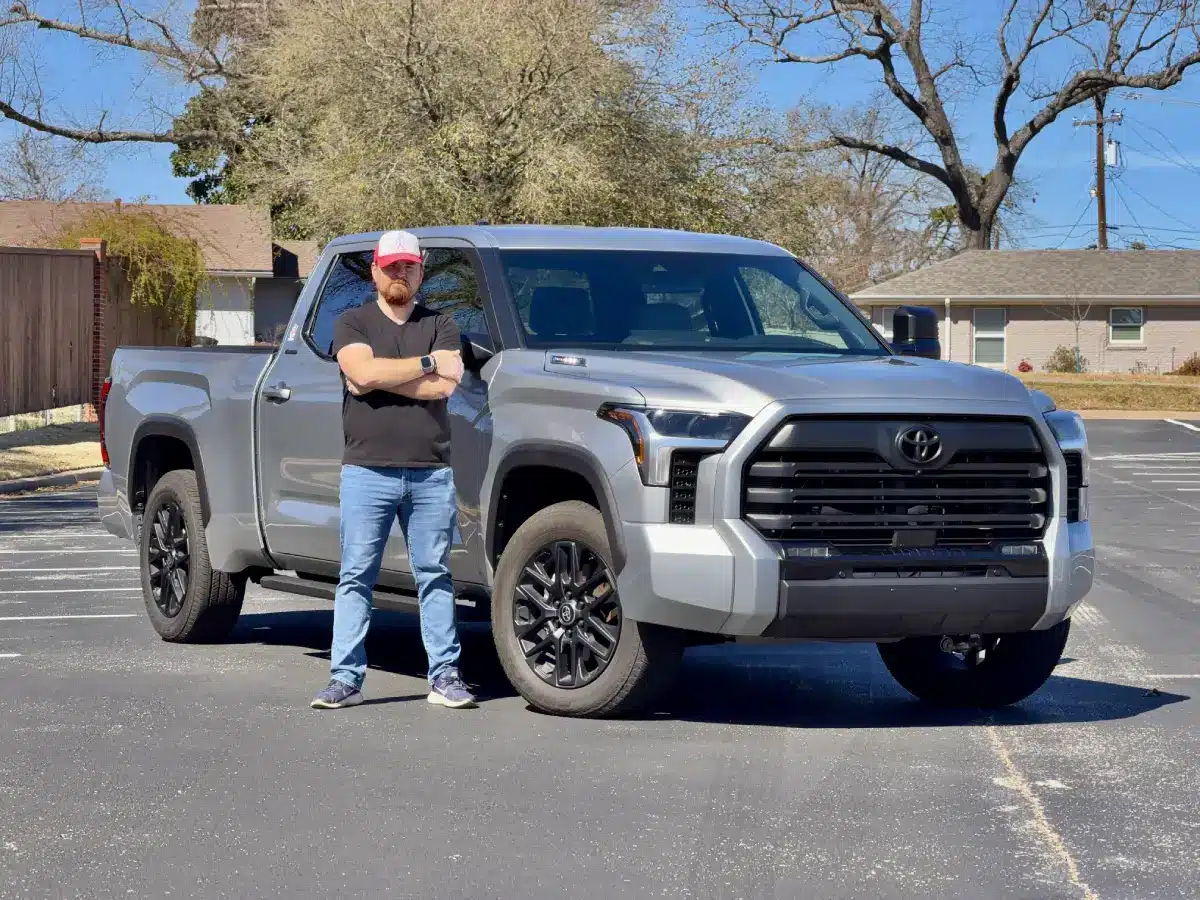
A couple of weeks ago, Tim sent me to my local Toyota dealership to inspect the build quality of the 2026 Toyota Tundra. I found one issue on that truck that raised an eyebrow.
Fast forward, and I’ve now spent a full week living with a 2026 Toyota Tundra Limited Nightshade 4×4 with the i-Force Max hybrid powertrain, road-tripping it from East Texas to Toyota’s North American headquarters and back.
So, did my original criticism hold up? And what else did I discover after 300-plus miles of highway, back roads, and daily driving?
That Build Quality Concern? Not a Widespread Problem
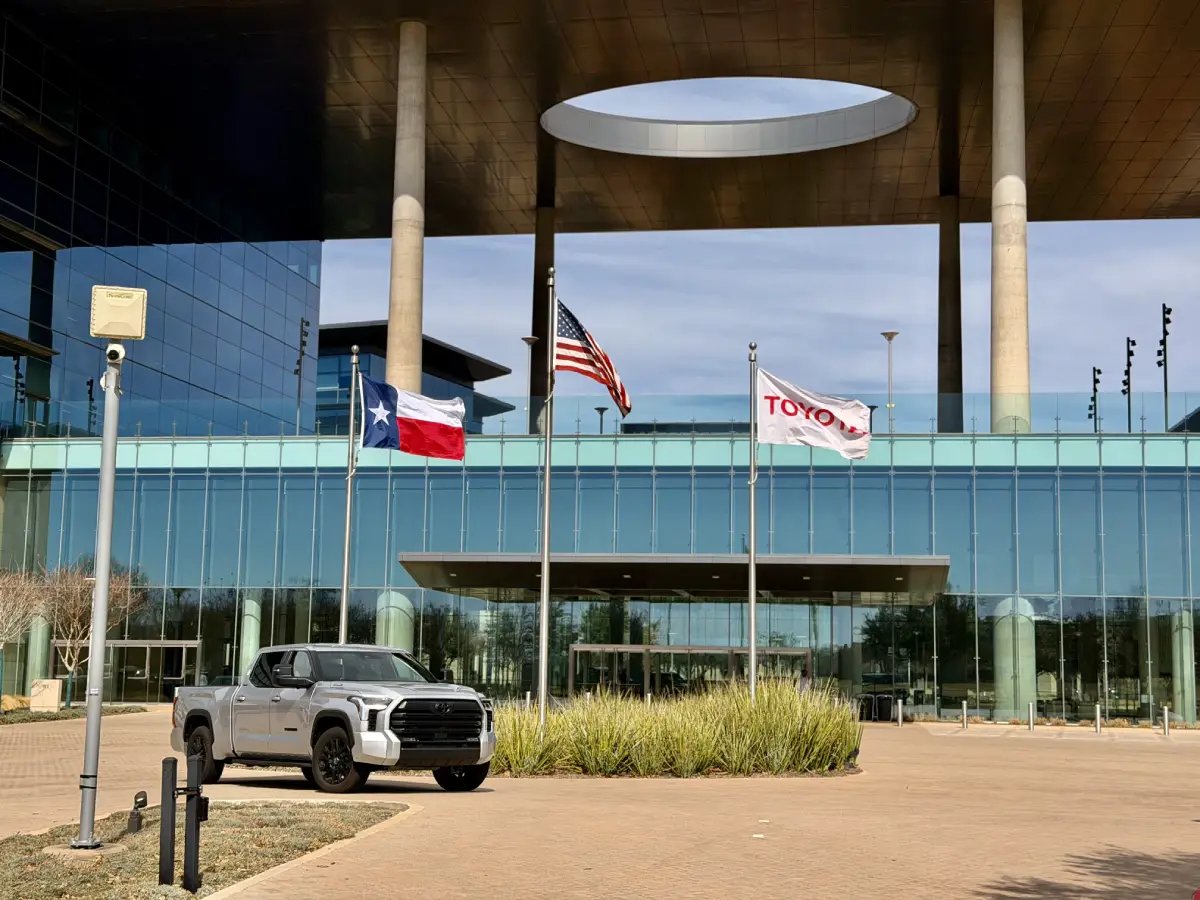
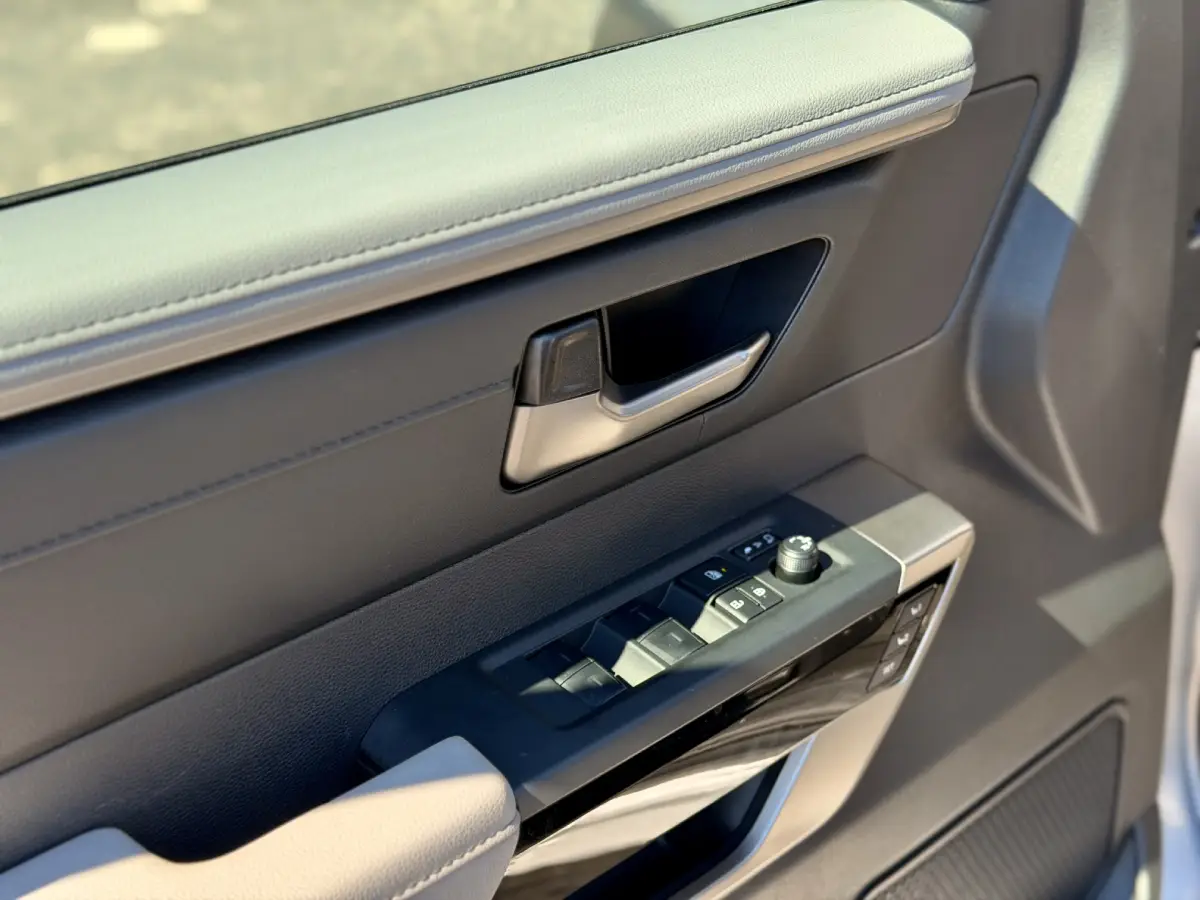
On my dealership visit, I noticed a questionable door pull fitment on one 2026 Tundra. It was random; I didn’t cherry-pick it, but it was enough to mention.
After a week with this Limited Nightshade?
No issue.
Fit and finish on this truck feel solid. Panel alignment, materials, and overall assembly don’t raise red flags. That leads me to believe the previous issue may have been an isolated unit rather than a systemic problem.
Are there growing pains across Toyota’s newly refreshed lineup? Possibly. The brand has turned over nearly its entire portfolio in the past three years. That’s a massive undertaking.
But based on this truck alone, I’m not ringing alarm bells.
The i-Force Max Hybrid Is Still the Powertrain to Get
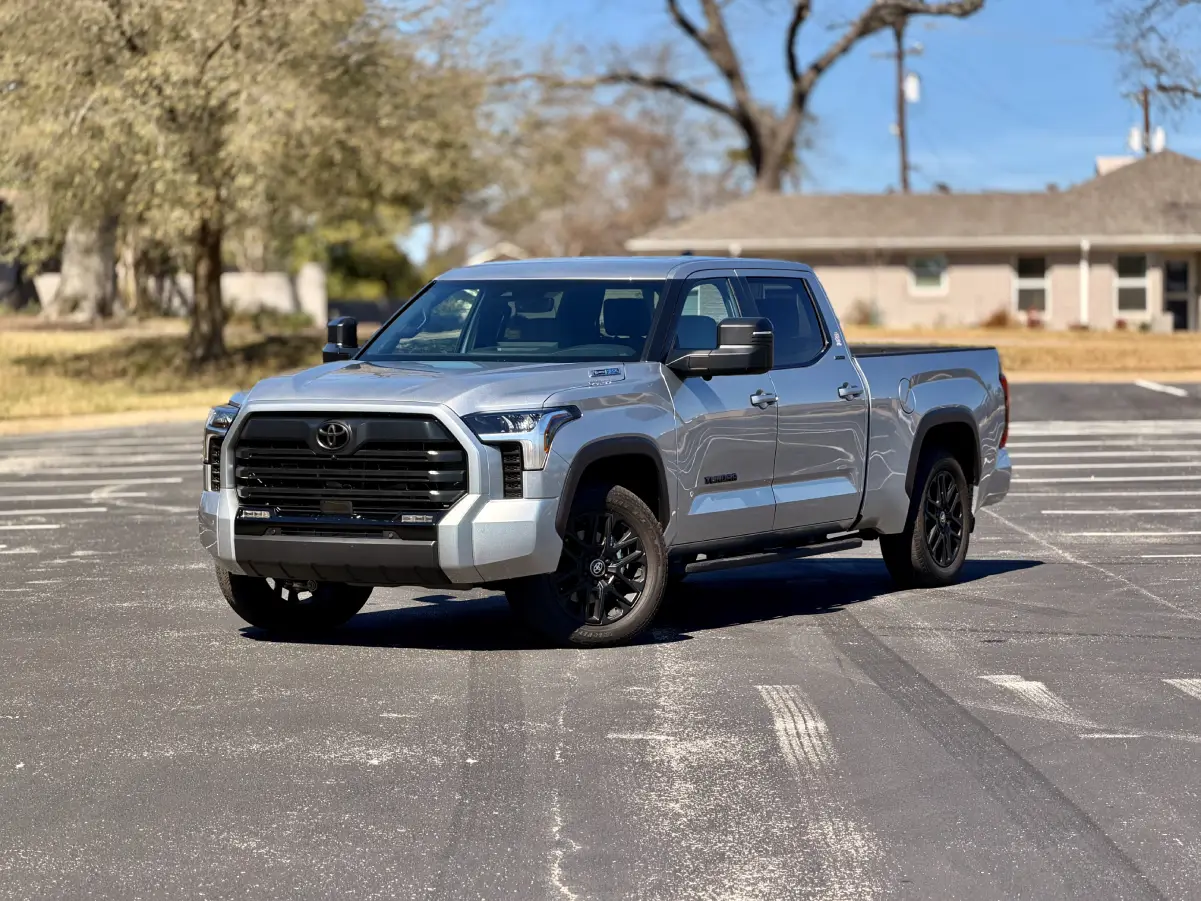
Under the hood sits Toyota’s i-Force Max twin-turbo V6 hybrid, pairing the 3.4-liter V6 with an electric motor sandwiched between the engine and 10-speed automatic transmission. There are moments when the engine shuts off and the truck glides along using electric assist, momentum, and gravity.
From a muscle-car-loving gearhead, I can say that this thing absolutely rips.
In my tests, I snagged 0–60 mph in under six seconds. That’s muscle car territory from not that long ago. It is extremely impressive for a full-size pickup with a 32-gallon fuel tank, over 11,000 pounds of towing capacity, and more than 1,600 pounds of max payload
Highway Comfort Is Excellent, Especially With the Long Bed
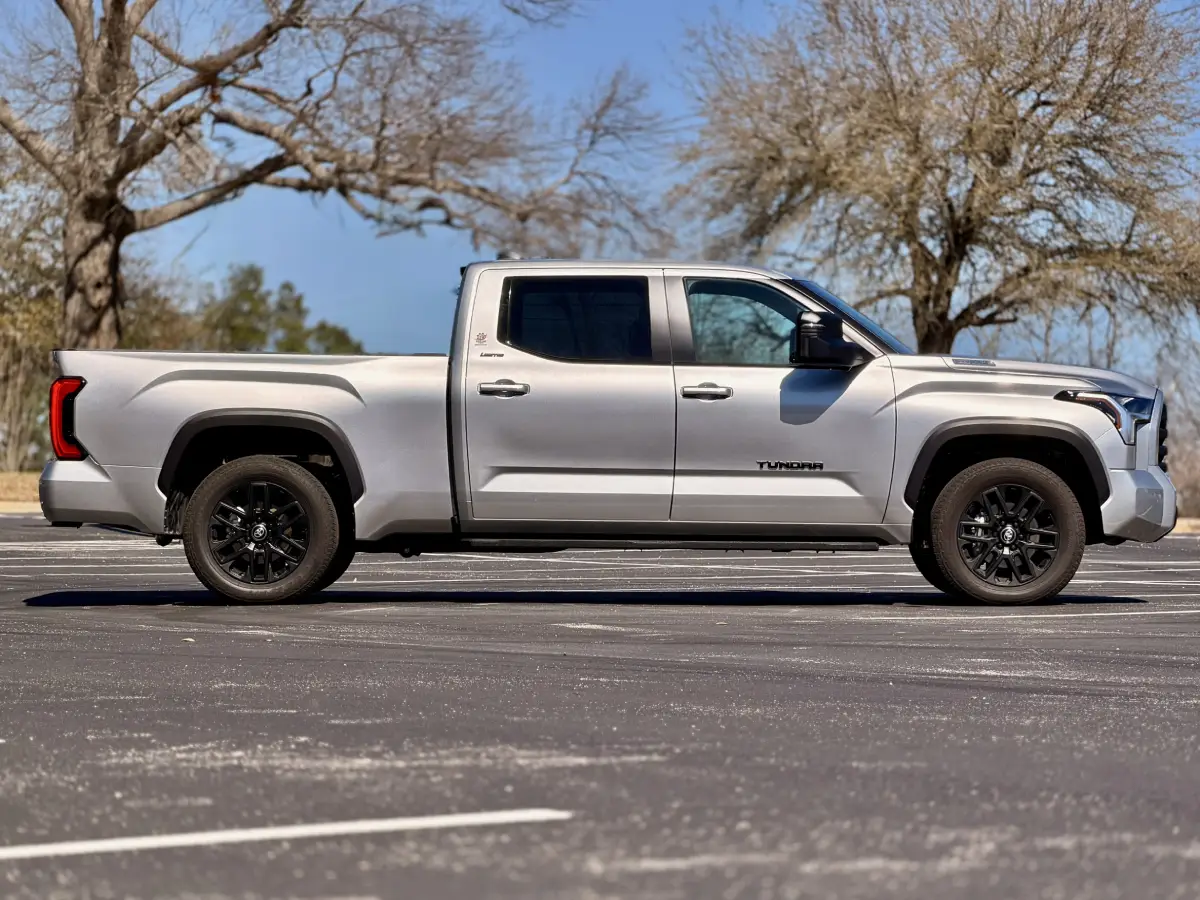
My Limited Nightshade tester was equipped with the 6.5-foot bed, which is the longest available on the Limited trim (the 8.1-foot bed is reserved for SR and SR5).
That added wheelbase pays dividends.
On my drive from East Texas to Toyota’s corporate headquarters, the Tundra was an absolute dream on the highway. The longer wheelbase smooths things out and makes this truck feel planted and composed at speed.
Would I buy the 6.5-foot bed? No. The added length made parking this beast a nightmare. It’s clearly spec’d more for towing, hauling, and long-haul highway driving.
Do I like the tow mirrors? Also no. They got in my way, trying to see past them all the time, and they aren’t my favorite towing mirrors either.
Would I take this exact configuration off-road? Probably not. The longer bed compromises breakover angle, and if I were building a trail-focused Tundra, I’d get the TRD Pro.
But for towing and road trips? It shines.
The Bed and Tailgate Features Are Well Thought Out
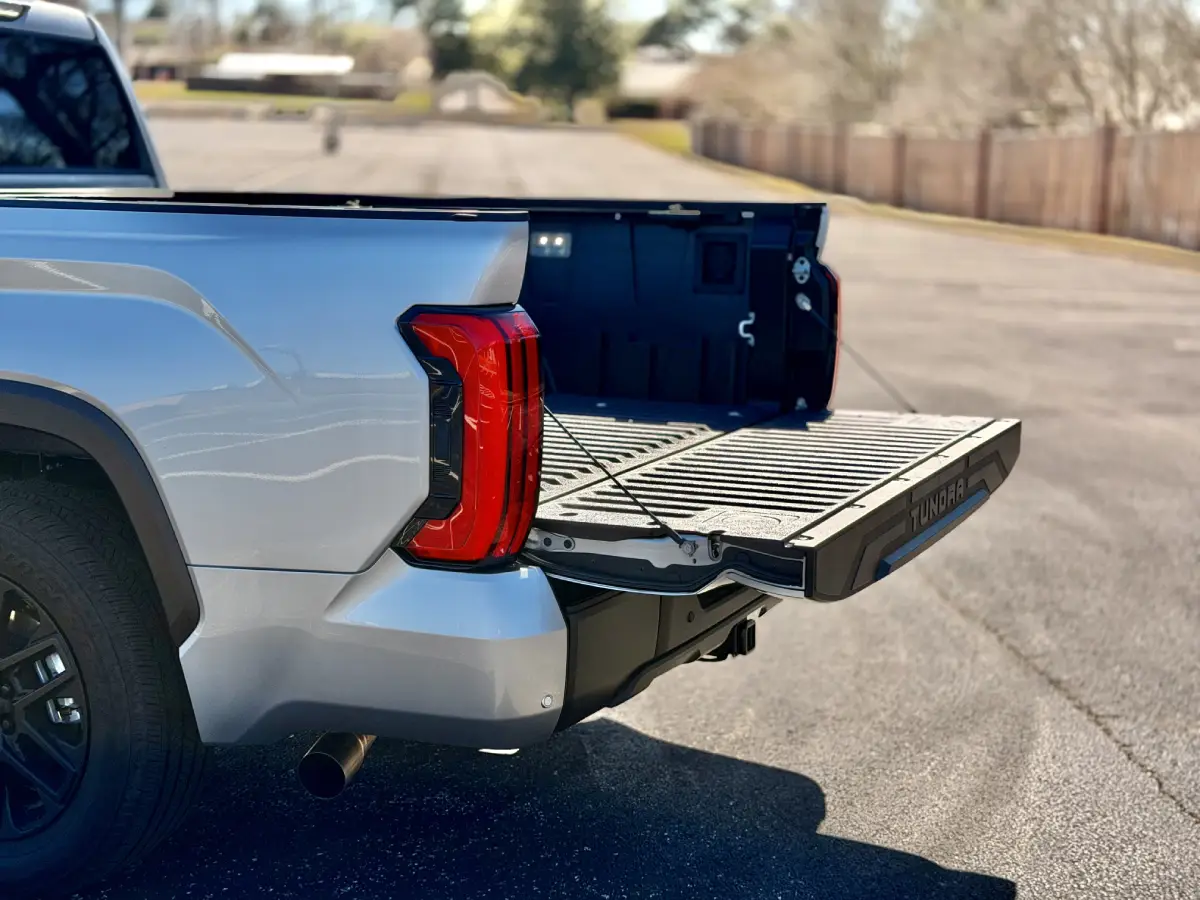
Out back, Toyota continues using its composite bed, a feature Tacoma owners have appreciated for years. Benefits include not having a single rust concern, a textured bed floor for better grip in wet conditions, and long-term durability
This Limited also features a power-operated tailgate with a few tricks. You can elbow-bump the button on the driver’s side tailgate to drop the tailgate when your hands are full, then lift it slightly with your knee, and the power assist will close the tailgate hands-free.
Those small usability features make a big difference when you’re living with the truck.
As equipped, this truck offers 1,630 pounds max payload and 11,060 pounds max towing.
Things Aren’t All Perfect
Let’s talk about a few gripes.
Infotainment Quirk
During my week, I experienced a recurring screen pop-up that interrupted Apple CarPlay use. It’s possible it’s related to being in a press vehicle and not logged in, but it happened often enough to stand out. It doesn’t ruin the experience, but it chips away at overall driver satisfaction.
Seat “Tap” Issue
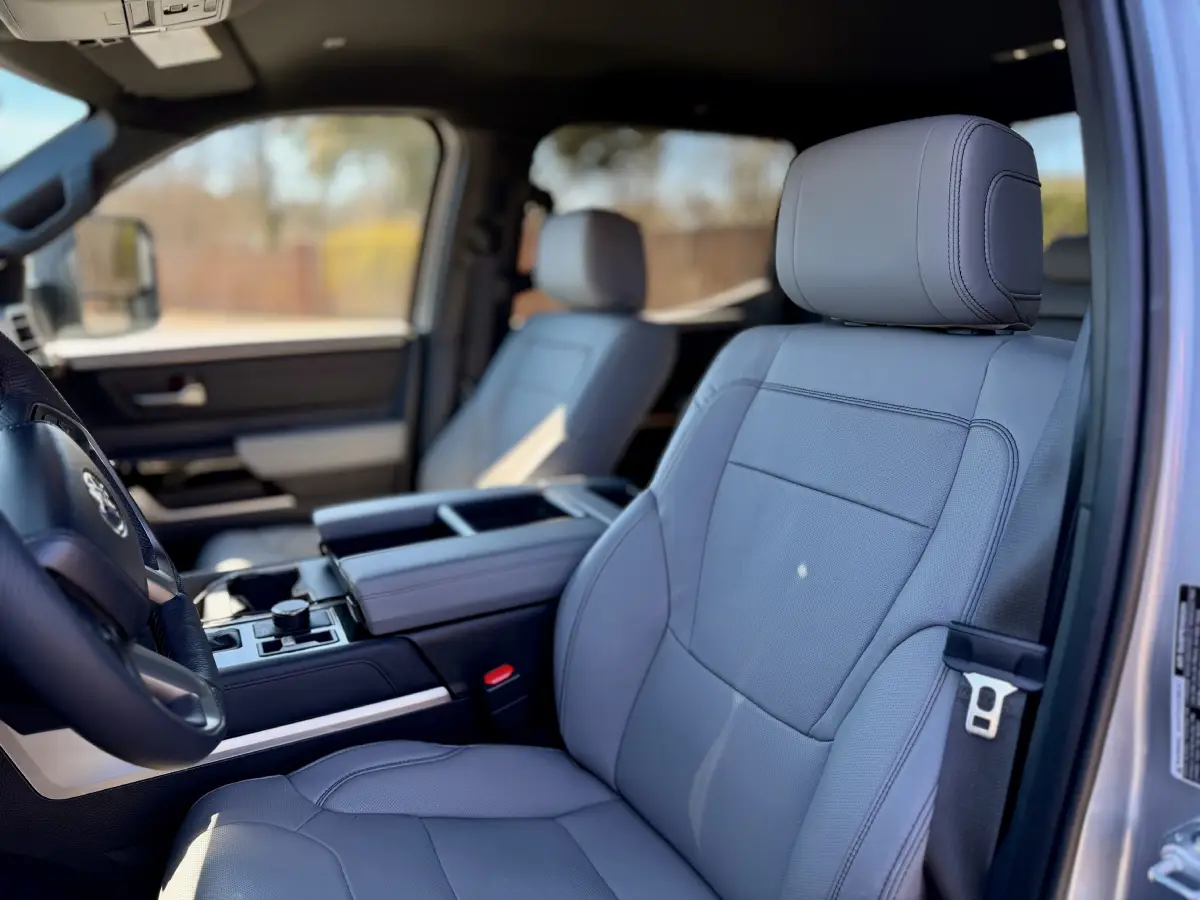
This one’s odd. The heated and ventilated leather seats (SofTex is gone for 2026 Limited trims; these are now real leather) occasionally feel like something is tapping you in the back when coming to a stop.
I’ve noticed it in both the Tundra and the Sequoia, which are both built in the same San Antonio factory.
It feels like something internal shifting in the seatback, not dramatic, but it is definitely noticeable. Enough that it’s happened on multiple trucks.
Around-Town Driving Reveals Hybrid Growing Pains
While highway driving is excellent, I did notice something in stop-and-go traffic.
At low speeds, especially when slowing to a stop, there’s occasionally a subtle shudder. It feels like the hybrid system is deciding whether the engine needs to engage or not.
It’s not harsh.
It’s not constant.
But it is noticeable.
This never showed up during highway cruising, only in daily commuter situations, and let’s be honest, in Texas, plenty of people use their full-size trucks exactly that way.
So, Has Toyota’s Quality Slipped?
That’s the big question.
Toyota has refreshed nearly its entire lineup in a short window: Tundra, Sequoia, Tacoma, 4Runner, Land Cruiser, and more. That kind of rapid turnover can create growing pains.
But after a week with this 2026 Tundra Limited Nightshade i-Force Max?
- My initial build concern wasn’t present.
- The hybrid powertrain remains wildly impressive.
- Highway ride comfort is excellent.
- Capability numbers are strong.
- A few quirks still need ironing out.
Overall, I still think the 2026 Toyota Tundra is a solid option in the full-size truck segment, especially with the i-Force Max.
Now I’ll turn it over to you.
Have you experienced issues with your Tundra?
Are you waiting for recall clarity before buying?
Or are you all-in on Toyota’s hybrid strategy?
Let me know down below.







10 replies
Loading new replies...
Administrator
New member
Moderator
New member
Moderator
New member
New member
New member
Moderator
New member
Moderator
Join the full discussion at the Forum Pickuptrucktalk →