

The GM 10-speed automatic transmission recall fix saga has entered a new stage with a new fix on the way yet the controversy isn’t over.
This fix includes changes to the valve body unit, the brains of the transmission, incorporating three new components — a new plate, a valve, a new bigger spring — meant to finally solve the rear wheel-lock up issue at higher speeds. Is this the final fix or are owners better off spending the thousands more on a more robust solution from the aftermarket?
Lockup Issues Spark Recalls
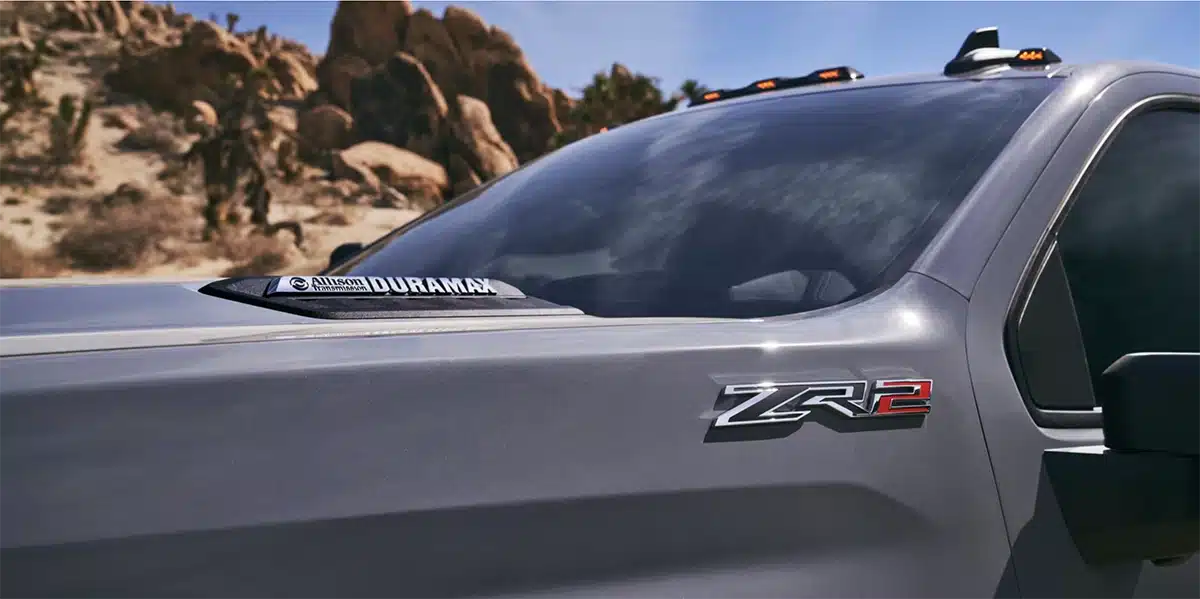
General Motors has faced mounting scrutiny over recurring issues with its 10-speed automatic transmission, which can cause rear wheels to lock up while driving. This transmission is an Allison-licensed and validated transmission and is not an Allison engineered transmission.
The problem — first flagged in November 2024 — prompted a recall affecting both 1500 and HD Chevrolet Silverado, GMC Sierra, and several GM SUVs. The failures have left commercial operators and private owners without drivable vehicles, sometimes for weeks at a time.
This issue is more prominent in diesel-powered trucks and SUVs due to the amount of torque and the loads they are often towing.
Valve Body Replacement: A Partial Fix
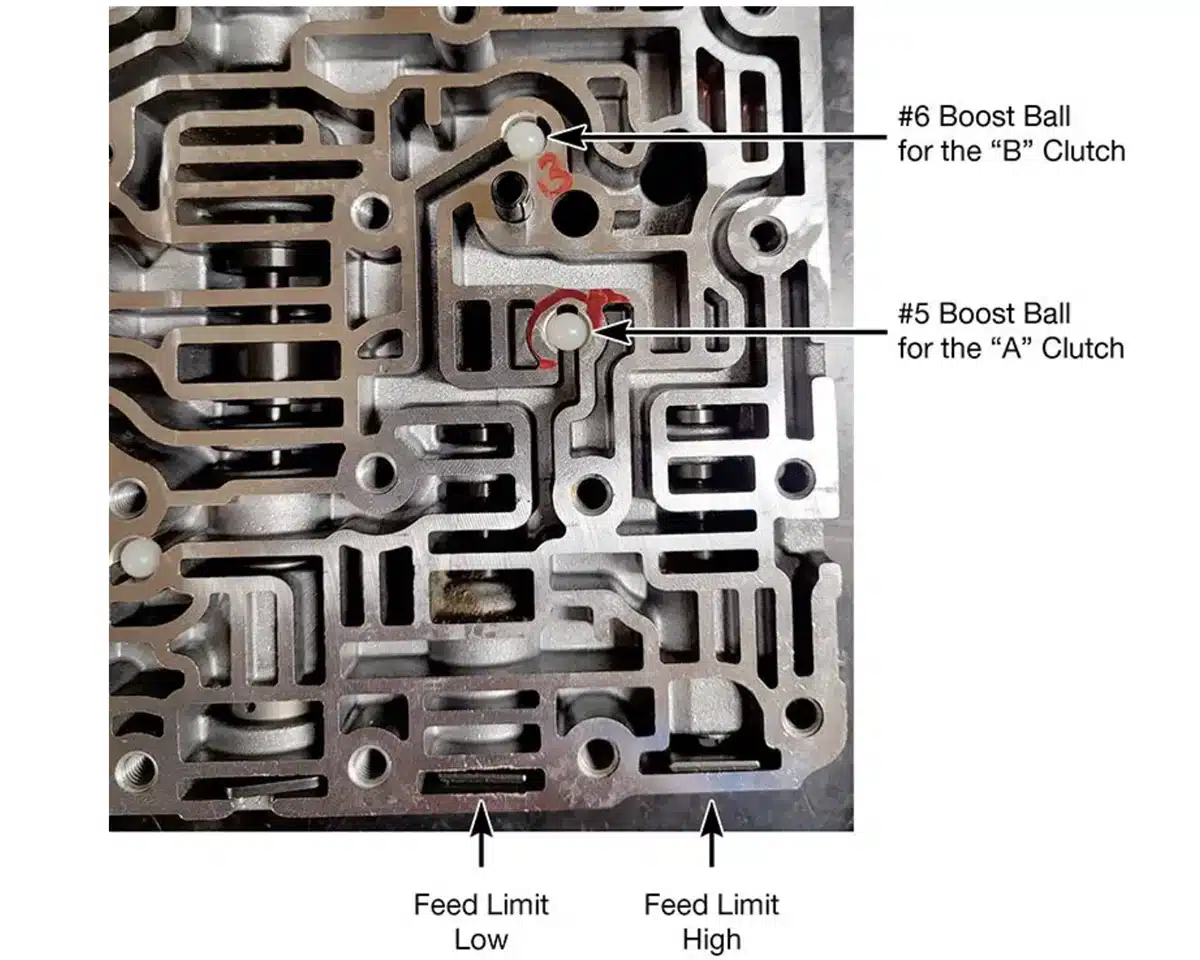
To address the problem, GM introduced a new “Gen 3” valve body for light-duty trucks and later for HD trucks as theDrive.com discovered and we discussed together in a YouTube video.
This valve body uses checkballs or boost balls and this was changed in 2019. Prior to this, it used the same latch valves for clutch control when it was first introduced as part of a collaboration with Ford.
The difference in these designs is how they engage the clutch in shifting gears. The latch valve uses a spring to active a valve to move the clutch when pressure builds and a shift is required.
For the checkballs, the GM valve body uses two valves – a high and low – as well as checkballs that move when pressure reaches 120 PSI to activate the clutch. It seems more complex on paper.
However, checkballs aren’t new to GM and many of its historically reliable transmissions like the GM TH400 have used them in the past.
Heavy-Duty Owners Left Waiting
The problem is the new valve body GM introduced has caused an issue where the system could try to shift to a lower gear very rapidly at high speeds and the transmissions decides why not both gears.
This causes the rear-wheels to lock-up at high speeds leading to a very dangerous situation.
GM developed a band-aid fix initially forcing the truck into limp mode when this happens — making the truck owner to pull over and drive at a low speed — instead of damaging the transmission.
Then, the owner would have to wait for a replacement part. And this wait would drag on for months as theDrive.com detailed for one U.S. Air Force member.
“Ten-speed transmission valve body replacement parts availability for both light- and heavy-duty diesel engine pickups is improving,” Bill Grotz, Global Public Policy and Regulatory Communications Senior Manager at General Motors told theDrive.com. “In addition, we anticipate a recently launched valve body service repair process for 2021-2024 Silverado and Sierra 2500 / 3500 HDs will help customers and serve to improve availability of valve bodies.”
This new replacement part includes the aforementioned kit with three parts aimed at finally addressing the downshift issue.
Criticism of the Fix
Independent transmission specialist Nate Valentin from NextGen Drivetrain has been vocal in criticizing GM’s design, calling it flawed compared to Ford’s version of the co-developed gearbox.
“The kit that they believe or so they claim is going to fix this is a separator plate, a valve, and a spring,” Nate told theDrive.com. “So let’s break them down one by one. So the plate, the only thing they did I’ve seen this separator plate before because we’ve built a lot of 2025 valve bodies and it is currently in use. This separator plate is not one ounce more reliable than the one that was in it before; all they did was change some of the hole dimensions.”
“So, it’s stuff that obviously doesn’t make a difference, but if you’re not a transmission engineer, you would have no idea,” he said. “So, the separator plate is General Motors giving themselves a high five, in my opinion.”
He also believes the spring and the aluminum plate does nothing to address the core issue neither. It is really about the oil leaking out and not allowing “inboard side of the nose of the valve” to fully close which it now can’t and the truck, usually in 5th gear, can’t shift and goes into limp mode instead usually at high speeds.
Which is the permanent fix?
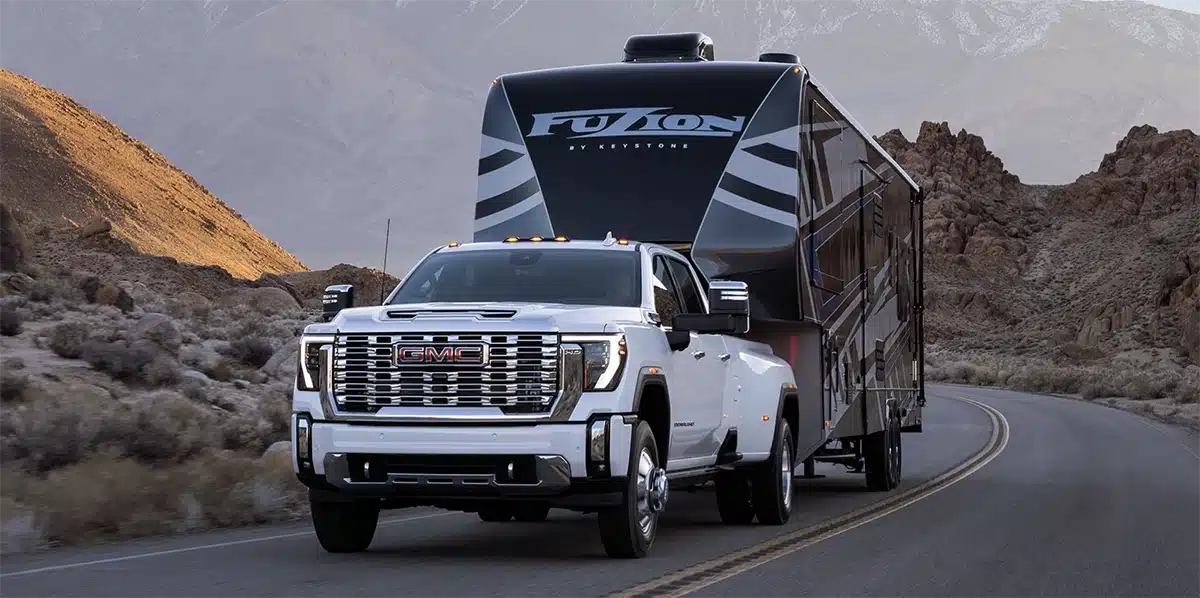
The frustrating part for owners is having to decide which way to go for a permanent fix.
On the one hand, Valentin has been tearing apart GM’s valve bodies and re-engineering them since COVID. He has his solution with a lifetime guarantee and has become a go-to source of parts for frustrated owners tired of waiting for a GM replacement part to arrive. However, he spares no expense and his valve body is priced at $3,499.
GM’s Automatic Transmission Upper Control Valve Body 24240953 replacement part is priced in the hundreds of dollars on various places via Google. And it is covered under warranty for many owners and/or for free under the recall.
Reputation on the Line
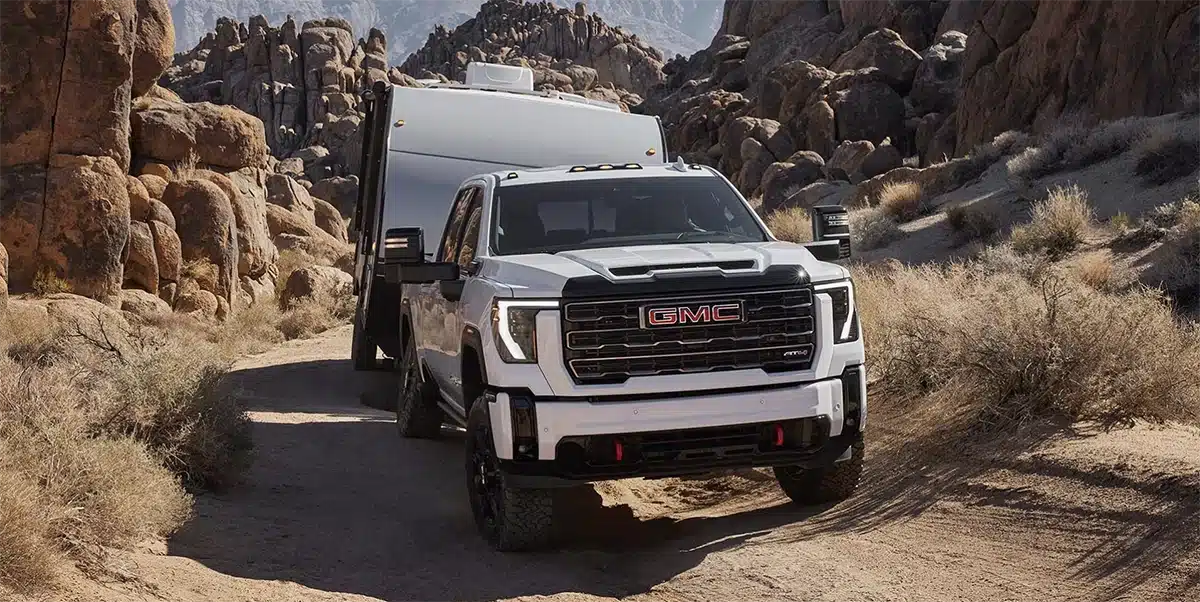
For GM, the stakes are high. Pickup trucks remain the company’s most profitable and reputation-sensitive products. If this fix doesn’t work, GM stands to lose billions in lost value with quality issues.
Plus, if owners continue to report issues after the new valve bodies are replaced, Federal investigators can step in and force GM to initiate a second, and even more thorough aka costly, recall for these trucks and SUVs.
Whether the updated valve body will prove effective—or whether customers will continue to face breakdowns—remains an open question for America’s largest truckmaker.








1 reply
Loading new replies...
Administrator
Well-known member
Join the full discussion at the Forum Pickuptrucktalk →