
Earlier this week, we looked at how tariffs on goods from Mexico, Canada and China would impact your new truck purchase. The TL;DR summary: prices increase, and nobody wins. But now, President Trump has issued a 30-day stay of execution for proposed tariffs on goods from Mexico and Canada. The tariffs on Chinese goods still stands.
As an article from Kelley Blue Book points out, the Mexico and Canada tariffs would have a bigger effect on consumer good pricing, but the China tariffs will still have some impacts on car prices.
What’s the deal with Canada, Mexico tariffs
Looking at an Automotive News article, we see the Trump tariffs have very little to do with taxing goods. Instead, President Trump is using it as a negotiation tool in order to secure the border. In the past couple days, he’s had conversations with both Canadian Prime Minister Justin Trudeau and Mexican President Claudia Sheinbaum, and the end result is eerily similar: Both Canada and Mexico are reinforcing their borders.
Both deals take aim at drug trafficking, specifically as it relates to fentanyl. But President Trump would also like to stop migrants from crossing the boarder as well, but President Sheinbaum did not acknowledge that in her end of the agreement.
So, will the Canada and Mexico tariffs go into place in 30 days? If we had to guess the answer is no. Why? Because so much of the automotive industry (production, assembly, jobs) are very interconnected to both Canada and Mexico. As auto analyst Sam Abuelsamid points out in a LinkedIn article, nearly 4.4 million Americans were employed across the automotive industry in 2023, and that includes manufacturing, retail and service. So, in addition to affecting the livelihood of all those people, prices of a new vehicle will increase by $8,000 to $10,000 and that will account for a loss of up to 2 million vehicle sales in the U.S. this year.
What does this mean for China tariffs?
We don’t necessarily see the 10% tariff on Chinese goods going away as fewer jobs and vehicles depend on Chinese automotive imports. So, as KKB points out, automakers might be better able to absorb the hit without passing costs on the buyers. Some specific vehicles that would be affected include the Buick Envision, Lincoln Nautilus and Volvo EX30 as well as the Polestar 2, 3 and 4 – all of which are built in China.
Where the automotive industry will take a hit is in parts. A lot of car parts come from China. KBB points to the Tesla Model 3 as an example. Even though it is one of the more “American” cars made in the U.S., it still uses some seats and dashboard components sourced in China. And those will now cost 10% more.
Our take on the Trump tariff update
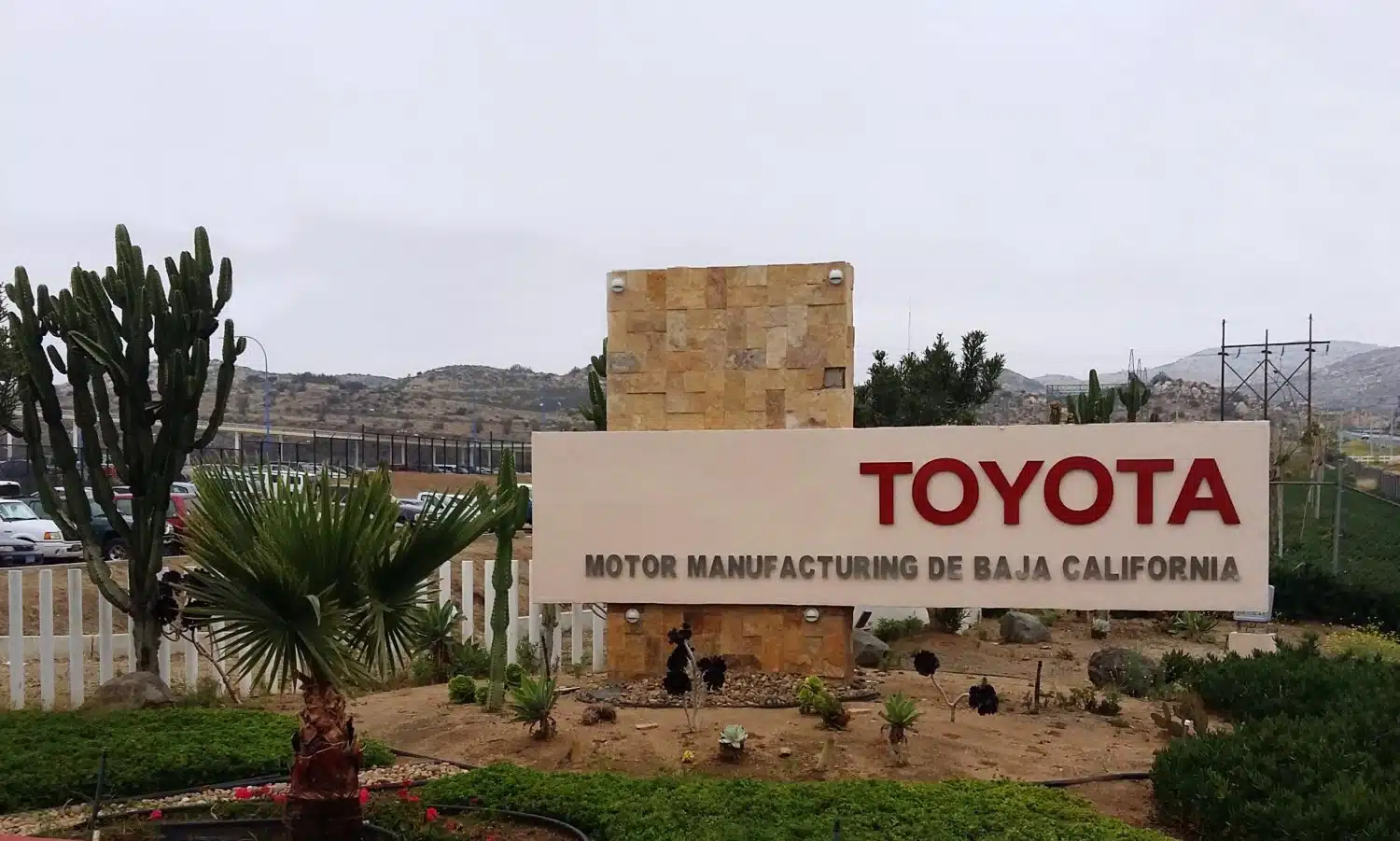
So, does this mean you rush to buy a car right now if you’re going to be in the market soon? No. The Canada and Mexico tariffs may never be enacted, and if they are, prices won’t rise overnight. So, the affected trucks – like the Toyota Tacoma and Ford Maverick, which are built in Mexico – will hopefully never see increases.
The vehicles and parts built in China, however, are a different story. Those prices will likely be affected more immediately, but because it’s a smaller portion of the market, there is a chance automakers will absorb some of the bite, so consumers won’t see huge increases.
Then again, all this could change tomorrow.