
The Trump tariffs are now in place affecting trade between Mexico, Canada, China and the U.S. This will have an impact on your new truck purchase and parts you purchase at dealers and resellers.
What the Trump tariffsmean
In response to concerns over fentanyl imports into the U.S. and a negative trade balance, President Trump has levied a tariff of 25% increase in goods produced in Mexico and Canada, 10% on Canadian oil, and another 10% on Chinese-produced goods.
Tariffs are a tax paid by the importer when the goods are delivered.
One of the large impacts of this tariff will be the automotive industry which relies heavily on vehicle assembly and parts production in Mexico, Canada and China.
They are also not new in automotive.
Since 1964, the so-called Chicken Tax has levied a 25% tariff on light-duty trucks. This has helped bolster the Big 3 automakers, Ford, GM and then Chrysler, by removing competition from foreign companies unless they build trucks in Canada, the U.S. or Mexico.
How will it impact truck prices?
One of the big questions that still needs to be answered is how these new tariffs will impact new truck prices.
Most automakers assemble vehicles in Canada, Mexico and the U.S.
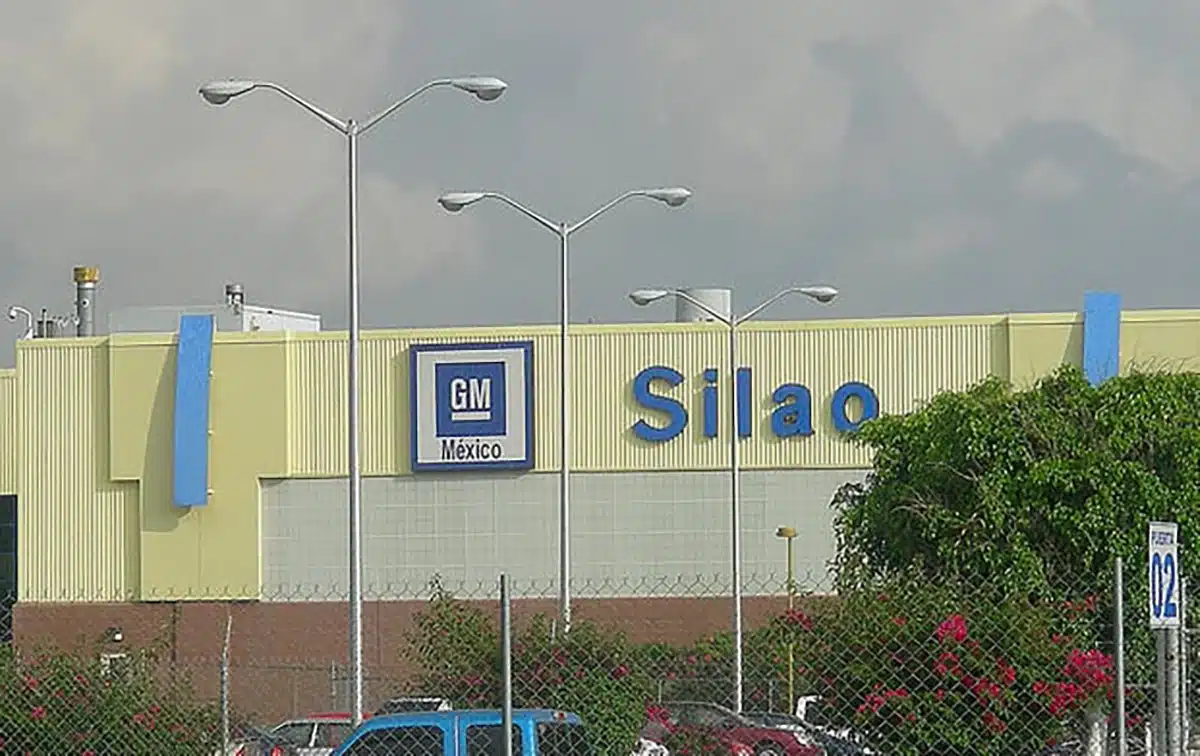
Specifically, GM, Ford, Ram and Toyota Tacoma and other SUVs are assembled in Mexico.
In Canada, GM and Ford have assembly plants.
All the automakers have other plants that produce everything from powertrains to other components.
What about the price?
Historically, tariffs are passed onto the consumer. The Ineos Grenadier is a recent example of this with the SUV and truck. The truck is priced much higher than the SUV in part to pay for the Chicken Tax that has been applied when the truck is imported from England.
Trucks on the dealer lots now will not be affected by the tariffs. New imported trucks and SUVs will likely see price increases as well as other vehicles with automakers raising prices across the board to cover the import fees without making one vehicle drastically more expensive.
Parts concerns
One of the big impacts of the tariffs will be on parts imported into the U.S. Many of these parts cross the border several times before they are finally assembled.
This will create a large increase on costs since parts cross the borders up to 8 times on average before finally being assembled onto a vehicle. And each time the part is imported, a 25% tariff is applied.
Automakers are currently feverishly stock piling parts in warehouses to keep costs down for now. When those parts run out, prices will increase on all vehicles and parts.
This will also impact part resellers like NAPA, O’Reilly, Autozone, etc…
Build in the U.S. instead
Proponents of the tariffs will say the tariffs are doing exactly like they are aimed at – bringing jobs back from overseas and building more vehicles in the U.S.
Currently, none of the automakers have made any announcements on moving production according to the tariffs. The scale of trying to move production, parts and the logistics of finding property as well as finding workers to fill those jobs is a daunting task.
For example, U.S. manufacturing jobs are at all-time high and, after visiting plants myself for the last several years, many have job openings they can’t fill today.
And that’s just for the assembly plants. Moving parts production into the U.S. and finding people to fill those jobs is an even more daunting task.
Our take on the Trump tariffs
Nobody wins in a trade war.