
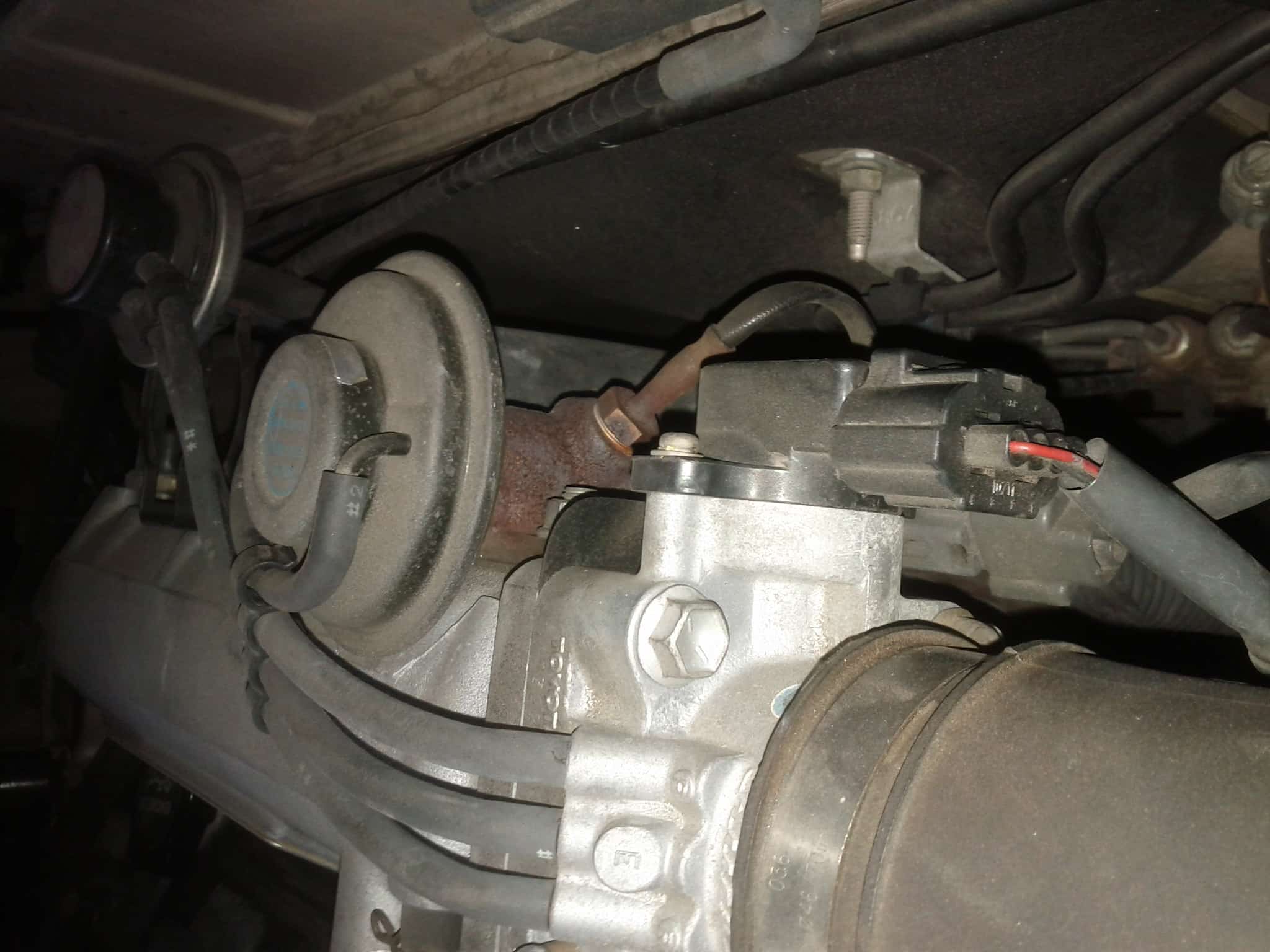
Few emissions systems frustrate truck owners more than EGR, a decades-old technology many blame for carbon buildup, expensive repairs and the rise of diesel delete culture. Yet despite the controversy surrounding exhaust gas recirculation systems, EGR has quietly been a part of nearly every gasoline and diesel vehicle sold in America for decades.
Emission controls have been a fact of automotive life since the 1970 Clean Air Act pushed automakers to dramatically reduce tailpipe emissions. One of the most common solutions was exhaust gas recirculation, better known as EGR. While today’s shop talk often centers around diesel owners deleting EGR systems from their trucks, the technology itself is far from new. In fact, EGR has been used on millions of vehicles since the 1970s. Here’s a look at how EGR works, why it became so controversial and which modern half-ton trucks still use it.
What Does EGR Do?
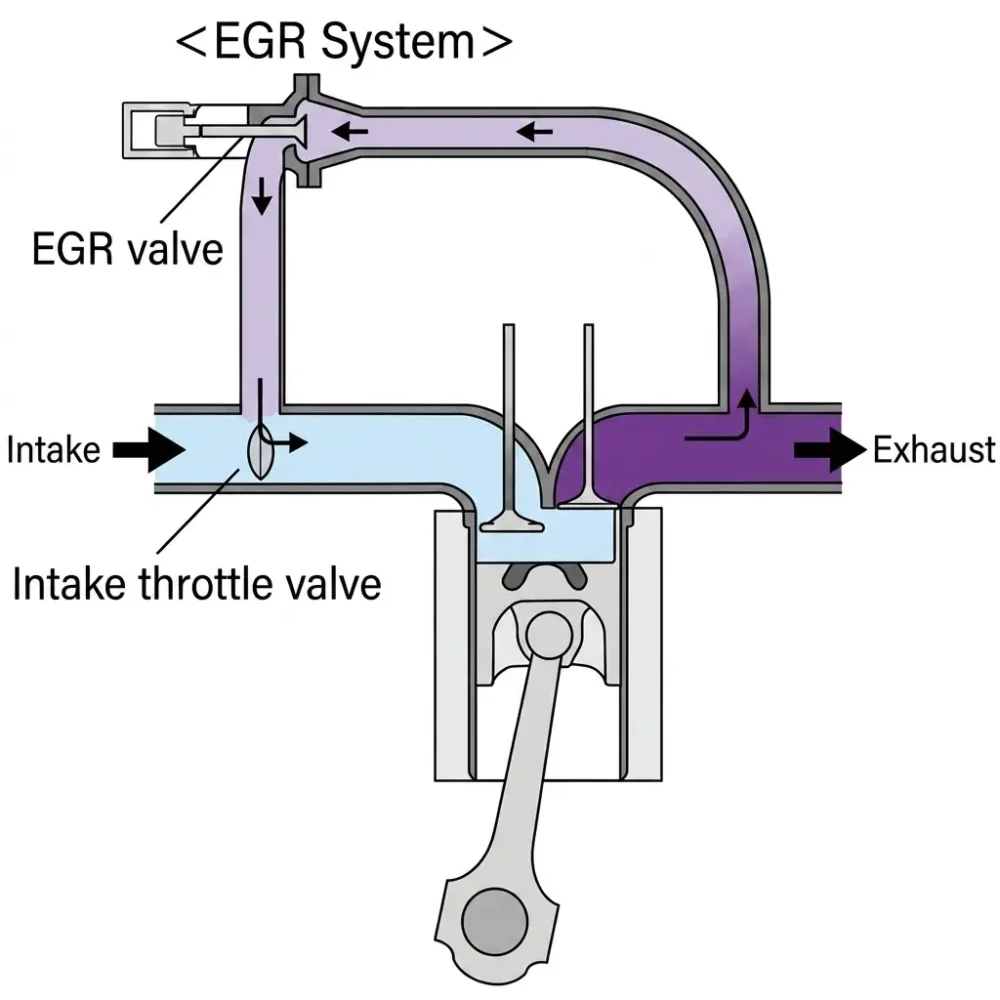
As the name implies EGR circulates exhaust gases back into the engine intake to help reduce harmful emissions. By adding a bit of exhaust back into the intake air flow the overall amount of oxygen available for combustion is actually reduced. With less oxygen there is less fuel burned, which helps keep temperatures inside the cylinder lower. Nitrogen oxide (NOx) is formed under high cylinder combustion temperatures, so EGR helps keep NOx creation in check.
When Did EGR Become Common On Vehicles?
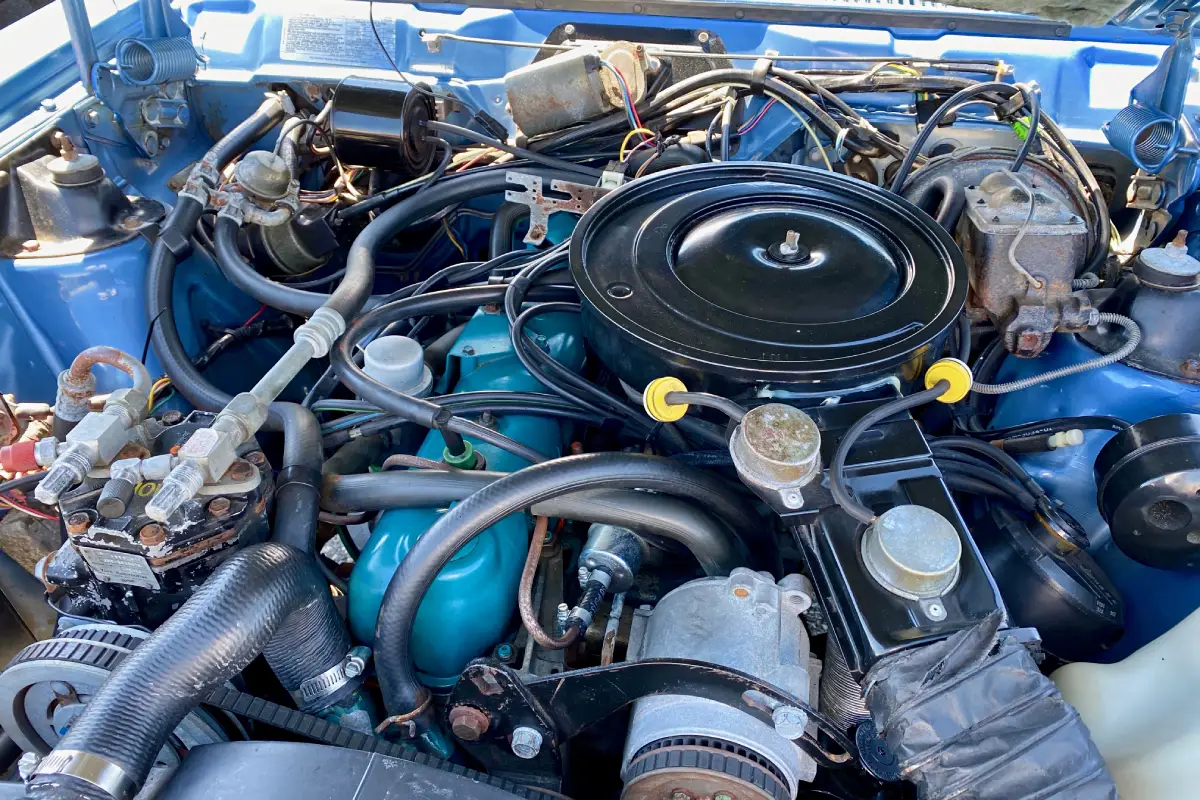
The 1970s brought a lot of changes to the automotive world in terms of body designs, engines, and new technologies. This was especially true in terms of making vehicle exhaust cleaner to comply with the 1970 Clean Air Act. The Clean Air Act mandated a massive reduction in exhaust emissions by 1975. To meet this deadline automakers started adding EGR systems to their existing engine lineups.
These were initially crude solutions that were effective at reducing NOx emissions, but created other problems. Hastily designed early EGR solutions were simply a special nozzle that allowed exhaust to flow into the air intake path all the time. This version of EGR offered little to no control of the actual amount of exhaust being passed into the intake side of the engine. The resulting unregulated mixture often caused the engine to run poorly and was phased out of practice.
Controlling the amount of exhaust gases via an engine vacuum actuated valve was a much better solution that gained traction around 1973. Using engine vacuum allowed the EGR valve to be tuned for better mixture control. Now exhaust gases could be allowed to flow under certain conditions, but cut off at other times (like under wide open throttle). Unfortunately EGR valves themselves are prone to carbon buildup leading to air/fuel mixture problems, an issue that exists even today.
EGR System Parts
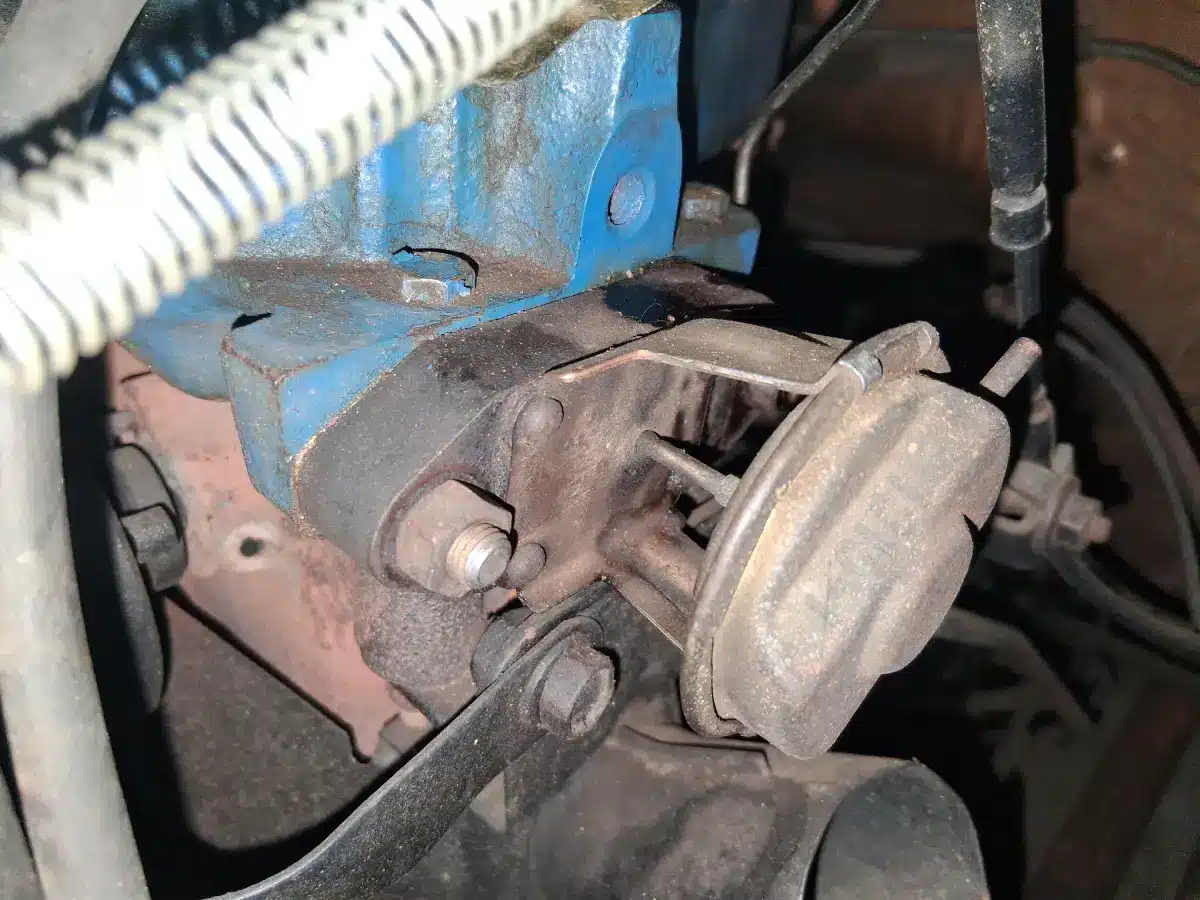
The heart of an EGR system is the valve that controls how much exhaust is fed back into the air intake system. The \valve itself usually sits along the air intake path. Routed to it are EGR pipes connected to the exhaust system with flanges and gaskets designed to handle extreme temperatures and pressures. Depending on the age of the system, opening and closing of the valve may be controlled by vacuum hoses or by a servo motor via an onboard computer.
On some modern turbocharged engines like the Ram Hurricane 3.0L twin‑turbo I‑6 an EGR cooler is used. By cooling the EGR gases not only are cylinder temperatures reduced, manufacturers can also bump up the boost pressure to squeeze out a bit more power.
Why Don’t All Engines Have EGR?
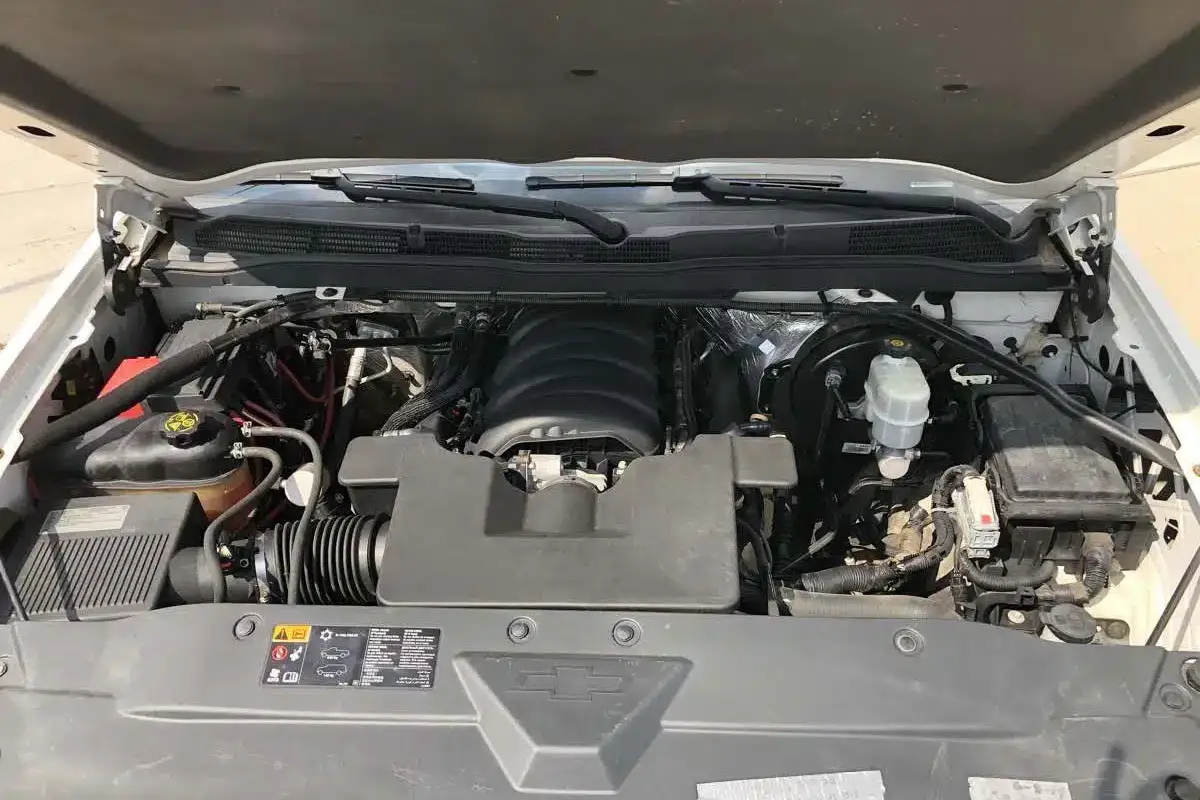
Thanks to modern engine designs engineers have been able to create the same benefits of EGR without the traditional recirculated exhaust methods. By using variable valve timing it is possible to keep a portion of the exhaust gases within the combustion chamber, mimicking the same function as an external EGR system. That is how engines like the GM EcoTec3 V8 are able to reduce emissions without a traditional EGR system.
Which Full-Size Trucks Have EGR Systems?

Here is a list of current (2026) full-size trucks with an external EGR system:
- Chevrolet Silverado 1500 – Duramax 3.0L diesel
- Ford F-150 – 2.7L EcoBoost V6 and 3.5L EcoBoost V6
- GMC Sierra 1500 – Duramax 3.0L diesel
- Ram 1500 – Hurricane 3.0L twin‑turbo I‑6
As you can see the full-size truck crowd only has a few engines that use traditional EGR setups. The heavy-duty diesel truck engine options are far more likely to have an EGR system.
Is EGR Good Or Bad?
The answer is…yes. EGR does help reduce tailpipe emissions and thus protects the air we breathe. But the components also add a layer of complexity to an engine which can lead to bigger issues if things aren’t working properly. The benefits of the systems can be achieved through variable valve timing, so the days of the EGR valve and cooler may be numbered, depending on how automaker engine designs progress.
For now this old technology is still under the hoods of today’s trucks.