
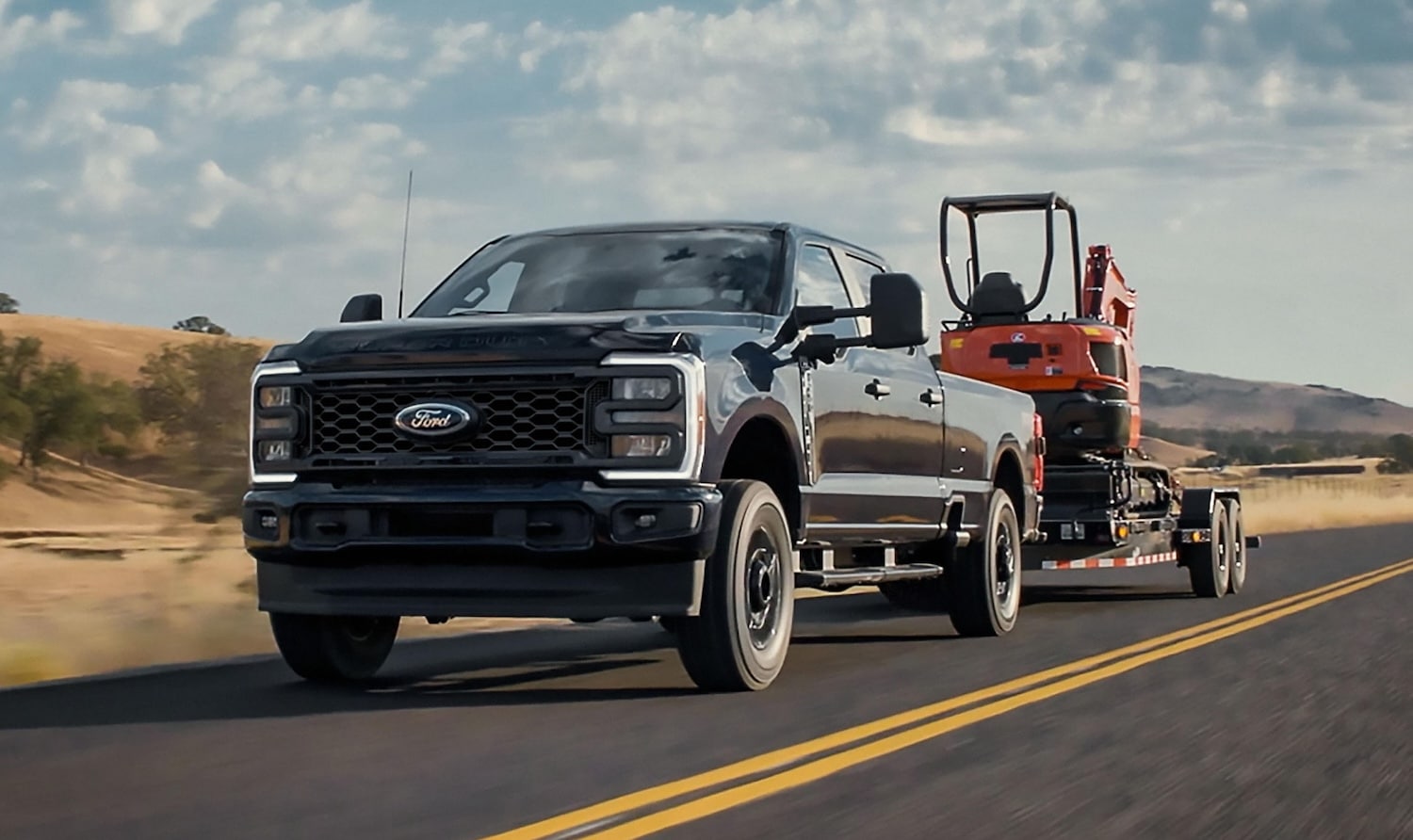
The core considerations for anyone looking to buy a work truck: capacity, bed size, powertrain, and technology.
If you’re shopping for a work truck, you are not indulging in romance; you are making a calculation. But like all good calculations, it helps if the numbers have a bit of poetry in them. Here’s how to think about the essentials, with both eyes open and your wallet in hand.
Payload and Towing Capacity
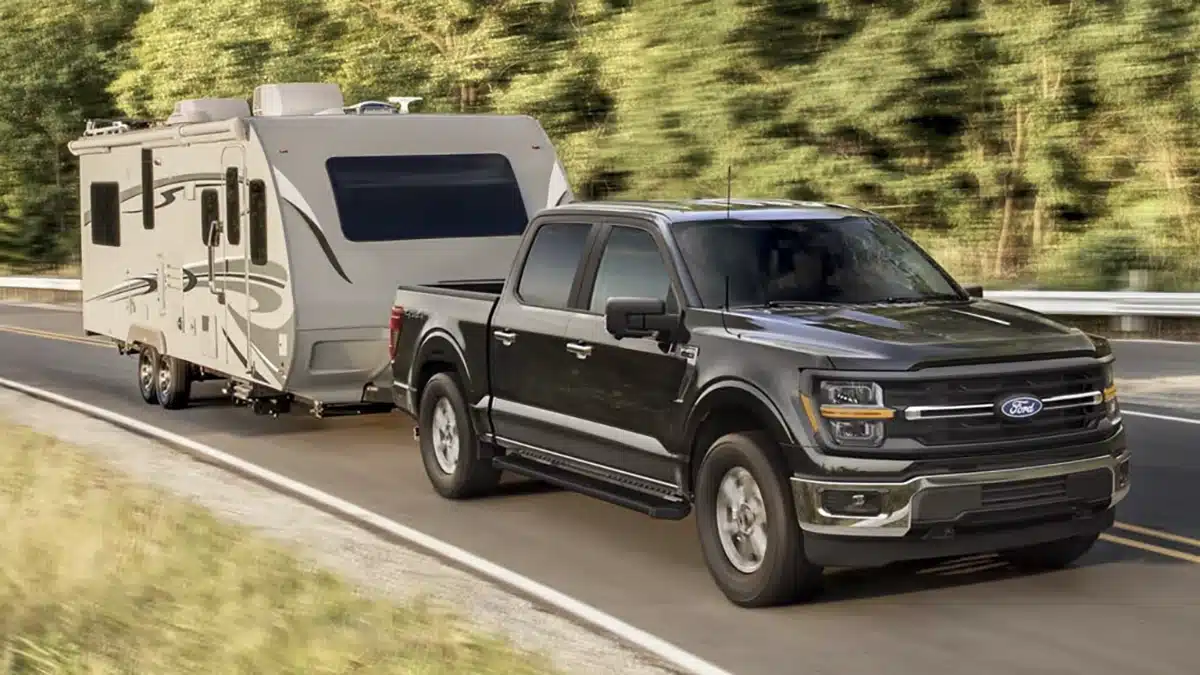
Start with the cold, hard arithmetic of payload and towing. Your truck’s Gross Vehicle Weight Rating (GVWR) is not a suggestion. It’s the law of gravity written in steel. Every pound of tools, material, passengers, and trailer tongue weight counts against it. Think about the size and weight of the loads you typically haul. Choose too small a truck and you’ll spend your days flogging an overburdened engine and prematurely aging every mechanical component. Choose wisely, and the truck will lope along, unbothered, like it has better things to do than complain. Power matters here, but so does margin. Buy more capacity than you think you need because you will need it.
Bed Size and Configuration
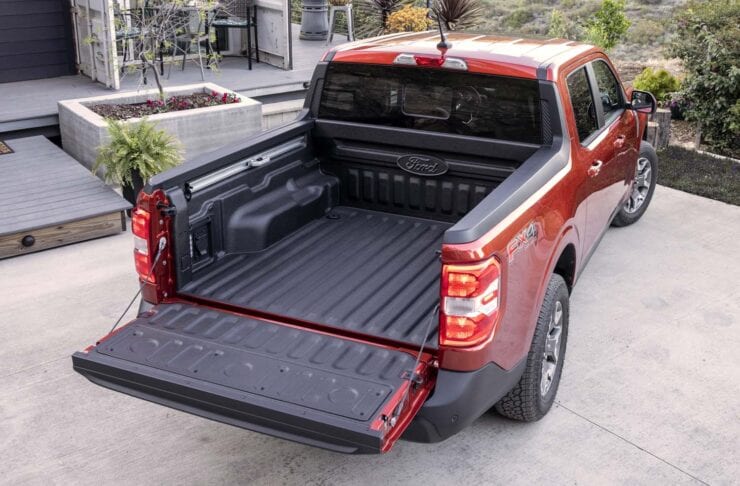
Then comes the question of space, both for people and the debris of honest work. A regular cab maximizes bed length and keeps things simple; it’s mechanical haiku. But if your business involves actual human beings, a crew or extended cab becomes less a luxury and more a necessity. Inside and out, storage for people and/or things is the difference between order and chaos. Integrated toolboxes, under-seat compartments, ladder racks; these are not accessories, they are survival tools. A well-organized truck saves time, and time, unlike trucks, cannot be financed.
Powertrain
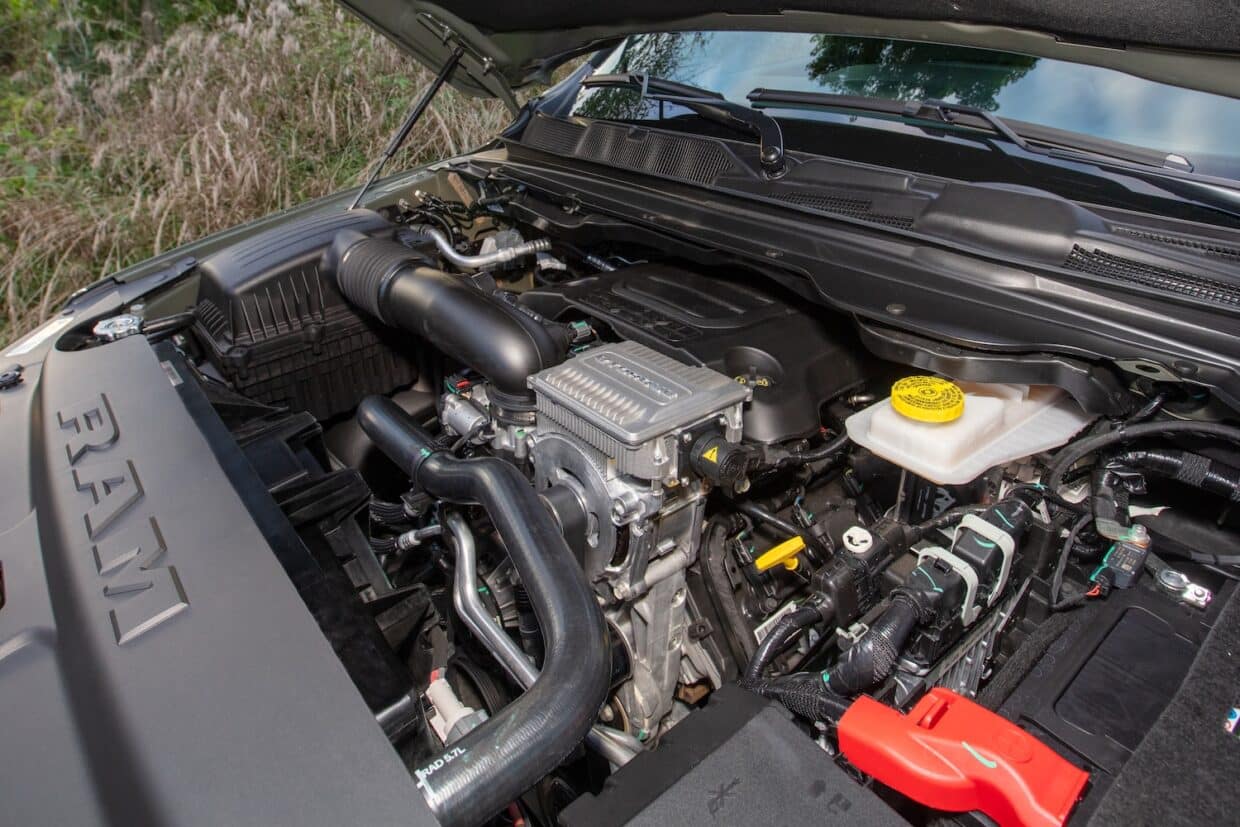
Now we arrive at the beating heart of the matter: matching the powertrain to the job. A traditional gasoline V6 or V8 is the dependable all-rounder, being simpler, generally cheaper upfront, and perfectly suited to lighter-duty work and mixed-use driving. Step up to diesel, and you enter a world of low-end torque and long-distance stamina, ideal for towing heavy trailers and piling on highway miles, albeit with higher initial cost and more complex maintenance. Hybrids quietly blending electric assist with internal combustion to deliver improved fuel economy and surprising torque for urban duty. Finally, there are full electrics; silent, brutally quick, and potentially cost-effective over time if your routes are predictable and charging is accessible. But range, payload impact, and charging infrastructure remain real-world considerations, and for many buyers, deal-breakers.
Fuel Economy

Regardless of which you choose, remember that torque curves and energy consumption matter more than bragging rights. Over tens of thousands of miles, a small gain in efficiency saves a pile of money. Consider diesel or hybrids if your usage justifies it, but don’t stop at the pump. Maintenance intervals, parts costs, insurance rates and long-term durability are all factor in the true cost of ownership.
Safety and Technology
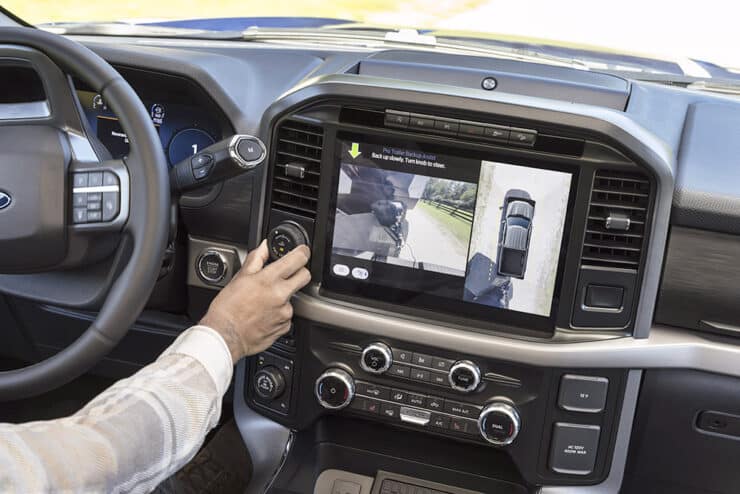
Finally, there is the modern consideration: safety and technology. Today’s trucks come equipped with driving assist features and safety systems that would have seemed like science fiction not long ago: 360-degree cameras, lane departure warnings, adaptive cruise control, semi-autonomous driving systems, trailer sway control and trailer backup assist among others. These aren’t gimmicks; they are tools that protect both driver and investment. Add in navigation, fleet tracking, and connectivity features, and the truck becomes not just a vehicle, but a mobile command center.
Screen Size Matters
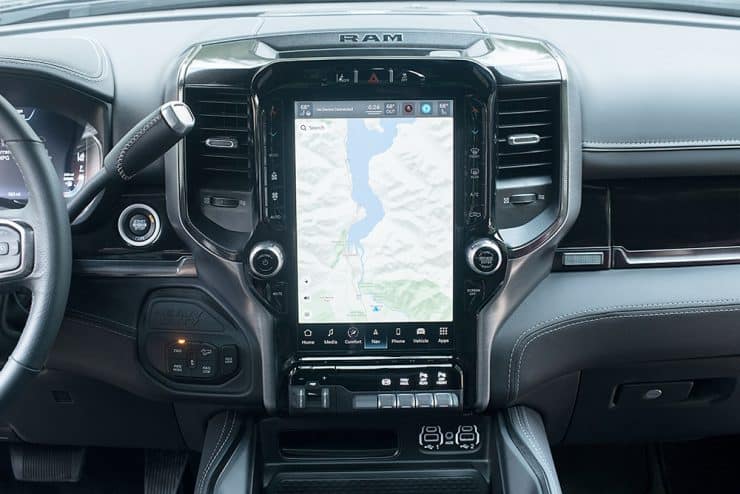
When considering which center screen size to choose, opt for the larger one, as it will give you a better view when using many of these safety systems. Typically, work trucks from Ford and Chevrolet have diminutive screens. Opting for a slightly pricier trim level will give you access to larger screens and could end up saving you money in the long run in the accident you avoid. In a world where efficiency is everything, information is horsepower of a different kind. Finally, do not ignore semi-autonomous driving systems such as GM’s Super Cruise and Ford’s Blue semi-autonomous driving systems Cruise. If you’re driving long highway stints, they help avoid driver fatigue.
The Upshot
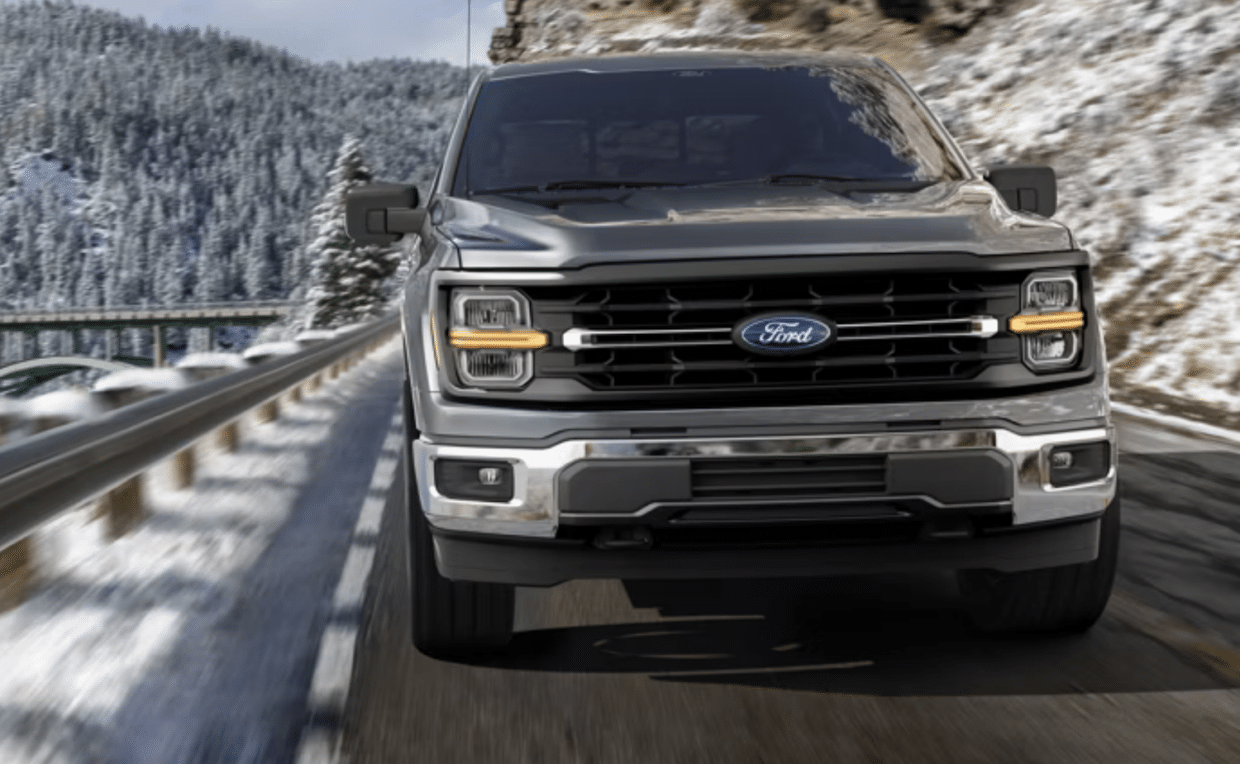
Choose your truck the way you’d choose any serious piece of equipment: with clear eyes, an analytical mind, and an appreciation that machinery has to earn its keep every day.