
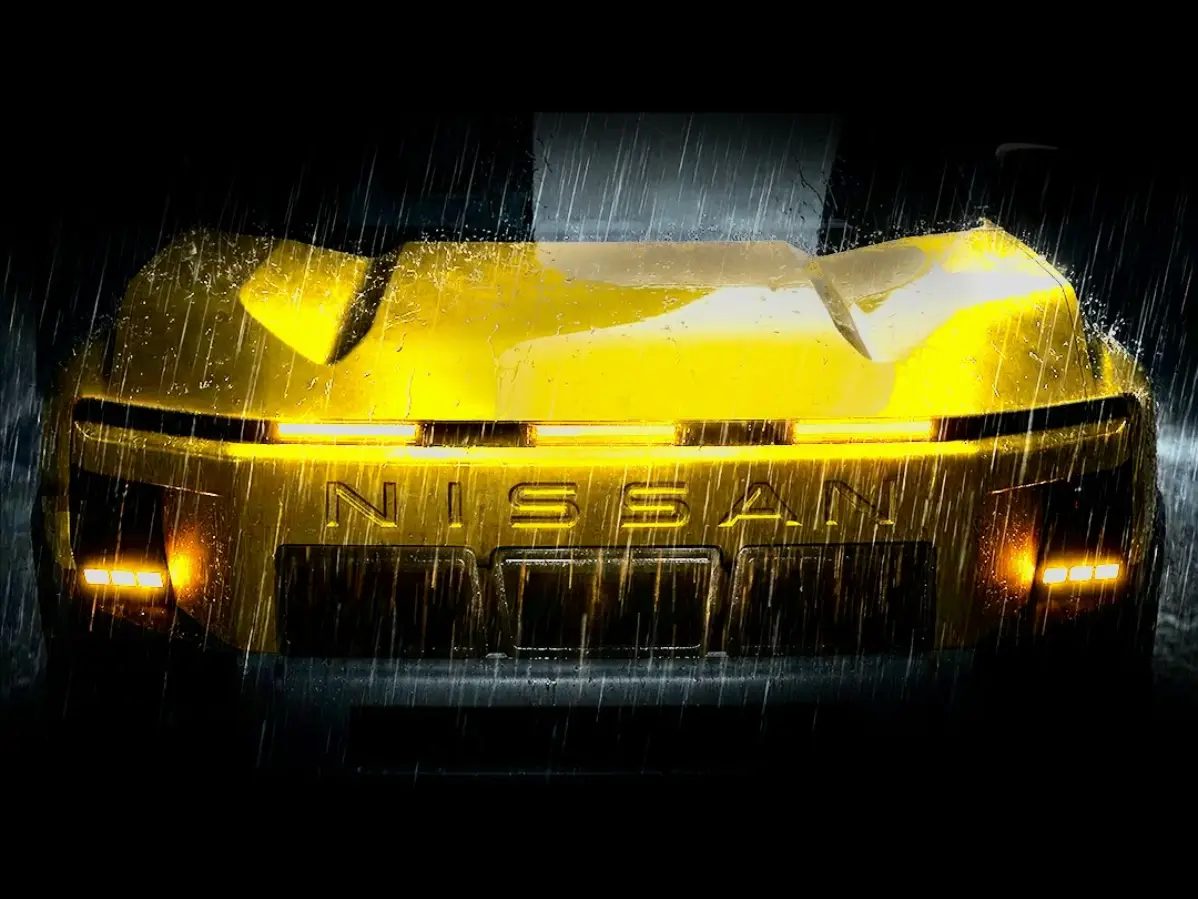
Last night, Nissan made it official: the Xterra is coming back. And unlike some modern “revivals” that soften the formula (looking at you, Chevy Blazer), this one sounds like it’s sticking to its roots in all the right ways. A vehicle that, when originally launched for the 2000 model year, was described as the “return to the soul of the sport utility vehicle segment,” could be just that once more two decades later.
From body-on-frame bones to a proper V6, here’s what we know so far about the next-generation Xterra.
It’s Staying True with Body-on-Frame Construction
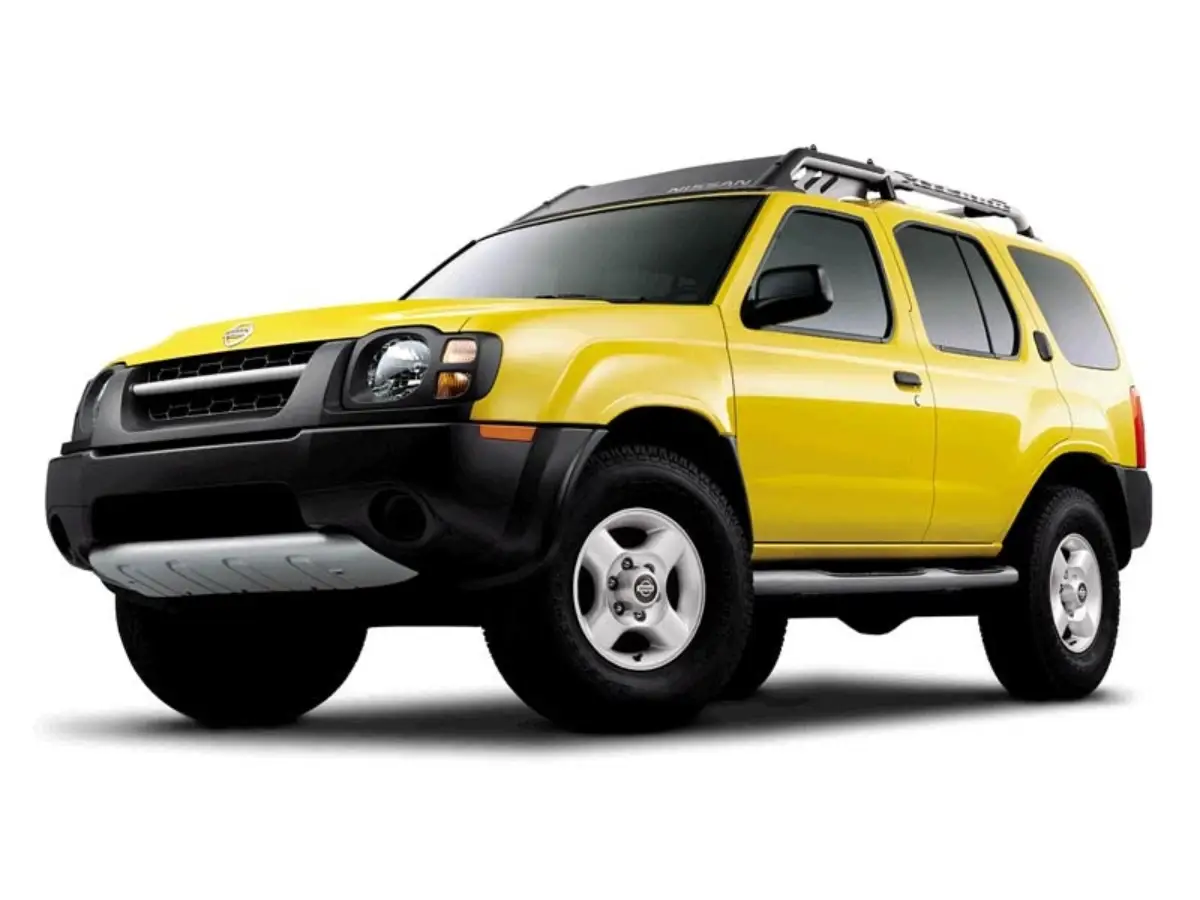
The new Xterra will ride on a body-on-frame platform, not a crossover architecture.
That immediately puts it in the same conversation as the Toyota 4Runner, Ford Bronco, Jeep Wrangler, and yes, even the rumored GMC Jimmy we previously covered. Nissan clearly understands what made the original Xterra special, and it wasn’t soft-road capability.
Body-on-frame signals that Nissan is serious about returning to the adventure-ready SUV space in a meaningful way.
A V6 Is Part of the Plan
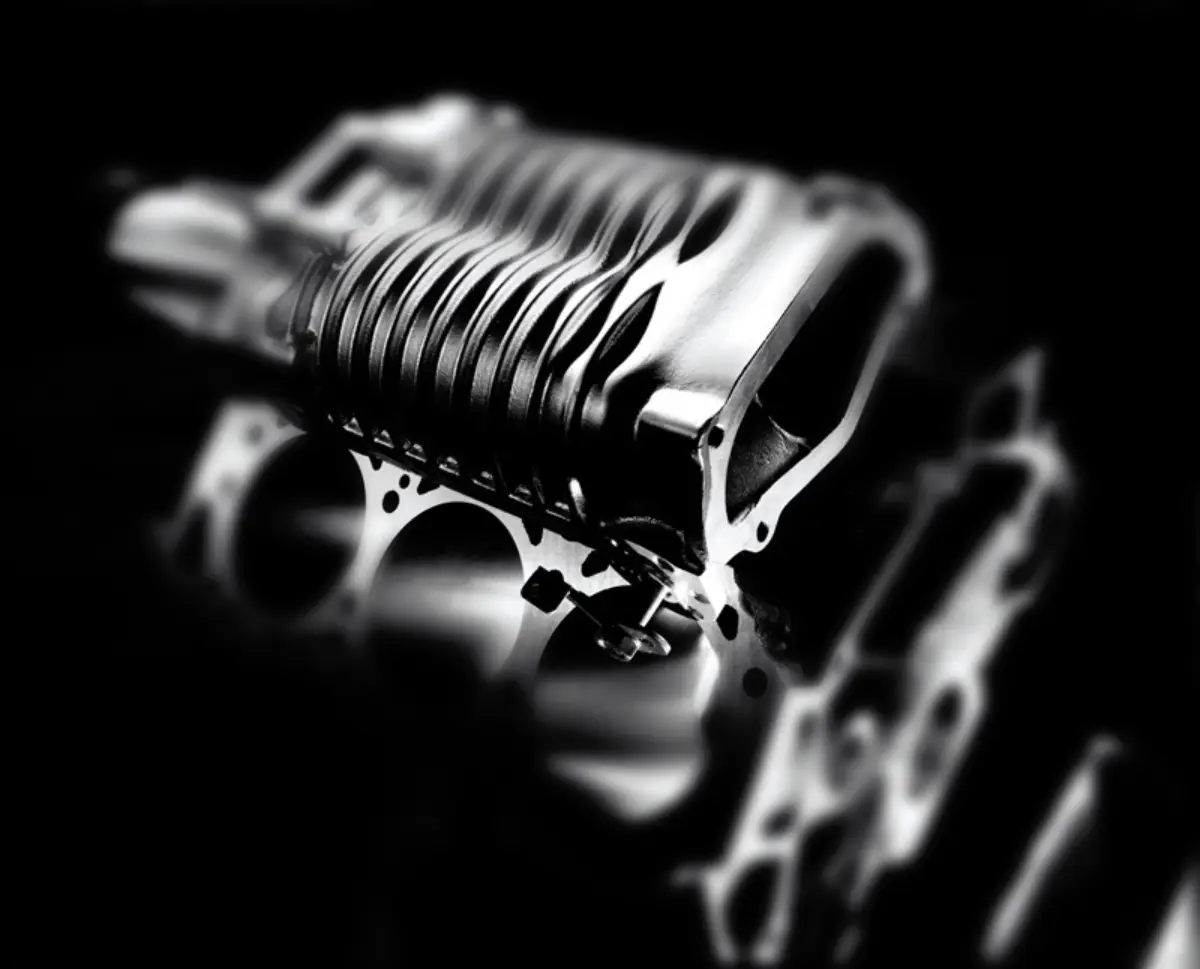
While the rest of the industry leans heavily into turbocharged four-cylinder engines, Nissan is sticking with what is working in the Frontier midsize pickup truck. The company confirmed that this new family of body-on-frame vehicles, including the Xterra, will offer V6 or V6 hybrid powertrains.
For buyers in this segment who still value smooth power delivery, towing confidence, and long-term durability, a V6 is a welcome addition to the reborn Xterra. A naturally aspirated or hybrid-assisted V6 is a welcome change of pace for a segment saturated with turbocharged 4-cylinders.
There was no mention of transmission options, but one can hope for a three-pedal Xterra, right?
Built in the USA for American Buyers
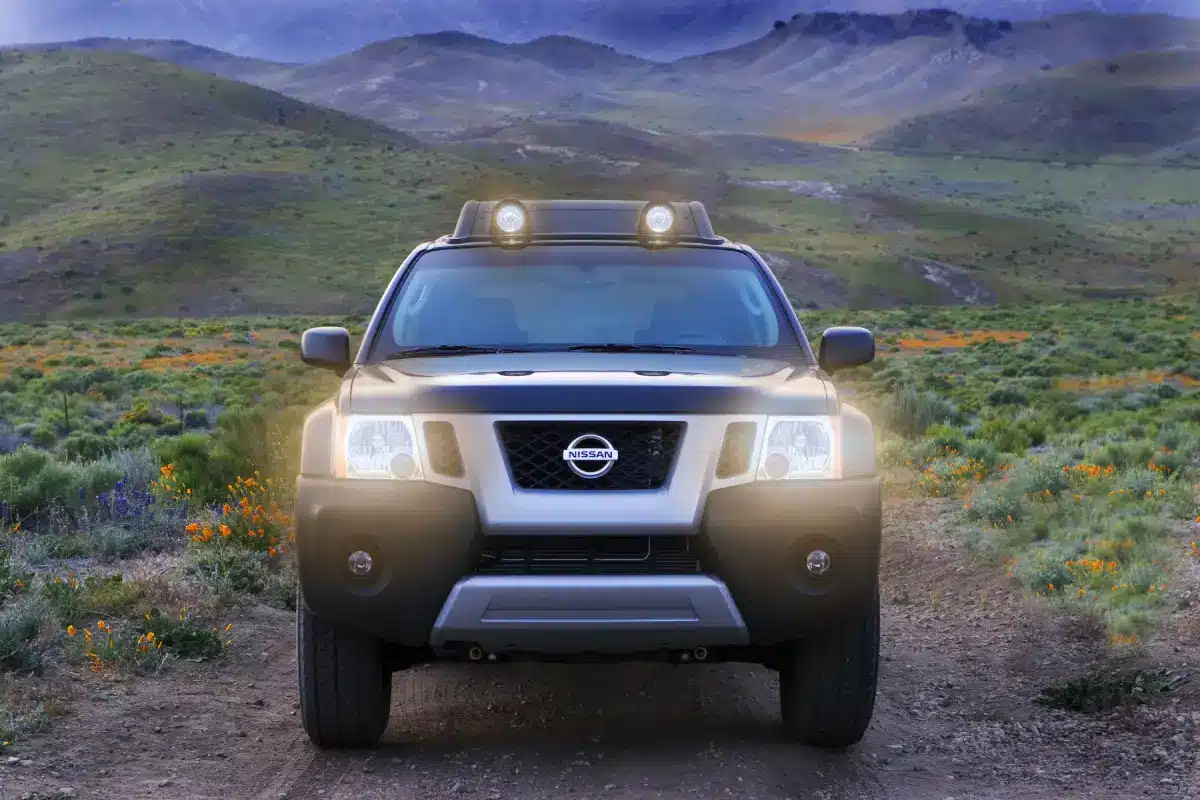
Nissan also confirmed the new Xterra will be built in the United States.
This strengthens Nissan’s manufacturing footprint in North America, helps with supply chain stability, and positions the Xterra as a core product for this market, not an afterthought.
It also suggests Nissan expects real volume here, which makes sense given how hot the rugged SUV segment continues to be. (This is where I mention that Hyundai and Kia are looking to enter this segment with U.S.-built options as well.)
It’s Part of a Bigger Body-on-Frame Strategy
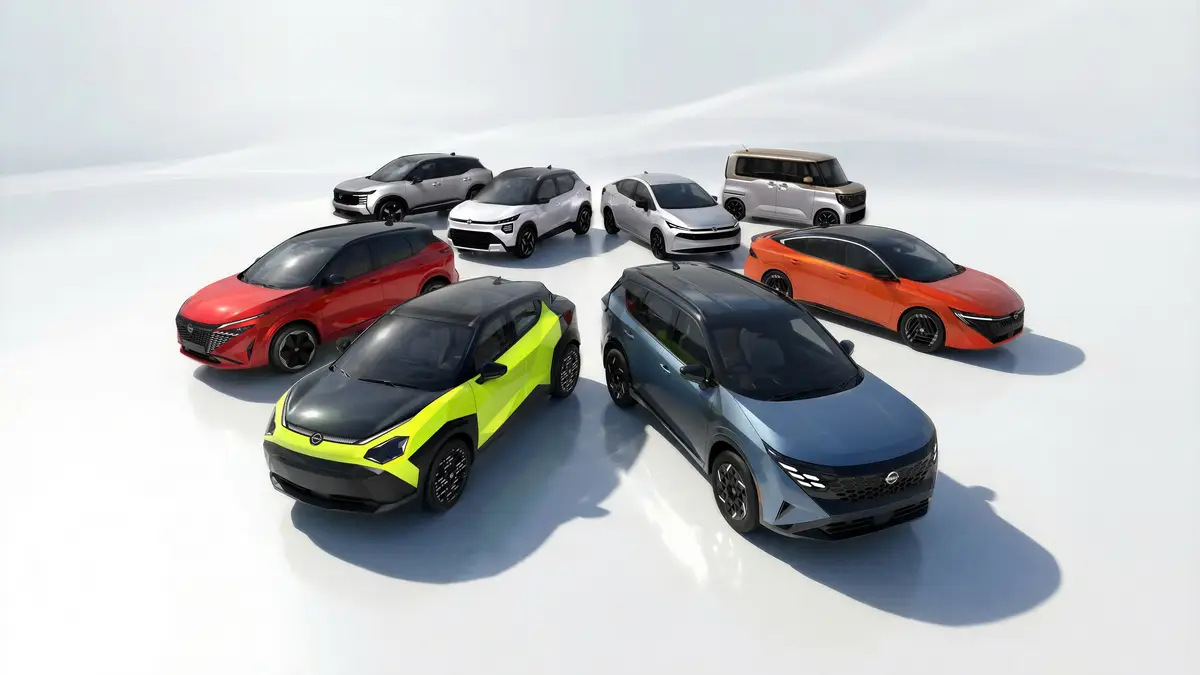
The Xterra isn’t coming back alone.
Nissan is developing an entire family of U.S.-built body-on-frame vehicles on a shared platform. That could include pickups and multi-row SUVs across both Nissan and INFINITI. Think of this as Nissan building its own ecosystem to compete with platforms like the Toyota TNGA-F or GM’s truck-based SUV lineup. The Xterra is likely just the starting point, not the end game.
That also opens the door for shared components, better capability, and potentially more competitive pricing across the lineup.
If you read tea leaves, Nissan execs have already hinted that the Pathfinder could return to a body-on-frame platform as well.
You’ll Have to Wait, But It Could Be Worth It
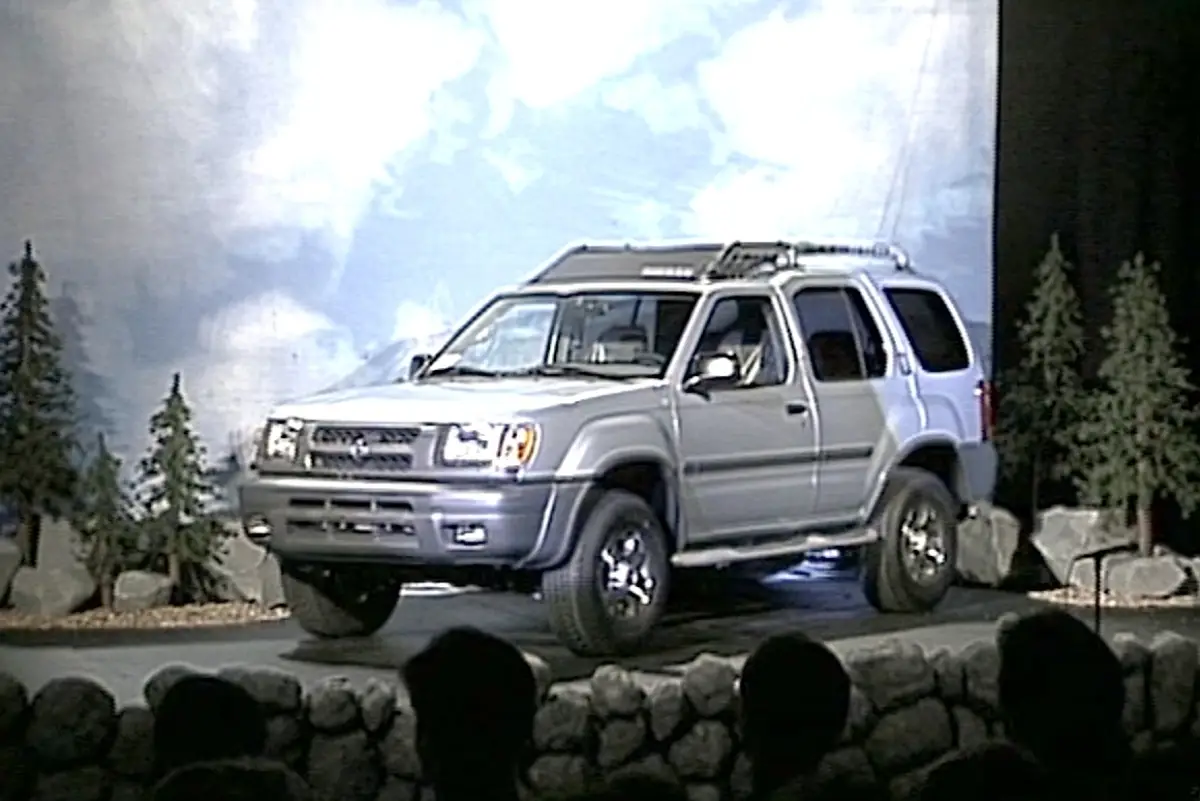
Here’s the catch. The new Xterra isn’t arriving tomorrow, or even next year.
Nissan is targeting a launch in late 2028, which means we are still a couple of years out from seeing the full production version in dealer showrooms. For now, we only have teaser visuals and early details.
But if Nissan sticks the landing with body-on-frame construction, a V6 powertrain, and true off-road capability, the wait could pay off in a big way.
Final Thoughts
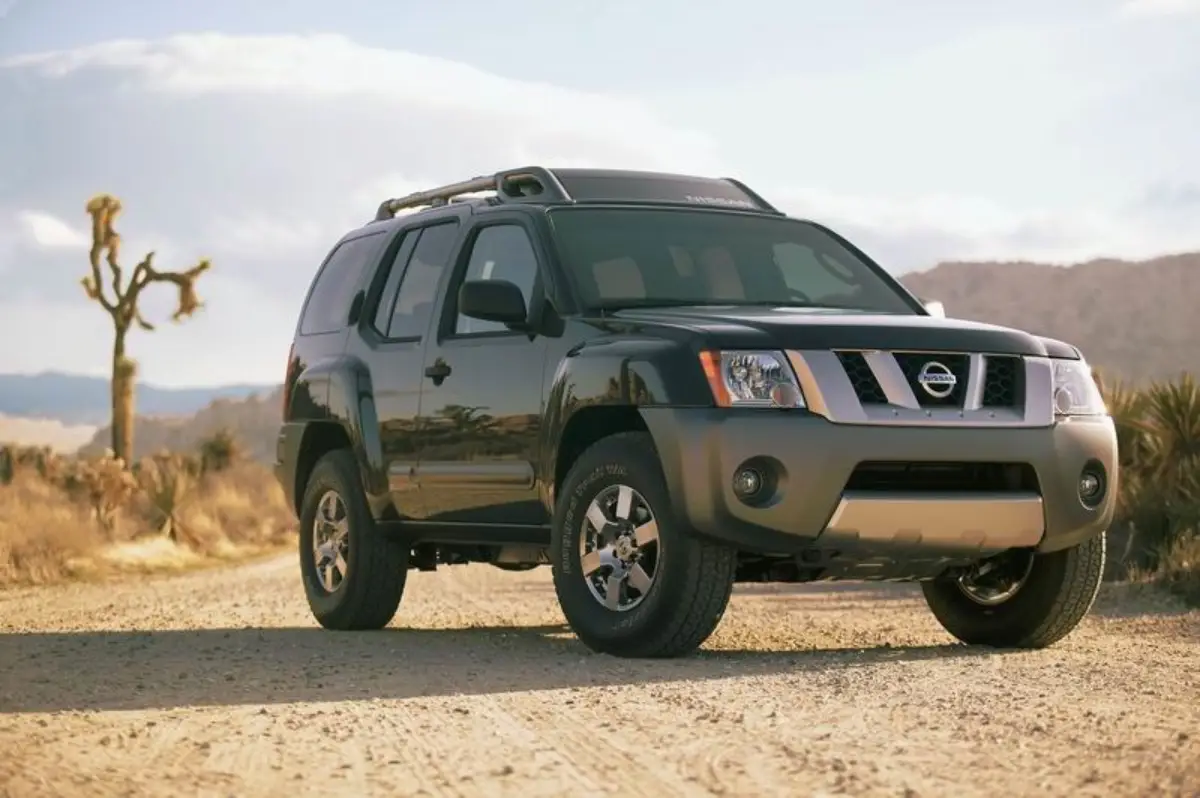
The return of the Nissan Xterra feels different than a typical revival. Nissan is not in a position where it can afford a large misstep. The brand is taking strategic steps to regain its footing in the U.S. market after losing its way and significant market share to competitors.
By being willing to do what others aren’t, offering powertrains that enthusiasts clamor the loudest for, while keeping costs and pricing in check, Nissan could be on the verge of a real revival.
However, if this gamble fails, so could the entire company. The Xterra announcement was made alongside the fact that Nissan is streamlining its product lineup, code for underperforming models being discontinued.
For the sake of the industry, this heritage automaker with its storied history, and for enthusiasts everywhere, I really hope this pivot by Nissan pays off.