
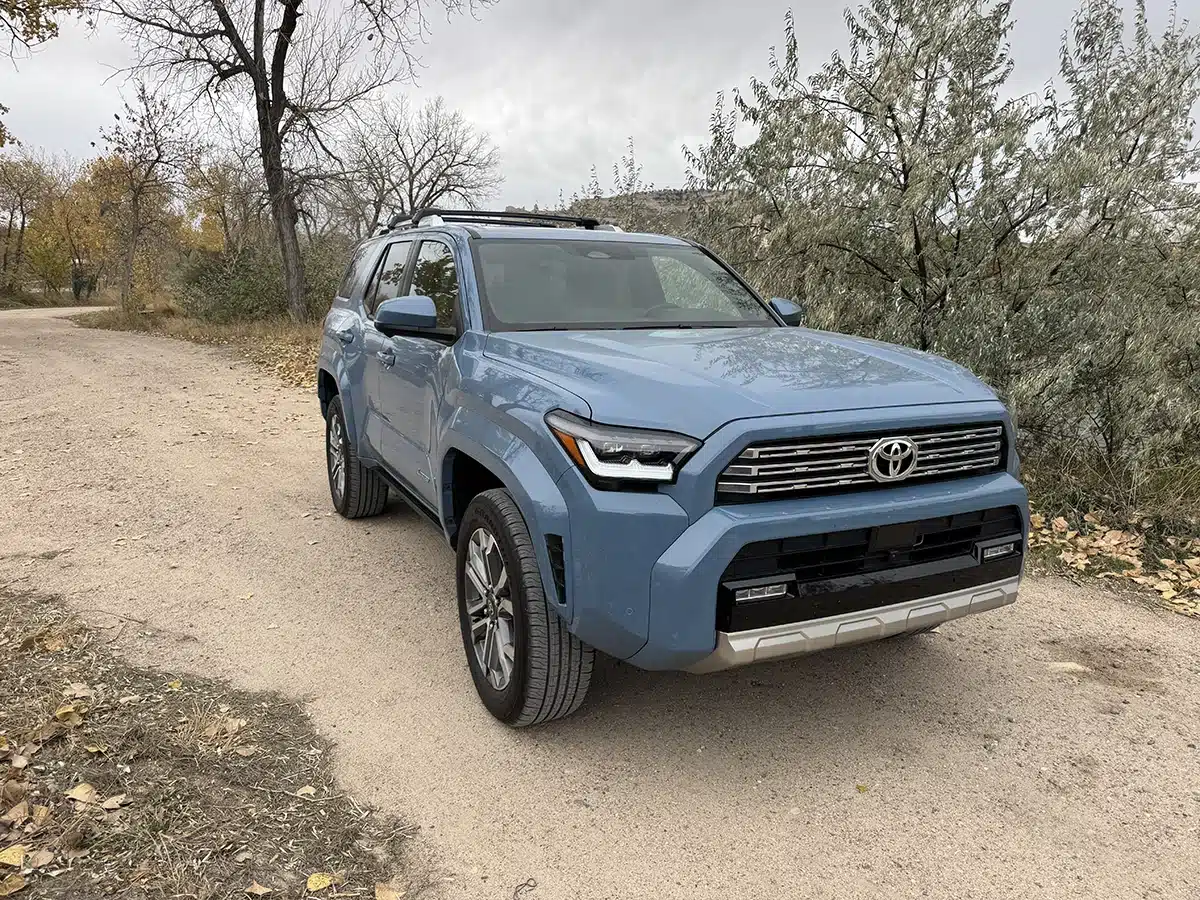
The 2025 Toyota 4Runner Limited has always inspired strong opinions, and the latest version is no exception. Some longtime fans embrace the updates, while others remain skeptical about the changes Toyota has made to this body-on-frame SUV.
Turbocharged Powertrain: A Clear Step Forward
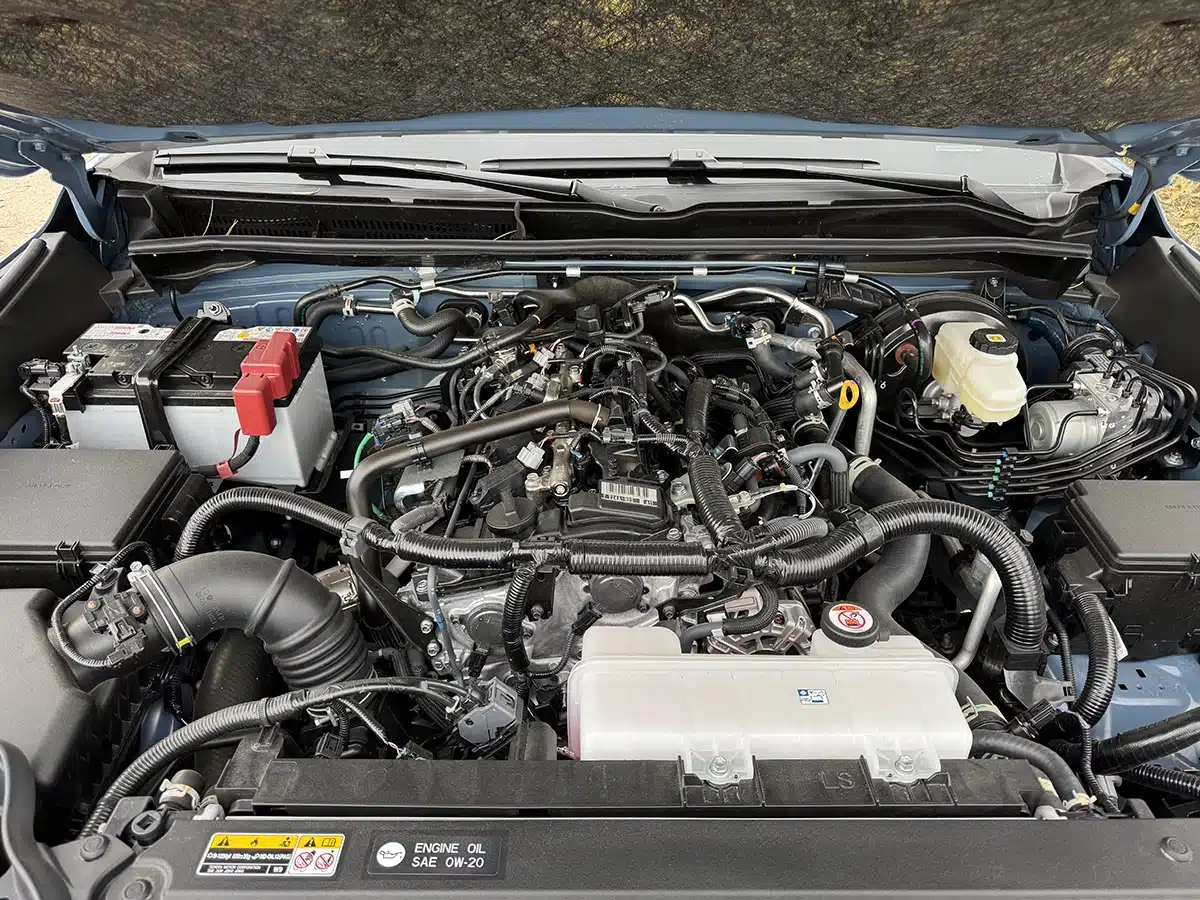
The most significant change under the hood is the move to a turbocharged four-cylinder engine. While purists will miss the old naturally aspirated V6 and its five-speed automatic, the new turbocharged setup delivers a noticeable performance upgrade.
Power and torque are substantially improved, resulting in stronger acceleration, better passing power and a smoother overall driving experience. Paired with a modern eight-speed automatic transmission, the drivetrain feels far more responsive and refined than the outgoing setup.
From a performance standpoint, this is a night-and-day improvement and one of the strongest arguments in favor of the new 4Runner.
Transmission and Driving Dynamics
The upgrade from a five-speed to an eight-speed automatic transforms how the 4Runner drives in everyday conditions. Gear changes are quicker and better spaced, keeping the engine in its power band more consistently. Around town and on the highway, the vehicle feels more composed and less strained than before.
While this is still a body-on-frame SUV with truck-like manners, the drivetrain improvements make it feel far more competitive with newer rivals in the midsize SUV segment.
Exterior Design and Heritage Touches
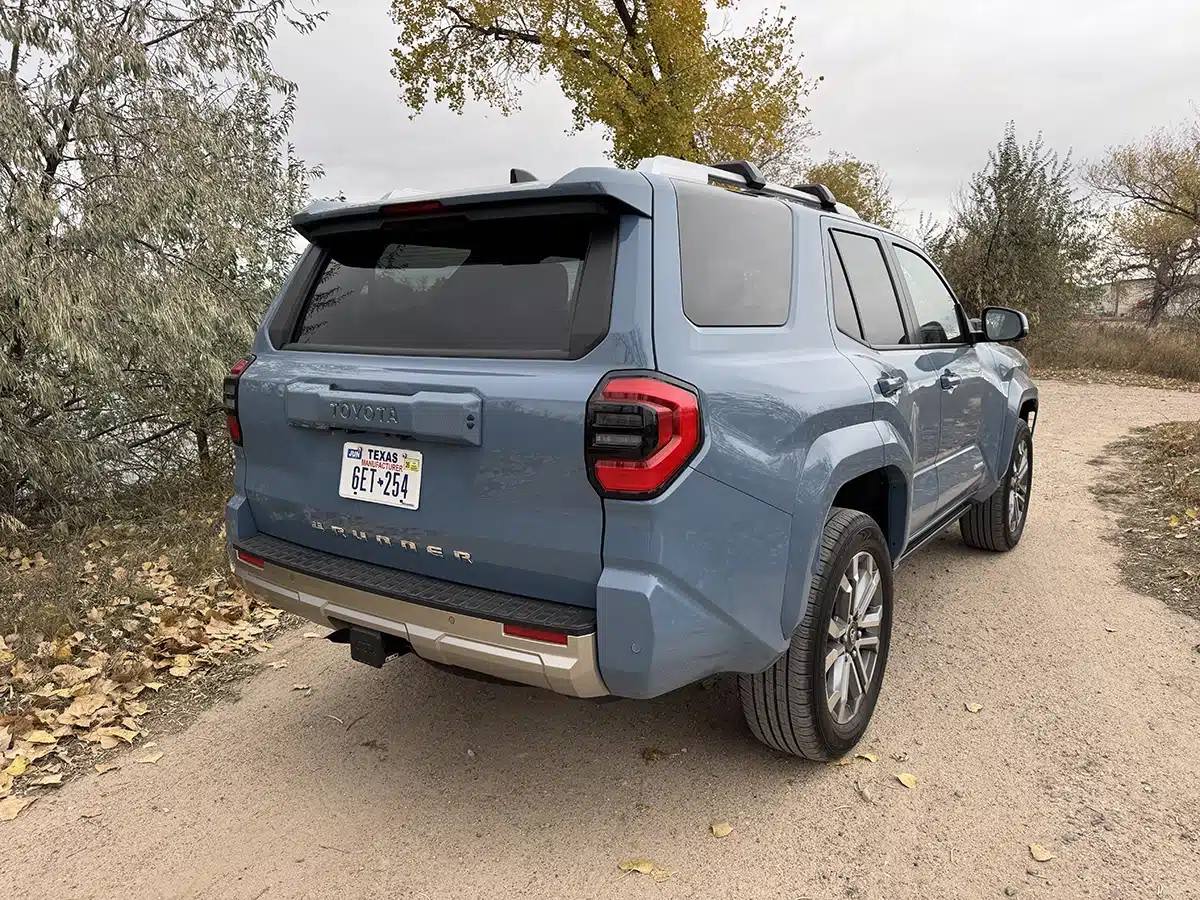
Toyota struck a careful balance between modernization and tradition. The new 4Runner looks sharper and more contemporary while still retaining the rugged proportions and heritage cues buyers expect.
One standout carryover feature is the power rear window, which still rolls down and remains a signature 4Runner trait that owners genuinely use and appreciate.
Overall, the exterior design successfully modernizes the vehicle without alienating its core audience.
Interior: Modernized and More Competitive
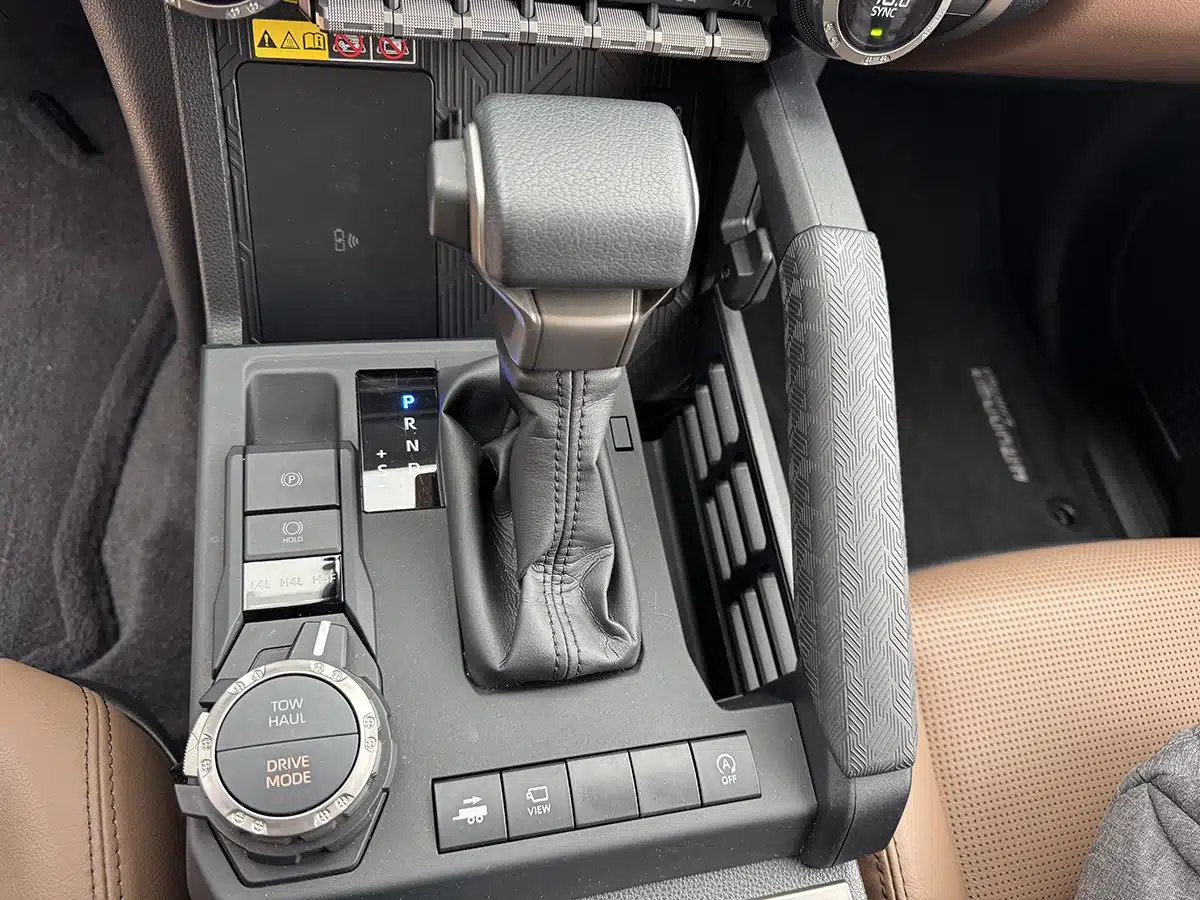
Inside, the updates are substantial and overdue. The previous-generation interior, largely unchanged for more than a decade, had fallen behind the competition.
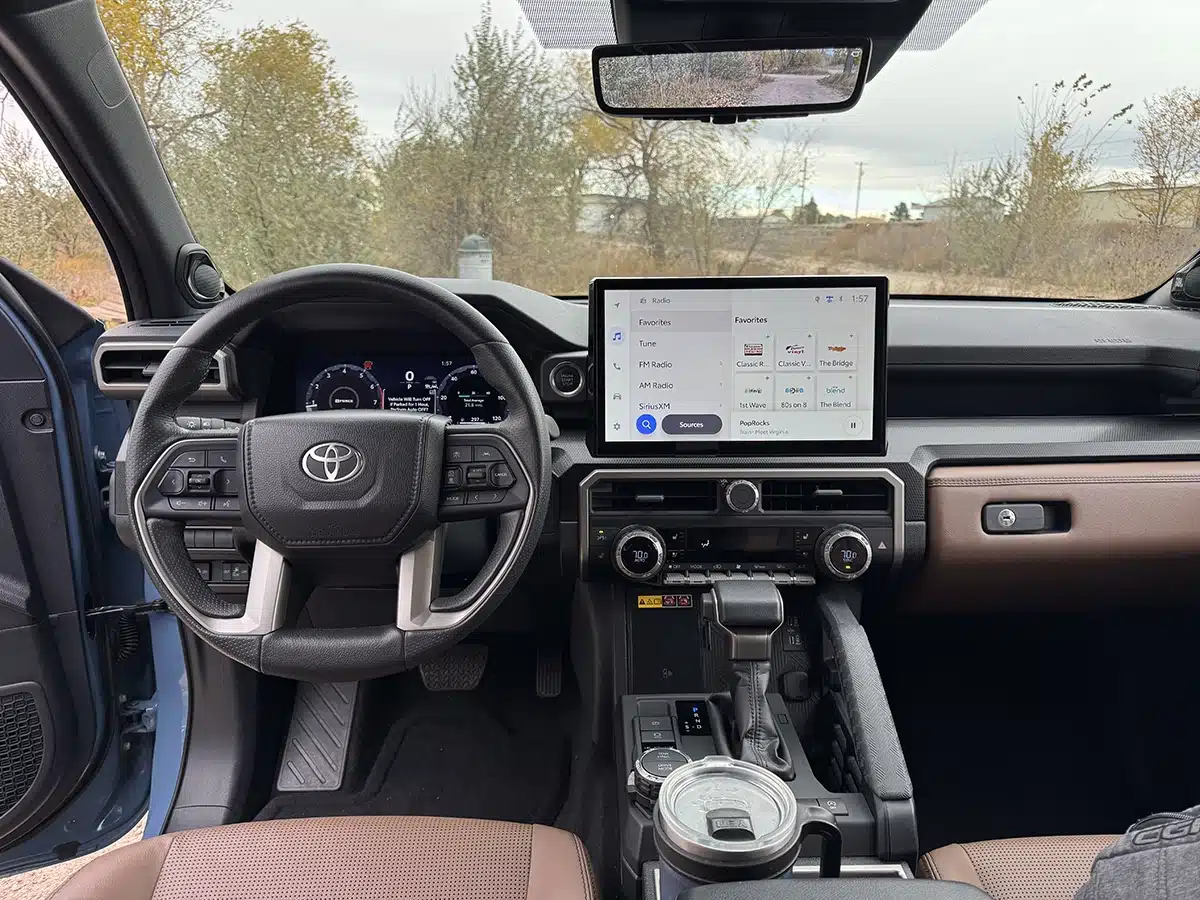
The new cabin features a cleaner design, improved materials, larger cupholders and storage areas, a wireless charging pad and a prominent 14-inch infotainment screen.
Heated and ventilated seats, physical controls, and practical grab handles reinforce the 4Runner’s dual mission as both a daily driver and an adventure vehicle. In terms of technology and usability, this interior is a clear win.
Practicality and Ride Quality Concerns
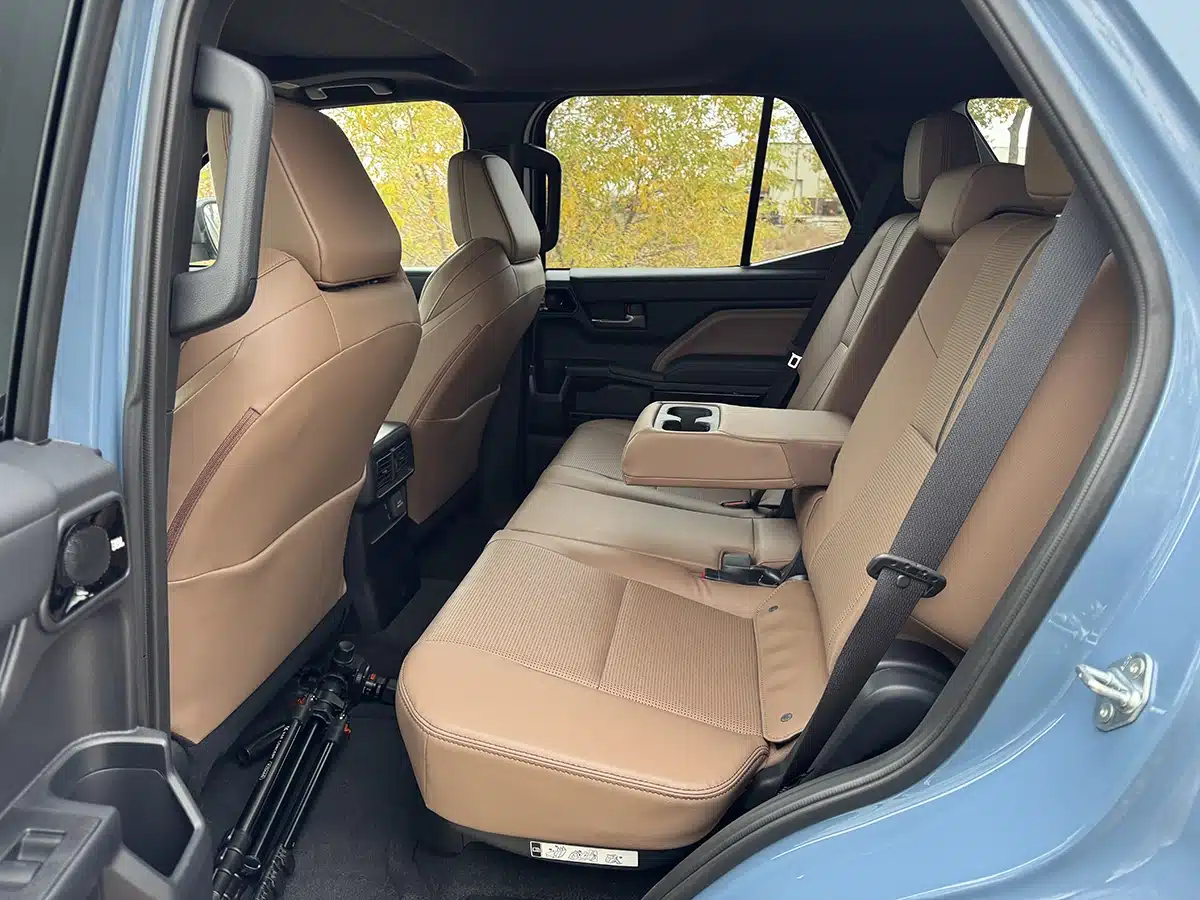
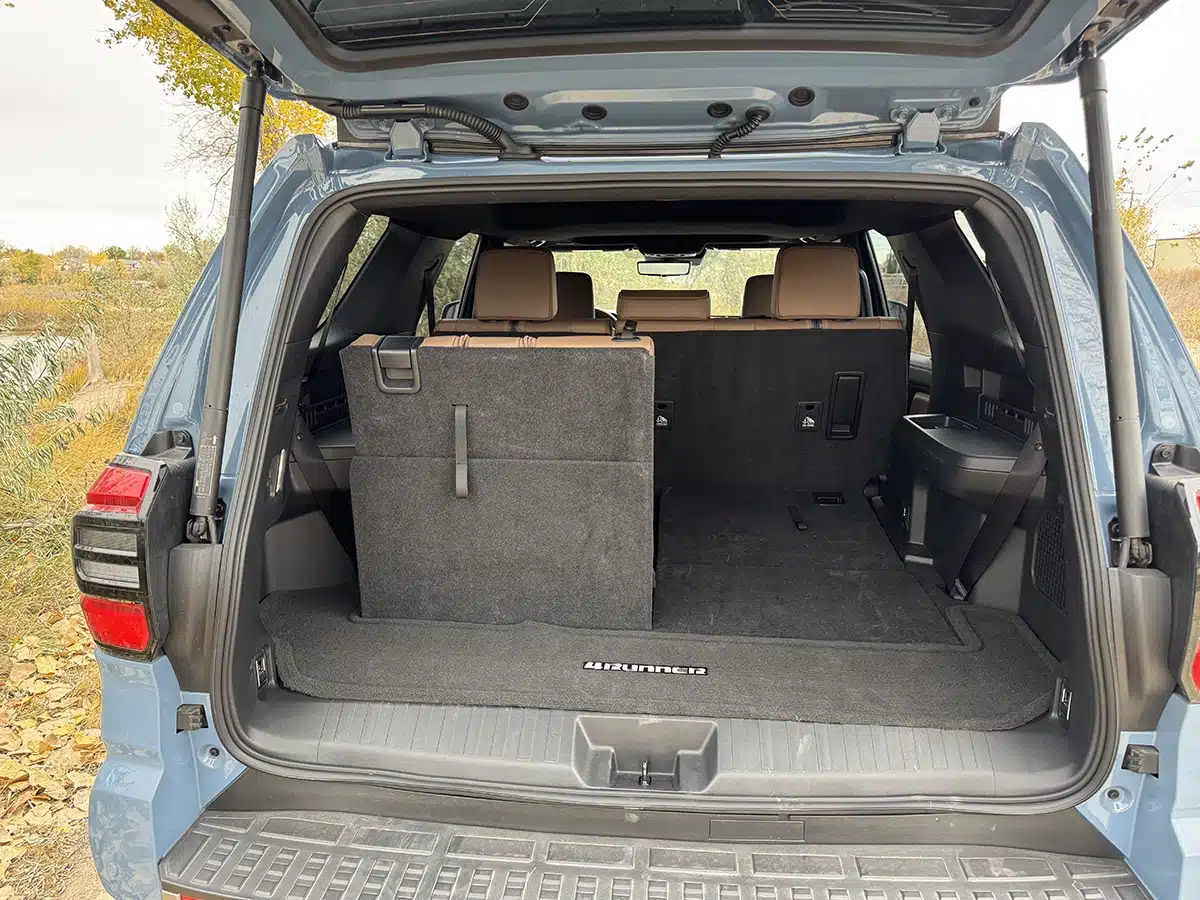
Not all feedback is positive. Cargo space, particularly in models equipped with a third row, is compromised by a higher load floor, which reduces overall usability. The third row itself remains best suited for occasional use rather than regular adult passengers.
Rear-seat access is another point of contention, with a relatively narrow door opening that can feel awkward for larger occupants.
Ride quality also drew my criticism, especially on rough or washboard surfaces, where the suspension can feel rough depending on trim and setup. These issues are not deal-breakers, but they are worth noting for buyers who prioritize comfort and interior flexibility.
Final Thoughts on the 2025 Toyota 4Runner Limited
The updated Toyota 4Runner delivers meaningful improvements where they matter most: power, technology and overall drivability. The turbocharged engine and eight-speed transmission bring the platform firmly into the modern era, while the refreshed interior finally matches market expectations.
However, compromises in cargo packaging, rear-seat access and ride refinement may give some shoppers pause. Whether you side with longtime skeptics or embrace the new direction, the latest 4Runner is undeniably more capable and competitive than before—just not without trade-offs.








2 replies
Loading new replies...
Administrator
Well-known member
Well-known member
Join the full discussion at the Forum Pickuptrucktalk →