
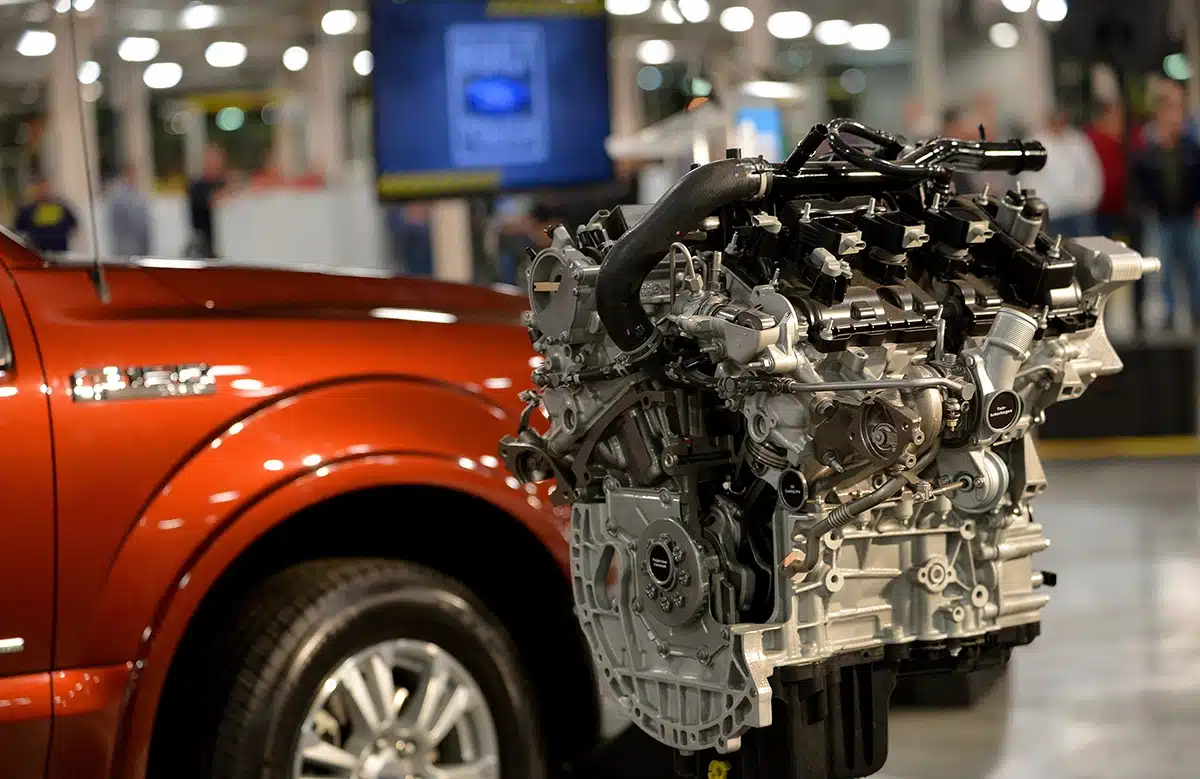
With the new redesign of the Ford F-150 pushed back to 2028, there is plenty of time to play the “what if” game when it comes to engine choices. The folks over at F150Ecoboost.net are pondering if the 3.0L “Nano” V6 used across Ford’s SUV lineup, Bronco Raptor and Ford Ranger Raptor. While the 2.7L V6 is already on the current-gen F-150 engine list, could they give that the boot and go with a 2028 Ford F-150 3.0L engine.
Engine Comparisons
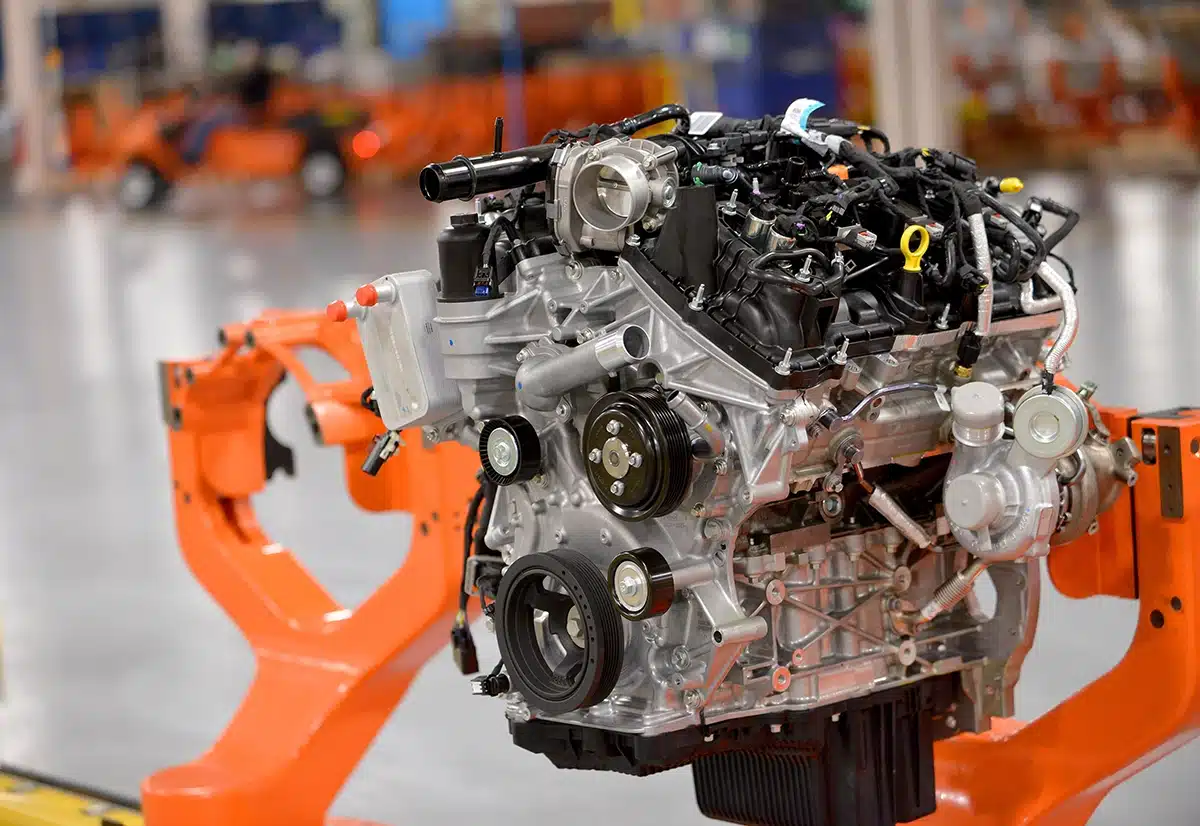
The current generation F-150 basically has three engine sizes: 2.7L V6, 3.5L V6 and 5.0L V8. We’re leaving out the F-150 Raptor engines for simplicity. That’s a nice “good, better, best” engine lineup for buyers to choose the powerplant that matches their needs. Here’s how the current engine lineup stacks up to a possible 3.0L option. We’re guessing if Ford went the 3.0L “Nano” route they would choose the engine already found in the U.S. domestic Ranger Raptor, so we based our engine specs accordingly.
| Engine | 2.7L EcoBoost V6 | 3.5L EcoBoost V6 | 5.0L V8 | 3.0L EcoBoost V6 |
| Horsepower (SAE net) | 325 @ 5,000 RPM | 400 @ 6,000 RPM | 400 @ 6,000 RPM | 405 @ 5,500 RPM |
| Torque (lb-ft) | 400 @ 3,000 RPM | 500 @ 3,100 RPM | 410 @ 4,250 RPM | 430 @ 3,500 RPM |
By the numbers the 3.0L gives V8 power and torque, but not quite as much torque as the 3.5L. For power output alone the 3.0L makes a pretty convincing argument.
Will the 3.0L EcoBoost Fit?
We know very little about the underhood space of the next F-150, but we can make a few educated guesses. The 5.0L V8 is likely to stick around due to its popularity and isn’t likely to see any major updates that would change its external dimensions. If the V8 is the largest engine under the hood, then technically anything the same size or larger should fit too.
Finding exact engine measurements is a little tricky, but we pulled together some numbers from Ford part catalogs that seemed plausible. Here’s how the engines measure up size wise:
| Engine | 2.7L EcoBoost V6 | 3.5L EcoBoost V6 | 5.0L V8 | 3.0L EcoBoost V6 |
| Length | 26.02″ | 26.58″ | 31.50″ | 27.68” |
| Width | 30.75″ | 28.33″ | 31.38″ | 29.72″ |
| Height | 27.8″ | 29.86″ | 30.71″ | 30.94″ |
| Weight (lb.) | 409 | 417 | 453 | 409 |
As you can see the 3.0L V6 fits within the V8 floor space and only needs a touch more head room. Weight is pretty much the same as the 2.7L, which is no surprise since Ford only upped the bore and stroke to make the larger 3.0L displacement. So fitting the 3.0L V6 in the new F-150 shouldn’t be a problem.
What Would Be the Advantage?
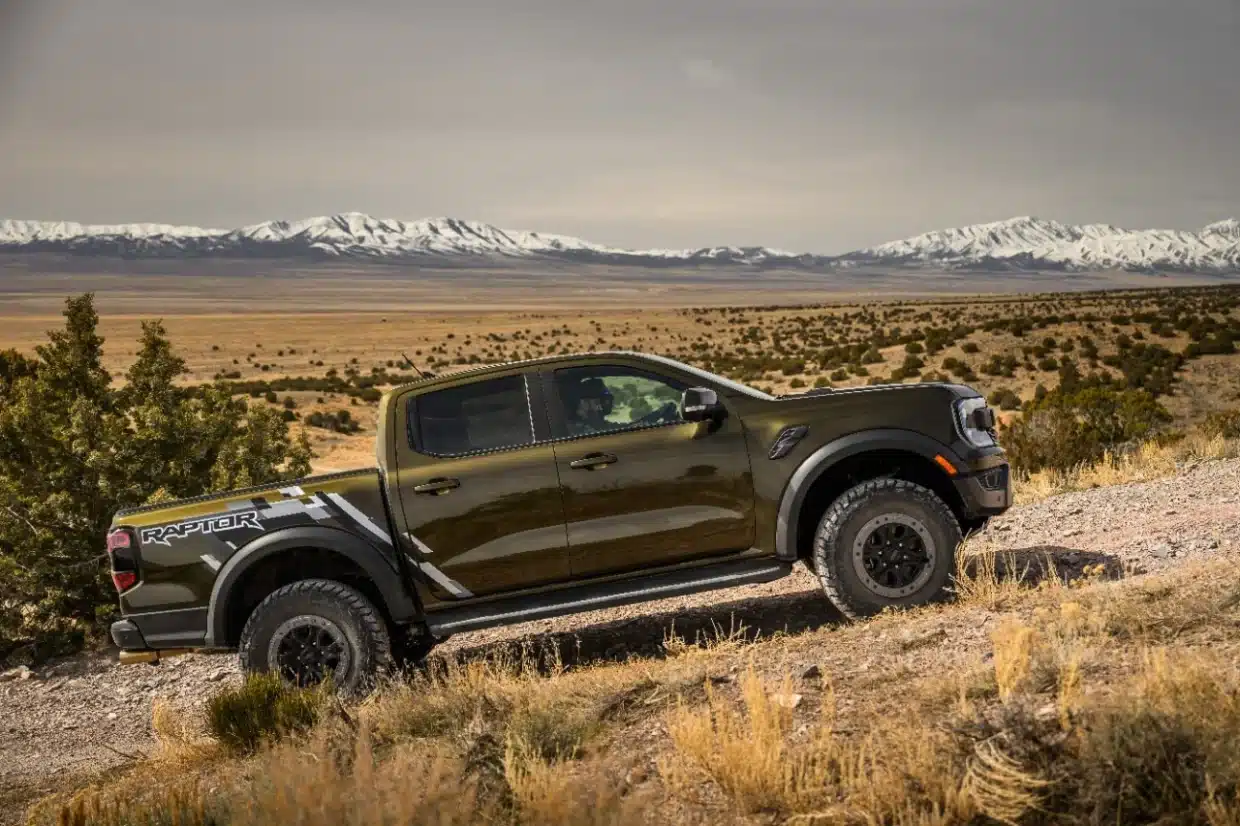
If the 3.0L V6 would fit, what would be the advantage of it over the current engine offerings? First of all it brings more power, something truck buyers always appreciate. Thanks to stronger internal components and the slight displacement bump, the 3.0L could bring a little more real-world hauling and towing confidence. It is already designed to handle higher boost pressure and more punishing heat loads, so sliding the 3.0L under the hood of a full-size truck isn’t a stretch.
There could also be a marketing aspect to the engine lineup. GM’s baseline truck engine is a 2.7L turbo-4 that has proven considerably robust. Toyota’s Tundra brings a 3.4L twin-turbo V6 and Ram is still getting use out of the 3.6L PentaStar engine. Bringing the F-150 base engine into the 3.0L displacement realm would put it ahead of GM’s offering and starts nipping at the heels of Toyota and RAM. Then there is the “new” factor that drives excitement around a vehicle launch. The more “new” things they can announce, the better the talking points on the sales floor.
But There Are Downsides
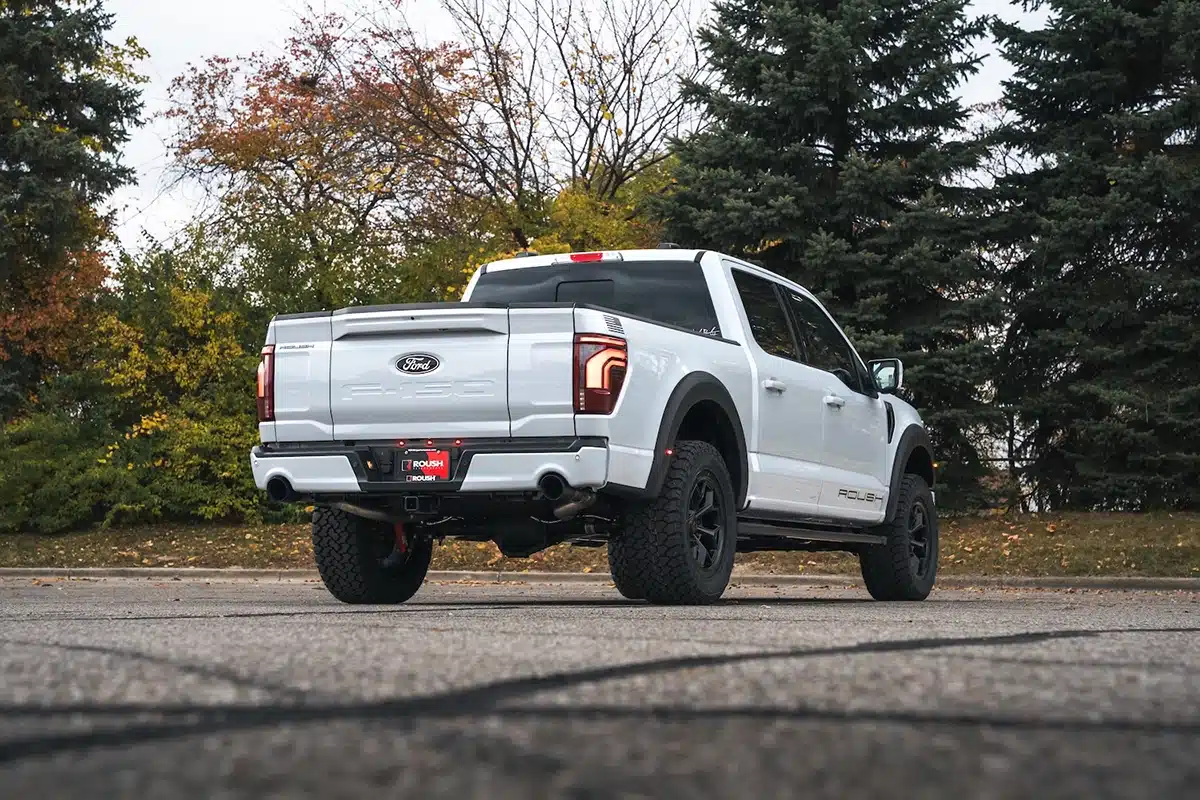
There could be a few reasons why Ford hasn’t already slid the 3.0L into the current generation F-150. We’re going out on a limb and assume that it also costs more to build the 3.0L thanks to the upgraded internals and more demanding supporting parts (like turbos and cooling system). There may also be slight differences in engine operation parameters that simply aren’t worth ironing out until the model full refresh. Considering how complex a modern vehicle drivetrain can be, one change can have a ripple effect through multiple systems.
There is also the elephant in the room: the 3.5L EcoBoost. Why would buyers pick the 3.0L when the 3.5L is within striking distance of horsepower but more usable torque at lower RPM? There are a gazillion 3.5L EcoBoost engines out there, which makes parts plentiful and repairs well understood. Yes there are plenty of 2.7L engines out there too, but the sheer footprint of the 3.5L cannot be denied.
Magic 8 Ball Says… Maybe?
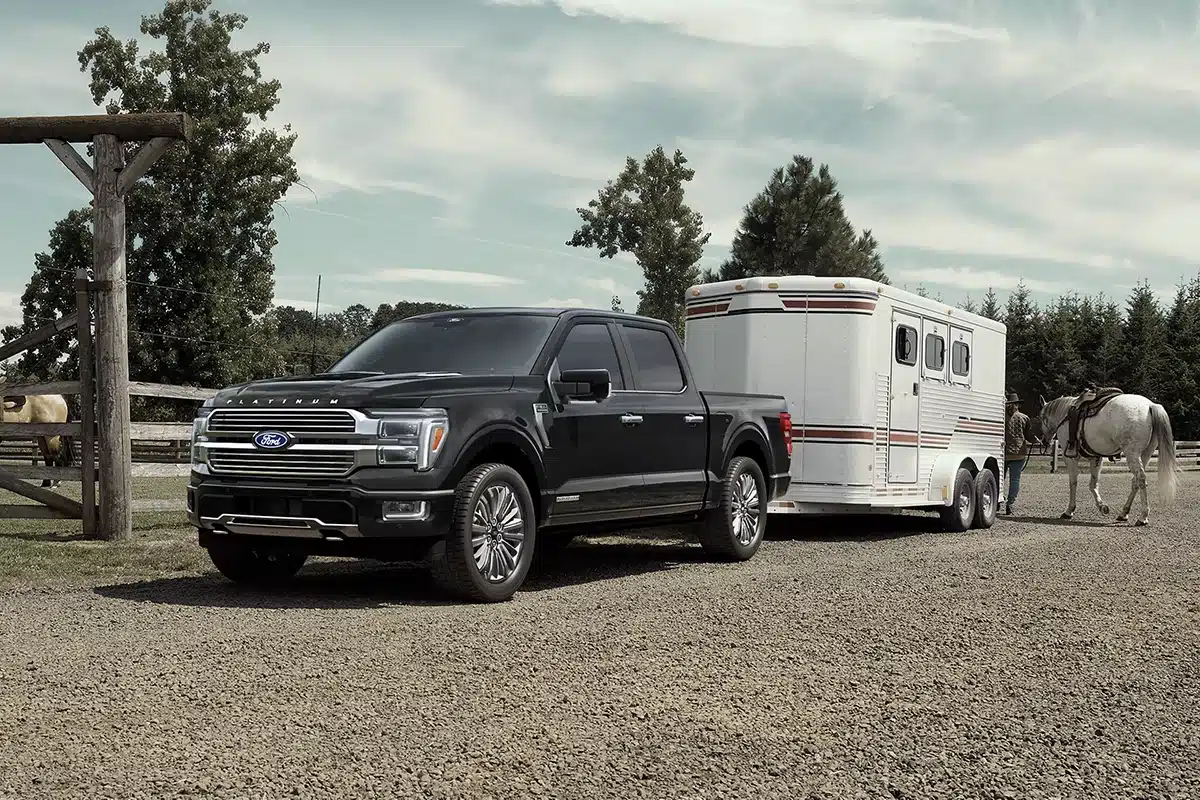
Ford has likely already locked in the engine options for the 2028 F-150, so we will have to wait until an official announcement or an information leak to see if this rumor is true. Only Ford can decide if the 2.7L is enough for their next generation truck buyers or will they want to turn up the wick a little.







No replies yet
Loading new replies...
Administrator
Join the full discussion at the Forum Pickuptrucktalk →