
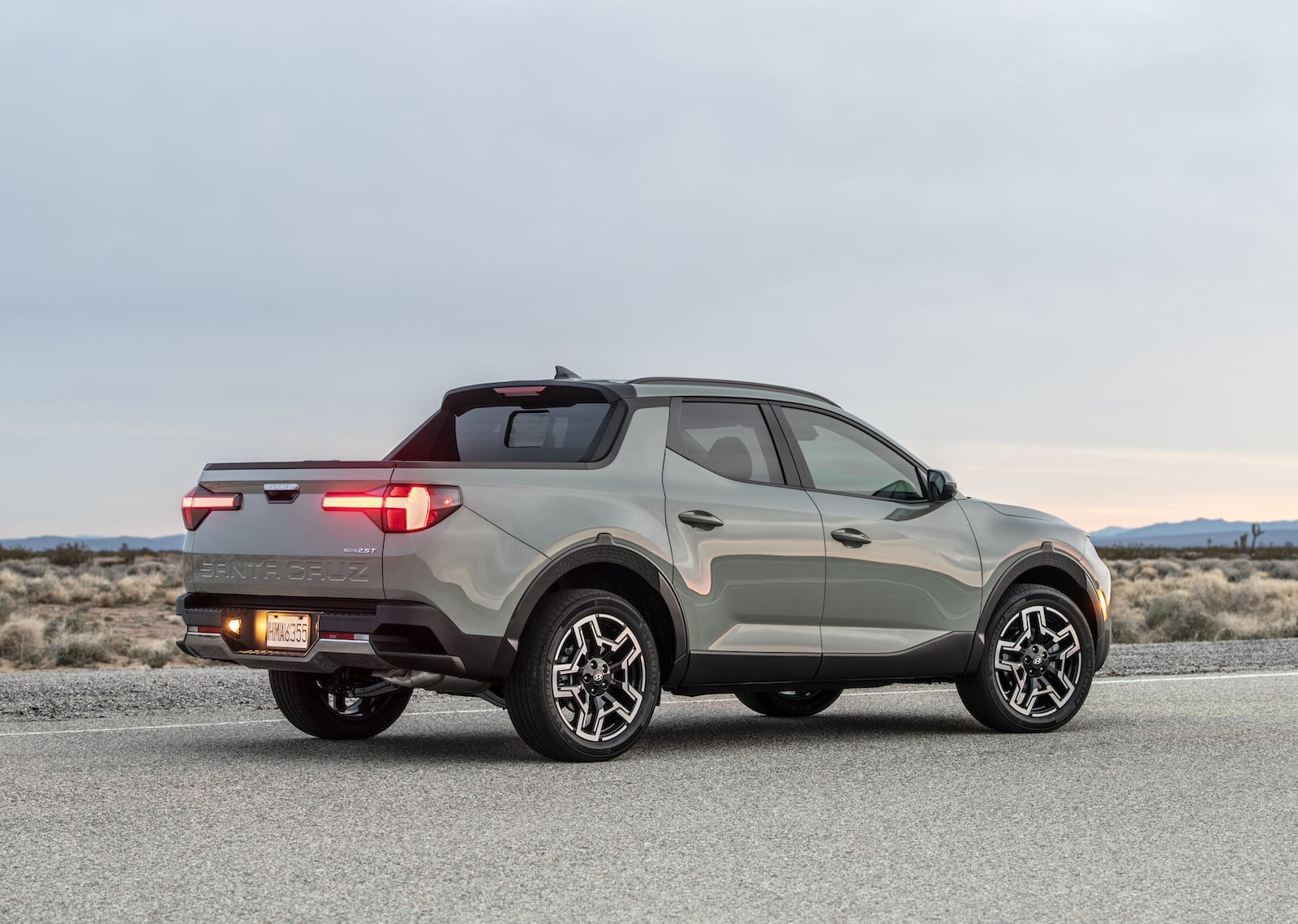
A look at five pickup trucks that aren’t long for this world; five trucks on their way to being discontinued soon.
As automakers’ battle plans have come undone due to softening appetite for EVs and tariffs that change with the weather, you begin to sense a certain unease in the truck product pipeline. Programs once announced with champagne confidence are now barely mentioned. That may lead you to wonder trucks are next to feel the cold hand of death on their fender? We consider a few likely subjects of gossip.
GMC HUMMER
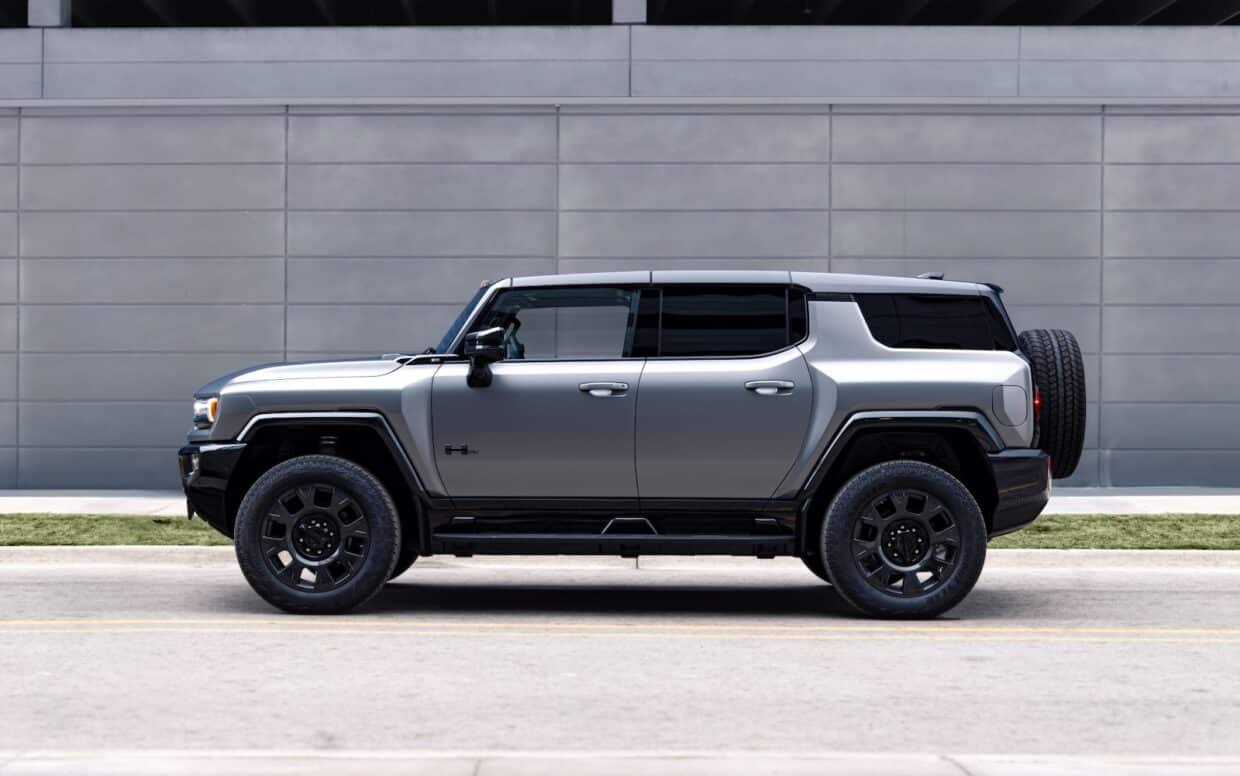
General Motors presses on, as if doubt were for lesser brands. The GMC Hummer EV gets a mid-cycle polish, adding a new parlor trick—King Crab Walk—to its already theatrical repertoire. The Carbon Fiber Edition, meanwhile, detonates to 60 mph in 2.8 seconds, a figure less appropriate for a pickup than a guided missile. But the applause comes with an echo.
Late last year, production pauses quietly to align inventory with demand, which is to say, there’s less of the latter than hoped. Rival trucks are wobbling. The Ford F-150 Lightning is heading to history. The Tesla Model X no longer startles, and the chorus of pundits is already eyeing the Hummer’s fate. Yet in a thinning field, stubbornness is a strategy. When others retreat, even excess gains a certain logic. And if even the ancient GMC Savana van still outsells it, perhaps the problem isn’t the Hummer; it’s that buyers have misplaced their appetite for spectacle.
HONDA SERIES 0 SUV
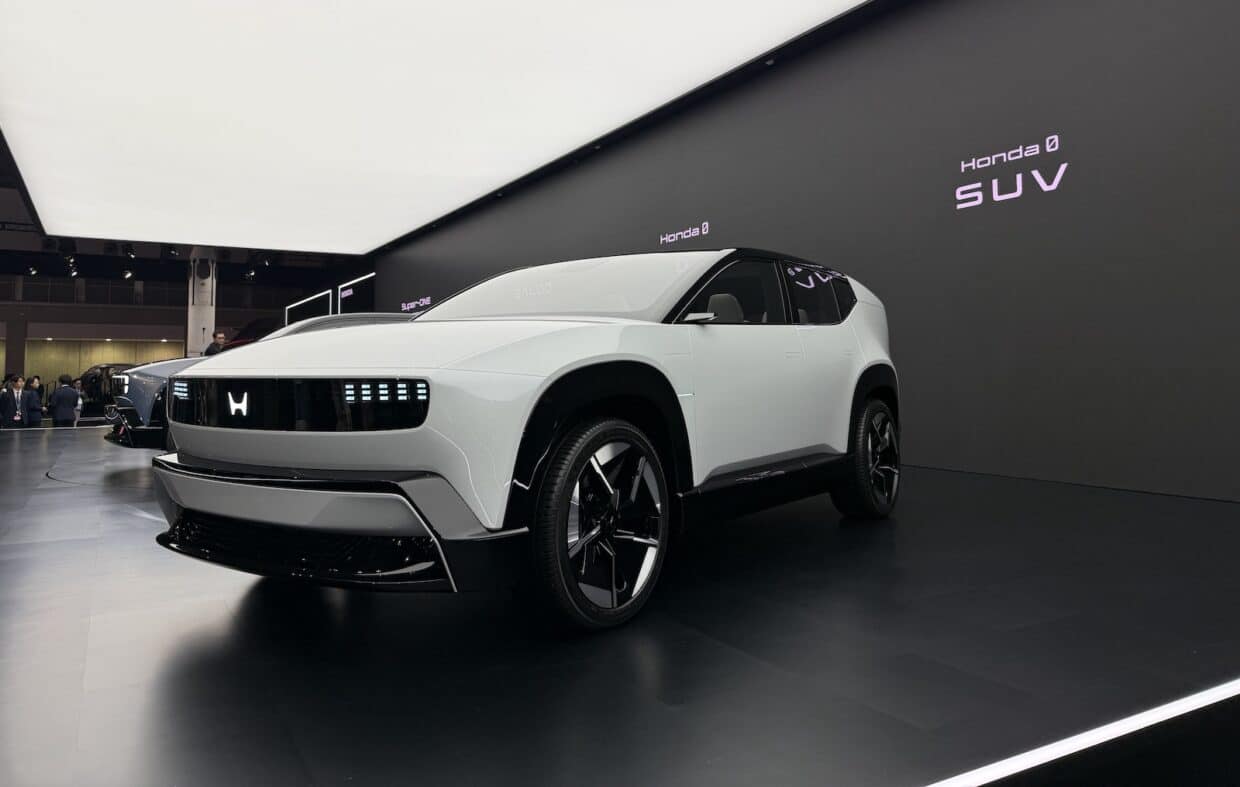
Honda, having briefly dallied with General Motors’ Ultium electric underpinnings for the Honda Prologue and Acura ZDX SUVs, Japan’s No. 2 built its own bespoke EV architecture and rolled it onto the stage at the 2025 Tokyo Mobility Show with all the ceremony of a moon launch. And then reality arrived, late but not uninvited. In the months that followed, the landscape shifted with the subtlety of a bar fight.
American tariffs muscled in, consumer enthusiasm for EVs cooled from a boil to a polite simmer, and Asian markets responded with something approaching a shrug. The grand plan, so confidently unveiled, began to look less like destiny and more like overreach. Now comes the bill: $15.8 billion, written off with the kind of grim finality that suggests not just a change in strategy, but a retreat. Honda, a company that built its reputation on engineering certainty and mechanical conviction, finds its electric ambitions suddenly negotiable.
HYUNDAI SANTA CRUZ
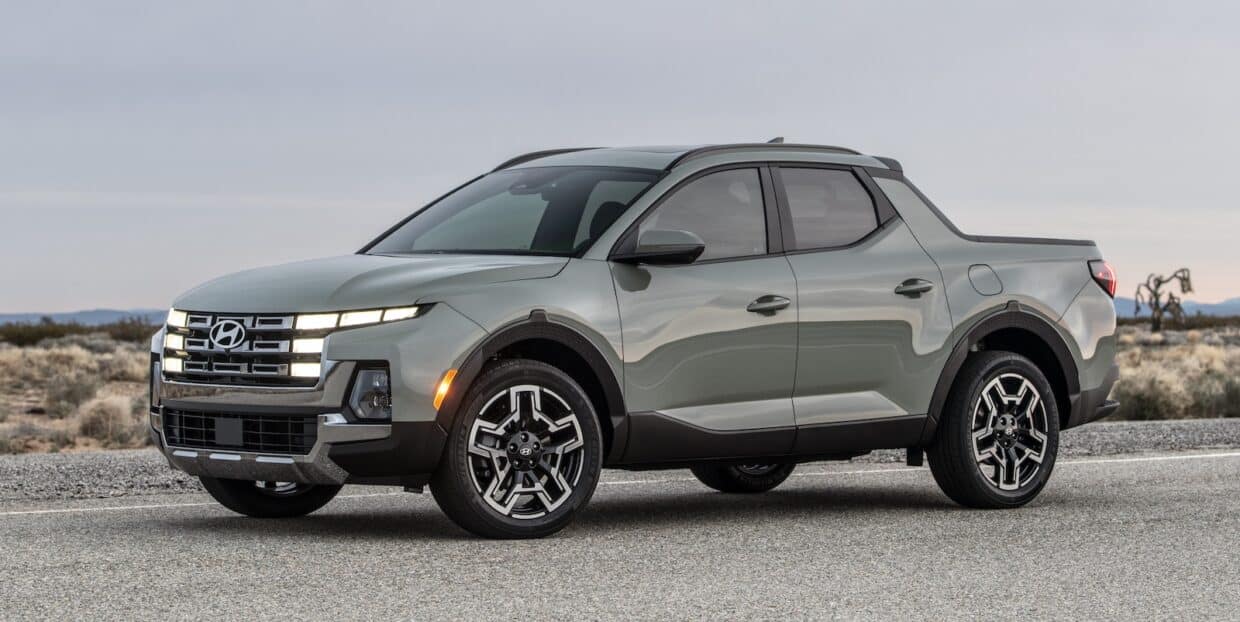
Let’s be honest: this was never a truck. It was a Hyundai Tucson stretched just enough to wear a four-foot bed and pass, at a glance, for something tougher than it is. The Hyundai Santa Cruz arrived in 2021 with style and attitude, but not the substance buyers wanted. Sales fell 20% last year to 25,499 vehicles, and now production is being cut as it fades from the scene according to media reports.
Meanwhile, the Ford Maverick pickup truck, cranked out by Ford Motor Company, racked up 155,051 sales. That’s not rivalry; that’s dominance. Still, Hyundai isn’t done. A real midsize pickup is reportedly on the way by 2029—one that might finally earn the name.
JEEP GLADIATOR

Rumors say the Jeep Gladiator pickup truck is living on borrowed time. Maybe. But in 2025 it still managed a respectable fourth place. It trails the Toyota Tacoma, Chevrolet Colorado, and Ford Ranger, which is less obituary than warning shot.
The Gladiator was never about volume anyway. It trades on mud, image, and that square-jawed, doors-off bravado that a certain slice of America finds irresistible. And Stellantis has never been shy about indulging a niche if it can make the math work. Yet Ram is lining up an all-new midsize pickup at the Toledo plant, alongside the body-on-frame Jeep Wrangler and Gladiator. Translation? Flexibility. If the new Ram catches fire and the Gladiator doesn’t, Stellantis can quietly turn the dials, producing fewer Jeeps and more Rams with no drama and no headlines. Besides, AEV can supply those who must have a Jeep pickup, much as they have in the past.
TESLA CYBERTRUCK
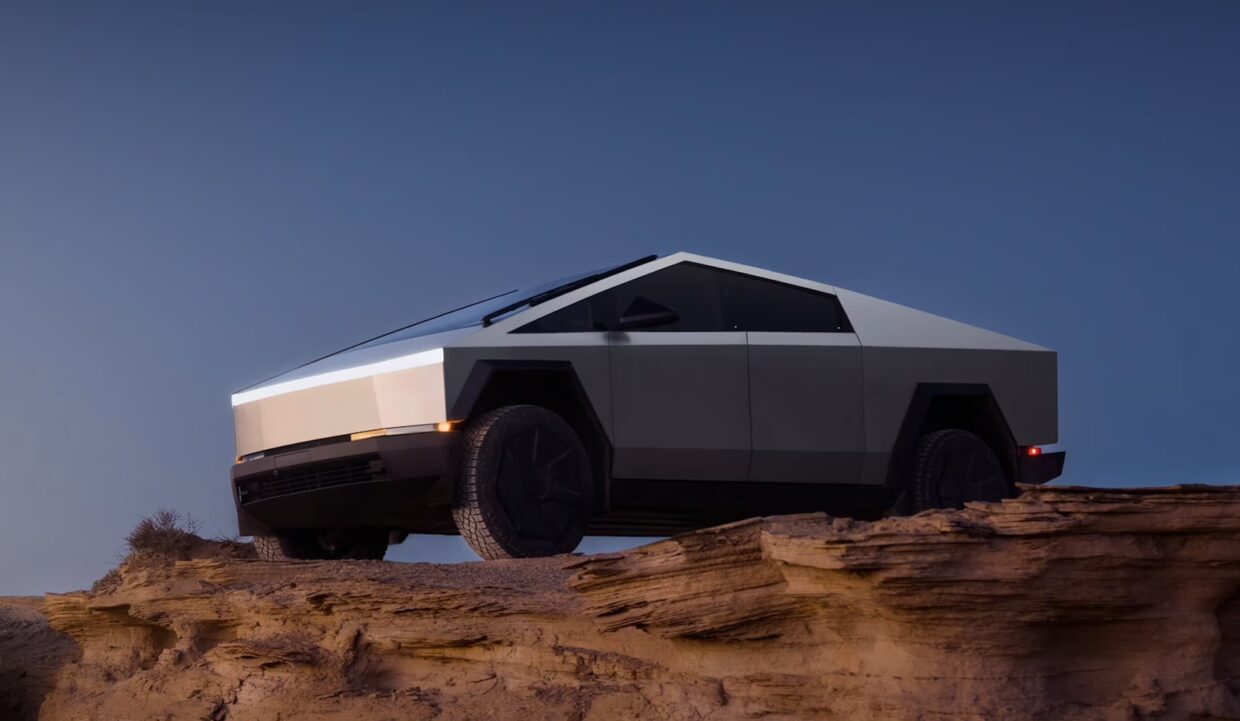
With Elon Musk signaling the end for the Tesla Model S and Tesla Model X, modest sellers at 9,200 and 15,700 units, one has to wonder if the Tesla Cybertruck is next in line. Because 29,000 units isn’t a triumph; it’s a rounding error next to the half-million-a-year dream Musk once floated. At this pace, the payoff horizon stretches uncomfortably far, and Musk has never struck me as a man who enjoys waiting around to be proven wrong.
Meanwhile, the real money sits with the Tesla Model 3 and Tesla Model Y, which together accounted for 97% of Tesla’s volume last year. If you’re chasing scale, and Musk always is, you follow the numbers, not the novelty. So, the question is: does Tesla keep feeding the Cybertruck experiment, or quietly pivot toward AI ambitions like Tesla Optimus and whatever comes next? Because the EV pickup market isn’t just small; it’s shrinking faster than anyone in Austin wants to admit.