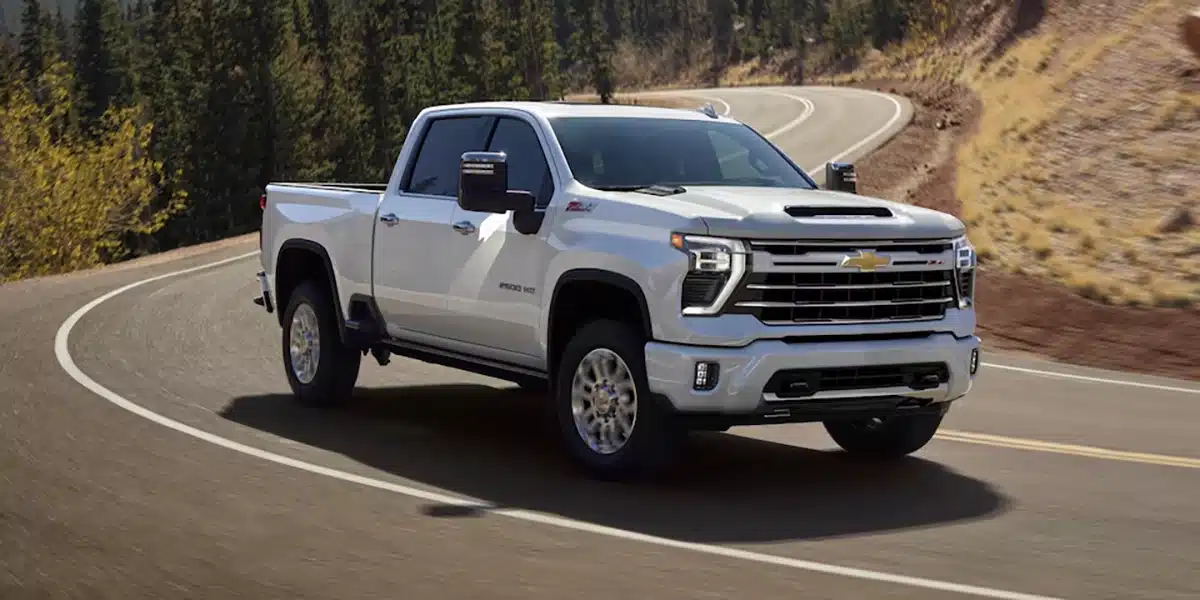
A long running question has been answered with EPA Admin Lee Zeldin making it clear diesel emissions rules will stay and deleted diesels are illegal even after announcing a plan to roll back certain rules.
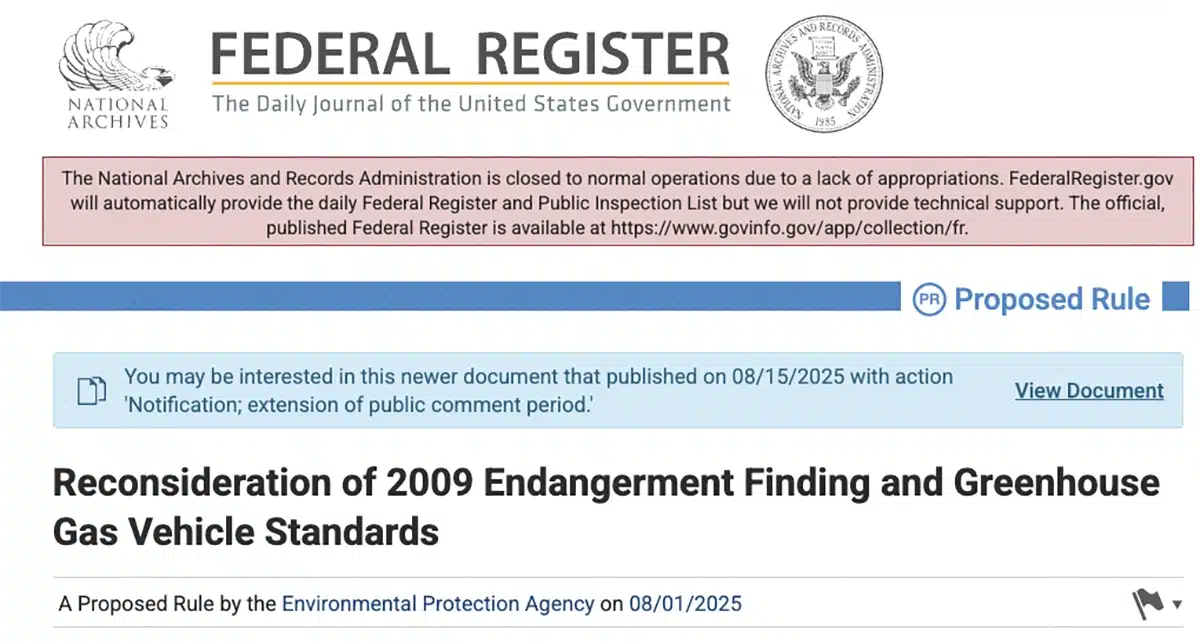
The proposed roll back of the 2009 Endangerment Finding announcement caused quite the stir among diesel fans with Zeldin stating “It won’t be rolling back anything, it will be ELIMINATING EVERYTHING.”
However, that’s not what is actually in the proposed plan.
What did Lee Zeldin make clear?

The proposed roll back is now available for the public to read as in the Public Register. It lays out the arguments for the roll back, the proposed plan on how it will be rolled back, the public hearings for comments and what sections will be altared of the Clean Air Act.
EPA Administrator Lee Zeldin put his name on the document and right below stated the agency plans to amend certain sections of the law.
This is quoted from the document:
“PART 86—CONTROL OF EMISSIONS FROM NEW AND IN-USE HIGHWAY VEHICLES AND ENGINES
§ 86.007-11
Emission standards and supplemental requirements for 2007 and later model year diesel heavy-duty engines and vehicles.
(1) The engines must be of a configuration that is identical to one that is certified under 40 CFR part 1039, and must be certified with a Family Emission Limit for PM of 0.020 g/kW-hr using the same duty cycles that apply under 40 CFR part 1039.”
What does all of this mean?
This language is government speak and means this.
Family Emission Limit (FEL): This is an emissions value chosen by the manufacturer for a specific “engine family”. An engine family is a group of engines with similar characteristics that are certified together. The FEL serves as the emissions standard for all engines within that family for certification and compliance purposes.
PM: This stands for Particulate Matter, which is a key regulated air pollutant. PM consists of tiny solid and liquid particles suspended in the air, which can cause respiratory and other health problems.
0.020 g/kW-hr: This is the specific measurement for the PM emissions.
0.020 g: The mass of particulate matter, in grams.
kW-hr (kilowatt-hour): The unit of work output from the engine.
Meaning: The engine is certified to emit no more than 0.020 grams of particulate matter for every kilowatt-hour of work it produces.
40 CFR part 1039 is the U.S. Environmental Protection Agency (EPA) regulation that sets standards for controlling emissions from new and in-use nonroad compression-ignition (diesel) engines. These engines are found in a wide variety of equipment, including construction machinery, farm tractors, forklifts, and generators.
Diesel Emissions Will Stay, Deleted Diesels Still Illegal
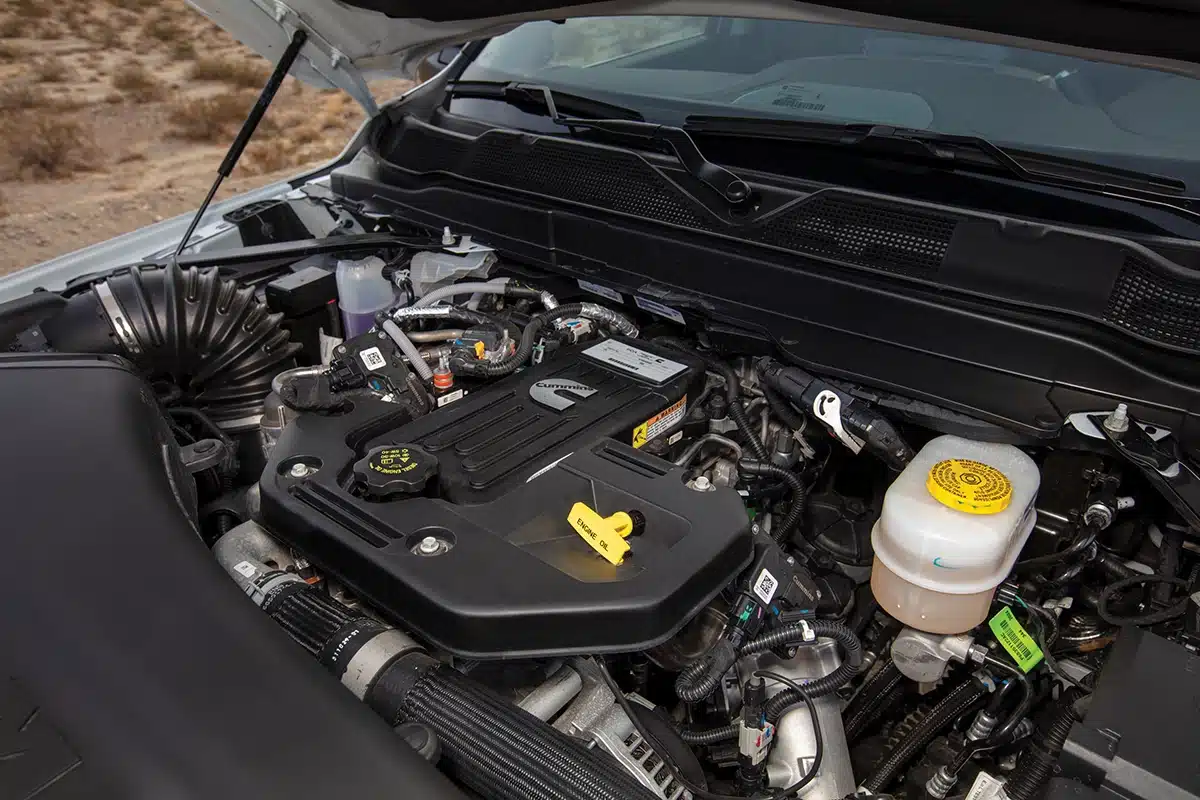
Putting it all together, this translates into a clear statement that the rules aren’t changing for all diesel engines including on-road and those used in that specific section.
Today, diesel truck engines are legally required to produce less than 0.020 g/kW-hr of particulate matter (PM) and will be in the future even if the proposed 2009 Endangerment finding is rolled back.
According to the proposed changes above or non-changes for diesel truck owners, nothing has changed.
If you tamper with a vehicle’s emissions control system, causing it to produce more than 0.020 g/kW-hr of particulate matter (PM) it is a Federal offense that can lead to substantial civil and criminal penalties.
As Diesel influencer Heavy D found out, it isn’t just a criminal matter, but also can be a serious civil matter.
Why delete diesel emissions equipment?
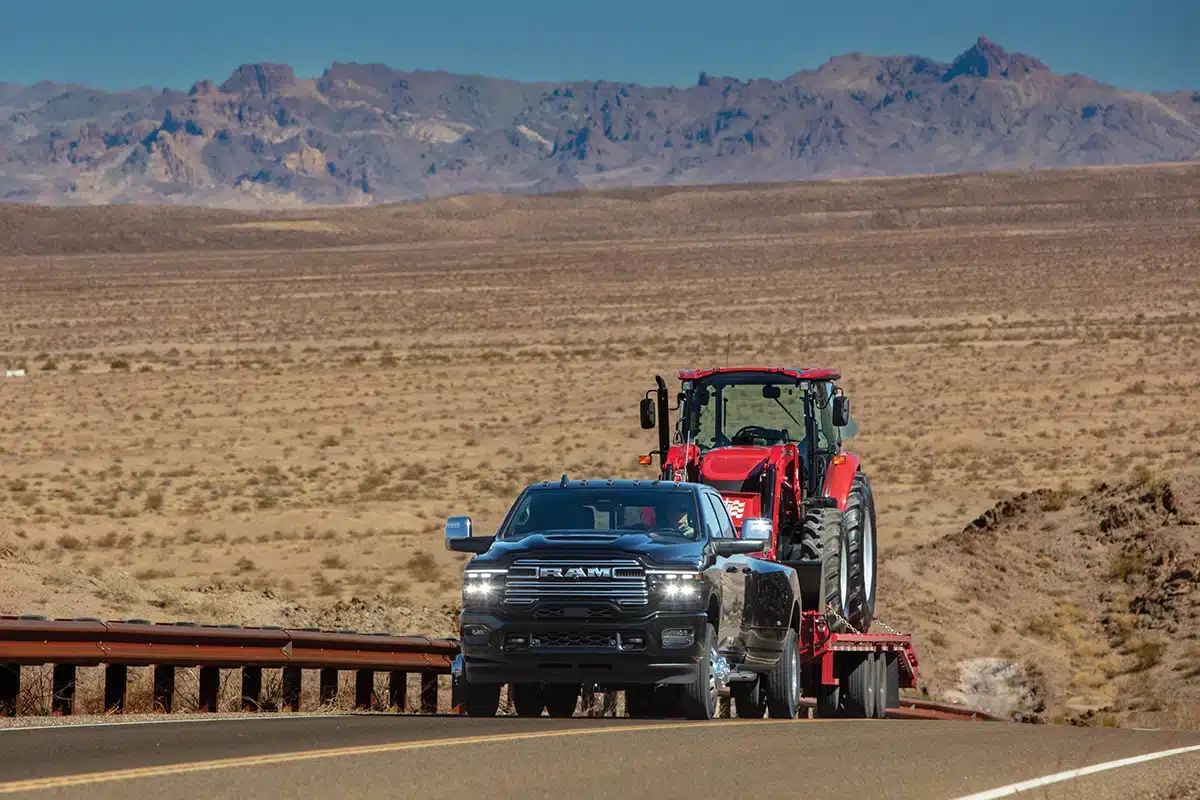
If the diesel emissions equipment reduces the harmful pollutants making air safer for people with health issues and less harmful for the environment, why would owners want to remove aka delete diesel emissions equipment?
The simple answer is many see these systems as reducing the reliability of their diesel engines as well as reducing the performance of the engines in terms of power and fuel economy. For these owners, the truck is their livelihood and the emissions equipment causes them increased costs to operate their trucks as well as can cause increased repair time.
When faced with thousands in repair costs versus removing a part, many diesel truck owners opt to remove the part.
They also argue over the proposed scientific benefits of the emissions equipment and challenge the conclusions the equipment serves any benefit. Plus, if the U.S. Military and first responder vehicles get waivers to not use emissions equipment, why do consumers and commercial business have to use it? It all seems unfair to them.






5 replies
Loading new replies...
Administrator
Well-known member
Administrator
Well-known member
Administrator
Well-known member
Join the full discussion at the Forum Pickuptrucktalk →