
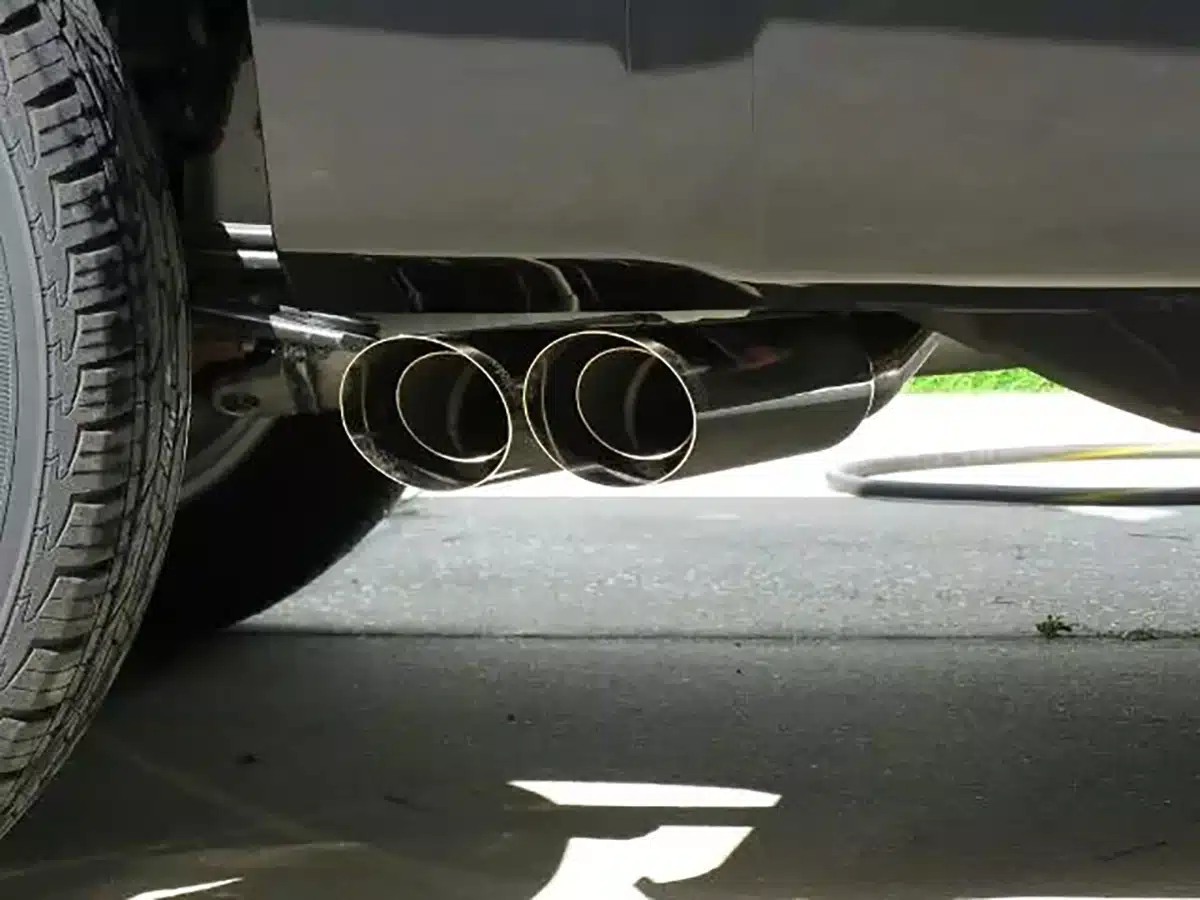
Recent changes at the the Environmental Protection Agency has critics thinking all the emissions rules are gone, however, the 2027-2032 EPA emissions rules are just now starting to take effect. Here’s what they mean and how the EPA looks at light-duty truck reliability.
This information is publicly available on the Federal Register and I interviewed an anonymous source last year who works at a major automaker and the EPA. He asked not to be named due to the nature of his work and would only speak off the record.
Understanding the EPA’s Lifetime Vehicle Calculations
To create its updated emissions models, the EPA collects data from automakers, reliability databases, and long-term consumer studies to determine how long vehicles remain in use. The new estimate of 225,000 miles—up from previous averages around 195,000—represents roughly 14 to 16 years of service life. These figures directly influence how the agency calculates greenhouse gas (GHG) emissions and fuel economy standards.
When developing new rules, the EPA must demonstrate tangible benefits for consumers. That includes factoring in not only cleaner air but also vehicle costs, long-term maintenance, and projected reliability. This holistic approach aims to balance environmental benefits with economic realities for both automakers and buyers.
The EPA can’t simply say it wants cleaner air. It has to calculate how cleaner air creates an economic benefit. For example, the final rule around soot reduction in 2024 said it would “yield up to $46B in net health benefits, save lives, and build healthier communities, while supporting economic growth across America.”
Global Standards and the Push to Reduce CO₂ Emissions
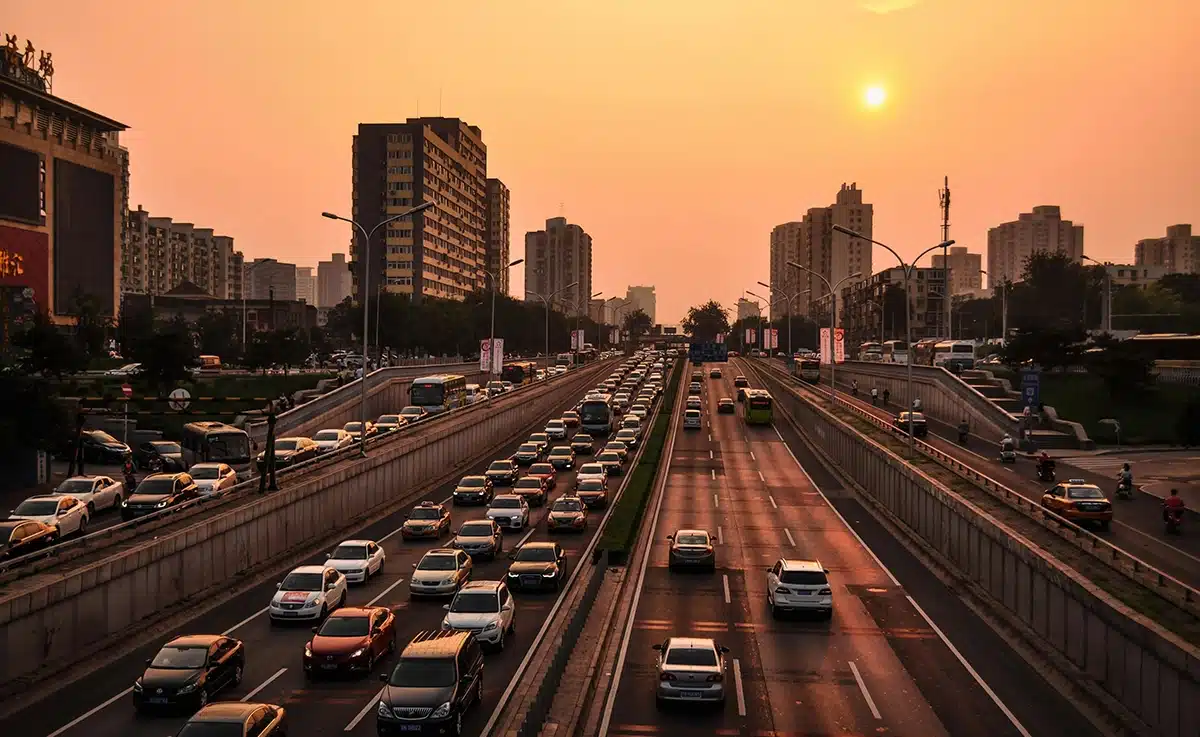
While much of the discussion around emissions focuses on U.S. policies, the bigger picture is international. Europe’s “Euro 6” standards and similar rules in China have pushed for lower carbon dioxide (CO₂) output years ahead of the U.S. These global efforts target CO₂—the naturally occurring gas linked to climate change and rising global temperatures.
Transportation accounts for roughly 35% of U.S. CO₂ emissions and about 28% of total greenhouse gas emissions. That includes all modes of travel—highway vehicles, aviation, marine, and rail. As trucks now represent nearly 70% of new vehicle sales, regulators are increasingly focusing on the pickup and SUV segments to achieve the next round of reductions.
These goals are now under scrutiny after EPA Administrator Lee Zeldin declared his intention to rollback the 2009 Endangerment Finding. And like the 2024 EPA statement above on reducing soot to improve public health, he put a monetary figure on it saying it will save American’s $54 billion if reversed.
How Automakers Are Meeting the Standards
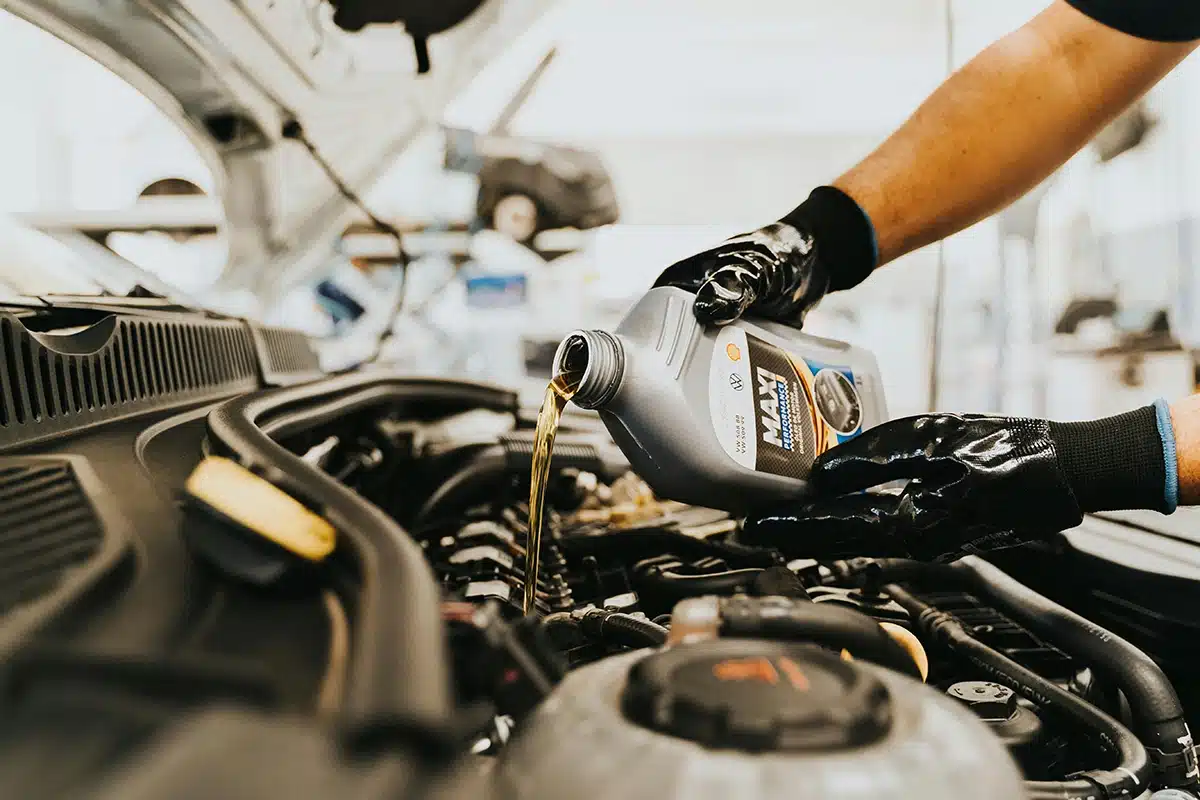
The steady tightening of emissions rules—often referred to in “levels” or “phases”—has dramatically reshaped vehicle engineering. Over the past decade, the industry has shifted from naturally aspirated V8s to turbocharged four- and six-cylinder engines, added multi-speed transmissions and expanded the use of hybrids and plug-in systems and steadily adopted increasingly lighter weight oils.
These changes have resulted in significant efficiency gains. According to the EPA’s Automotive Trends Report, real-world fuel economy has reached a record 26 miles per gallon, while average CO₂ output has dropped to its lowest level ever—337 grams per mile. Despite vehicles becoming larger and more powerful, technology improvements have kept emissions trending downward.
Automakers have taken two main paths to compliance. Companies like GM and Ram continue to refine V8 engines with cylinder deactivation, while Ford and others have downsized to turbocharged V6s that deliver V8-like power with lower emissions. The result is a market increasingly defined by smaller, more efficient engines paired with advanced drivetrains.
The Next Phase: 2027-2032 EPA Emissions Rules aka Level 4

The EPA’s upcoming “Level 4” rules, set to take effect around the 2027–2032 model years, will introduce three key changes.
First, gasoline particulate filters (GPFs)—already used in Europe—will be phased into U.S. vehicles to capture fine particles before they exit the exhaust. They will need lighter-weight oils as well to utilize this equipment. Several automakers have already started adding this equipment and new engines are being designed with this in mind. They differ from diesel particulate filters and are just as effective with a recent National Health Institute test showing a 90-95% reduction in particulate matter from a 2011 Ford F-150 3.5L EcoBoost engine.
Second, catalytic converters may grow in size or change in composition to reduce harmful gases like carbon monoxide and nitrogen oxides.
Third, more sophisticated computer controls will optimize engine operation, particularly in cold starts and real-world driving conditions.
These refinements are designed to reduce “criteria pollutants,” the compounds that contribute to smog and respiratory illnesses. While diesel vehicles have long relied on particulate filters, applying similar technology to gasoline engines represents a significant new step for U.S. automakers.
Costs, Maintenance and the Future of Electrification
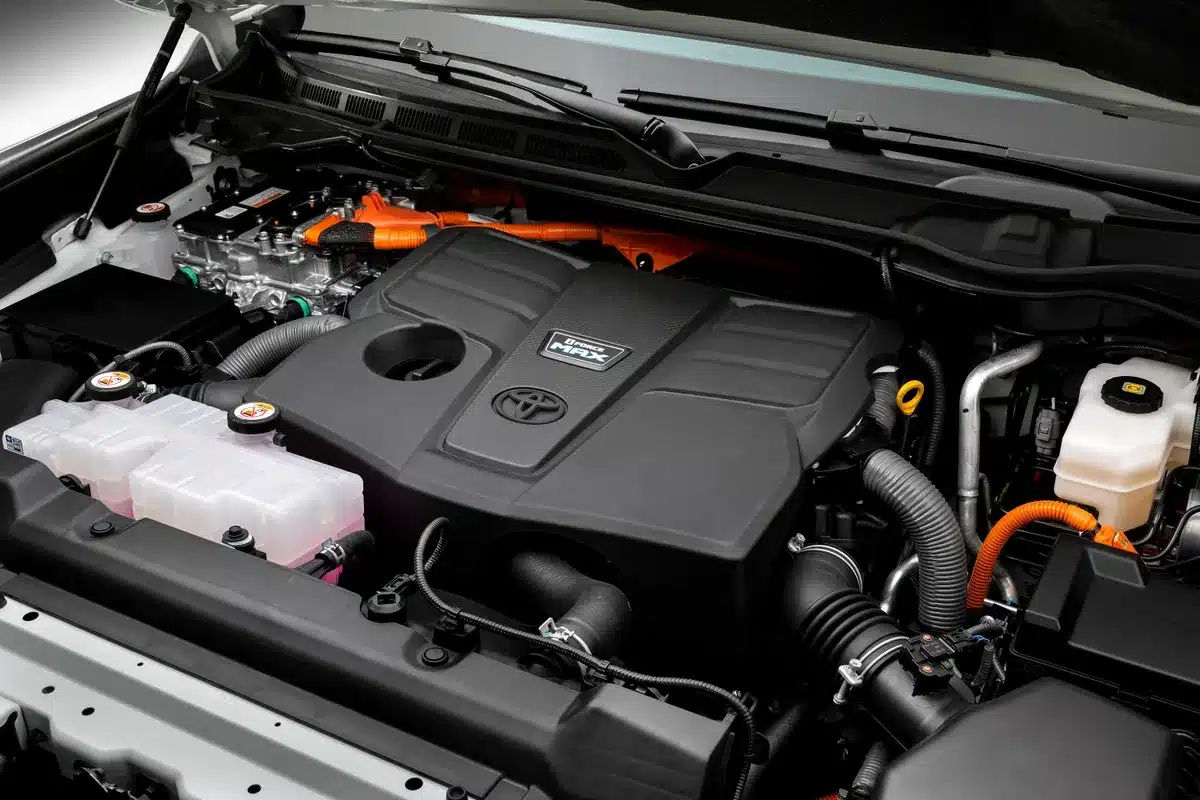
Critics often argue that complex emissions systems will raise maintenance costs, but the EPA’s research suggests otherwise. The agency projects that newer, cleaner vehicles will reduce overall ownership costs—thanks to improved fuel efficiency, lower health-related expenses, and fewer required repairs. Over a vehicle’s lifetime, consumers could save an estimated $6,000 in fuel and maintenance, even as automakers face an average of $1,400 in additional production costs per vehicle.
The EPA also does not expect widespread battery replacement for electric vehicles, countering one of the main concerns about long-term reliability. Meanwhile, internal combustion engines will continue to evolve through partial electrification—such as hybrid and plug-in systems—rather than disappearing altogether.
The takeaway: the future isn’t fully electric, but electrified. Automakers will continue blending combustion and electric technologies to meet emissions goals while maintaining the performance and utility that truck buyers demand.







8 replies
Loading new replies...
Administrator
Moderator
Administrator
Moderator
Well-known member
Moderator
Well-known member
Administrator
Well-known member
Join the full discussion at the Forum Pickuptrucktalk →