
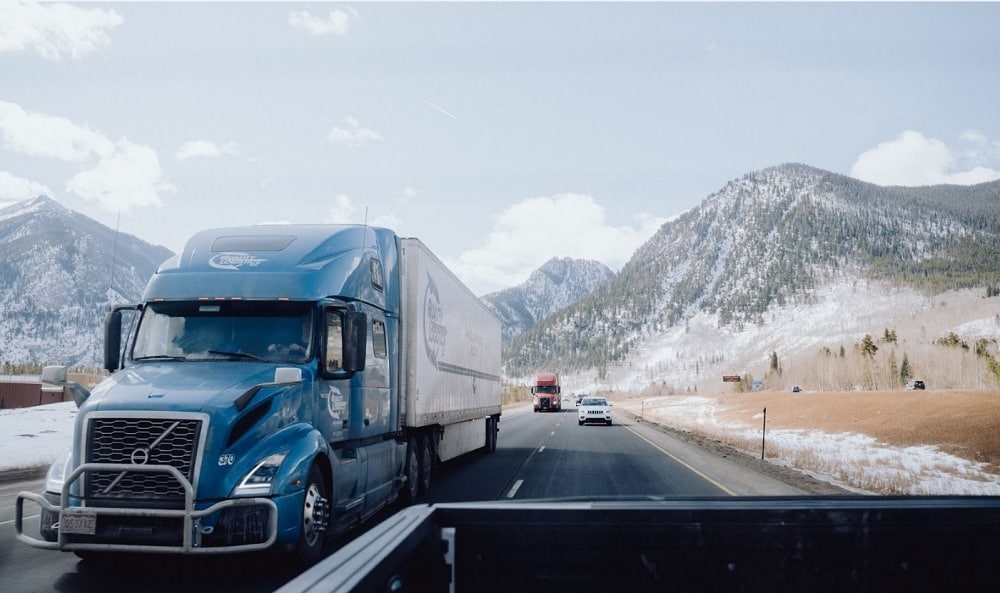
Traveling on a highway loaded with large trucks comes with a lot of tension. Not just due to gridlocks and jerk drivers, but because of the size of the big-rig machines riding right along side of us.
Take 18-wheelers for instance. A Forbes study found that in 2021 alone, more than half a million big rig truck crashes occurred in the US. Of these big rig truck accidents, more than 5000 of them led to a fatality.
However, it is not always the big-rig driver that is to blame. Numerous reasons can lead to a truck crash, and we are here to discuss them so you can be mindful of them the next time you are driving on the highway with a big-rig nearby.
Big rig braking problems
The average empty weight of an 18-wheeler truck is 35,000 pounds. Loaded cargo, its weight can reach upwards of 80,000 pounds. So, if you do the math, a truck with this size and mass traveling over 60mph will need approximately 600 feet to stop, or even longer in wet conditions. This is why it is best to keep a safe distance from a truck or tractor trailer.
Blind spots
There are 4 blind spots on a big rig truck:
- 20 feet in front of the truck’s cab.
- 30 feet behind the truck’s trailer.
- One lane along each side of the truck.
- Immediately under or behind the truck driver’s window.
Please remember to stay out of these zones. Truck drivers usually use the side mirror to change lanes, take a turn, speed up, or safely brake in an emergency. So, if you are outside these zones, the driver can see you, and even if they take an immediate turn you will have enough time to jam the brakes and save yourself.
Unfamiliar routes
When truck drivers are on a new or unfamiliar route, the effort to stay on track can distract operator. As a result, the chances of a collision increase exponentially.
Under pressure
Truck drivers typically receive a schedule from the trucking industry, complete with strict timeframes and deadlines. This includes cargo pickup and delivery, which, if they don’t follow or miss can result in a dock in pay. As a result, truck drivers tend to speed to make up time, which leads to an increased risk of crashes. The pressure of time constraints and delivery deadlines can also prevent the driver from getting enough sleep, which often leads to fatigue, illness, drug or alcohol abuse, and aggressive or harsh driving.
Poor truck maintenance and inadequate training
Federal law requires background checks and the proper training of all CDL drivers. However, since the trucking industry has undergone a hiring fiasco in recent years, and as a result, trucking companies have started to hire inexperienced drivers and/or skipping background checks. To make matters worse, certain trucking companies provide minimal training or no training whatsoever,thus increasing the likelihood of road incidents.
Conclusion
Truck crashes are never a pretty sight. However, there are usually multiple ways we can avoid these unpleasant incidents. So steer clear of a truck’s blind spots, remain cautious, maintain a safe distance, and always wear your seatbelt.








