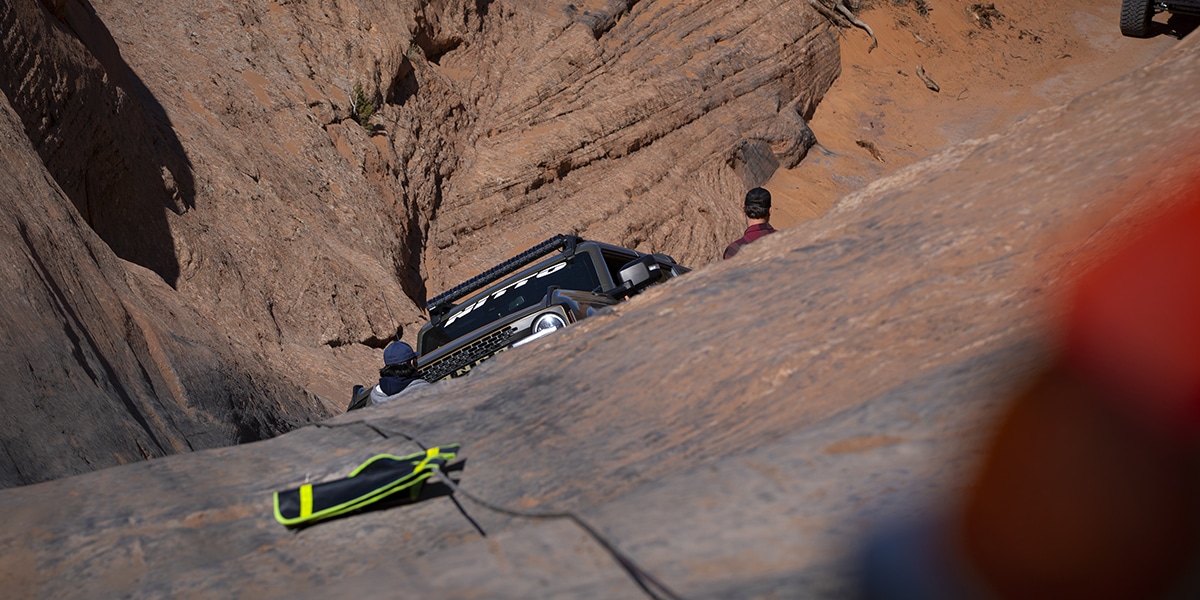
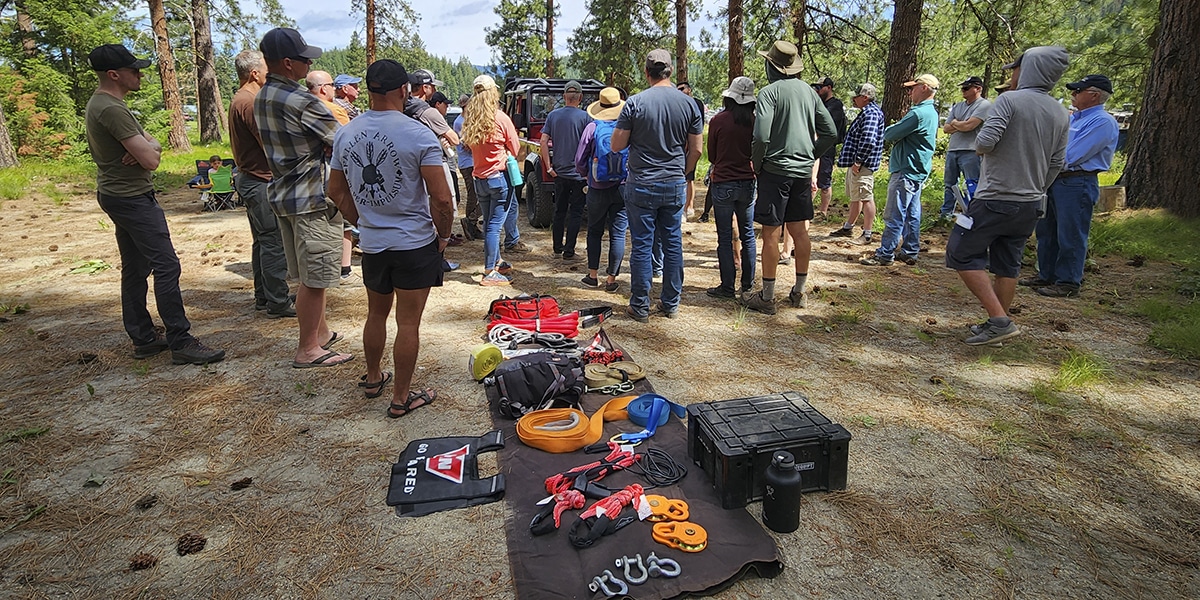
In addition to recovery boards, your electric vehicle winch and heavy-duty winching gloves, investing in high-quality vehicle recovery accessories or a basic recovery kit will help minimize potential failures and set you up for vehicle recovery success.
[Related content: Hunter’s best friend? Hybrid Infinity X1 Lantern is damn good]
Most basic kits include two shackles, a winch snatch block and various recovery straps (like a static tree trunk protector and kinetic recovery strap). Reputable companies like Warn Industries, ARB USA, and Factor 55 sell premium products and offer a variety of recovery accessory kits to choose from.
Buy quality gear
Before you buy any vehicle recovery equipment, make sure each product’s ratings are suitable for your vehicle. Quality products will showcase working load limits and other tested/rated bits of information on each product. Buy the best quality you can afford: The last thing you want is a recovery failure due to owning cheap products (we’ve seen it happen multiple times).
No matter if you purchase rigid metal shackles or synthetic soft ones, they allow for different recovery rigging configurations and are easy to use. If using metal shackles in a vertical fashion, place the metal screw pin into the shackle from the top down (so it won’t get lost after loosening it). Hand tighten until secure, then loosen it a quarter turn back. This allows the pin to be removed much easier after a recovery than that of pliers and frustration.
Snatch blocks, pulleys and recovery rings
Snatch blocks or pulleys can be used to redirect winch lines but can also double a winch’s pulling capacity. Keep in mind this will also half the line speed. For instance, if you have a 10,000-pound winch on your vehicle and you run a line to a recovery point with a snatch block then back to the front of your rig, you’re now able to effectively pull nearly 20,000 pounds. However, you’ll be going to pull at half the line speed and use twice as much rope while doing so since you’re going out to a point and back to the vehicle. If you had 100 feet of rope, you’d have 50 feet to the pulley, and 50 feet back to the vehicle.
There are many types of snatch blocks, pulleys and recovery rings. Although different, they essentially employ the same physics. They are used to dissipate loads across a tensioned winch line and use mechanical advantage to pull more weight than the winch’s capacity when rigged properly. These items can also change the pulling direction of a winch line without damaging it.
Static straps or tree trunk protectors
Tree straps, otherwise known as tree trunk protectors or static straps, are an important piece of gear for the winching process. They can be used to anchor a winch line to a tree trunk or a large boulder before self-recovery if another vehicle isn’t around to be anchored to.
Pro tip: Static straps are much less damaging to trees than chains or wire rope, when used around a tree. Don’t use either latter item as you will likely kill the tree after recovery. Tree straps are also lighter in weight. After placing the strap around the base of a large tree or boulder, connect the strap with a shackle, attach your winch line to the shackle and add a winch-line damper on the winch line before starting recovery.
Tree trunk protectors, or static straps, are non-elastic. They should not be used for vehicle-to-vehicle recovery. The lack of elasticity can damage either rig when using the “rubber band” method to pull your buddy out of the ditch. Ditto that with a chain.
Snatch straps or kinetic straps
Kinetic straps, otherwise known as snatch straps, are meant for vehicle-to-vehicle recovery. These types of ropes act like a rubber band when being used and are manufactured with elasticity.
First, hook one end of the kinetic strap with a shackle to the stuck vehicle’s appropriately rated recovery point. Next, hook the other end to the vehicle doing the extracting, making sure to allow some slack in the rope (using the same method). Last, use the “crawl, walk, run” method. Slowly tug the stuck vehicle out by moving the other vehicle forward with the kinetic rope attached and if the first try doesn’t work to get the vehicle free, back up again until there is slack in the rope and try again. Move forward again, but with a bit more speed to recover the vehicle. But keep in mind you’re not trying to win any races while doing this—most times, a gentle tug is all you need to get a vehicle unstuck. A good thing to remember is: “as slow as necessary.”
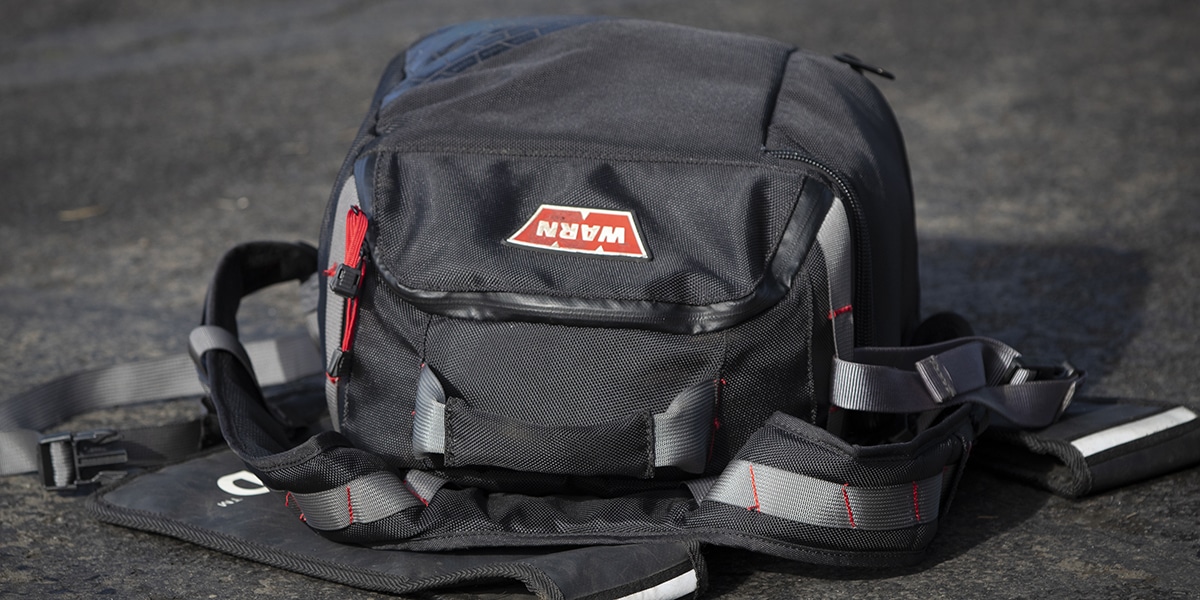
No matter if you buy a robust recovery kit or buy individual pieces and stow them in a heavy-duty bag, don’t forget to take them along with you when you leave for an adventurous day on the trails.
Editor’s note: Photos on this page by Mercedes Lilienthal.