
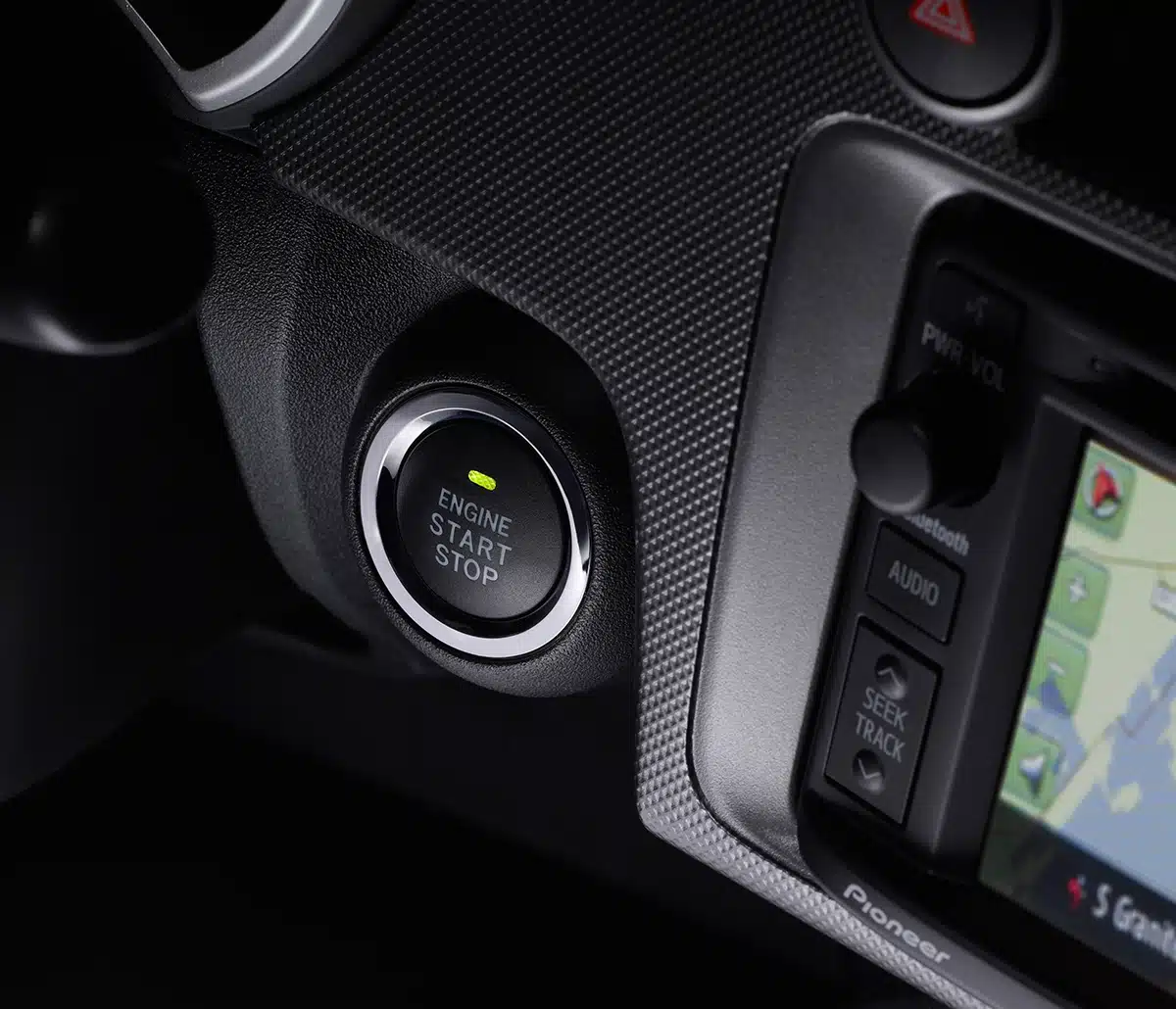
Back in 2021, the internet was a buzz with new legislation calling for kill switches to be implemented in new vehicles by 2026. With 2027 models set to start shipping in a few months, do these new vehicles come with the government mandatory kill switches?
The term kill switch, as we defined it back then, set people off either defending the idea as really just a drunk driving deterrent while others see it as an invasion of privacy leading to all sorts of uses like police stopping vehicles in pursuits, banks stopping vehicles from running after a missed payment and other similar ideas.
As we reported last year, nothing has changed. Here is what we said back then.
What was the kill switch legislation?
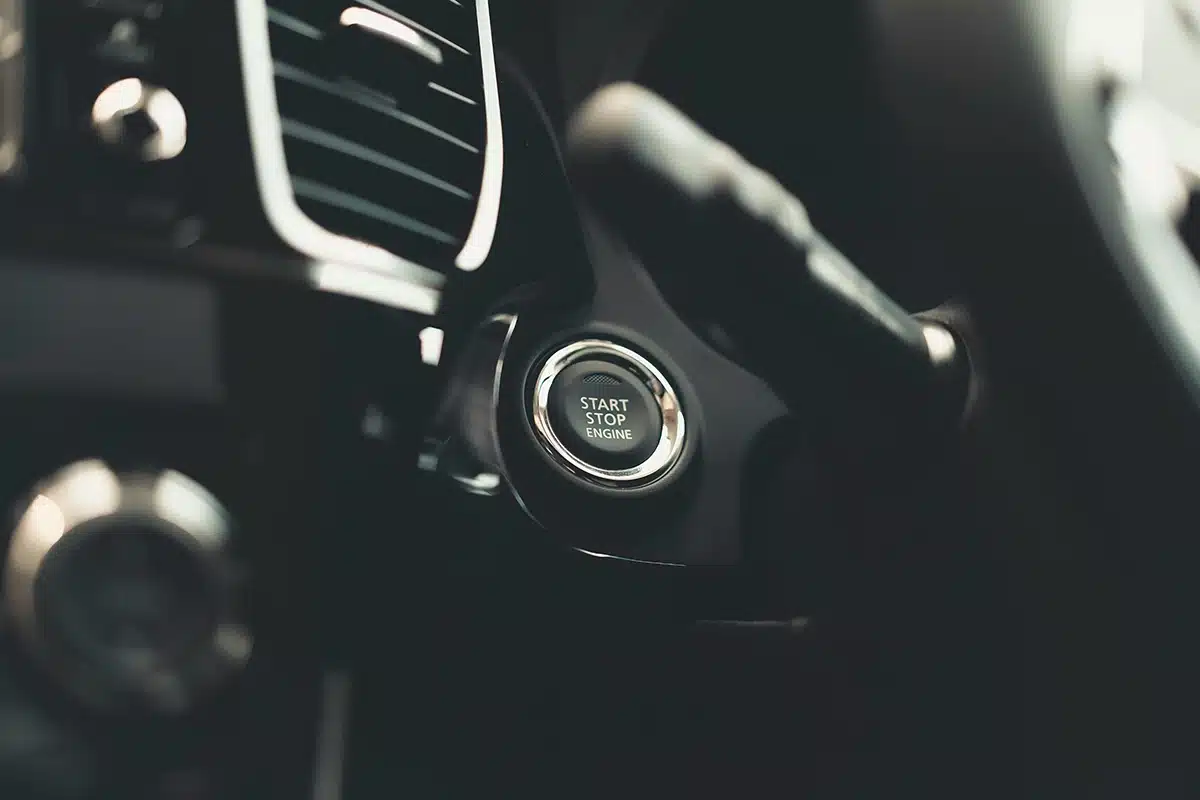
The legislation was part of the larger Infrastructure Investment and Jobs Act, signed into law by President Biden in November 2021. This act includes Section 24220, which mandates that new passenger vehicles be equipped with “advanced drunk and impaired driving prevention technology” as standard equipment.
This provision, often mischaracterized as requiring a “kill switch,” directs the National Highway Traffic Safety Administration (NHTSA) to establish a federal safety standard for technology that can passively monitor a driver’s performance or blood alcohol concentration to prevent or limit vehicle operation if impairment is detected.
The rule does not explicitly require a remote “kill switch” accessible by law enforcement or third parties as stated above. However, critics of the measure pointed out the technology could do that very thing.
NHTSA was directed to finalize a rule using available technology by November 2024 and automakers were to be given two to three years to comply. This means 2026 model year would be the earliest year the so-called “kill switch” would be in a new vehicle.
Is a kill switch now in new vehicles?
The short answer is no.
In the past few years, a few congressmen have tried to defund the act and even overturn the mandate to no avail. Those efforts wouldn’t have mattered.
NHTSA presented a report to congress in December, 2024 stating “while significant advances have been made in impairment detection, alcohol impairment detection systems have not yet been implemented in production vehicles offered for sale to the public that would meet the requirements set forth in Bipartisan Infrastructure Law as well as the Safety Act.”
The agency said it published “two assessments of impairment detection technologies” and one of these assessments included 331 such technologies. All of these commercially available products failed to measure the amount of alcohol or alcohol-based impairment in the driver.
Finally, the report also discussed the concern over false positives as well as safety concerns with stopping a vehicle in traffic causing a potential accident.
“NHTSA also continues to research both consumer acceptance and related human factors
issues surrounding impairment detection and associated countermeasures, recognizing
that if implementation fails to account for these considerations, the American public may
not benefit from these potentially lifesaving technologies.”
What about GM’s OnStar?
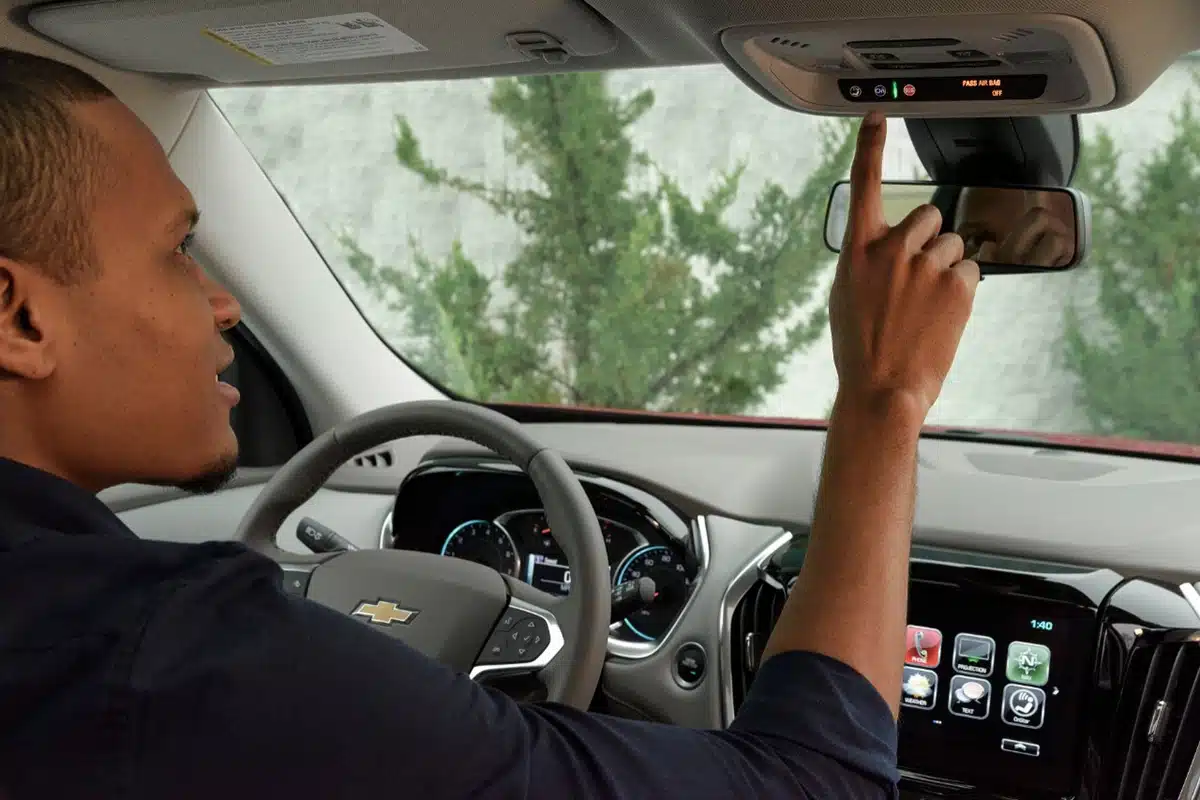
For those who are aware of GM’s OnStar service and similar remote services offered in new vehicles, there are ways to remotely access.
And yes, there have been news reports of police working with GM’s OnStar service to slow-down stolen vehicles.
Here is how it works from OnStar’s documentation:
OnStar Stolen Vehicle Assistance helps recover stolen vehicles using GPS tracking, Remote Ignition Block, and Stolen Vehicle Slowdown, working directly with law enforcement. Victims should first file a police report, then call 1.888.4ONSTAR (1.888.466.7827) to activate tracking. This service requires an active subscription.
In this specific case, it isn’t a government kill switch, rather it is a service provided by the automaker that a customer has to pay for and they have to give permission to law enforcement to use. The police then work directly with GM’s OnStar team to slow the stolen vehicle to idle or disable the ignition.
Could it happen?
The well-intentioned legislation to reduce drunk driving deaths sounds good on paper, it just isn’t technologically feasible. People are often mistaken in the belief automotive technology is actually much further along than it is in reality.
Look just because you can pay for your Starbucks coffee from your phone doesn’t mean a vehicle can detect if you are drunk.
It is hard to see NHTSA developing a final rule for using this technology and automakers adopting this technology in the foreseeable future that doesn’t cause false positives, answers privacy concerns and is actually effective 100% of the time. It just plain doesn’t work and unless something drastically changes, it never will. Period.
But, hey, if you want to keep spreading fear over it, be our guest.








2 replies
Loading new replies...
Administrator
Well-known member
Well-known member
Join the full discussion at the Forum Pickuptrucktalk →