
Recent social media is filled with talk about a “kill switch” being installed in all new vehicles by 2026 to prevent impaired driving. People claim this so-called kill switch will do everything from control the population to insert government controls in vehicles and increase the need for DUI insurance. There have been references to the George Orwell book 1984 and false positives that would disable a car for swerving to miss a pothole.
[Related content: Talkin’ Trucks: Why not buy a Chevy Colorado? Kill switch controversy]
So, is the kill switch real? And what in the heck does this mean for new cars after 2026?
What is a kill switch?
Let’s start with a definition. The dictionary defines the kill switch as “a mechanism for switching off a machine abruptly, especially in an emergency” or “a computer function for disabling software or a device remotely.” So, presumably, as people are using “kill switch” in relation to new vehicles, the idea is that some remote entity – like the police or vehicle manufacturer – could just abruptly turn off your vehicle while you’re driving 70 MPH on the highway.
Is the kill switch real?
The fact is the Infrastructure Investment and Jobs Act, or the Bipartisan Infrastructure Law, which was signed into law in November 2021, directs the National Highway Traffic Safety Administration (NHTSA) to issue a final rule that requires new passenger vehicles to have “advanced drunk and impaired driving prevention technology.”
We spent a few hours poring over the 98-page “Advance Notice of Proposed Rulemaking” issued by the NHTSA on December 12, 2023, and we still don’t have a clear answer on what that entails – and we don’t think the NHTSA does either. But the key word is “prevention” – as in stopping the impaired driving before it happens.
What the document does is ask for public feedback as well as detail some of the options available to implement such technology.
If not a kill switch, what will be in new cars?
The short answer today is: We don’t know. And the NHTSA doesn’t either.
According to the document, the law calls for “technology that can passively and accurately monitor driver performance to detect impairment or passively and accurately measure driver blood alcohol concentration (BAC) (or both in combination) and prevent or limit vehicle operation if impairment is detected.”
And by passively, that means without direct action performed by the vehicle occupants. Which essentially seems to rule out a breathalyzer.
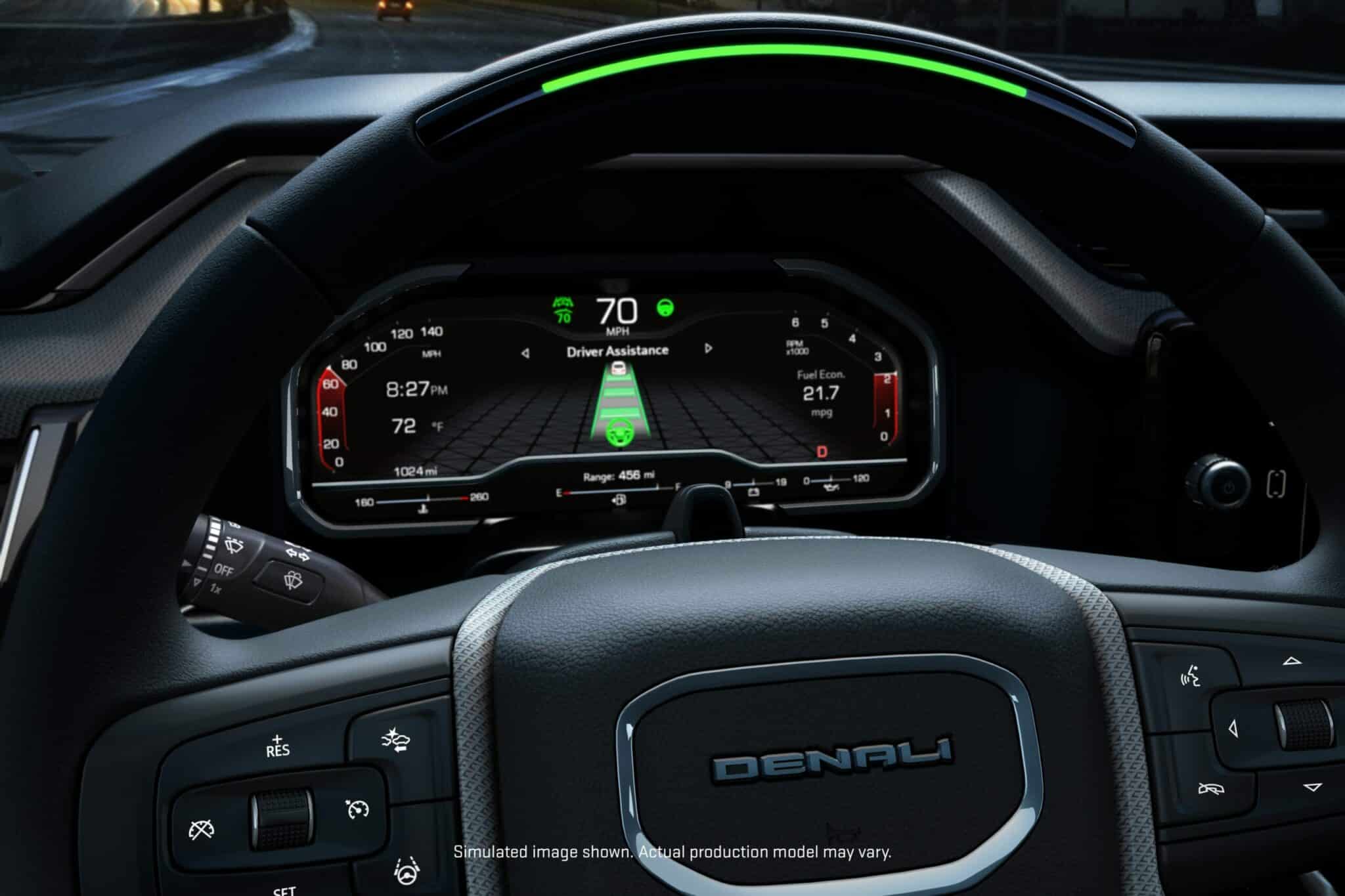
Many current new vehicles on the market have eye trackers, facial recognition, steering wheel sensors and cameras to help prevent distracted driving. And those current technologies often issue an audible or visual alarm if it detects distraction. Some vehicles will even put on hazard lights and bring the vehicle to a complete stop if it doesn’t get driver engagement after the alarms are issued.
So, we anticipate whatever the NHTSA eventually recommends will involve technology that already exists and is available, but how it will be implemented is TBD.
Key take aways
There will be something installed in all new vehicles beginning in 2026 that will try to prevent impaired driving. NHTSA currently defines impaired as drunk, distracted or drowsy. So, it’ll likely involve eye tracking more than whether you swerve to avoid a pothole. It will also likely include visible and audible alerts encouraging driver action, and if ignored some sort of vehicle deactivation will take place.
The NHTSA is currently formulating a plan, and as a part of the processes, the agency has opened a 60-day period for public feedback. If you feel strongly about this topic, you can submit your comments, using the docket number NHTSA-2022-0079 via the following methods:
- Federal eRulemaking Portal: Go to https://www.regulations.gov. Follow the online instructions for submitting comments.
- Mail: Docket Management Facility: S. Department of Transportation, 1200 New Jersey Avenue SE, West Building Ground Floor, Room W12-140, Washington, DC 20590-0001.
- Hand Delivery or Courier: 1200 New Jersey Avenue SE, West Building Ground Floor, Room W12-140, between 9 a.m. and 5 p.m. ET, Monday through Friday, except Federal holidays.
- Fax: 202-493-2251.
The bottom line
Something is coming to prevent impaired driving, and it will be standard in all vehicles starting in the 2026 model year. While that tech is still TBD, it his highly unlikely that it will involve a kill switch in the true sense of the word – in other words, the police aren’t going to be following you with a remote control that kills your vehicle.
But if you’re concerned about this technology and you want to give input and feedback, you are being empowered to do so for 60 days after the publication in the Federal Register – which presumably would be until early February.
For those who are worried about privacy, if you carry a modern cell phone, that ship likely sailed for you a long time ago.








