
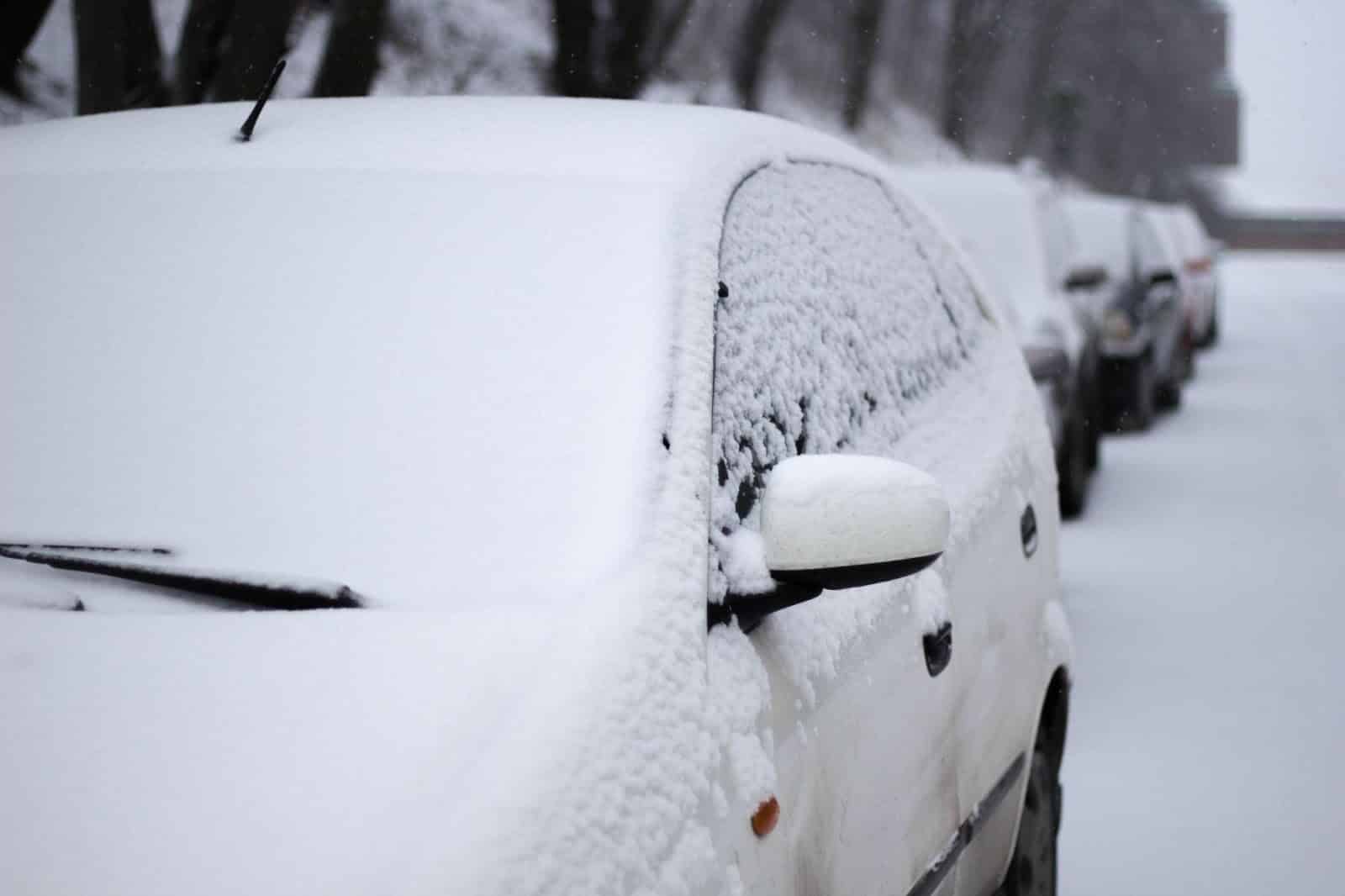
The effect of weather on auto glass often starts with flaws you barely notice. A tiny stone chip, a pit from road grit, or a nick at the edge becomes the weak point where stress concentrates.
Windshields are also important in the overall vehicle structural integrity, particularly during collisions and rollovers. When damage forms in high-stress areas, that role can be compromised faster than many drivers expect.
Heat And Sudden Cooling
During heatwaves, the glass and the metal frame expand at different rates. Temperature changes cause materials to expand and contract at different rates, which increases internal stress when cooling happens too quickly.
That stress often appears after rapid temperature shifts. Cold cabin air aimed at a sun-baked windshield, a sudden summer storm, or chilled water used to rinse the glass can create sharp gradients across the surface. If a chip already exists, that shift can turn it into a spreading crack in minutes, which is often when you need to decide to fix your windshield before the damage travels further.
Cold, Brittleness, And Vibration
In cold weather, glass becomes more brittle and less forgiving. The pane contracts, tension builds around existing damage, and even small impacts carry more force.
The temperature effect on auto glass can feel abrupt. A chip that looks unchanged in the morning can stretch by nightfall. Road vibration adds energy to the process. Rough winter pavement, potholes, and uneven surfaces push stress through the glass and speed up crack growth. In severe cases, temperature changes can cause windshields to shatter when damaged areas meet sudden heat.
Freeze-Thaw Cycles And Hidden Water
Freeze-thaw cycles are especially hard on windshields. Water seeps into small chips through capillary action. When it freezes, it expands and pushes outward against the glass.
Each thaw allows more moisture inside. Over time, the fracture widens and collects road salt and debris. That contamination weakens future repair attempts and increases the chance of long cracks forming during the next cold snap.
Hail, Wind, And Debris Hits
Severe weather introduces a direct impact. Hailstones strike with enough force to leave star breaks or bullseyes in laminated windshields. Tempered side glass is even more vulnerable and may shatter outright.
High winds also carry grit and debris. Repeated abrasion creates pitting that scatters light and reduces clarity. According to the National Highway Traffic Safety Administration, windshield damage can interfere with driver visibility, particularly in low-light conditions, which raises crash risk. That same surface damage also creates new microdefects that can become crack starters during later temperature swings.
What Automotive Glass Is Built To Do
Most windshields use laminated construction. Two layers of glass surround a polymer interlayer that holds the sheet together after fracture. Side and rear windows are usually tempered, strengthened through heating and rapid cooling, then designed to break into small, blunt pieces when they fail.
These designs respond differently to the weather. Laminated glass may crack while staying intact, which allows for repairs in many cases. Tempered glass tends to fail all at once. Repair options follow those differences closely.
Seals, UV, And Bond Strength
Weather affects more than the glass itself. Heat and humidity age the adhesive that bonds the windshield to the frame. UV exposure can degrade polymer layers at the edges, leading to clouding and reduced bond strength over time.
As adhesives weaken, the windshield becomes less effective as a structural component. That makes early damage more significant than it appears on the surface.
Quick Weather Triggers To Watch
- AC on high aimed at a heat-soaked windshield
- Defroster on max right after a deep freeze
- Hot water used to melt ice
- Tailgating gravel trucks in strong wind
- Leaving chips exposed through wet freezing nights
Weather Risk Table
| Weather Condition | Glass Response | Common Outcome |
| Heat followed by cold air | Uneven expansion and edge stress | Chip growth or edge crack |
| Overnight deep freeze | Contraction raises tension | Longer crack by morning |
| Repeated freeze-thaw | Ice expansion inside damage | Widening contaminated fracture |
| Hailstorm | High velocity impact | Star break or shattered glass |
| Wind with airborne grit | Surface abrasion | Glare and future crack risk |
ADAS Cameras And Optical Clarity
Many newer vehicles rely on cameras mounted behind the windshield for lane keeping and automatic braking. A crack crossing the camera’s field of view can distort images, and even small changes in mounting angle can affect accuracy.
That sensitivity explains why shops often include ADAS calibration after windshield replacement. Optical clarity and camera alignment both matter, especially when the glass is part of active safety systems.
Repair Or Replace Based On The Details
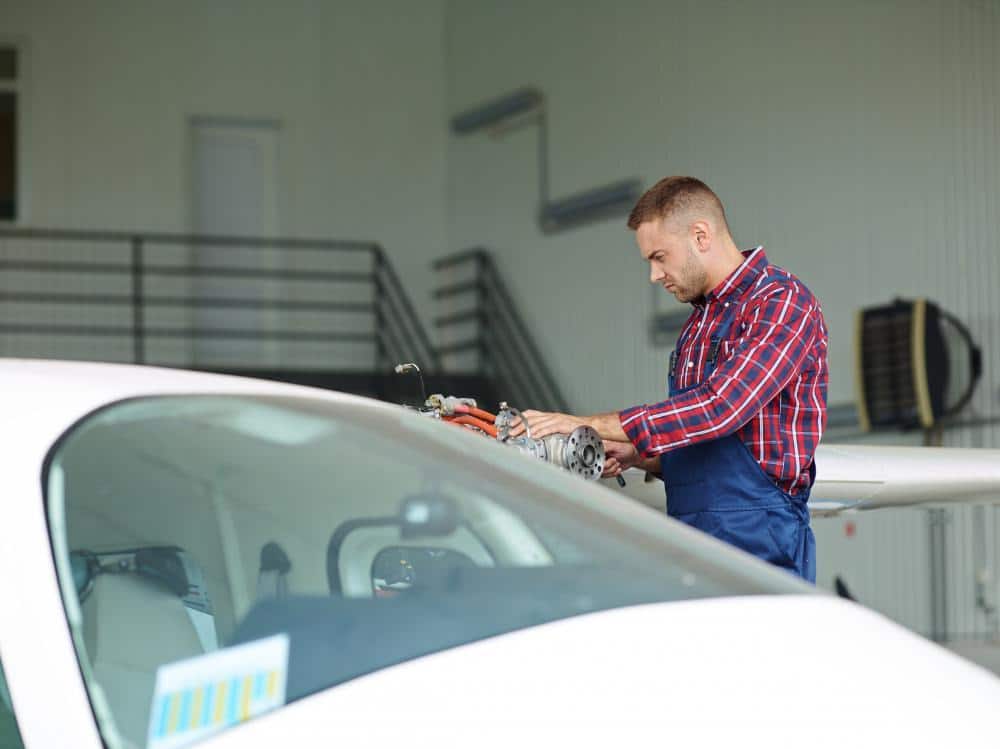
Damage location often determines the next step. Small, clean chips away from the perimeter usually respond well to resin repair when addressed early.
Edge damage spreads faster because those areas carry higher stress. Long cracks can weaken retention at the bond line, and moisture or salt contamination reduces repair success.
Important Reminder: Addressing damage before another heatwave or cold front can prevent a minor flaw from becoming a full replacement.
Habits That Reduce Weather Stress
- Park in shaded areas during extreme heat
- Warm or cool the cabin gradually
- Replace worn wiper blades before they scratch dry glass
- Use a windshield cover during ice storms
- Rinse salt residue to prevent abrasive buildup
- Leave extra space behind plows and gravel trucks
Where Windshields Are Going Next
Windshields continue to evolve. Acoustic layers, UV filtering, embedded antennas, and tighter optical tolerances are now common. Some designs integrate displays and sensors directly into the glass.
That evolution in windshield technology raises the stakes for proper installation and material matching. Extreme weather still finds the same vulnerabilities. It works on existing damage with heat, cold, and moisture until failure occurs.
Final Thoughts
The weather can affect your car windshield quickly when small defects meet repeated stress. Addressing damage early and avoiding sharp temperature shocks can extend the life of the glass. For more vehicle-focused reads, explore our blog.