
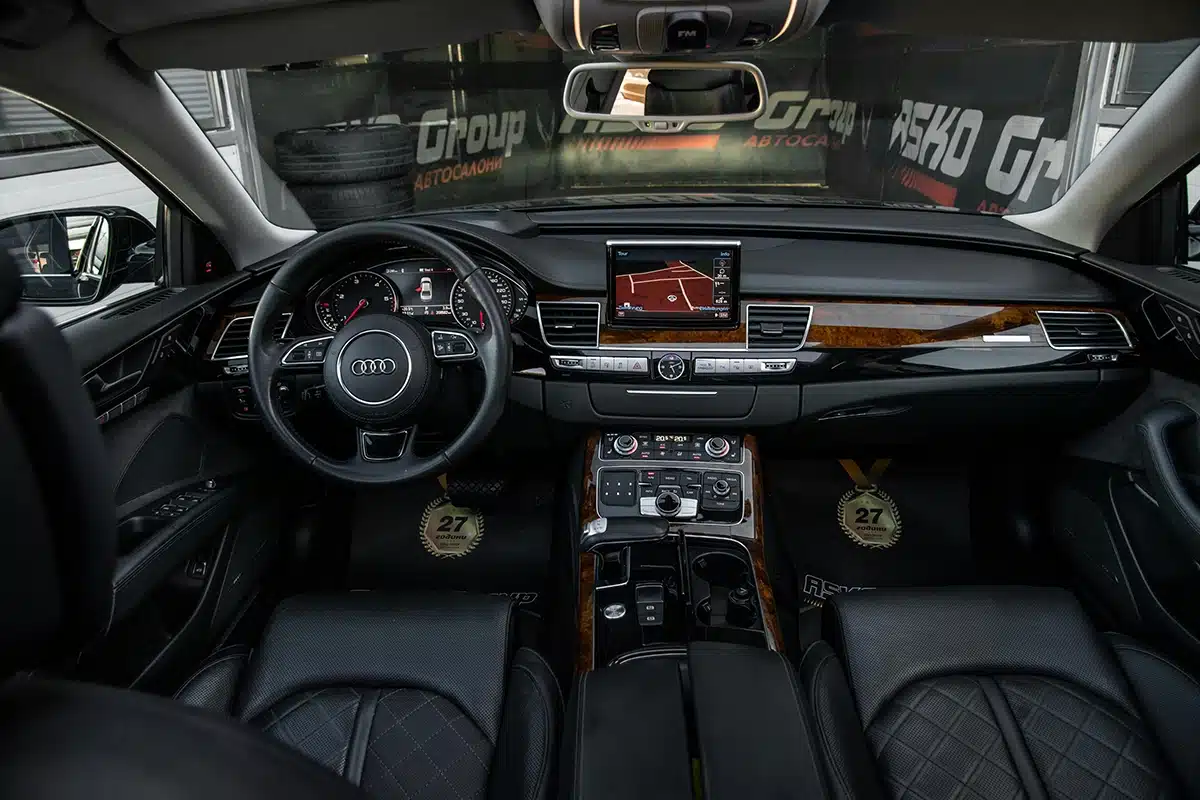
Autonomous vehicle technology is changing the way vehicles are designed. For pickup trucks, Advanced Driver Assistance Systems (ADAS) have brought new features that rely on modern windshield designs. These windshields are no longer just barriers but advanced components that support ADAS functionality. This blog explores how auto glass innovations are shaping ADAS functionality and why proper calibration after windshield replacement is necessary.
The Role of Auto Glass in ADAS for Pickup Trucks
Windshields are important for ADAS-equipped vehicles, especially in pickup trucks. They house cameras, sensors, and other components that support features like lane-keeping assistance and collision warnings.
Windshield Quality and Camera Functionality
The optical quality of windshields affects forward-facing ADAS cameras. High-resolution, distortion-free glass improves object detection and lane tracking. As autonomous vehicle technology continues to evolve, precise glass engineering ensures these systems perform accurately.
ADAS Placement and Safety Enhancement
Windshields allow the placement of components such as cameras and head-up displays (HUDs). HUDs project important information, such as collision warnings and navigation data, into the driver’s line of sight. Drivers react faster when they do not need to look away from the road.
Weather and Visibility Challenges
Modern windshields address problems caused by bad weather. Features like automatic defrosters and rain-resistant coatings reduce distortion from rain, frost, or fog. These windshield features help ADAS cameras and sensors work reliably in different weather conditions.
Innovative Windshield Features Supporting ADAS
Windshield technology has advanced to support the needs of ADAS in pickup trucks and self-driving trucks. These features improve safety and functionality.
Optical Quality for ADAS Cameras
Windshields with high optical quality reduce image distortion. This is important for ADAS tasks like detecting objects and staying in lanes. Laminated safety glass also improves how machine vision systems classify objects.
Head-Up Displays (HUDs)
HUDs project navigation prompts, collision alerts, and other data directly onto the windshield. Drivers can view this information without taking their eyes off the road. This reduces distractions and improves awareness.
Dynamic Glare and Light Management
Dynamic sunshade systems detect glare and adjust windshield opacity automatically. Cameras monitor lighting, allowing the windshield to adapt to bright or dim conditions. This advancement in windshield technology maintains visibility and comfort for drivers.
Heated and Weather-Resistant Glass
Windshield features like heated panels and hydrophobic coatings improve visibility in extreme weather. Defrosters clear frost, while coatings prevent rain from distorting camera views. These features help maintain ADAS performance during tough conditions.
Smart Glass Technology
Smart windshields use variable tint and augmented reality overlays. These features improve the driver’s experience and make ADAS systems easier to use.
The Importance of ADAS Calibration After Windshield Replacement
Replacing a windshield in an ADAS-equipped pickup truck is not a simple swap. The windshield houses critical components like cameras and sensors that require precise alignment to function effectively. Proper calibration after replacement is essential for these systems to perform as intended, ensuring both safety and functionality. Taking the time to plan and focus on organising ADAS calibration helps guarantee that these features continue to operate with accuracy and reliability.
To better understand the importance, the table below outlines specific reasons and consequences of skipping calibration:
Aspect |
Explanation |
Impact of Skipping Calibration |
| Sensor and Camera Alignment | ADAS cameras and sensors must be positioned accurately to capture clear and correct data. | Misalignment can cause inaccurate readings, leading to malfunctioning features like collision alerts and lane-keeping assistance. |
| System Performance | ADAS systems rely on calibrated data to identify objects, road markings, and traffic signs. | Faulty calibration can result in incorrect detection, such as missing obstacles or misreading speed limits. |
| Driver and Passenger Safety | Proper calibration ensures the system responds promptly to hazards and provides timely warnings. | Safety features like emergency braking may fail, increasing the risk of accidents. |
| Compliance with Regulations | Many regions require ADAS systems to meet specific safety standards. | Non-compliance may result in fines or failure to meet inspection requirements. |
| Insurance Requirements | Insurers may mandate calibration to validate claims involving ADAS-equipped vehicles. | Improper calibration could lead to disputes or denial of insurance claims. |
| Technology Integration | Modern ADAS features, such as adaptive cruise control and pedestrian detection, rely on seamless operation. | Inaccurate integration disrupts the functionality of advanced systems, reducing the vehicle’s overall performance. |
Choosing a Qualified Service Provider
Proper calibration after windshield replacement is a technical process, particularly for vehicles equipped with Advanced Driver Assistance Systems (ADAS). Professional auto glass care plays a critical role in maintaining system accuracy and safety. A qualified service provider should meet these essential requirements:
- Certified Technicians: Trained professionals with expertise in auto glass repair and ADAS calibration understand the technical requirements and are familiar with auto glass innovations.
- OEM Standards: Providers must adhere to the original manufacturer’s guidelines for windshield replacement and calibration to maintain the safety of your vehicle.
- Advanced Tools: Modern equipment specifically designed for ADAS calibration is a fundamental requirement for precise adjustments.
Proper auto glass repair and calibration not only restore the structural integrity of the vehicle but also support the optimal operation of ADAS features like lane-keeping assistance and collision detection systems.
The Future of Auto Glass in Pickup Trucks
As autonomous vehicle technology advances, windshield designs will continue to evolve. Future auto glass innovations may include:
- Transparent Displays: These windshields could act as interactive screens, showing real-time navigation and augmented reality overlays.
- Self-Healing Glass: Materials that fix minor cracks on their own would reduce the need for repairs and replacements.
- Enhanced Sensors: Improved sensors embedded in glass could better detect environmental changes like glare or fog.
These features will make pickup trucks safer and smarter on all types of roads.
Final Thoughts
Modern windshields are integral to ADAS (Advanced Driver Assistance Systems), enhancing safety, visibility, and seamless interaction with advanced technology. However, replacing a windshield without proper calibration can compromise ADAS functionality, making it crucial to rely on skilled technicians for this specialized service.
The future of windshield design holds exciting advancements, equipping pickup truck drivers with even greater tools for safer, more efficient driving. Stay ahead of the curve—learn more about windshield and ADAS innovations at Pickup Truck Talk.