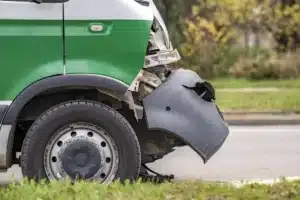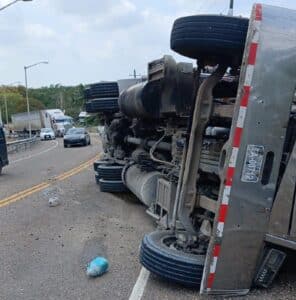

A pickup rear-ends a sedan at a red light. The sedan’s crushed. The truck barely got a scratch. Insurance should cover it, right?
Wrong. Three weeks later, the truck driver gets slapped with a lawsuit. Medical bills. Lost wages. The whole deal. This plays out more often than you’d think.
Driving a truck or SUV puts you in a different risk category. Your vehicle weighs way more than a sedan. That weight difference? It changes everything when accidents happen.
Why Size Matters in Legal Disputes
Full-size pickups can tip the scales at 6,000 pounds or more. Your average sedan weighs half that. Do the math on what happens in a collision.
The heavier vehicle wins the physical battle but often loses the legal one. Courts look at these accidents differently. Juries think bigger vehicle means bigger responsibility. Fair or not, that’s how it works.
Insurance adjusters know this pattern inside and out. They push harder for settlements when trucks are involved. Property damage claims pile up faster too. Back your truck into a storefront and watch the repair bills multiply. A compact car doing the same thing causes way less destruction.
Legal professionals like those at https://attwoodmarshall.com.au/ see these cases constantly. The liability exposure for truck owners runs higher across the board. Understanding that reality helps you protect yourself properly.
Legal Problems Truck Owners Actually Face
Real-world legal issues hit truck and SUV owners hard. Most drivers never see them coming until papers get served.
Multi-vehicle pileups get messy fast. Everyone points fingers at the biggest vehicle on scene. Police reports don’t always tell the full story. You might not have caused it but good luck proving that later.
Hauling stuff for your side business? That’s another minefield. Say you’re moving furniture or construction materials on weekends. A loose board flies off and smashes someone’s windshield. Your regular insurance might not cover business use at all. Now you’re personally liable for everything.
Parking lots are where trucks shine at causing problems. Tight spaces. Limited visibility. You scrape another car backing out. Security cameras catch everything these days. That footage shows up weeks later and suddenly you’re on the hook.
Then there’s the off-road stuff. Taking your SUV onto someone’s land without permission can trigger lawsuits. Landowners claim environmental damage and want restoration costs. Those bills get crazy fast. According to the National Highway Traffic Safety Administration, larger vehicles consistently generate higher accident costs across all categories.
Insurance Coverage Falls Short
State minimum coverage sounds fine until you actually need it. Medical bills from one accident can hit six figures easy. Property damage adds up quick. Suddenly that minimum coverage looks pretty thin.
Most truck owners don’t carry enough insurance. Period. Your personal savings become fair game when claim costs exceed your limits. House. Retirement accounts. Future wages. All vulnerable.
Umbrella policies exist for exactly this reason. They kick in when your regular coverage runs out. Without one, you’re gambling with everything you own.
Insurance companies also dig deeper into truck claims. They want to know if you used your vehicle for business. They check maintenance records. They look for modifications that affect safety. Find something they don’t like? Claim denied. You pay everything out of pocket.
Financed trucks create another headache. These vehicles lose value fast despite costing a fortune. Total your truck and insurance pays current market value. That’s usually less than you still owe the bank. Now you’re making payments on a pile of scrap metal while facing liability claims.
Steps To Take Right After an Accident
What you do in those first minutes decides how everything plays out later. Call the cops immediately. Even for fender benders. No police report means no official record. Good luck with your claim then.
Pull out your phone and document everything. Every vehicle. Every scrape. Road conditions. Visible injuries. Get names and numbers from anyone who saw what happened. Witnesses disappear fast.
Keep your mouth shut around other drivers. Don’t say sorry. Don’t admit anything. Just exchange insurance info and answer police questions. That’s it. Casual conversation can wreck your case later.
Your insurance company needs to hear from you within 24 hours. Most policies actually require quick reporting. Wait too long and they might deny coverage entirely. Stick to facts when you call. Don’t guess about what caused it.
Stay off social media completely. Insurance adjusters scroll through Facebook and Instagram hunting for posts. One wrong comment torpedoes your claim.

Set Yourself Up Before Trouble Hits
Check your insurance coverage every year. Your situation changes. Your truck’s value changes. Coverage that worked last year might leave you exposed now.
Keep every service receipt for your truck. Oil changes. Brake jobs. Tire rotations. All of it. These records prove you maintained your vehicle properly. That matters when someone claims mechanical failure caused an accident.
Dashboard cameras are worth their weight in gold. Video evidence beats witness testimony every time. The camera catches details you miss in the chaos. One disputed accident pays for the camera ten times over.
Find a lawyer before you need one. Having someone who already knows your situation saves massive headaches. Many offer free consultations to review your coverage and discuss specific risks. That conversation takes an hour but protects you for years.
Always secure your cargo properly. Use good tie-downs. Check them during long hauls. A loose load causes liability your insurance probably won’t touch. Five extra minutes prevents thousands in damages.
Owning a truck or SUV gives you tons of utility. You can haul stuff. Go off-road. Tow trailers. But that capability comes with legal exposure most owners never think about. Smart preparation lets you enjoy your vehicle without constantly looking over your shoulder. Get your coverage right. Keep good records. Know who to call when things go sideways.