People think shipping a pickup truck is exactly the same as moving a standard small car. You just call a transport company, give them the date you want it picked up, and a big truck shows up. That is usually where everything starts going wrong. A pickup truck is an entirely different piece of machinery. Its longer, taller, and usually a lot heavier. Moving a heavy diesel dually truck is a completely different transport puzzle than moving a basic daily driver sedan. Safe truck shipping actually starts way before the driver ever pulls up.. It all starts with giving the exact right details so the carrier actually knows what they are dealing with on the road.
Why giving the correct truck details changes everything
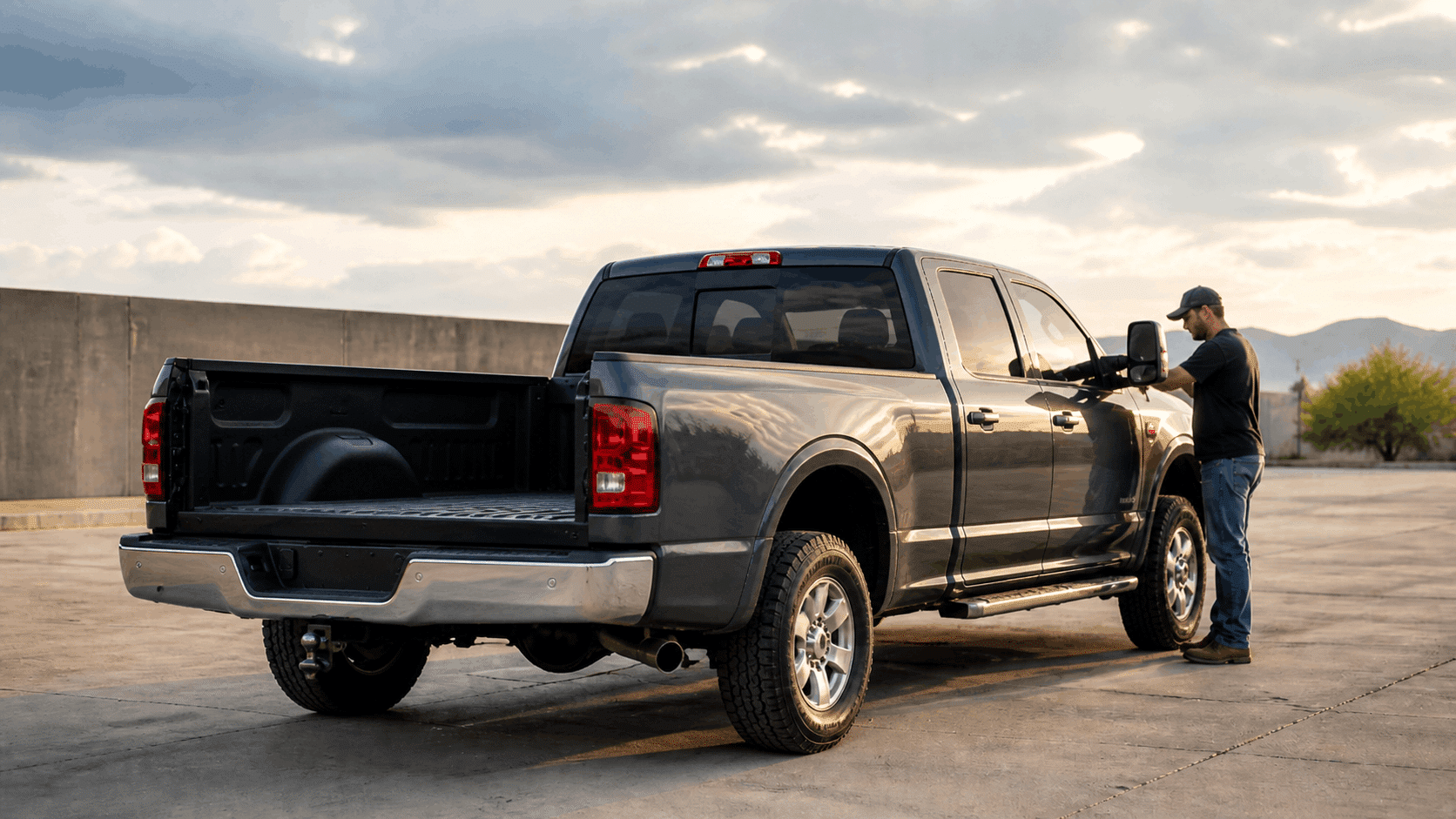
Saying you need to move an F-150 or a Chevy Silverado sounds simple enough when you are asking for a quote. But it is not nearly enough information for a transport dispatcher or a driver. A standard pickup truck can be built in dozens of different configurations. The driver actually needs to know what the truck physically is in the real world. That means cab size, bed length, and most importantly if the truck is lifted or has aftermarket oversized tires.
These details are not just for getting an accurate price quote. They directly change if your truck can even physically fit on the car hauler trailer. A carrier trailer only has so much space and the driver has to balance the weight of the entire rig perfectly. If you show up with a truck that has a heavy tool box full of metal, a ladder rack, or a heavy suspension lift and you didn’t tell anyone, the driver might legally not be able to load it. Sometimes they literally have to leave it sitting in your driveway because it wont clear the trailer roof. Getting the right details upfront is the key to set realistic expectations and avoid getting left stranded on moving day.
Who you actually book with matters
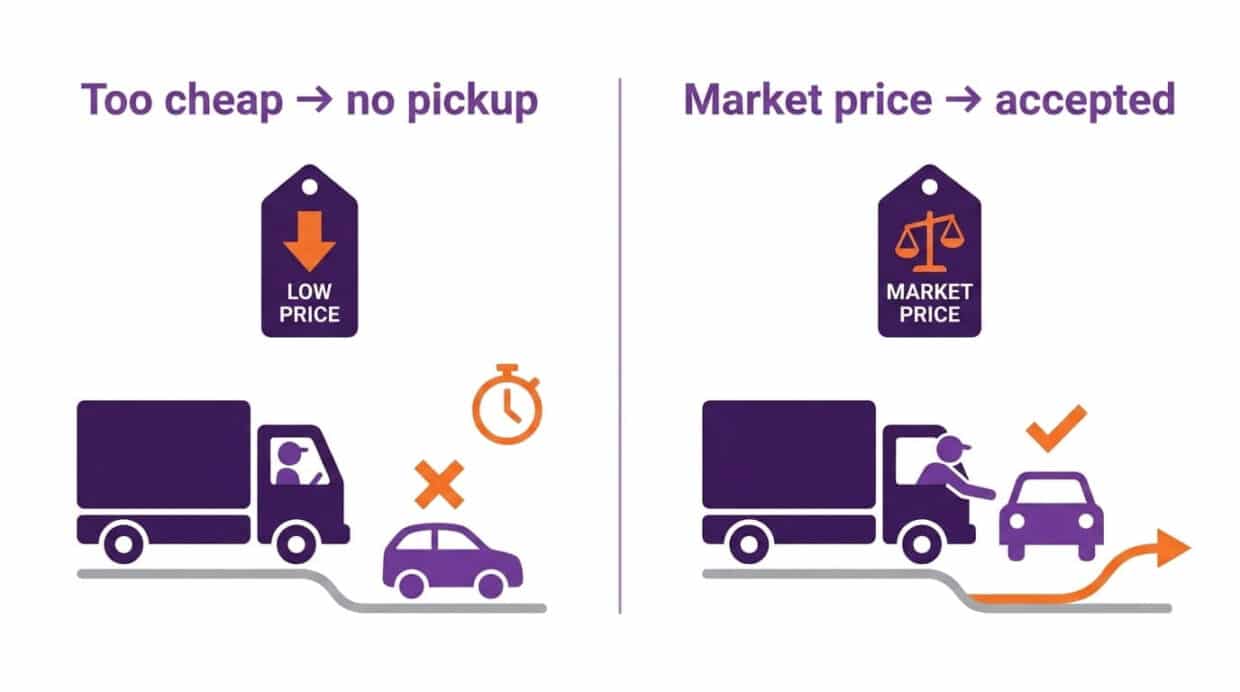
Before you book anything it really helps to know how the vehicle transport system works behind the scenes. Usually there are brokers who find the trucks and organize the logistics, and carriers who actually own the trailers and do the physical driving. Both roles are completely normal in this industry. The real problem happens when companies give you a super low price just to get your upfront deposit without caring if the truck moves.
A real truck driver has to pay for expensive diesel fuel, cargo insurance, commercial tires, and highway tolls. If the quote you got is way too low for that specific route, your pickup is just going to sit there forever. No driver is going to accept a dispatch load that loses them money. That doesn’t always mean you got scammed, it just means the price was never realistic to begin with. You want a company like Rivalane that tells you the honest truth about what it actually costs to move a heavy truck, not just what you want to hear.
The reality of door to door access
Everyone always asks for door to door car shipping when they need a vehicle moved to another state. They picture this massive 80 foot long rig pulling right up to their suburban driveway or their apartment complex. Sometimes if you live out in the country that actually works out. But most of the time it physically cant happen in normal neighborhoods.
These transport rigs are incredibly long and extremely heavy when fully loaded. They just cannot fit down narrow residential streets, make tight turns, or get through gated communities safely. What door to door actually means in real life is the driver gets as close to your house as they safely can. Usually the driver will call you when they get to town and ask to meet at a nearby large open parking lot like a Walmart or a giant gas station plaza. It is not because they are trying to be lazy.. They just need a massive open paved space to lower the heavy metal ramps and load your pickup truck without blocking neighborhood traffic or hitting low hanging tree branches.
What actually happens to your order after you book
When you confirm your order and your shipping dates, your truck gets put into a massive national dispatch system. This is the part of auto transport almost nobody sees. Drivers do not just decide to drive all the way across the country for one single car. They have to build a route of six to nine vehicles to make the long trip profitable.
Your pickup truck has to fit perfectly into their existing route puzzle. They are looking at where your delivery goes, but also how much space your specific truck takes up on the trailer. A heavy duty diesel truck takes up way more room and weight limit than a small commuter car. If you are shipping a truck between two major cities like Dallas and Chicago it goes pretty fast because there are dozens of carriers running that exact way every day. If you live way out in a rural farming town, the driver has to drive empty miles way out of their way just to get to you. That is exactly why having a little flexibility in your moving dates helps so much. It lets the dispatcher fit your truck into a natural trucking route instead of forcing it to happen on an exact rigid day.
Getting the pickup ready before the truck arrives
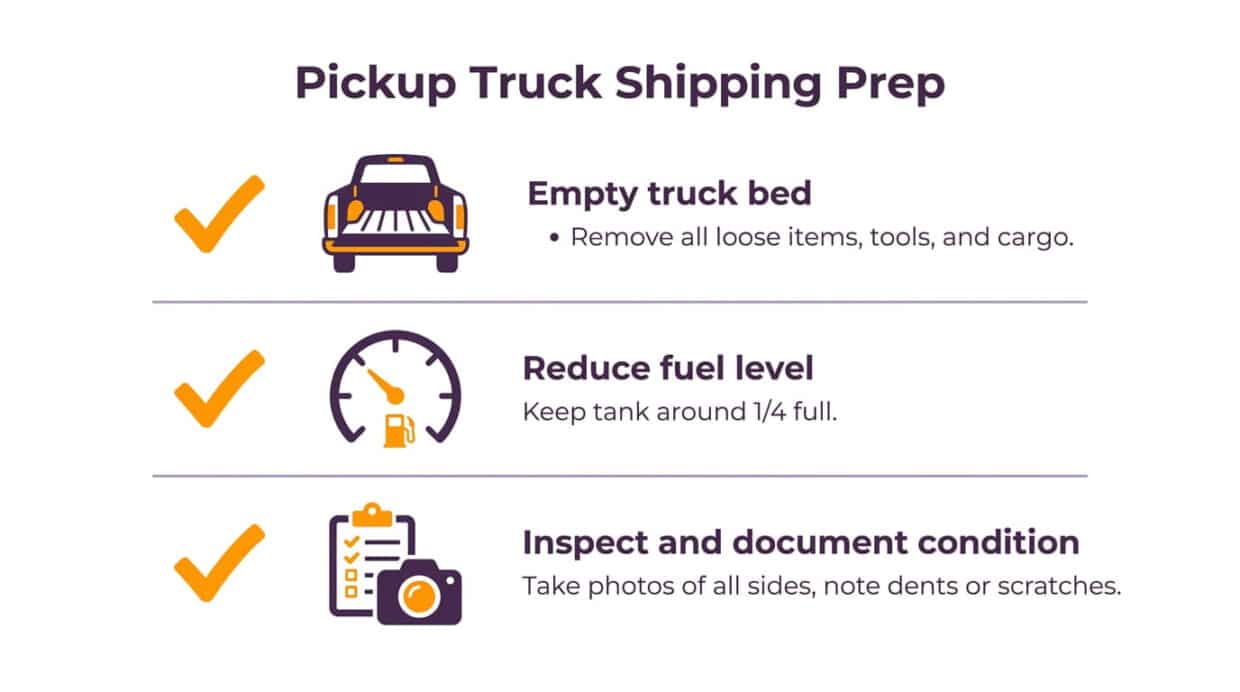
Pickup day can be chaotic and stressful if you are not physically ready. Before the driver ever shows up, you need to completely empty out the cab and especially the truck bed. That means taking out loose tools, spare parts, tie down straps, and random boxes. Drivers really don’t want to deal with a truck bed full of unsecured items that could easily fly out onto the highway windshields behind them.
You also only want about a quarter tank of gas left in the tank. Having a completely full tank just adds useless extra weight to the transport trailer for no reason. The most critical part of the entire pickup day is the physical inspection. You and the driver will walk around the pickup truck together to mark down every single existing scratch or dent on a legal document called the Bill of Lading. You should always pull out your phone and take your own photos from every angle too. This just protects everybody involved so there is absolutely no arguing later if something looks different when the truck gets dropped off.
How drivers secure heavy pickups on the trailer
Getting a heavy pickup truck onto a metal trailer is not just driving it up a ramp and leaving it in park. The driver has to think constantly about weight distribution and trailer height clearance. A heavy lifted truck usually has to be placed in a very specific spot on the lower deck of the trailer so it does not make the whole transport rig dangerously top heavy in the wind.
Once the truck is driven onto the trailer ramps, the driver uses heavy duty straps over the tires to tie it down tight to the metal deck. Your personal truck is essentially treated as heavy industrial freight at this point. A good experienced driver knows exactly how to position the straps over large all terrain tires so the truck does not bounce around when the trailer hits giant potholes on the interstate. The securement process is basically invisible to the average customer but it is exactly what keeps your vehicle completely safe from damage during a long cross country transit.
Why your delivery time is a moving target
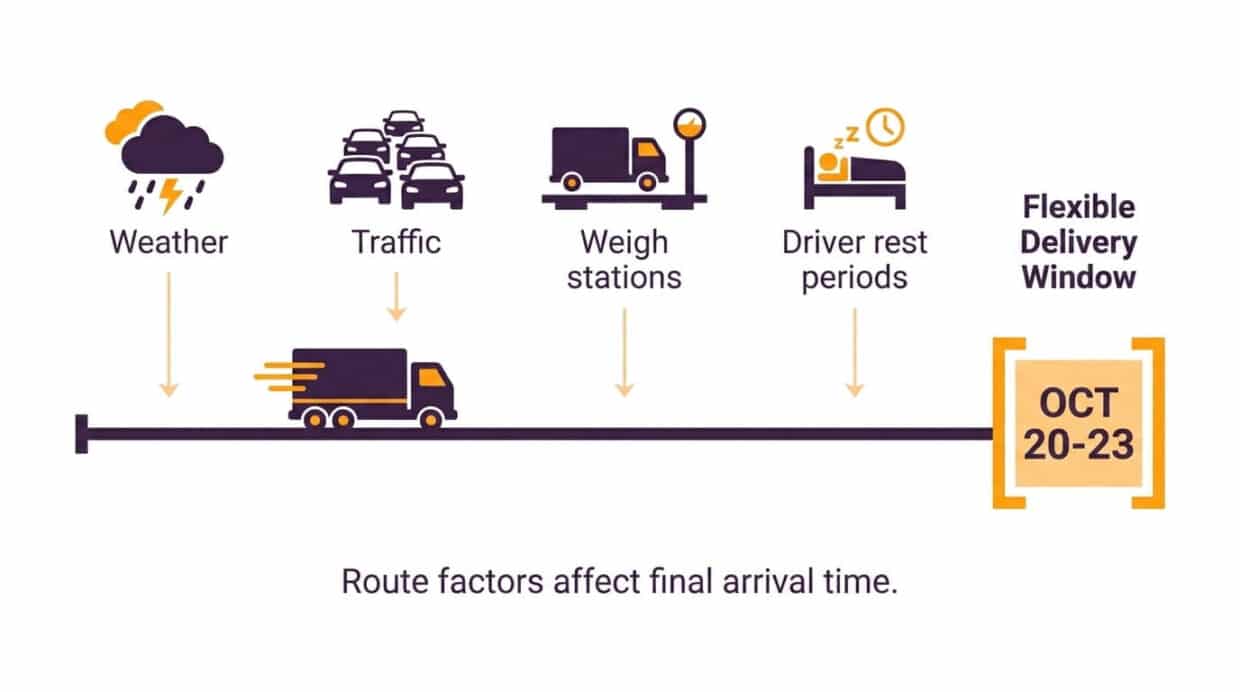
People always want to know the exact specific hour their truck will get dropped off at the new house. That almost never happens because the real world constantly gets in the way of the schedule. The driver is working with a flexible delivery window, usually spanning a couple of days, because things change constantly once the truck gets out on the road.
The truck driver is dealing with random highway weigh stations, terrible weather, major traffic jams, blown tires, and waiting on other customers who are running late to their meeting spots. Plus they are legally strictly limited by the federal government on exactly how many hours they can drive each day before they have to stop and sleep. Rushing a driver is never a smart idea anyway. When a guy is hauling a hundred thousand pounds of expensive machinery and cars down a mountain pass, you want him driving safe, not driving fast just to hit a fake perfect deadline. Just plan your move with a few days of flexibility built in and the whole logistics process feels a lot easier to deal with.
The final delivery inspection
When your pickup finally arrives at the new destination, it is very easy to just quickly sign the paperwork and take your keys because you are tired and in a rush to get home. Do not ever do that. You need to actually walk around the truck and look at it very closely before the driver drives away.
Compare the condition of the truck right then to the photos you took back on pickup day. Check the roof of the cab, the side mirrors, the inside of the truck bed, and the corners of the bumpers. If everything looks exactly the same as when it left, you just sign the delivery paper and you are good to go. If you happen to see a brand new deep scratch or a broken light, you have to write it down on that specific delivery paper before the driver leaves.. If you just notice it and text them about it two days later, it is basically impossible to legally prove it happened while it was on the transport truck. Taking five extra minutes to do this final visual step is the easiest way to finish the transport job safely.
Moving a pickup safely really just comes down to plain honesty and treating it like real freight. Give the transport company the actual measurements and let them know if it has any aftermarket modifications from the very beginning. When everyone has the real details upfront the entire dispatch system works exactly like it is supposed to. It might not be a perfectly smooth process every single time, but treating your heavy truck like actual cargo instead of a simple mail package is the best way to get it to your new home safely.