
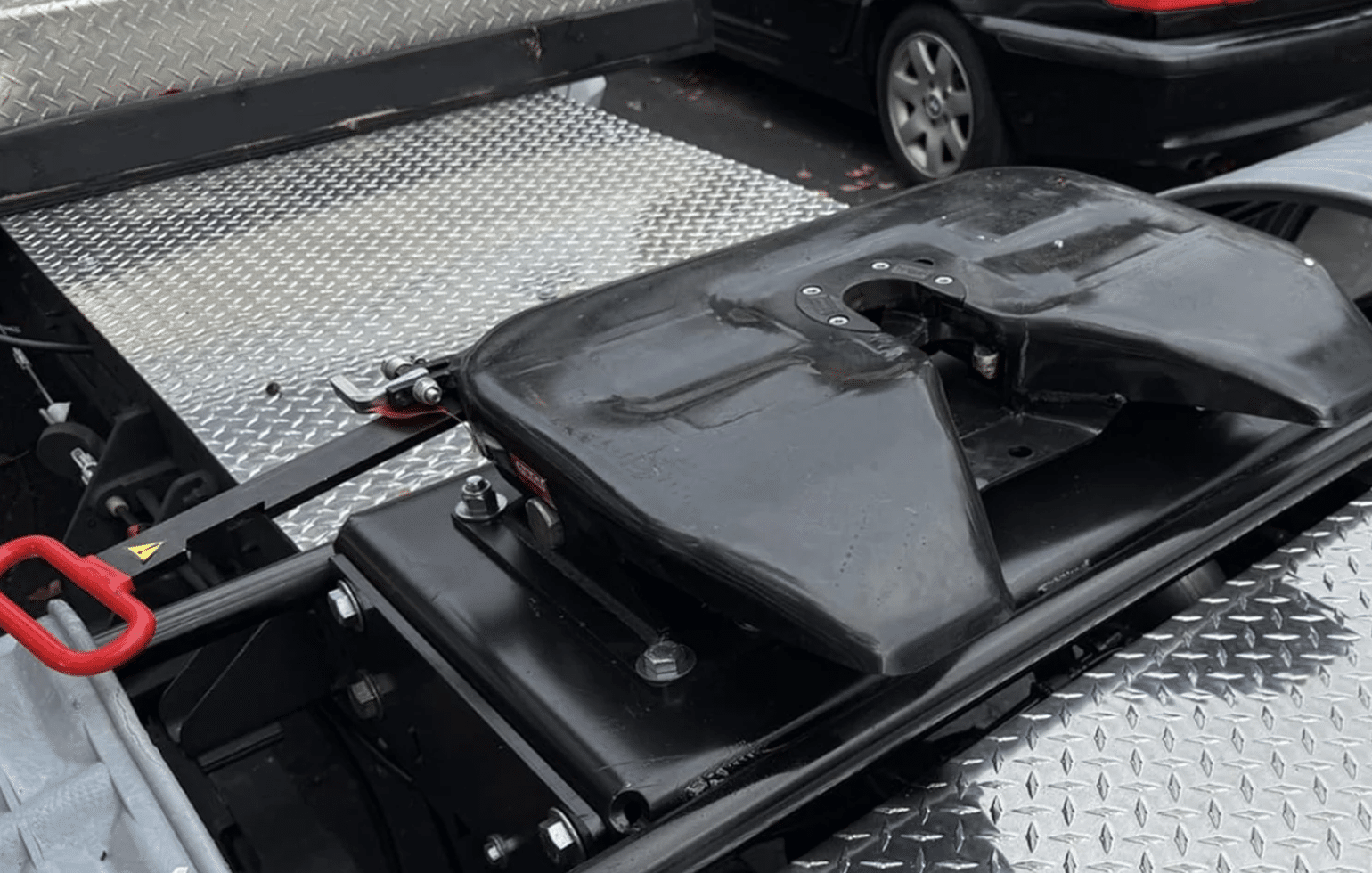
In heavy-duty transport, the positioning of the cargo has a significant impact. This is because, when using a fifth-wheel hitch, ensuring that the weight is distributed evenly is crucial not only for safety during driving but also for the long-term durability of the equipment. In this system, which transfers a significant portion of the load directly to the vehicle, improper weight distribution affecting the connection point between the tractor and trailer can cause numerous problems.
The Importance of Weight Distribution
In 5th wheel hitch systems, the load is distributed between the trailer and the tractor. While part of the load is transferred to the rear axles of the tractor, the other part is transferred to the trailer’s axles. This distribution directly affects the vehicle’s traction; if it is unbalanced, it can negatively impact the driver’s or operator’s steering control. In addition to this issue, it can cause the vehicle to sway and may result in increased braking distances. Therefore, proper weight distribution not only enhances driving safety but also ensures the longevity of critical components and systems such as tires, the chassis, and the suspension. Any unbalanced loading, however, can have adverse effects on these components.
Improper loading of cargo is generally a factor that leads to serious problems. Placing the load too far forward can damage the tow vehicle’s rear axle. As a result, the suspension system is strained, and tire wear may occur. On the other hand, placing the load too far toward the rear affects the trailer and causes it to move unevenly. This situation, in turn, creates the “sway” problem—a swaying motion—during highspeed driving. Such issues not only damage vehicle equipment but also increase the likelihood of accidents on the road.
Points to Consider in Loading Techniques
To avoid adversely affecting the fifth wheel hitch system, it is essential to pay attention to certain points that will help ensure proper weight distribution. For example, make sure the load is distributed evenly between the axles. Additionally, transferring a specific portion of the total load to the fifth-wheel connection point is a critical consideration.
Furthermore, extra care must be taken with heavy components during loading. These components should be positioned as close to the center and as low as possible. Keeping the load secure is another critical consideration. This is because a shifting load can cause sudden shifts in weight during driving, potentially leading to an accident.
The Importance of the Truck Bed in the Fifth-Wheel Hitch
The truck bed plays a significant role in the vehicle where the 5th-wheel hitch is installed. The safe transport of the load and the proper functioning of the system depend in part on the truck bed. A bed with cracks, damage, or one that is old can cause the fifth-wheel hitch system to malfunction. Users who wish to avoid negative effects on this system must ensure that there is no deformation in the truck body. Otherwise, bodies that have not been inspected can cause significant structural changes and malfunctions in the system.
Safety Precautions and Required Inspections
Proper loading alone is not sufficient for safe transportation. Regular inspection and maintenance are also required for the fifth-wheel hitch system to function properly. Before every trip, the connection points, locking mechanism, and load-securing equipment must be inspected.
Additionally, it is important for the driver to understand how the load is distributed and adjust their driving style accordingly. For example, when transporting heavy loads, sudden maneuvers should be avoided, and speed control must be exercised with care.