

The Department of Justice has sent subpoenas to Apple and Google demanding user data for the popular EZ Lynk diesel truck tuner app as part of its ongoing criminal case.
EZ Lynk is a cloud-based vehicle diagnostics and tuning platform that allows diesel truck owners and tuners to remotely monitor, update and reprogram engine software through a smartphone-connected device plugged into the truck’s OBD-II port.
DOJ and EZ Lynk Diesel Truck App Ongoing Lawsuit
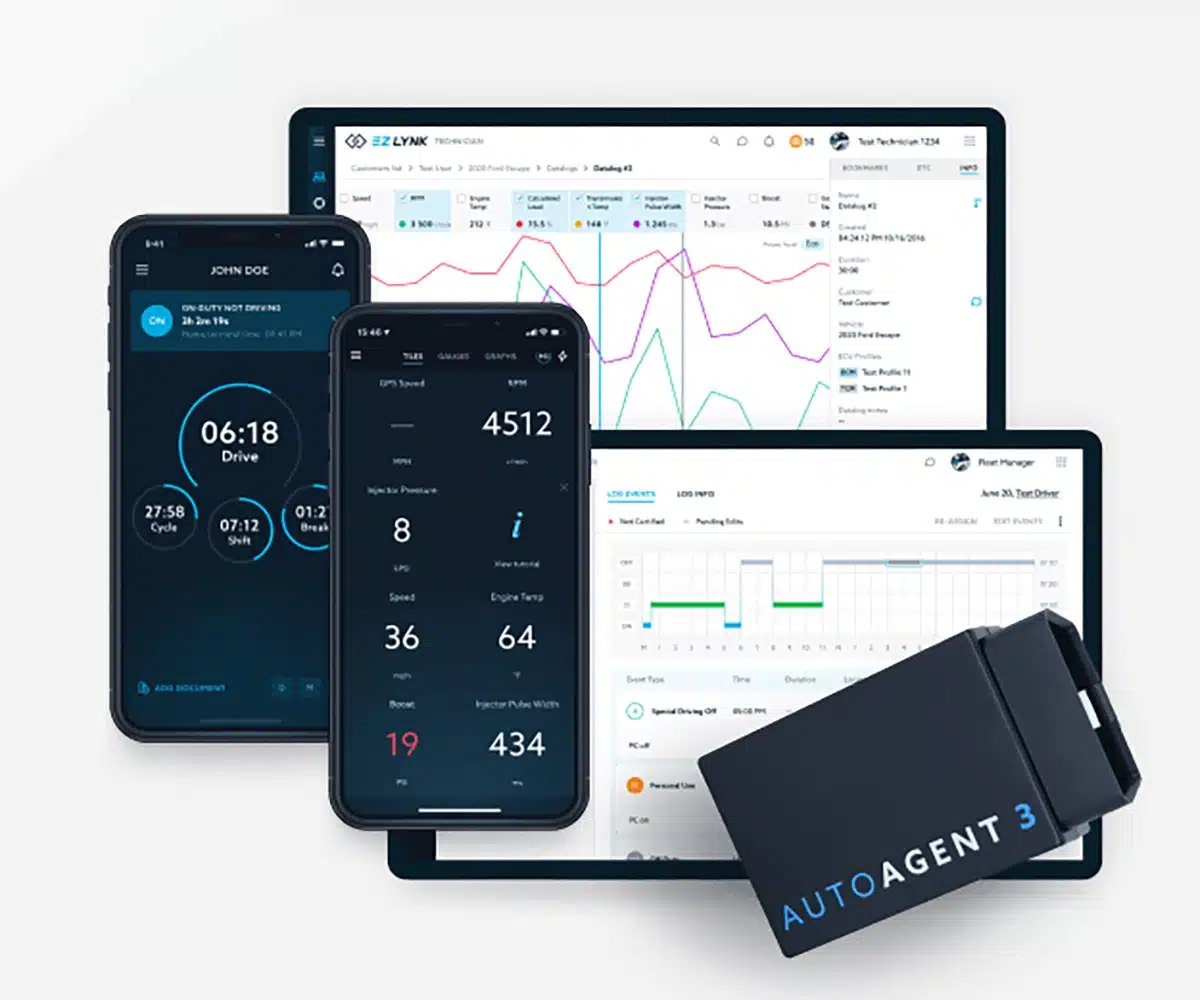
According to a new report from Forbes, the DOJ also sent subpoenas to Amazon and Walmart for names and addresses of people who bought EZ Lynk hardware that users plug into their truck
The DOJ sued EZ Lynk back in 2021 alleging the company’s equipment violated the Clean Air Act through bypassing diesel emissions equpment. EZ Lynk has denied any wrong doing.
“These requests for potentially hundreds of thousands of people’s PII go well beyond the needs of this case and create serious privacy concerns,” wrote EZ Lynk’s lawyers in the letter as reported by Forbes. “Investigating this claim does not require identifying each person who has used the product.”
In the letter, the government argued its request for user data was reasonable and necessary, stating investigators have “consistently sought customer information” as part of efforts to interview witnesses about how EZ Lynk’s technology was being used. Federal attorneys also told the court they had already collected evidence allegedly showing customers using the company’s products to disable vehicle emissions systems, including posts from Facebook and EZ Lynk online forums discussing emissions-delete modifications.
Here is a quick breakdown of the case as it stands right now:
Key Aspects of the Case:
- The Allegations (2021-2025): The DOJ alleges that EZ Lynk, through its “Auto Agent” hardware and cloud-based software, allows users to easily remove emission controls (i.e., “delete tunes”) from diesel trucks.
- Legal Tug-of-War (Section 230): In 2024, a district court initially dismissed the case, agreeing with EZ Lynk that they were protected by Section 230 of the Communications Decency Act, acting as a third-party platform.
- Appeals Court Ruling (August 2025): The Second Circuit Court of Appeals vacated that dismissal, ruling that the complaint sufficiently alleges EZ Lynk directly contributed to the creation of unlawful “delete tunes,” making them ineligible for Section 230 immunity.
- Recent Demands (May 2026): The government is currently demanding that Amazon, Apple, and Google release the identities, addresses, and purchase histories of over 100,000 users who utilized the EZ Lynk app.
Diesel Emissions Fights Have Become Political

Over the past several years, diesel emissions enforcement has evolved from a niche regulatory issue into a broader political debate over government oversight, environmental rules and vehicle freedom.
We previously covered how the Department of Justice under the Trump administration moved away from pursuing criminal charges in many diesel delete cases, even while emissions modifications themselves remained illegal under the Clean Air Act. That shift led many truck owners to incorrectly believe diesel deletes had become fully legal nationwide.
This recent move by the DOJ to subpoena user information seems to go against the earlier declaration by the same department.
Vehicle Data Privacy Is Another Concern
The latest Forbes report now adds another layer to those existing concerns: digital privacy.
Modern trucks and SUVs generate enormous amounts of data through mobile apps, telematics systems and connected vehicle software. Depending on the manufacturer and app permissions, vehicles can store location data, driving habits, maintenance records, towing information and vehicle diagnostics.
In fact, just last week, California officials announced a record $12.75 million settlement against General Motors over allegations the automaker illegally collected and sold detailed driving and location data from OnStar users without proper consent, including GPS locations, braking events and driving habits. The settlement also bans GM from selling driver data to brokers for five years and is now the largest penalty issued under the California Consumer Privacy Act.
The move follows a separate 2025 federal action in which the FTC ordered GM and OnStar to stop sharing driver geolocation and behavior data with consumer reporting agencies for five years after regulators alleged the company collected and sold customer driving data without adequately informing users or obtaining consent.
Diesel Enforcement Is Shifting Into the Software Era

Federal scrutiny of diesel emissions has steadily shifted toward software-based enforcement over the past decade following major industry scandals involving undisclosed emissions calibration strategies including major companies like Cummins.
That evolution has transformed diesel tuning from a mechanical issue into a digital one involving software updates, app connectivity, cloud systems and electronic vehicle monitoring. If you don’t change the software, some trucks can go into “limp” mode, operate at much lower speed or power, and have check engine lights always on making it more difficult to know when something else is a problem.
Also, the EPA’s 2027-2032 “Multi-Pollutant Emissions Standards” and separate heavy-duty NOx rules expand durability requirements, onboard diagnostics, sensor monitoring and emissions warranty periods specifically to ensure emissions systems remain functional longer and are harder to tamper with or disable. The rules also “require manufacturers to improve “monitoring capabilities” and expand detection of emissions system failures and tampering.” Those rules are meant to make diesel delete tuning and aftermarket modifications significantly more difficult on future trucks.








