
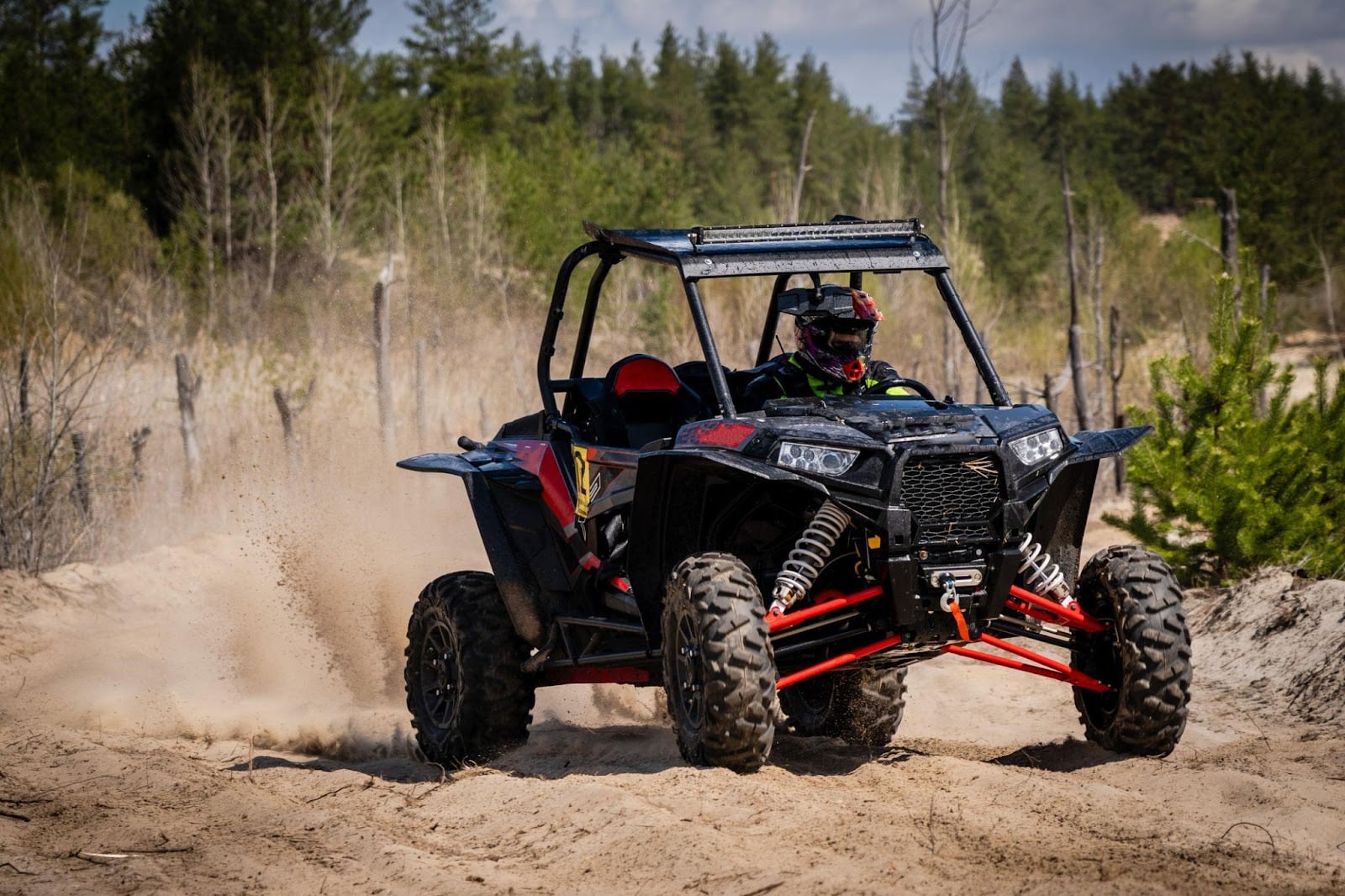
Anyone who rides on dry trails knows how quickly dust becomes a problem. You start your ride with clear visibility, but within minutes, especially when riding behind others, you’re stuck in a cloud of fine dirt. It reduces your ability to see the trail ahead and makes every turn or obstacle harder to handle.
Dust doesn’t just affect comfort, it directly impacts safety. It gets into your eyes, makes breathing uncomfortable, and forces you to slow down when you should be focused on the terrain.
That’s why experienced riders don’t rely on basic setups. They look into proper upgrades, often browsing different Polaris Accessories to improve their UTV for real trail conditions.
One of the most effective upgrades is choosing the right windshield. But not all windshields solve the problem. Some actually make dust worse if they don’t manage airflow properly.
In this article, we’ll break down what works, what doesn’t, and which windshield options actually help reduce dust and debris on the trail.
Why Dust and Debris Is a Bigger Problem Than Most Riders Think
Dust isn’t just something you wipe off after a ride. It directly affects how you drive and how your machine performs.
At trail speed, especially in groups, dust clouds can limit visibility to just a few feet. That’s dangerous when you’re navigating uneven terrain, sharp turns, or obstacles. One missed rock or rut can lead to damage or worse.
Then there’s the personal side. Dust exposure irritates your eyes, dries out your throat, and makes breathing uncomfortable, especially on long rides. Riders without proper protection often end up fatigued faster, simply because they’re constantly fighting the environment.
Your UTV also takes a hit. Fine particles work their way into air filters, belts, and even seat materials. Over time, that leads to more maintenance and reduced performance.
A common mistake is relying on a basic or poorly fitted windshield. Many stock options or low-cost panels don’t seal properly. They leave gaps where air and dust flows straight into the cabin. Instead of blocking debris, they can actually make the problem worse by creating airflow patterns that pull dust inside.
What to Look for in a Dust-Blocking UTV Windshield
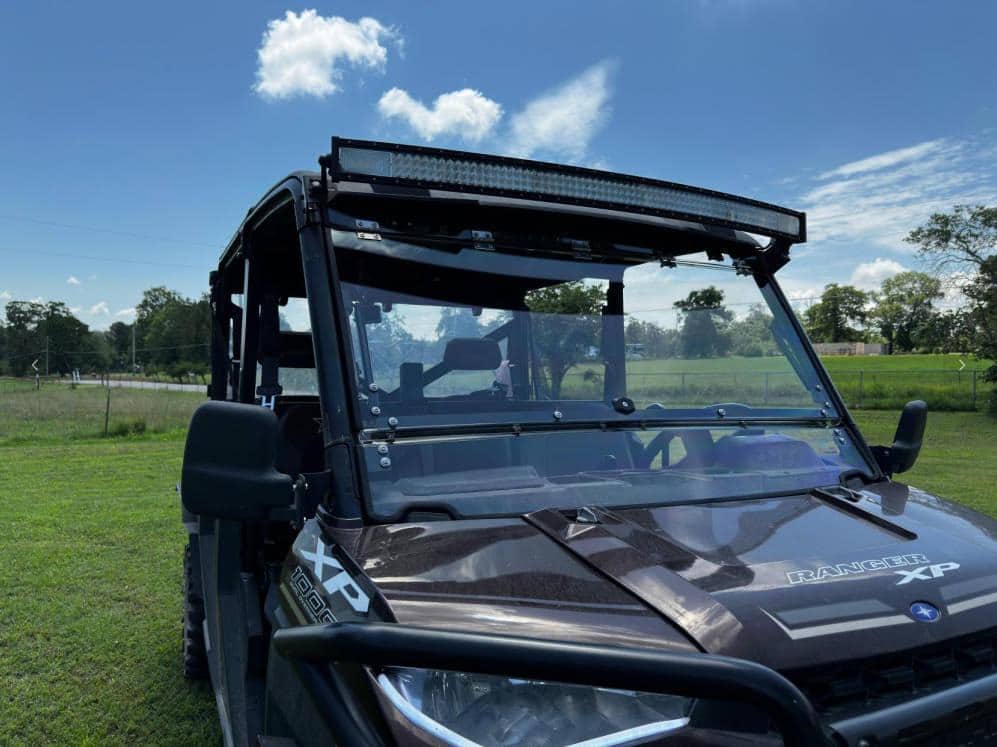
Not all windshields are built the same. If dust control is your goal, a few key features matter more than anything else.
Full coverage vs. half coverage
A full windshield offers the most coverage. It blocks direct airflow and prevents debris from hitting your face and chest. However, if not designed properly, it can create a vacuum effect that pulls dust in from the rear.
Half windshields allow more airflow, which can reduce that suction effect. But they leave your upper body exposed, so dust still finds its way in.
For serious dust conditions, a full windshield paired with a rear panel usually performs best.
Material Matters: Polycarbonate vs. Acrylic vs. Glass
Polycarbonate is the top choice for off-road use. It’s highly impact-resistant and can handle rocks and debris without cracking. Hard-coated versions also resist scratches, which helps maintain visibility.
Acrylic is more affordable but less durable. It scratches easily and can crack under impact.
Glass offers clarity but isn’t practical for most UTV riders due to weight and the risk of shattering.
Seal quality is everything
Even the strongest material won’t help if the windshield doesn’t fit tightly. Gaps around the edges allow air to flow through, carrying dust with it. A good sealing system, usually rubber or foam, makes a huge difference.
Venting without compromising protection
On hot days, a fully sealed windshield can feel suffocating. The best windshields offer a tilt or vent feature that lets you crack the top portion for airflow while keeping the lower cab sealed against ground-level dust, because most trail dust travels low, close to the ground, kicked up by your tires and the machine in front of you.
Installation quality
A windshield that doesn’t mount tightly vibrates. And vibrating windshields develop gaps. Look for hardware that is solid, clamps flush, and doesn’t require you to force the fit. If you need to fight the install, the seal isn’t going to hold on the trail either.
Top UTV Windshield Options for Dust and Debris Control
There are several well-known brands in the UTV aftermarket space. Each has its strengths depending on your riding style and budget.
1. StarknightMT UTV Windshield
StarknightMT focuses on solving real problems riders face on dusty trails—poor sealing, airflow issues, and complicated installations. Their windshields are designed based on actual riding conditions, where dust and debris are constant challenges.
These windshields are tested in real environments, not just controlled setups. This shows in how they handle group riding situations and dry terrain where dust builds up quickly. The fitment is designed to reduce gaps, helping limit dust entering the cabin.
Installation is straightforward, often requiring minimal tools. Riders who regularly upgrade their setups find this especially useful.
For example, riders using models like the Polaris Ranger 1000 often deal with heavy dust when riding in groups or working in dry areas. In such cases, upgrading through properly fitted Polaris Ranger Accessories, especially a well-sealed windshield, can significantly reduce dust inside the cabin and improve visibility.
2. SuperATV Hard Coat Scratch-Resistant Windshield
SuperATV is a well-known name in the UTV aftermarket space. Their windshields are built with thick polycarbonate and a hard coating that helps resist scratches.
This makes them suitable for rough trails where debris impact is common. The fitment is usually precise, which helps reduce airflow gaps and improve overall dust protection.
3. Seizmik Framed Windshield
Seizmik focuses on strong framing and sealing systems. Their windshields often include rubber gaskets that create a tighter seal against the vehicle.
This design helps limit airflow gaps, making it a dependable option for riders who want consistent dust control across different conditions.
4. Kolpin UTV Windshield
Kolpin offers a more budget-friendly solution for riders who don’t face extreme dust all the time. Their windshields are simple and functional, making them suitable for light trail use or farm work.
While they may not provide the same level of sealing as higher-end options, they still offer decent protection for everyday riding.
Full Windshield vs. Half Windshield for Dust — Which Wins for Dust?
The short answer: full windshield, every time, if dust is your primary concern.
A half windshield works in lighter conditions. It improves airflow and reduces the vacuum effect, but it doesn’t fully block debris. Riders in wooded areas or low-dust environments may find it sufficient.
A full windshield, on the other hand, provides complete front protection. It keeps debris out and improves comfort during long rides. However, without a rear windshield, it can create airflow that pulls dust into the cabin.
For hunters and farmers who ride in dry fields or open land, a full windshield paired with a rear panel is usually the best setup. It blocks both incoming debris and the dust that gets pulled from behind.
Sport riders may prefer flexibility, using adjustable or vented windshields to adapt to changing conditions.
Installation and maintenance tips for maximum dust protection
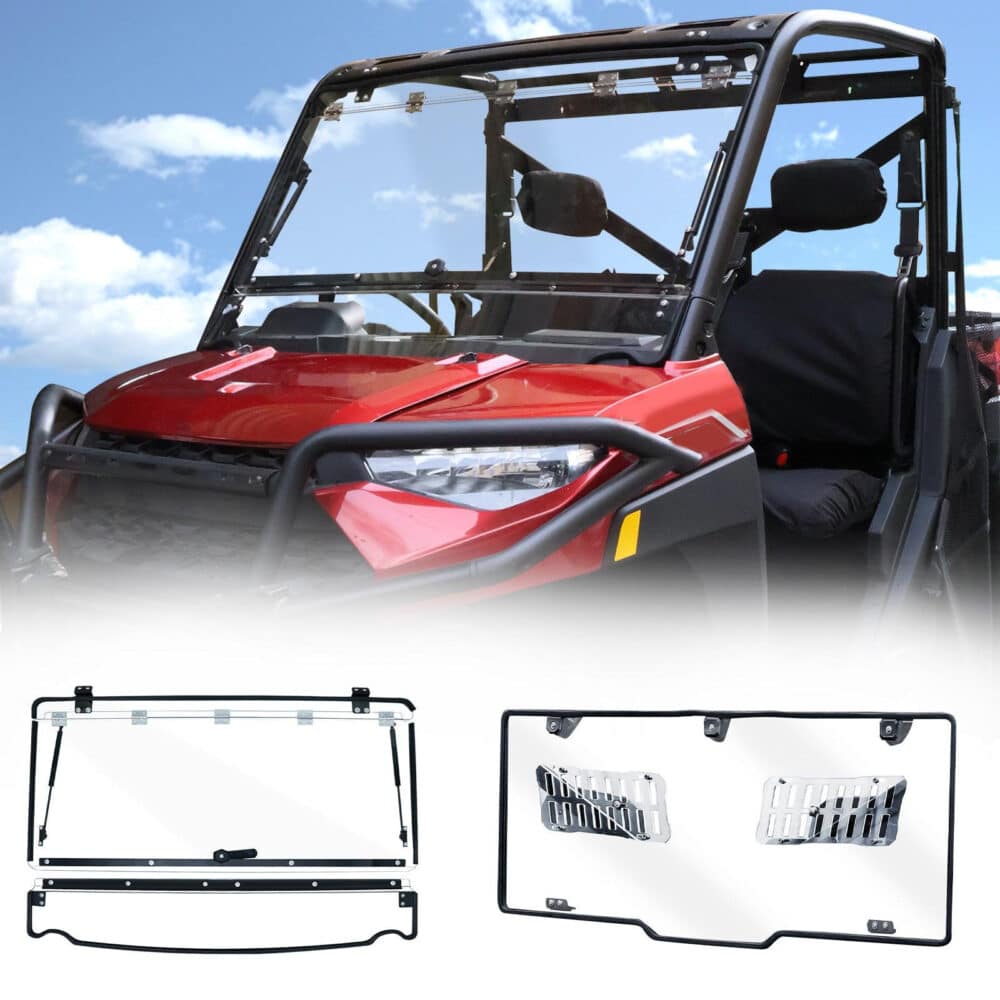
Even a great windshield can fail at keeping dust out if it’s installed incorrectly or neglected over time. A few things worth knowing:
- Check your seal on install day. Before you hit the trail, run your hand along the edge of the mounted windshield with the machine running. Feel for airflow. Even small gaps at the top corners or along the base will funnel dust into the cab at trail speed. If you feel air moving, the seal isn’t right yet.
- Weatherstripping adds a cheap layer of protection. Closed-cell foam weatherstripping from any hardware store, applied along the frame contact points, can close up minor gaps that hardware alone doesn’t solve. It takes 20 minutes and makes a real difference on dusty days.
- Pair your windshield with a roof and doors. A windshield handles the front. Dust gets in from the sides, too. A roof panel + door kit combination eliminates most of the entry points that a windshield alone can’t cover. It’s a bigger investment, but it transforms the cab environment completely on dusty terrain.
- Clean polycarbonate the right way. Never use paper towels or dry cloths on a polycarbonate windshield — they scratch the surface, even with a hard coat. Use a microfiber cloth with a polycarbonate-safe cleaner. A light coat of a plastic polish every few months keeps clarity sharp and makes the surface easier to wipe down after rides.
- Inspect your mounting hardware after every few rides. Trail vibration loosens things over time. A quick check of your clamps and bolts every few outings keeps the windshield seated properly and the seal intact.
Final verdict — what should you buy?
If you want a single recommendation that works well for most trail riders, someone who rides hard on weekends, deals with genuine dust, and wants a windshield that goes on clean and stays sealed, StarknightMT is the pick. It’s the brand that shows up with solutions to the problems that trail riders actually deal with, not just the problems that look good in product photos.
SuperATV and Seizmik are excellent choices if you’re riding more demanding terrain and are willing to spend more. Kolpin covers you if you’re newer to the sport or riding milder conditions. But for the rider who wants real performance without overpaying for it, StarknightMT earns its spot at the top of the list.
Whatever you choose, don’t skip the windshield decision. It’s one of the most immediate quality-of-life upgrades you can make to a UTV, and on a dusty trail, you’ll feel the difference within the first quarter mile.
FAQ
What windshield material is best for UTV dust protection?
Polycarbonate is the best choice due to its strength and resistance to impact and scratching.
Does a full windshield really stop trail dust?
It significantly reduces it, especially when paired with a rear windshield.
Are UTV windshields universal or model-specific?
Most are designed for specific models to ensure proper fit and sealing.
How do I keep my UTV windshield from scratching?
Use soft cloths and proper cleaning solutions. Avoid wiping dry dust.
Is a vented windshield good for dusty trails?
Yes, it helps manage airflow and reduces the chance of dust entering the cabin.