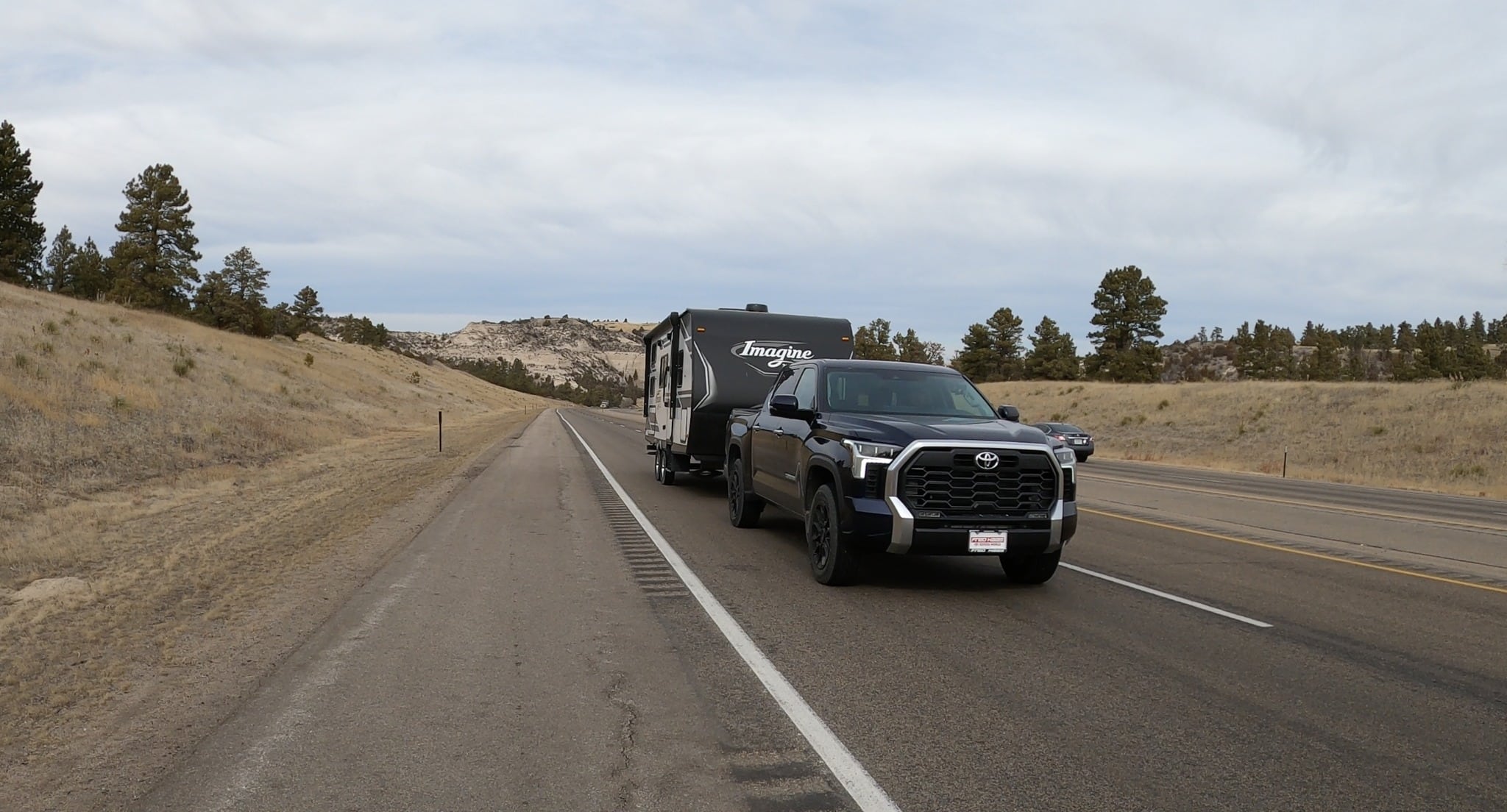
Pickup trucks are built for versatility, but getting the most out of your truck’s hauling capability requires more than just hitching up and hitting the road. Whether you are moving equipment, hauling vehicles, or tackling weekend projects, understanding the fundamentals of towing can help improve safety, efficiency, and overall performance. For both new and experienced truck owners, having a clear approach to hauling can make a noticeable difference.
Understanding Your Truck’s Towing Capacity
Before towing anything, it is important to understand your truck’s limitations. Every pickup comes with specific ratings that are generally outlined in the owner’s manual. Key factors to consider include:
- Gross Vehicle Weight Rating (GVWR)
- Gross Combined Weight Rating (GCWR)
- Maximum towing capacity
- Payload capacity
Exceeding these limits may affect handling, braking, and long-term durability. Staying within recommended guidelines is typically important for both safety and performance.
Choosing the Right Hitch Setup
Not all towing setups are the same. The type of hitch you use should match both your truck and the load you plan to haul. Common options include:
- Receiver hitches for lighter loads
- Gooseneck hitches for heavier, more stable towing
- Fifth-wheel hitches for large trailers and long hauls
Proper installation and weight distribution may help improve control and reduce strain on your truck.
Load Distribution and Securement
How you load your trailer can have a significant impact on towing stability. Poor weight distribution may lead to sway, uneven tire wear, or difficulty steering. A few general best practices include:
- Placing heavier items closer to the front of the trailer
- Keeping weight evenly distributed from side to side
- Securing cargo with appropriate straps or tie-downs
- Double-checking connections before driving
Taking the time to properly secure your load can help reduce risk on the road.
Choosing the Right Trailer
Once you understand your truck’s towing capacity and hitch setup, the next step is selecting a trailer that fits your hauling needs. The type of trailer you choose can influence loading efficiency, stability, and overall ease of use. There are several common trailer types, each suited for different applications:
- Utility trailers for lighter loads and general use
- Enclosed trailers for transporting items that may need protection from weather
- Flatbed trailers for hauling construction materials and transporting equipment
- Equipment trailers for heavier machinery or tools
- Open trailers that allow for easier loading and flexibility
The right choice will typically depend on what you plan to haul, how frequently you will use the trailer, and the conditions you expect to encounter.
Brake Systems and Safety Checks
Trailer braking systems are an important part of safe towing, especially when hauling heavier loads. Many trailers are equipped with electric brakes that work in conjunction with a brake controller in your truck. Before each trip, it is generally recommended to check:
- Brake functionality
- Tire pressure on both truck and trailer
- Trailer lights and signals
- Hitch connections and safety chains
Routine checks may help reduce the likelihood of issues while on the road.
Driving Tips for Towing with a Pickup Truck
Towing changes how your truck handles, accelerates, and stops. Adjusting your driving habits accordingly can help improve safety. Consider the following:
- Allow for longer stopping distances
- Take wider turns to accommodate the trailer
- Reduce speed, especially in poor weather conditions
- Avoid sudden braking or sharp steering
Practicing these habits can help make towing more manageable, particularly for newer drivers.
Final Thoughts
Towing with a pickup truck can be straightforward when approached with the right knowledge and preparation. From understanding weight limits to choosing the appropriate trailer, each decision plays a role in overall safety and efficiency. Whether you are hauling for work or weekend projects, taking a thoughtful approach can help ensure a smoother and more reliable towing experience.