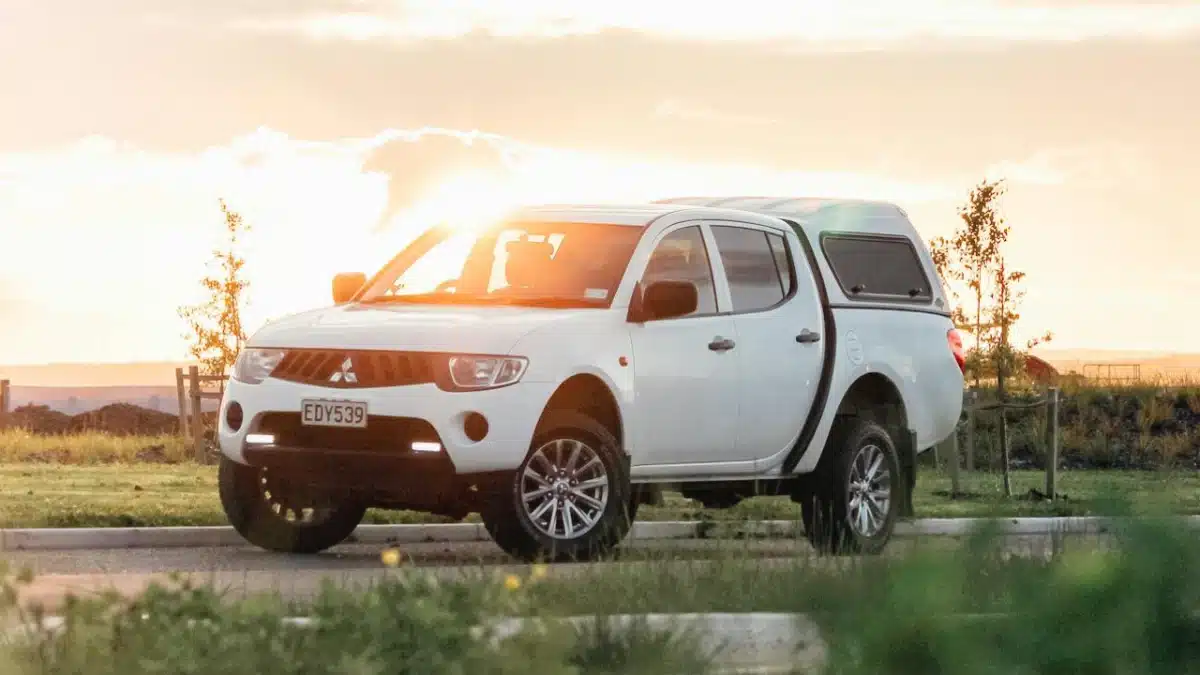
Pickup truck owners deal with protection challenges that are quite different from those faced by sedan or SUV owners. The open-bed design, while central to a truck’s usefulness, also creates exposure where cargo, tools, and equipment are constantly at risk from weather and theft. At the same time, the vehicle’s exterior still needs the same level of care and protection as any other automobile.
Responsible truck owners understand that truck caps help secure and protect cargo, while vehicle covers support long-term preservation of the truck itself, with each solution serving a different but complementary purpose.
The real question is not “truck cap or car cover,” but rather what each one is designed to protect and in which situations each is most effective. Many truck owners ultimately choose to use both. Truck caps for everyday cargo handling and protection, and car covers for seasonal storage or longer periods of parking.
A clear understanding of the unique benefits of each helps guide better investment decisions and ensures protection strategies are aligned with actual usage patterns.
Truck Caps: Securing and Protecting Cargo
Truck caps, also called camper shells or toppers, transform open truck beds into enclosed cargo areas. This fundamental change addresses multiple challenges that open beds create for people using trucks as daily drivers, work vehicles, or adventure platforms.
Weather Protection
The most immediate benefit is protecting cargo from moisture. Tools can rust when exposed to rain, electronics may stop functioning due to water damage, camping gear can develop mold, and stored supplies may deteriorate over time. A quality truck cap addresses these issues by providing a sealed, weather-resistant storage space that protects cargo from precipitation as effectively as a vehicle’s cabin.
Theft Prevention
Open truck beds make their contents visible to anyone passing by. Valuable tools, equipment, and recreational gear left in plain sight can easily attract opportunistic theft. Lockable truck caps help conceal what’s inside while adding a physical barrier that discourages casual break-ins. Although no solution can fully stop determined criminals, truck caps significantly reduce vulnerability by removing the easy, visible targets that open beds create.
Organization and Accessibility
Enclosed truck beds make it possible to add shelving, drawer systems, and other organizational setups that aren’t feasible with open beds. Contractors can turn their trucks into mobile workshops with tools stored in clearly designated places. Outdoor enthusiasts can design camping setups that stay organized and ready between trips. The added vertical space provided by truck caps significantly increases usable storage capacity compared to a standard flat bed layout.
Improved Aerodynamics
Truck caps help streamline airflow over the truck bed, reducing the drag caused by an open configuration. This improvement in aerodynamics can lead to noticeable gains in fuel efficiency, often depending on driving conditions and cap design. Over time, these incremental savings can help balance out a meaningful portion of the initial investment in the truck cap.
Enhanced Vehicle Utility
For overlanding, camping, or long road trips, truck caps make it possible to install sleeping platforms that effectively turn pickups into camper-style vehicles. Many outdoor enthusiasts select trucks for this very reason, valuing the blend of off-road capability with the added comfort and convenience of built-in sleeping arrangements that truck caps help provide.
Truck caps do introduce certain trade-offs. They add height that can affect garage clearance and limit parking flexibility in tighter spaces. They also require effort when removing for occasional hauling needs that demand full open-bed access. At the same time, they involve a higher upfront investment depending on materials and features, which some buyers may need to plan for.
Even with these considerations, truck caps remain highly practical for daily use where cargo is regularly exposed to weather and security risks. Their ability to protect equipment, improve organization, and extend vehicle utility often outweighs the inconvenience factors for many owners. For those exploring reliable options, brands like PeakGear offer solutions designed to meet the practical demands of both work and outdoor use.
Car Covers: Protecting the Vehicle Itself
While truck caps protect cargo, car covers protect the truck’s exterior from the environmental damage that degrades paint, trim, and overall vehicle condition. These serve completely different purposes than truck caps and address different protection needs.
Paint and Finish Preservation
Prolonged sun exposure gradually fades paint, weakens the clear coat, and damages exterior trim. Rain can leave stubborn spots that etch into surfaces, while tree sap bonds tightly to paint and often requires intensive cleaning to remove. Bird droppings contain acidic compounds that can permanently damage the finish if left untreated. Quality car covers help protect against these environmental threats, preserving the vehicle’s appearance and maintaining its resale value over time.
Long-Term Storage Protection
Trucks that are stored seasonally, such as winter storage for summer sports vehicles or summer storage for plow trucks, require protection from weather, dust, and environmental buildup during extended idle periods. Car covers designed for long-term outdoor or garage storage help prevent the gradual deterioration that can occur when vehicles remain exposed over time.
Preventing Interior Sun Damage
Even when truck caps are installed, the cab interior is still exposed to sunlight through the windshield and side windows. Over time, UV rays can fade dashboard surfaces, cause cracking in plastic components, and degrade upholstery materials. Full vehicle covers help eliminate this exposure by blocking sunlight completely when trucks are parked for extended periods.
Hail and Storm Protection
Severe weather can cause significant body damage that car covers are designed to help prevent. A single hailstorm alone can lead to costly repairs or, in extreme cases, render a vehicle beyond economical repair. High-quality multi-layer covers add a cushioning layer that helps absorb the impact of hail, reducing the risk of dents that would otherwise require professional paintless dent repair or more extensive bodywork.
Reduced Cleaning and Maintenance
Covered trucks tend to stay cleaner for longer, which reduces how often they need to be washed along with the associated time, water usage, and gradual wear on the paint caused by repeated cleaning. For vehicles that are parked outdoors on a regular basis, this added convenience alone can make car covers a worthwhile investment for some owners.
Car covers also come with certain practical considerations. They take some time to put on and remove, which can become inconvenient in frequent use scenarios. They also need a dedicated space for storage when not in use, which may not suit every owner. In addition, they are best suited for vehicles with relatively consistent parking routines, such as overnight parking or long-term storage situations, rather than trucks that are used repeatedly throughout the day, where covering and uncovering becomes disruptive.
For owners seeking durable and weather-resistant protection options, brands like Seal Skin Covers are commonly chosen for their fit and all-weather performance.
The Comprehensive Approach (Using Both)
Many truck owners eventually use both truck caps and car covers because they solve different problems:
- Truck cap during active use: Protects cargo, tools, and gear during daily driving and regular use periods
- Car cover during storage: Protects the entire vehicle, including the capped bed, during extended parking, seasonal storage, or when weather threats loom
A contractor might rely on a truck cap throughout the year for secure tool storage and reliable weather protection, then use a car cover when leaving the vehicle parked for an extended period, such as during a vacation. Similarly, an outdoor enthusiast may keep a cap installed to organize camping gear and support regular trips, while using a full vehicle cover during winter months when the truck remains idle for longer durations.
This layered approach helps maximize protection across different situations without adding daily inconvenience. The truck cap manages regular cargo protection needs, while the cover delivers enhanced vehicle protection when conditions allow for the added time required for installation.
Matching Protection to Usage Patterns
The right protection strategy depends entirely on how trucks actually get used:
- Daily work trucks with tools and equipment benefit most from truck caps that provide security and weather protection for valuable cargo. Car covers make less sense for vehicles used multiple times daily.
- Weekend adventure trucks often rely on truck caps to keep camping gear organized and protected from the elements during trips, while car covers can be used to safeguard the vehicle during weekday parking or periods of off-season storage.
- Seasonal trucks that are used only during certain times of the year, such as plow trucks or summer recreational vehicles, benefit from quality car covers during their off-periods to protect against wear and deterioration caused by prolonged outdoor exposure.
- Collector trucks that are used sparingly benefit from a combination of both solutions, with truck caps helping protect stored items or maintain bed condition, and premium car covers preserving the vehicle’s exterior in excellent condition during garage storage.
- Fleet or commercial trucks that are parked outdoors overnight benefit from caps that secure cargo and tools, while car covers can offer added protection for higher-value vehicles by reducing weather-related wear and minimizing cleaning requirements.
Truck caps and car covers are not competing solutions but complementary protection strategies that address different vulnerabilities. Smart truck owners understand that both serve important functions in overall vehicle and cargo protection, and they choose the combination that best fits their usage patterns, storage environment, and protection priorities.
Author Bio
Mark Adams is a content writer and automotive research specialist at Seal Skin Covers, specializing in vehicle and outdoor protection solutions. He focuses on helping readers safeguard their investments through practical care tips, storage advice, and product insights. With a strong interest in automobiles and vehicle maintenance, Mark enjoys exploring ways to extend the life and performance of cars, trucks, and recreational vehicles.