
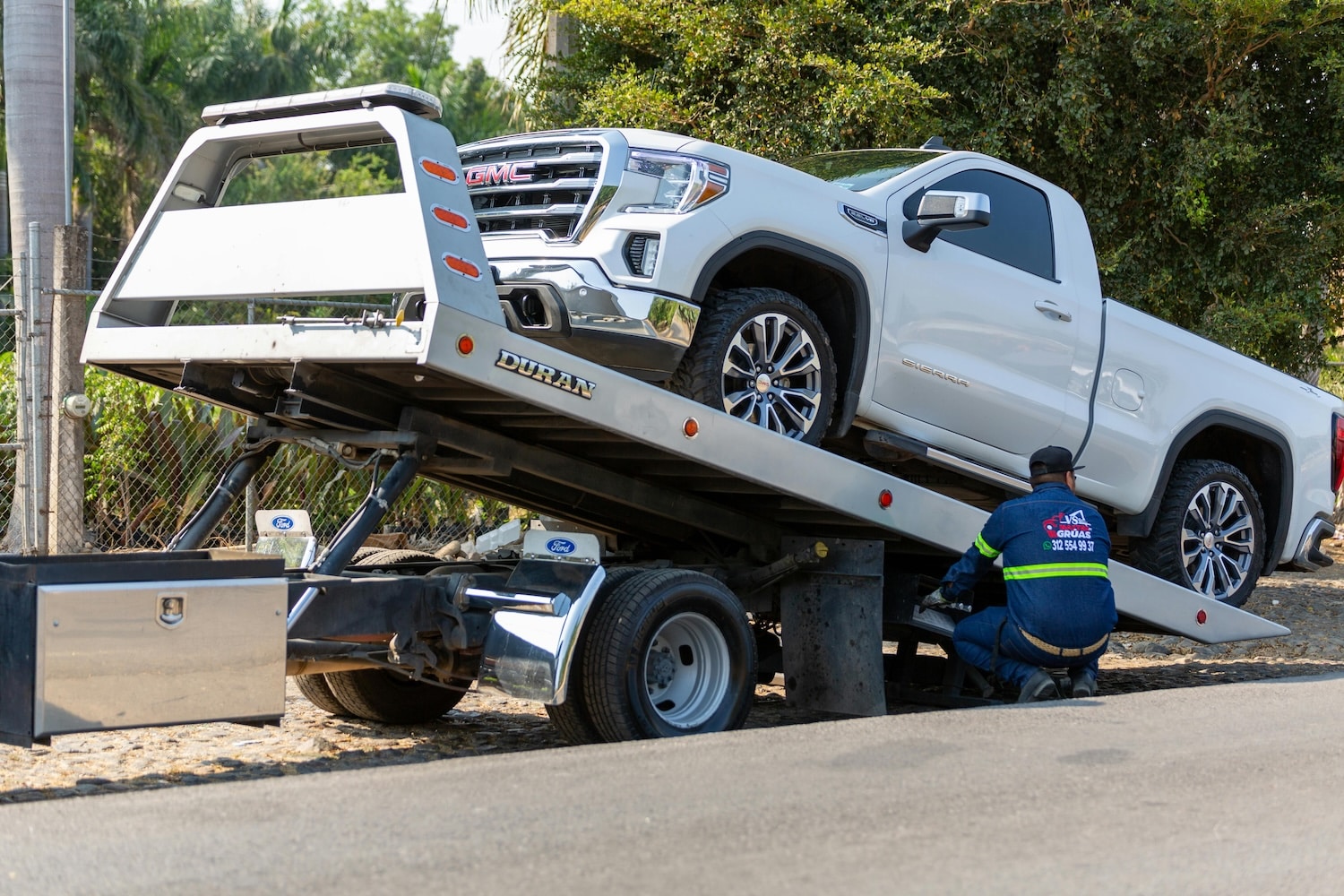
Pickup trucks occupy a special place in the American psyche, somewhere between a Swiss Army knife and a declaration of moral superiority. They’re the automotive equivalent of signaling willingness to help a friend move, even if you never intend to actually do it. And yet, for all the chest-thumping capability and chrome-plated bravado, most trucks don’t die in a blaze of worksite glory. They fade away from neglect, like a gym membership that looked like a great idea in January. Here, then, are the five most common ways pickup owners quietly sabotage their own mechanical livelihoods.
OUT OF SIGHT, OUT OF MIND, OUT OF LUCK
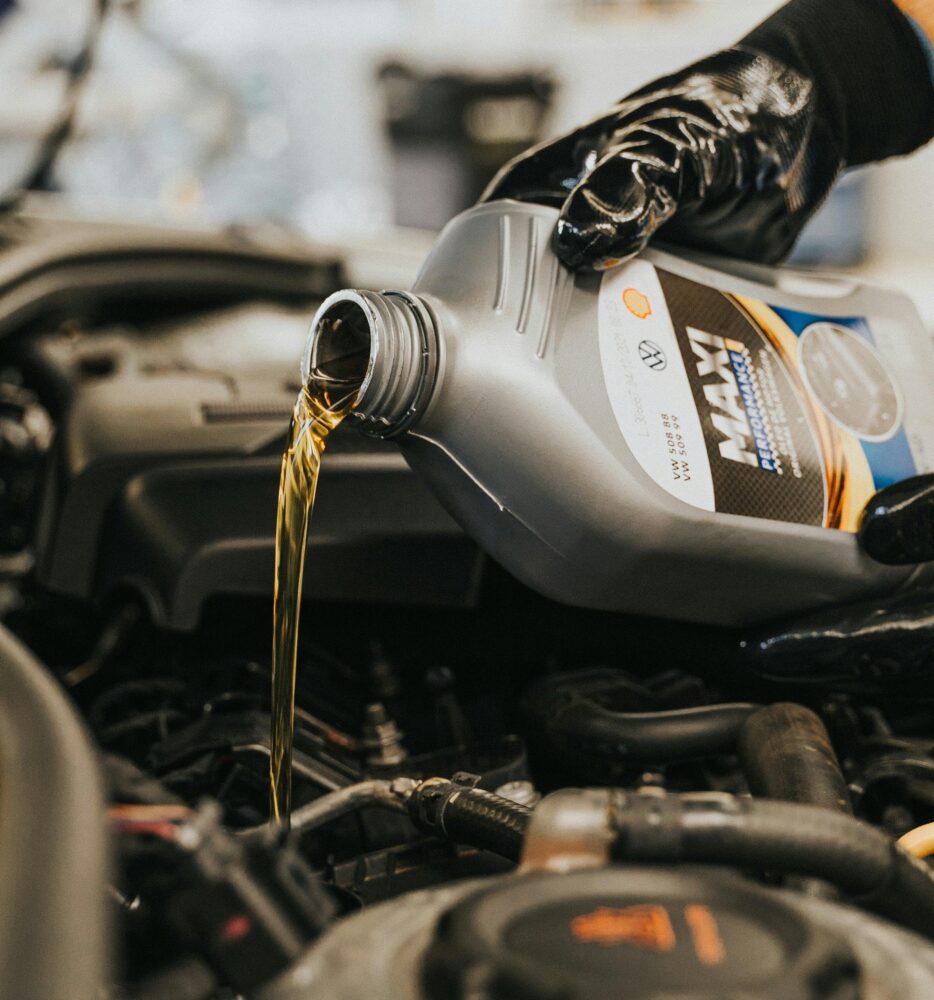
Americans will monitor their fantasy football roster with pathological intensity, but won’t check their engine oil until the truck starts sounding like a cement mixer full of cutlery. It’s astonishing how many owners treat oil changes as optional, like rotating seasonal décor. Leave oil in too long and it doesn’t just degrade. It turns into sludge, a tar-like betrayal that clogs passages and starves vital components. Along with brake fluid, coolant, and transmission fluid, they form the circulatory system of your truck. Ignore them long enough and everything important begins grinding itself into modern art. Skipping oil changes doesn’t save money. It merely converts a modest maintenance expense into a catastrophic financial event, like skipping a routine dental cleaning and ending up needing a root canal.
FAITH-BASED MAINTENANCE
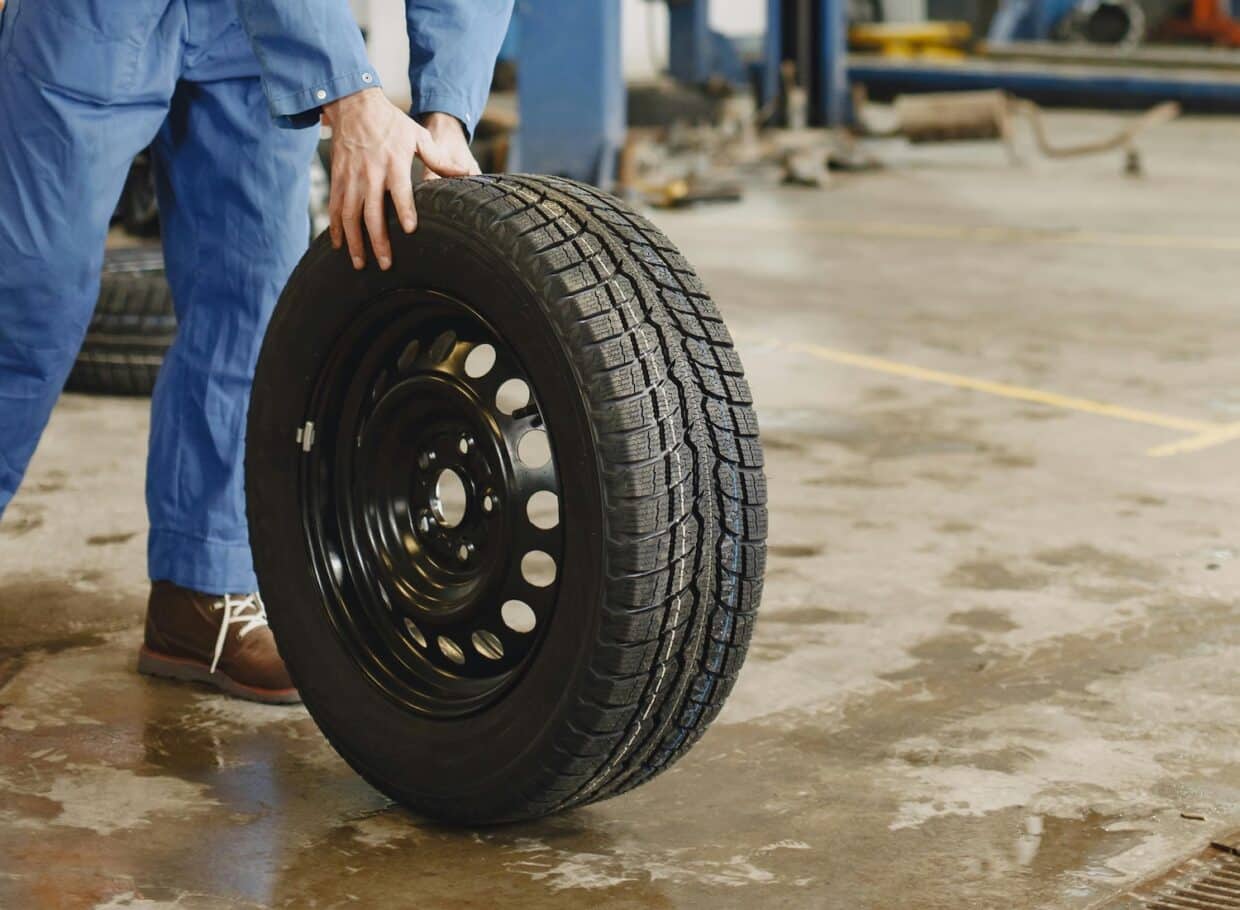
There’s a charming belief among truck owners that tires will somehow take care of themselves, like a houseplant left in the corner and quietly expected to thrive. They are not. Underinflated tires wear out faster, reduce fuel economy, and handle heavy loads with all the confidence of a folding chair at a sumo tournament. Skip rotations and you’ll end up with a truck that drives like it has a limp. Which, actually, it does. Tires are the only contact point between your two-ton machine and the laws of physics.
THE SLOW COLLAPSE OF DIGNITY
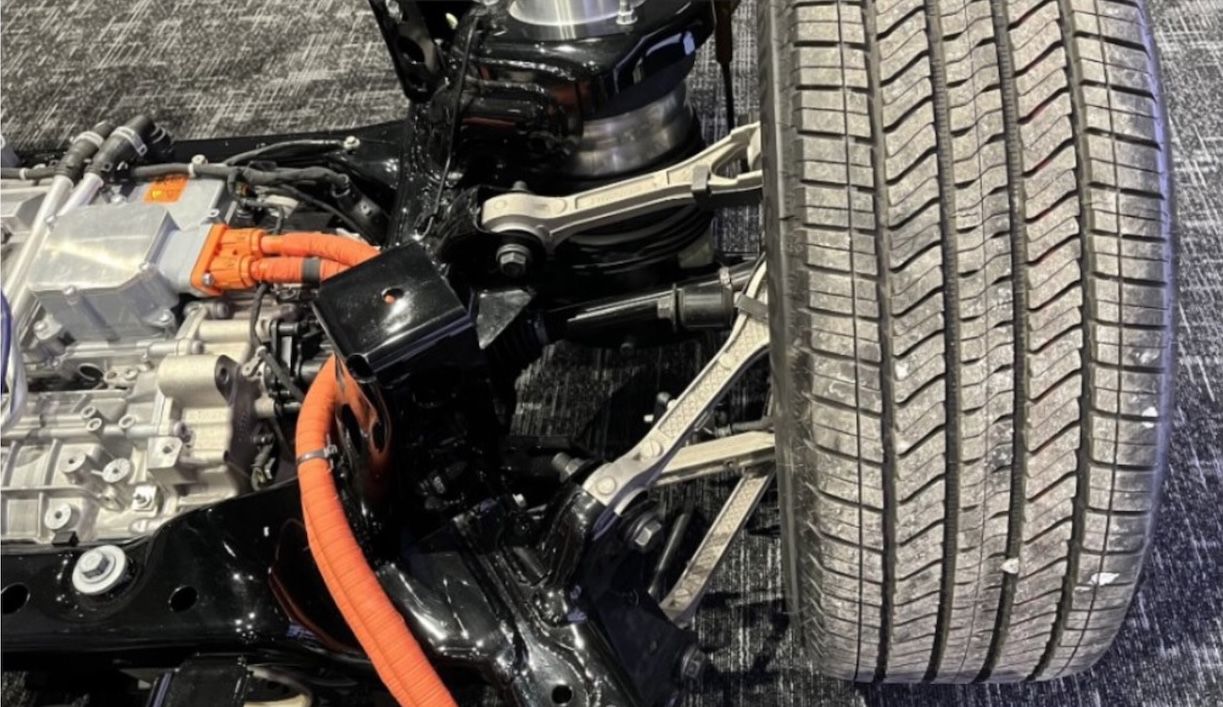
Nothing quite matches the spectacle of a pickup truck bouncing down the road as if it’s auditioning for a low-budget remake of a 1970s cop show. Worn shocks, tired ball joints, and neglected bushings don’t just ruin ride quality. They turn handling into a vague suggestion. Meanwhile, grease fittings, those tiny, almost insultingly simple maintenance points, are ignored until the steering components begin to wear out like cheap shoes. The result is a vehicle that feels less like a truck and more like a loosely affiliated collection of parts traveling in roughly the same direction.
LIMITS ARE FOR OTHER PEOPLE
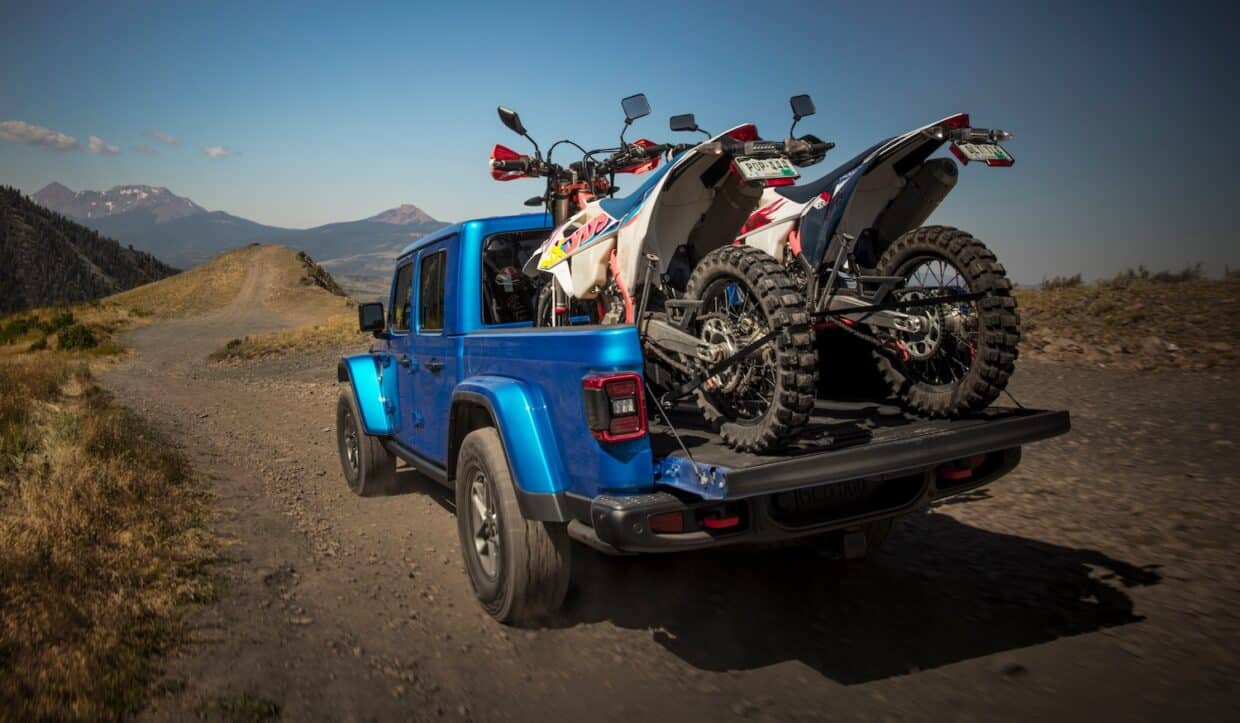
Every pickup comes with a set of carefully calculated limits, namely payload, and towing capacity. They’re the numbers engineers arrive at after years of testing and nervous breakdowns. Owners treat these numbers the way dieters treat serving sizes: technically there, but rarely taken seriously. Overloading a truck doesn’t usually produce immediate drama. Instead, it creates a slow-motion tragedy in which the transmission cooks itself, the brakes surrender, and the axle contemplates early retirement. Physics is not impressed by your confidence. Treat capacity ratings as suggestions and the repair bill will eventually correct your misunderstanding.
DECORATIVE ILLUMINATION

Modern trucks come equipped with dashboards that light up like a Christmas tree when something goes wrong. This is not festive; it is informative. Yet many drivers respond to warning lights and strange noises with a level of indifference usually reserved for political scandals. A squeal, a clunk, a glowing icon. These are not suggestions. They’re the truck’s early warning system, urging immediate attention before a small issue turns costly. Ignore them long enough, and the vehicle will eventually escalate the conversation in the only language it has left: repair bills.
THE UPSHOT

The irony of the pickup truck is they are engineered to endure abuse yet are most often undone by simple neglect. A pickup will forgive bad roads, heavy loads, and questionable decisions. But it has no tolerance for indifference. Treat it like a tool, maintain it like a machine, and it will outlast the payments. Treat it like an appliance, and it will fail like one.








No replies yet
Loading new replies...
Administrator
Join the full discussion at the Forum Pickuptrucktalk →