Don’t look now, but automakers are making it harder to swap in a set of larger truck tires for those originally installed. That might mean your bro-dozer is going the way of the dinosaur.
Chevy, GMC Cracks Down on Larger Tires
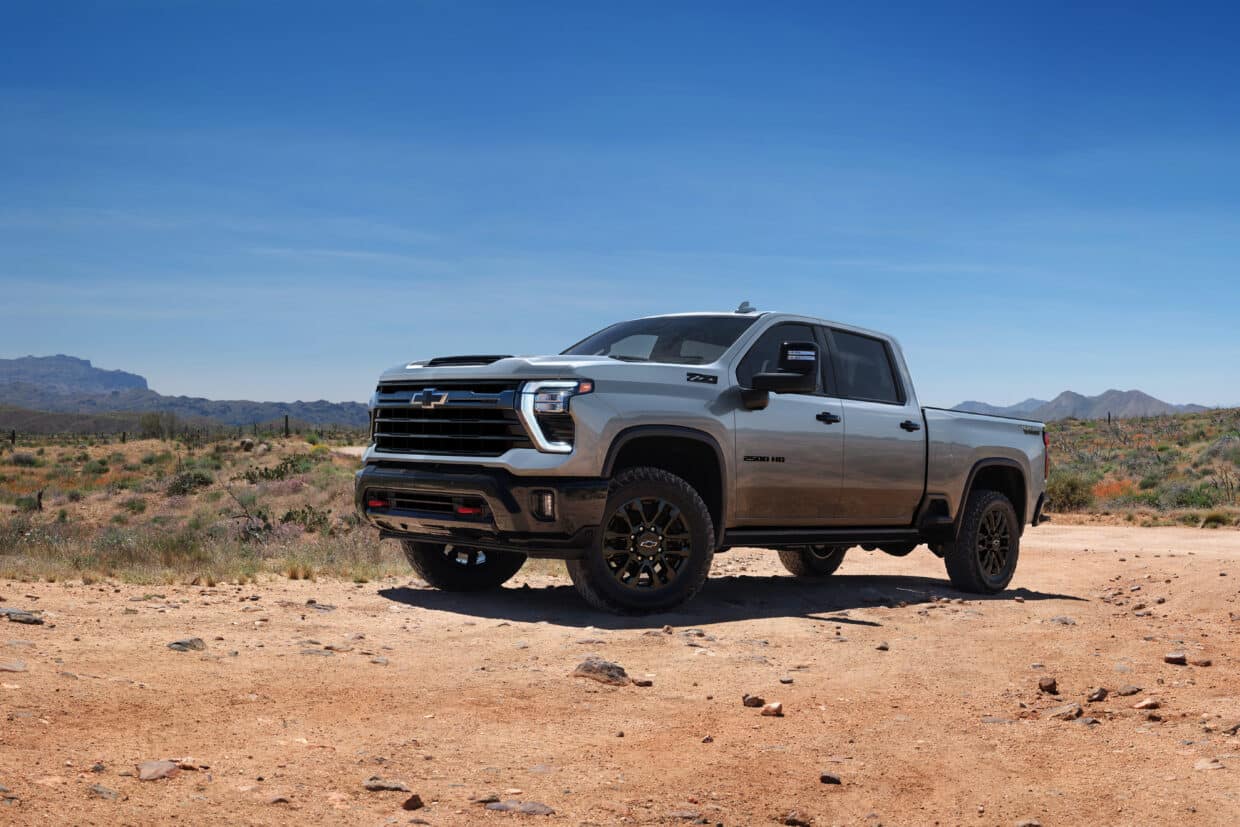
Typical among the directives being sent to dealers is General Motors Service Bulletin PIT3271Q, which describes the strict rules dealerships must follow when recalibrating tire and wheel sizes.
According to the bulletin, General Motors is not in the business of accommodating personal experiments with tires. The company will only back the wheel and tire combinations it has designed, tested, and officially approved. If it didn’t leave the factory that way, don’t expect the dealership or GM to step in later and treat it like it did.
Ram’s Restrictions
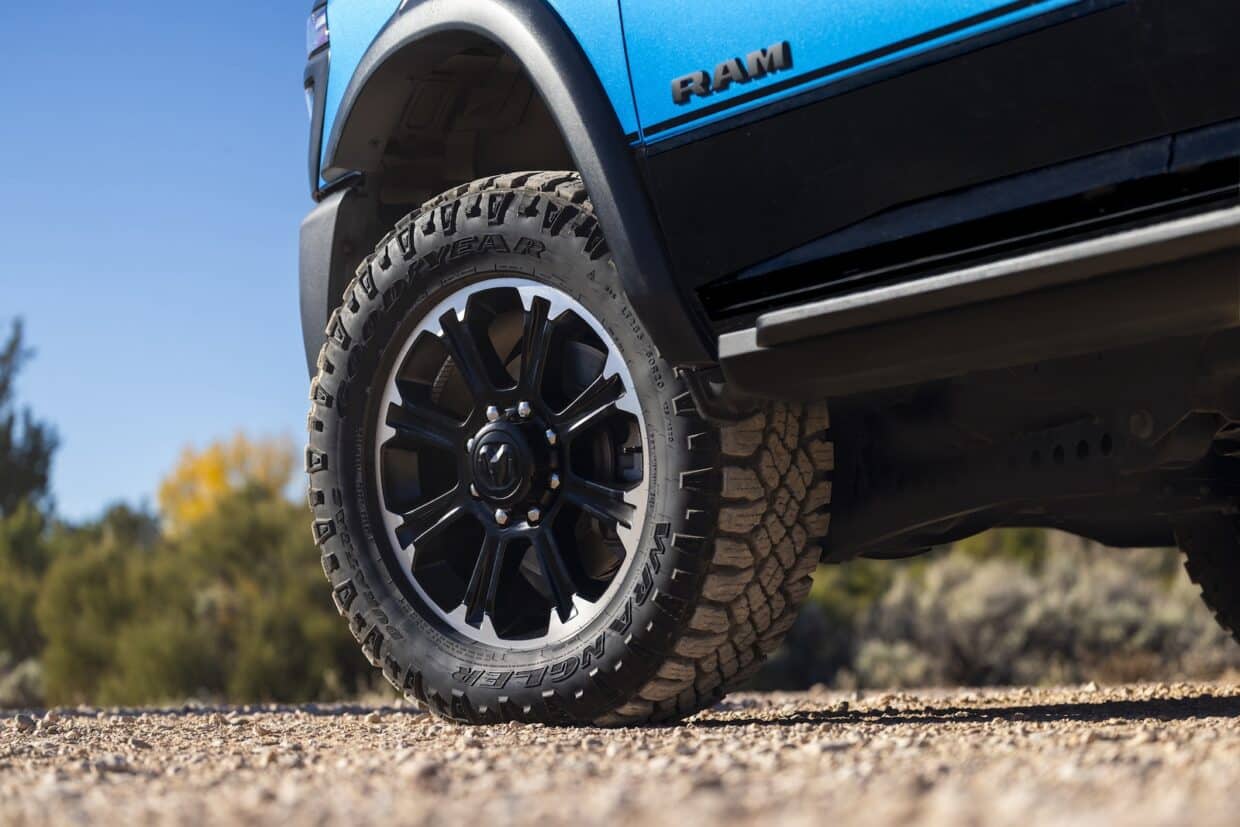
The 2026 Ram 1500 doesn’t so much forbid larger wheels as quietly make them impractical.
Start with the body itself. The front wheel openings are drawn tight: clean, purposeful, and clearly intended for 20- or 22-inch wheels. There’s very little excess space to exploit. Move inward and the message continues. The steering knuckles and front suspension geometry leave minimal room for wider rubber. Then, there’s the independent front suspension. It eats into the vertical space you’d need for taller tires. Without a lift or leveling kit, you quickly run out of clearance.
The Ram 1500’s stance doesn’t help either. The truck sits with a deliberate forward rake to aid aerodynamics and fuel efficiency, which further limits how much tire you can fit up front before things start to rub. And finally, there’s the invisible constraint: the electronics. The truck’s advanced driver assistance systems are calibrated around factory tire diameters. Change them, and you’re feeding those systems distorted information, affecting how they respond when it matters most.
It’s all very intentional. The Ram isn’t shouting “no.” It’s simply been designed so that pushing beyond factory dimensions becomes an exercise in compromise.
Toyota Too
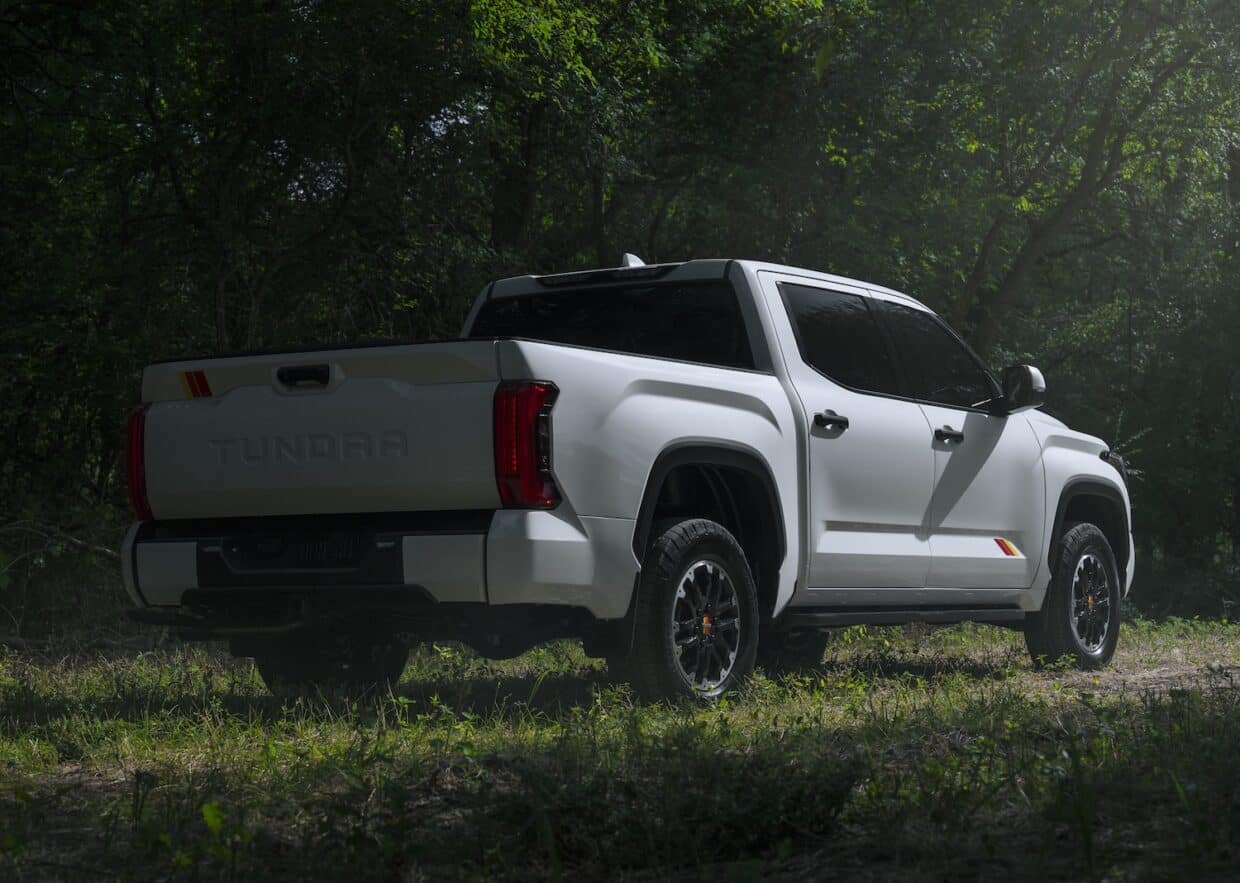
Like the Ram, the 2026 Toyota Tundra doesn’t outright forbid upsizing, but it certainly doesn’t make it easy. Yes, the third-generation truck offers more room than before. The wheel wells are larger, the stance more accommodating. But the hard points remain. Push beyond a 34-inch tire, and you begin to meet resistance. First it comes from the frame-mounted body mounts tucked behind the front wheels, then from the inner fender liners that weren’t shaped for oversized rubber.
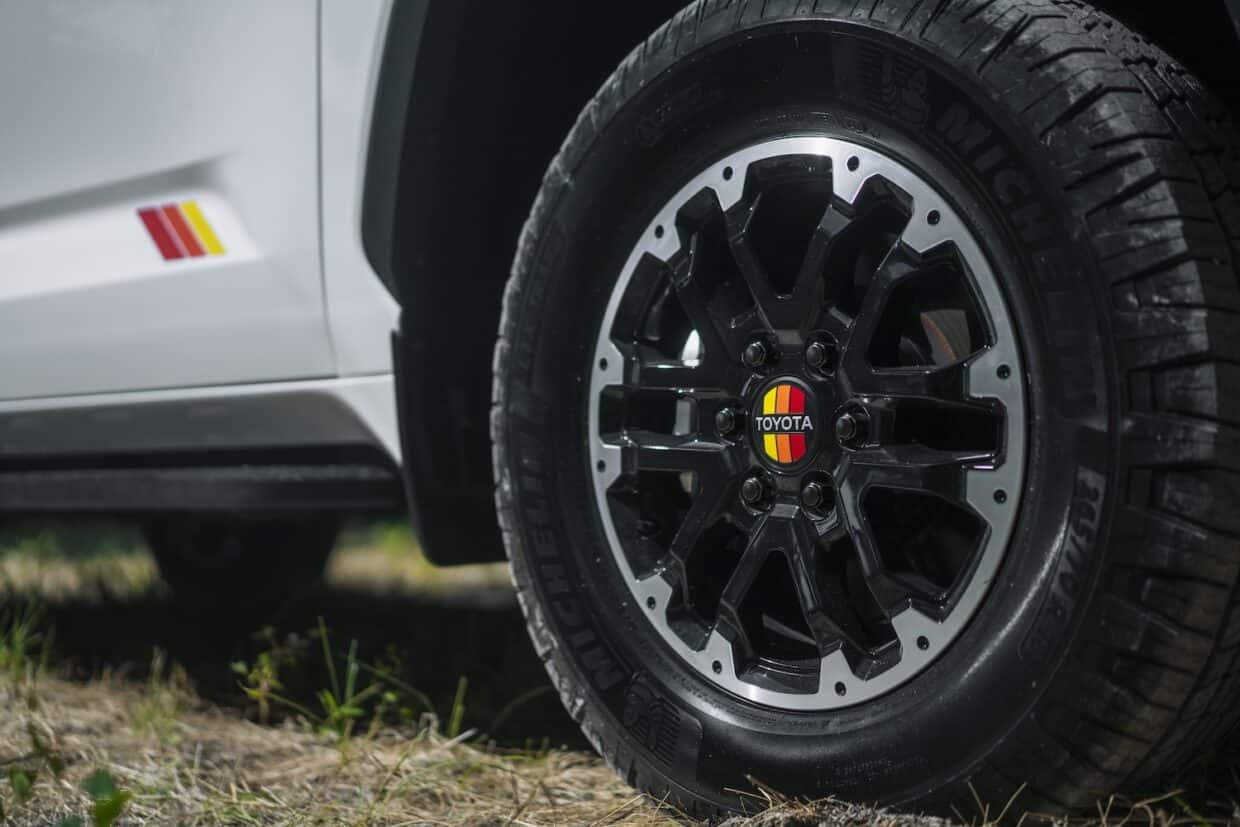
At that point, modification becomes inevitable. A lift or leveling kit buys you space. Trimming plastic becomes part of the exercise. You’re no longer upgrading. You’re reshaping the truck. And, as with its competitors, inside each of the Tundra’s wheels sits a Tire Pressure Monitoring System sensor, quietly feeding data to the truck’s computer and driver assistance systems. They’re all calibrated to the factory tire diameter and behavior. Change the tires, and you begin to distort the information those systems rely on.
Toyota Motor Corporation makes its stance fairly clear: stick with the factory wheels and tires.
Sure, you can upgrade to that oversized aftermarket setup. Just understand you’re not simply risking a bit of fender rub. You’re also volunteering your suspension and drivetrain warranties as tribute the moment something goes sideways.
How Ford Differs
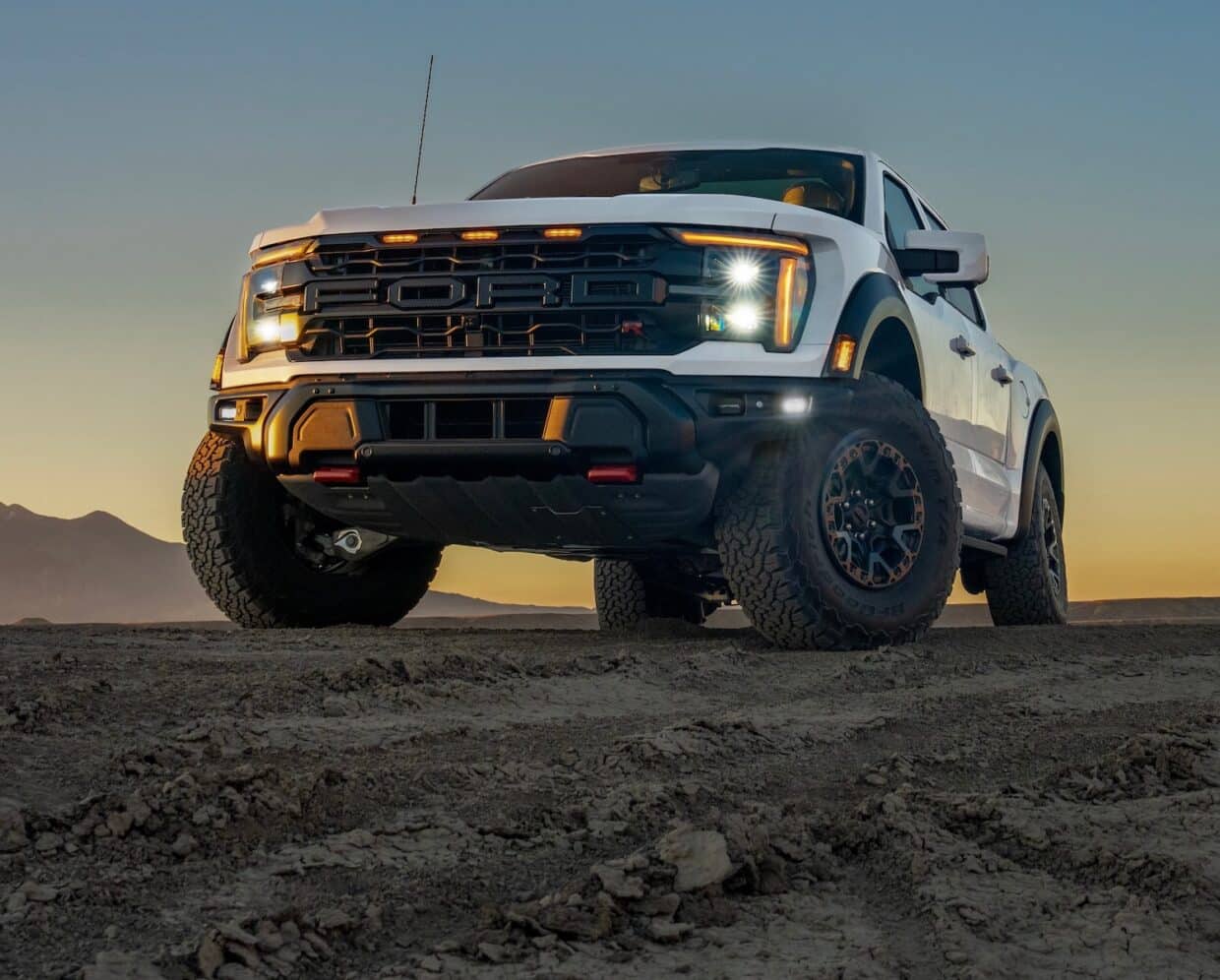
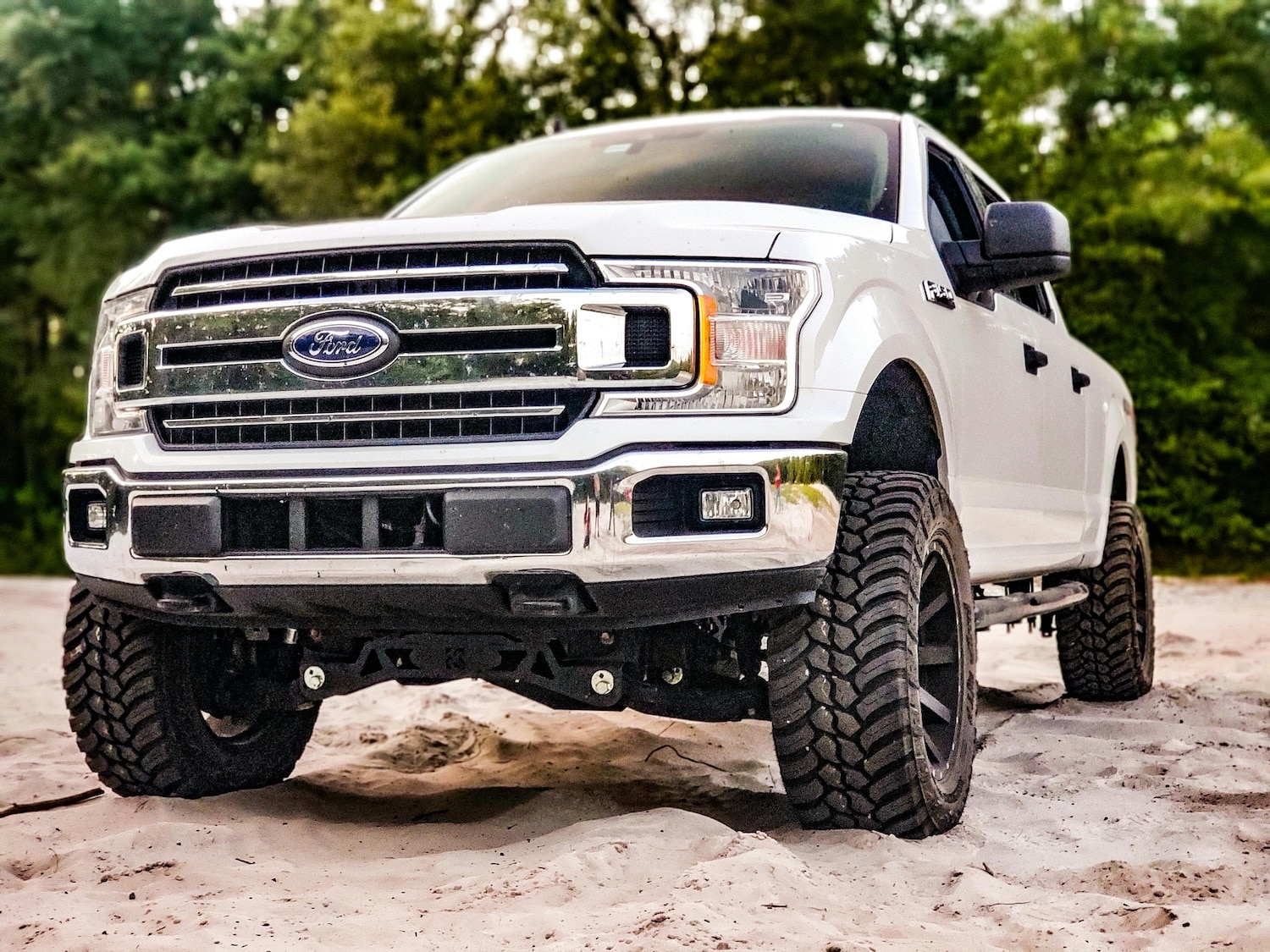
Ford, to its credit, hasn’t slammed the door quite as hard. They’re not allergic to the idea of larger wheels on the F-150, and in many cases their own dealers will happily bolt on a set, often alongside leveling kits or mild lift packages. But don’t mistake that openness for a blank check. Ford is perfectly clear about the consequences. Upsize the wheels and you may pay for it elsewhere: fuel economy takes a hit, acceleration softens, and the speedometer begins to tell small but meaningful lies. Meanwhile, the added mass and altered geometry place extra strain on the transmission, brakes, and suspension.
And that’s where the fine print comes in. If something fails and Ford decides those larger wheels played a role, they reserve the right to decline the warranty claim. It’s a more permissive philosophy, but it still comes with a raised eyebrow. You’re the one rewriting the rules, so you may also inherit the consequences.
Your sense of adventure doesn’t enter into it. Your safety does. And so does the small matter of keeping you from marching into court with a lawyer and a grudge.
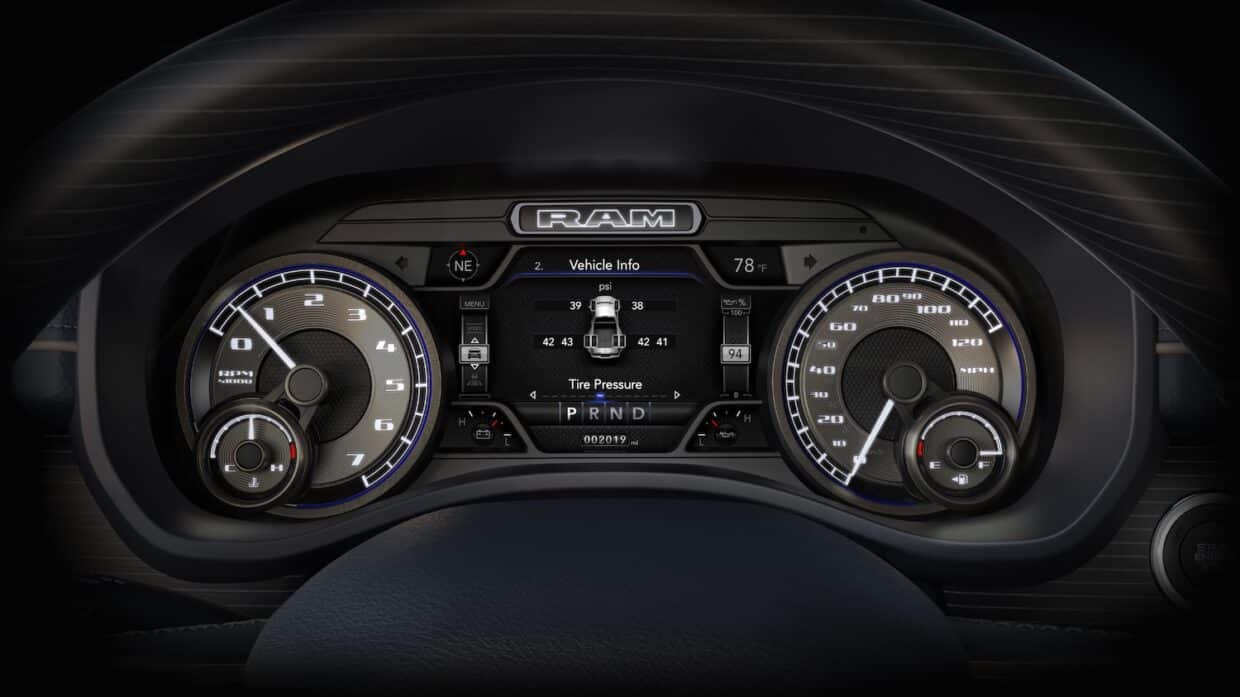
In a sane world, you’d recalibrate the TPMS, speedometer, odometer along with other systems, and move on with your life. But no. That would make sense, and common sense has been outlawed by the same people who brought you warning labels on coffee. Because heaven forbid you introduce a little unsupervised reality into the equation. For the rules are there to keep the truck predictable, so that engineers and executives sleep peacefully at night knowing their machines aren’t out there freelancing.
Why the Crackdown?
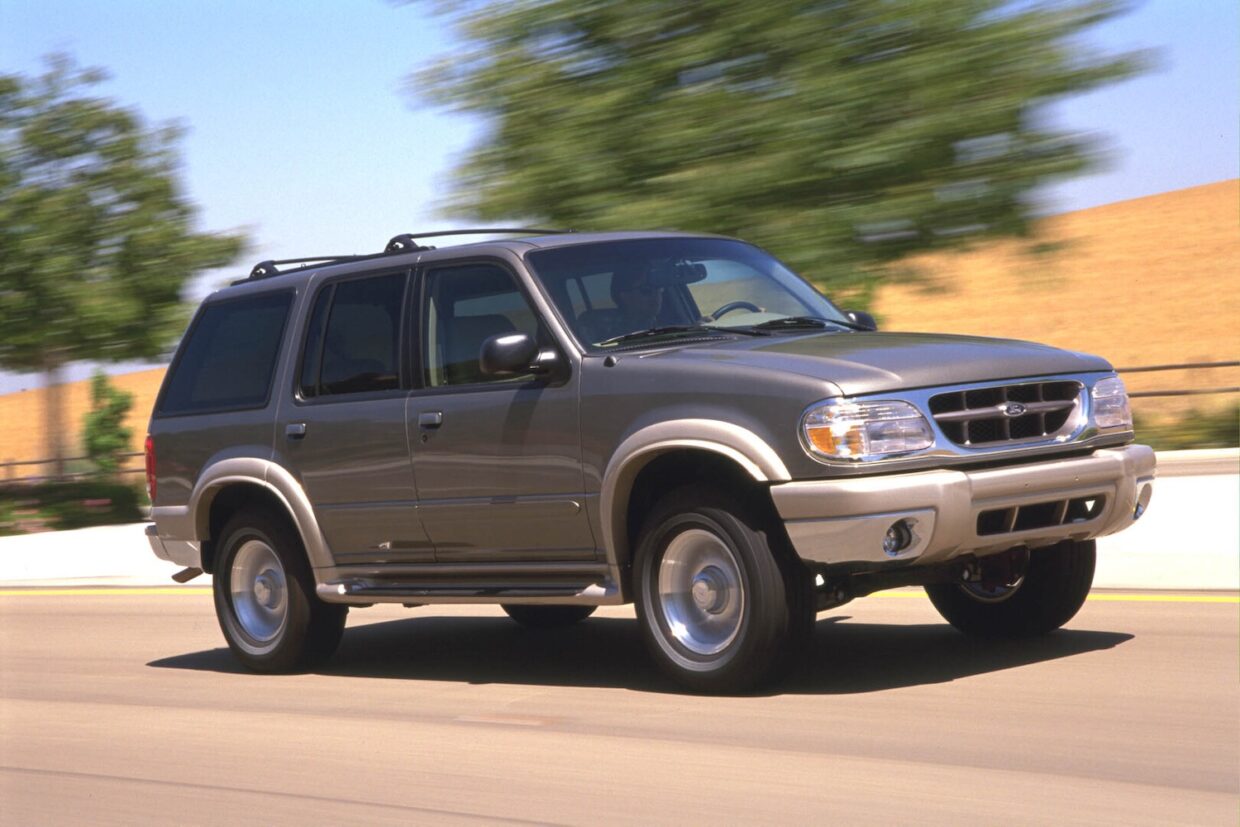
Automakers rationale isn’t some grand philosophical exercise, it’s about liability. They want your truck safe and, more importantly, predictable, because unpredictability is what turns boardroom memos into courtroom exhibits. If you need a reminder, think back to the early-2000s mess where the Ford Explorer and Firestone tires became a national scandal. That little episode didn’t just dent reputations. It rewrote the rulebook and dragged in mandatory Tire Pressure Monitoring Systems, or TPMS.
Now every new truck comes wired like a neurotic lab rat. TPMS sensors sit in each wheel, constantly reporting pressure and temperature, feeding the vehicle’s electronic brain a drip-feed of reassurance. But wait, there’s more. Beneath it all is a jumpy digital nursemaid tracking everything the tires do: how fast they spin, how they behave under braking, how they hold a turn. Systems like ABS and Stability Control live and die by this data, because the whole contraption is built on one assumption: the tires are behaving exactly as engineers decreed. The moment they aren’t, the system doesn’t ask questions. It intervenes.
Now you come along, full of red-blooded optimism, and slap on bigger, heavier tires. Congratulations: you’ve just fed bad data to a system that hates surprises more than the IRS hates a missing receipt. The numbers don’t line up anymore. The truck thinks it’s doing one thing while reality is off doing another, like a politician’s campaign promises.
And unfortunately, the more computerized a truck becomes, the harder it is going to get to modify.
The Upshot
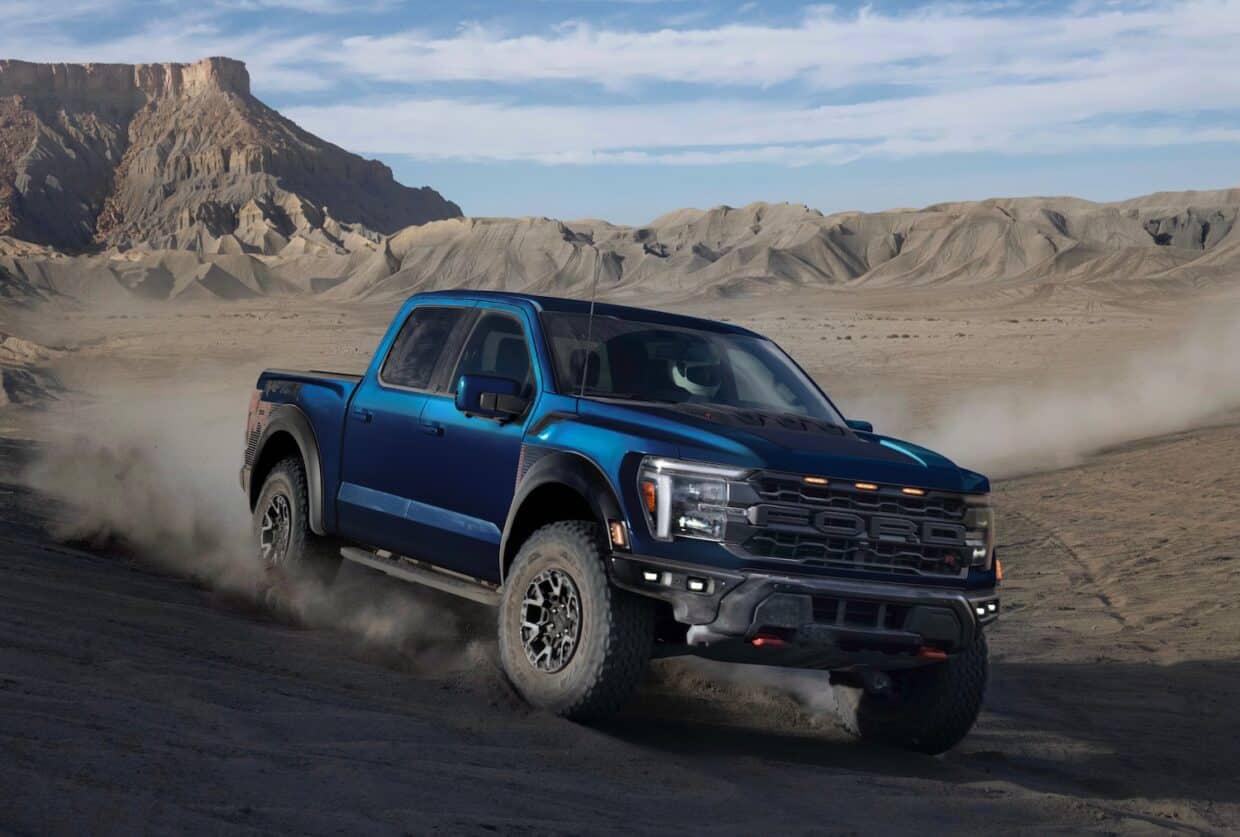
We love big wheels and fat tires as much as the next enthusiast with an irrational fondness for rubber and rim. But we’ve begun to notice something faintly conspiratorial happening in the background of modern truck design; a quiet, polite, utterly unyielding resistance from the automakers themselves to letting you go too far. Go beyond that point and you are no longer upgrading. You’re operating outside the obsessively validated engineering envelope where ABS logic, stability control, gearing, speedometer calibration and warranty fine print all live in uneasy harmony. And once you’ve crossed that line, the manufacturer steps politely to the side, clears its throat, and leaves you holding the bag.
And if you’re feeling even slightly exasperated about it, well, join the club.