
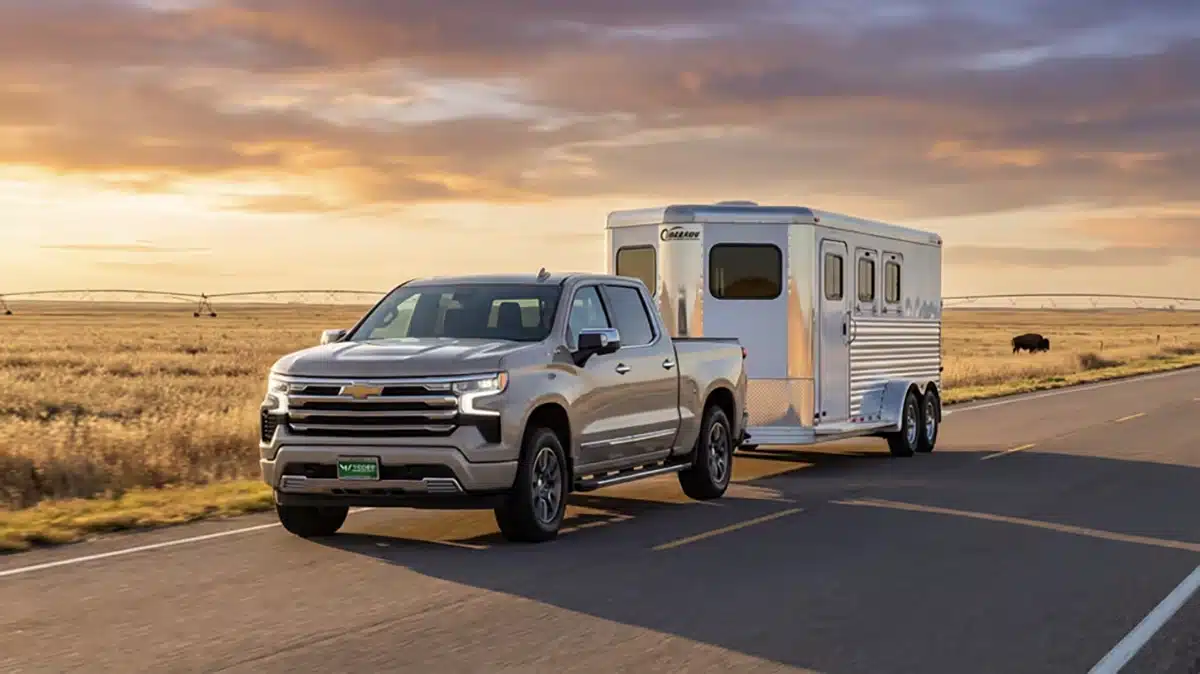
From engine failures to transmission issues and glitchy electronics, today’s full-size trucks are more advanced, and can be more problematic, than ever. Looking at the issues, here are the least reliable full-size trucks for the past 5 years ranked in order from best to worst.
Full-size trucks remain some of the most capable vehicles on the road, but increasing reliance on turbocharged engines, complex transmissions and software-driven systems has introduced new failure points across the segment. Instead of isolated issues, most trucks now show repeatable patterns tied to specific engines, transmissions and electronic systems.
This report combines NHTSA.gov data, Consumer Reports information, real-world consumer data and recall information.
2021-2026 Ram 1500
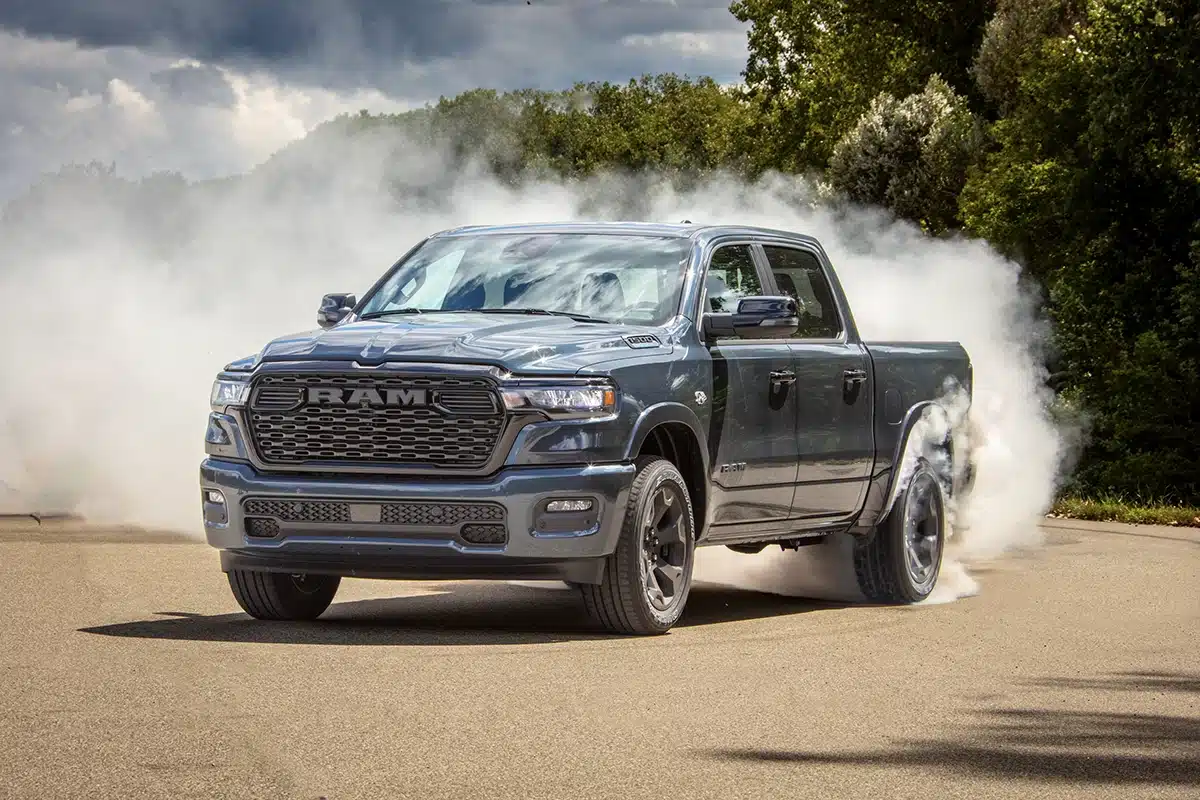
The Ram 1500 stands out for not having a single dominant failure point, but that doesn’t mean it’s trouble-free. The 5.7L HEMI V8 continues to be linked to the Hemi tick, typically tied to lifter wear or exhaust manifold bolt issues. eTorque adds another layer with Motor Generator Unit failures.
For 2025–2026 models, the new Hurricane inline-six is already showing early-cycle issues including check engine lights, misfires and cooling system concerns.
Electronics remain a growing concern, with recalls tied to ABS modules, blank instrument clusters and rearview camera failures. Owners also report battery drain and infotainment glitches.
- NHTSA snapshot:
- 2021: 150+ complaints (electrical, engine tick, leaks)
- 2022: 120+ complaints (electronics, camera, drivetrain)
- 2023: 100+ complaints (electrical + minor drivetrain)
- 2024: 60+ complaints (engine, electrical/battery, powertrain)
- 2025: 225+ complaints (engine, electrical/battery, powertrain, safety)
- 2026: 40+ complaints (engine, electrical, towing)
- Common categories: electrical systems, engine valvetrain noise, braking/ABS recalls
The 2025 model year represents the first year for the 3.0L Hurricane family of engines to debut in the Ram 1500 after already being in the Jeep Wagoneer/Grand Wagoneer for two years prior.
2021-2026 Ford F-150
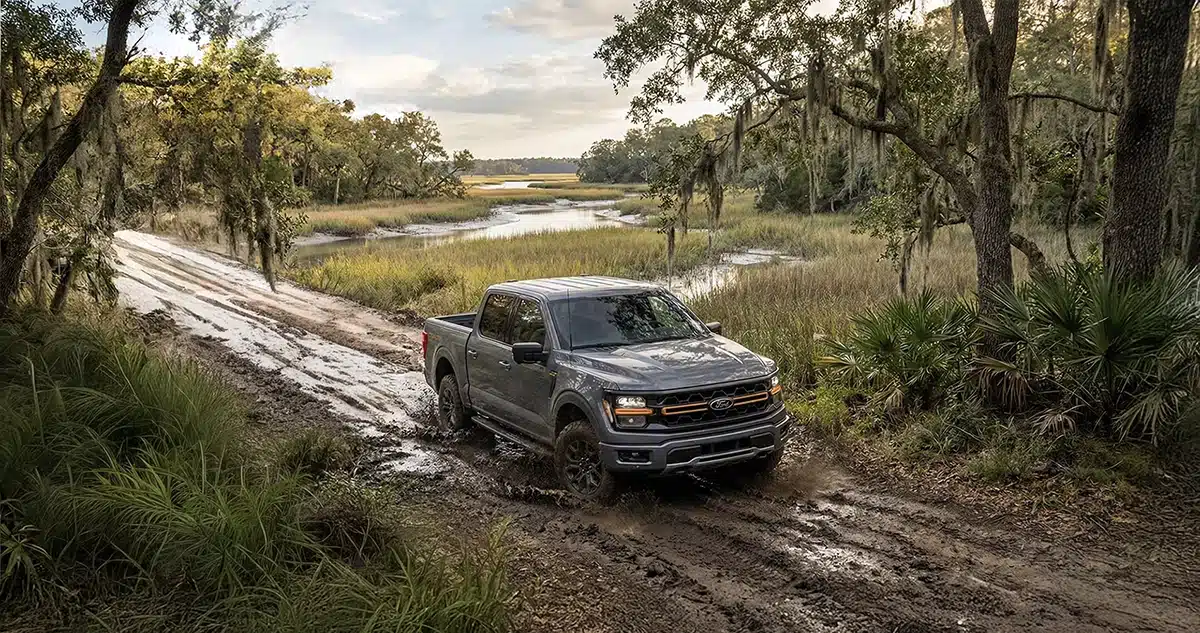
The Ford F-150’s biggest weakness remains its 10-speed automatic transmission. Complaints of harsh shifting, hesitation and gear hunting continue across multiple model years, especially under load.
Engine issues are more scattered but include stalling and fuel pump-related failures.
Record-setting number of recalls and electronics issues, including unintended neutral events and rear axle hub failures, add to the risk profile.
- NHTSA snapshot:
- 2021: 200+ complaints (camera, drivetrain, electrical)
- 2022: 250+ complaints (transmission + electronics)
- 2023: 300+ complaints (transmission + electronics)
- 2024: 150+ complaints (lighting / visibility, drivetrain, electrical, engine, brakes)
- 2025: 100+ complaints (electrical, powertrain, brakes, visibility)
- 2026: 20+ complaints (electrical, software, powertrain)
- Common categories: transmission behavior, electrical faults, drivetrain safety issues
In our view, transmission issues will get resolved, EcoBoost issues are mostly sorted out by now and recalls, well, they are plentiful.
Chevy Silverado 1500/GMC Sierra 1500
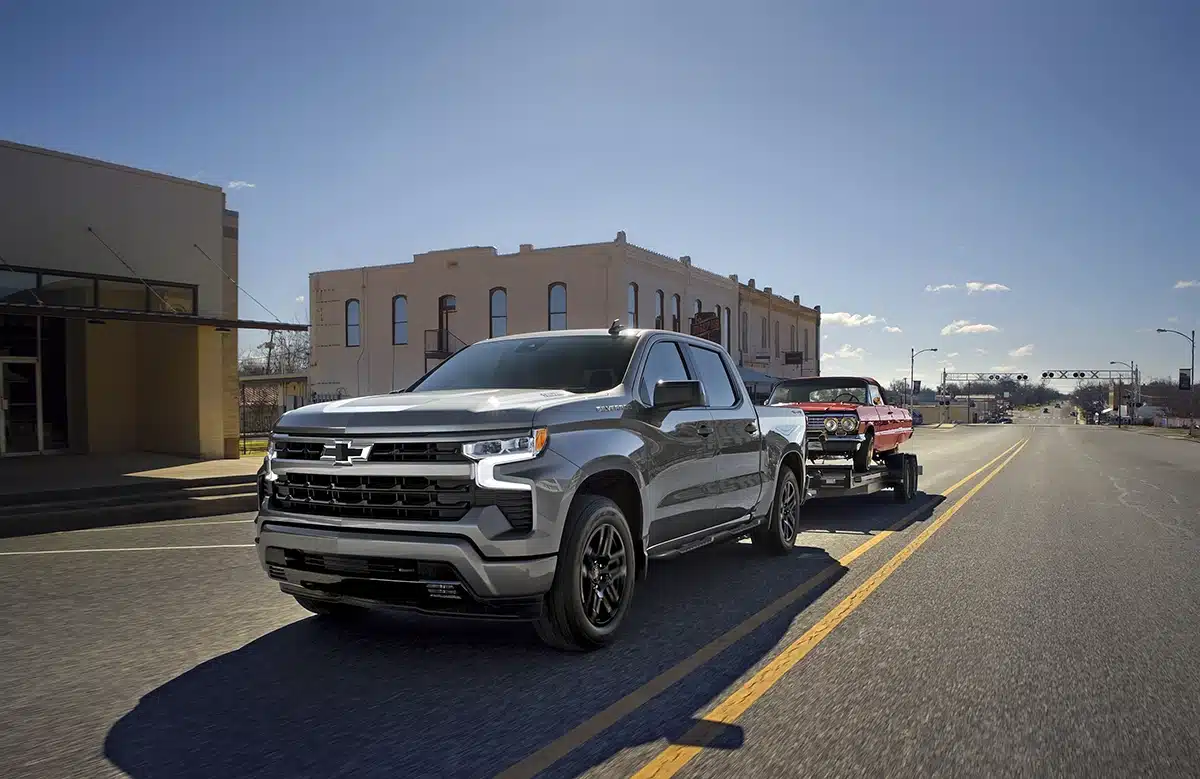
For GM’s half-ton trucks, the 6.2L V8 is the defining issue. Reports of catastrophic engine failure tied to crankshaft and connecting rod defects led to a major recall, with some trucks losing propulsion entirely.
Lifter failures commonly thought to be tied to Dynamic Fuel Management remain widespread, while the 10-speed transmission has also generated complaints. Diesel models add transmission-related concerns.
Also, the 3.0L Duramax diesel had a catastrophic engine failure crop up late last year related to a thrust-bearing issue.
Additional issues include brake software faults and unintended tailgate openings.
- NHTSA snapshot:
- 2021: 300+ complaints (engine, lifters, transmission)
- 2022: 350+ complaints (refresh-year issues spike)
- 2023: 300+ complaints (engine, lifters, transmission, electrical)
- 2024: 200+ complaints (engine, lifters, transmission, electrical)
- 2025: 100+ complaints (engine, lifters, transmission, electrical)
- 2026: 25+ complaints (engine, transmission, electrical)
- Common categories: engine failure (6.2L), lifters (5.3L/6.2L), transmission harsh shifting and electrical
In our view, they should not be having this many engine issues and hopefully they get sorted out prior to a new 2027 model coming out. This is getting absurd.
2021-2026 Toyota Tundra
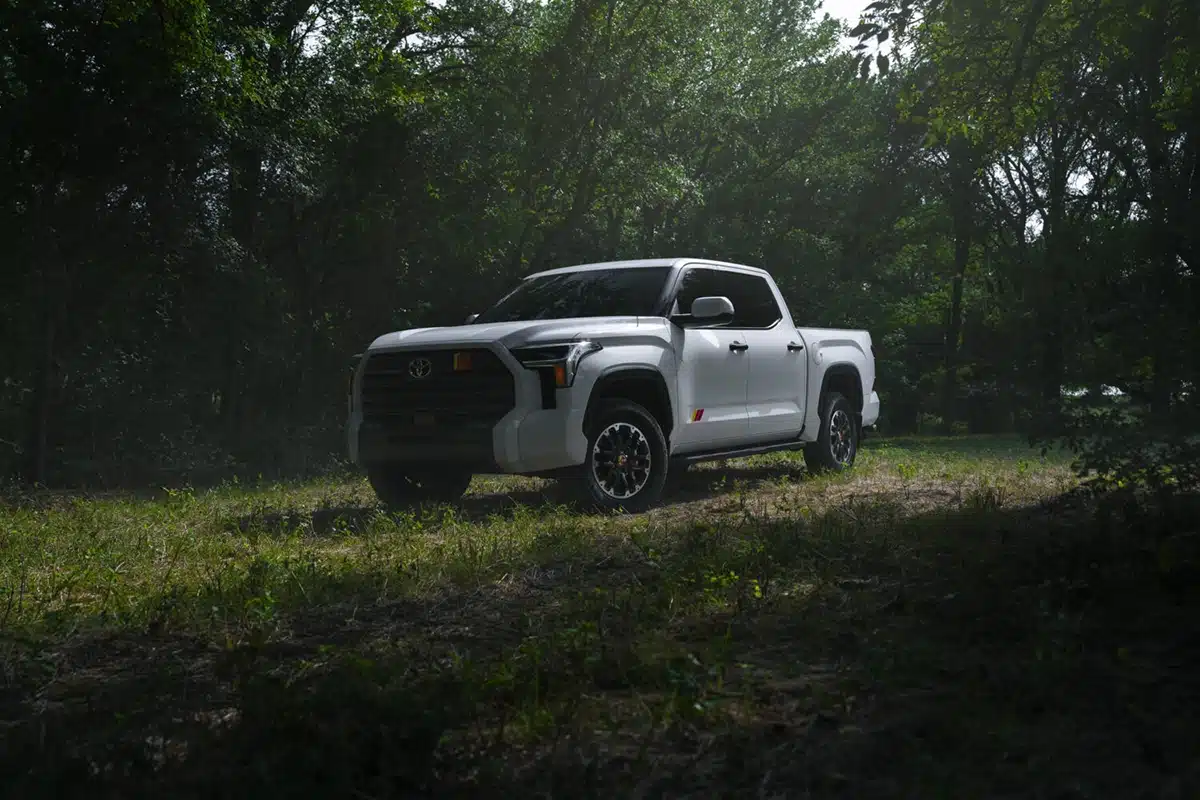
The Tundra shows a clear split. The 2021 model with the 5.7L V8 remains relatively trouble-free. The redesigned 2022–2026 trucks introduced a twin-turbo V6 and significantly more complaints.
The twin-turbo engine has been tied to recalls involving machining debris, leading to knocking, power loss and full engine replacement.
Owners also report throttle lag, tire wear and infotainment issues, typical of a major redesign working through early issues that seem to have taken a while to be addressed.
- NHTSA snapshot:
- 2021: 100+ complaints (final year, relatively low volume)
- 2022: 300+ complaints (engine, throttle, electrical, body)
- 2023: 350+ complaints (engine, throttle, electrical, body)
- 2024: 300+ complaints (engine, throttle, electrical, body)
- 2025: 100+ complaints (engine, throttle, electrical, body)
- 2026: 2 complaints (sunroof exploded)
- Common categories: engine failure, dead pedal/turbo lag, infotainment screen laggy/freeze, body wind noises
In our view, the lack of complaints for 2025 and 2026, I think I saw a handful of 2025 trucks with engine failures that may or may not be related to the recalls shows signs Toyota is figuring out the issues. It seems to be a matter of time now before the engine becomes a non-issue.
The Bottom Line on the Least Reliable Full-Size Trucks
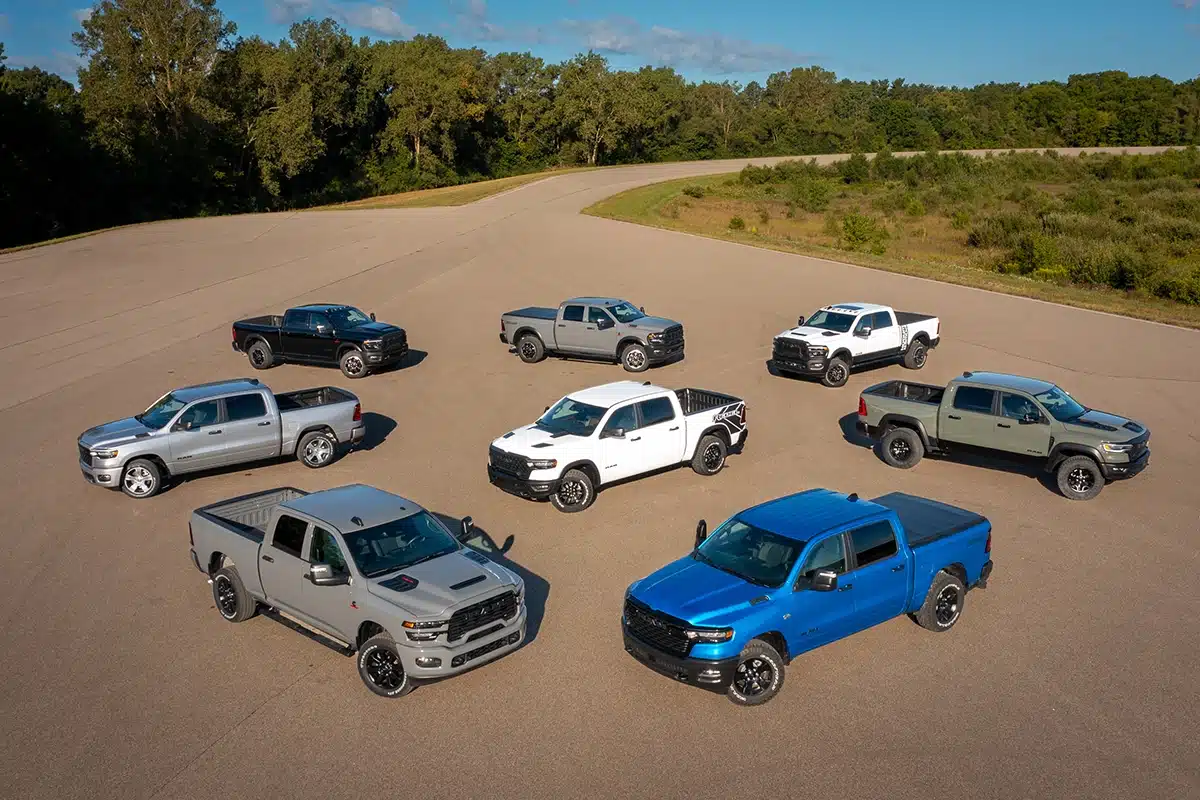
What does all this data tell you? Well, there are many ways to interpret it.
First, Ford and GM build the most and sell the most trucks amongst the group, so you should expect the most problems. Second, Ford has the most recalls, by far, of the group, however, the severity of recalls is much lower than those from GM and Toyota with full engine replacements. Third, consumers have various views on a full engine replacement from “I’ll never trust them again” to “who cares, I’m getting a new engine.” A real glass half full vs half empty viewpoint.
Ram’s rise to the best of the list for reliability is certain to make people challenge the accuracy of this list based on the Dodge trucks of old, but, they really have improved a lot.
Looking at Toyota’s fall from grace, they are seemingly turning it around with a trend of less complaints in the last few model years. It wouldn’t surprise me if they went from worst to best in another year or two. Consumer Reports already sees them that way.








